7 Things Getting More Expensive in 2026


Many Americans are searching for ways to cut costs this year, and unfortunately, the prices of goods in some categories are rising much faster than in others. The good news: Some costs are leveling off. Egg prices, which surged following the bird flu outbreaks in 2022, were nearly 28% lower in June 2026 than in June 2025. Used-vehicle prices have also eased from their pandemic-era highs. But other categories still deliver sticker shock due to a complex web of global economic factors, domestic inflation, supply shortages, and tariffs. From dining out to streaming movies, here’s where Americans’ budgets are being stretched thin in 2026 — and why.

Restaurant Meals
Dining out is quietly becoming a luxury again. According to the Consumer Price Index (CPI), restaurant costs were up 3.4% in June 2026 compared to June 2025. In a press release in February, the National Restaurant Association forecast that both revenue and jobs will continue to grow in the restaurant industry this year, but noted that higher operating costs are squeezing profits.
Recommended Articles

Reader Favorites



Those costs — labor, rent, ingredients, and shipping — are typically passed on to restaurant-goers, forcing them to foot the bill. Another major consideration in the industry is uneven traffic. With consumer budgets becoming increasingly stretched, many Americans are cutting back on dining out.
Groceries: Beef and Sweets
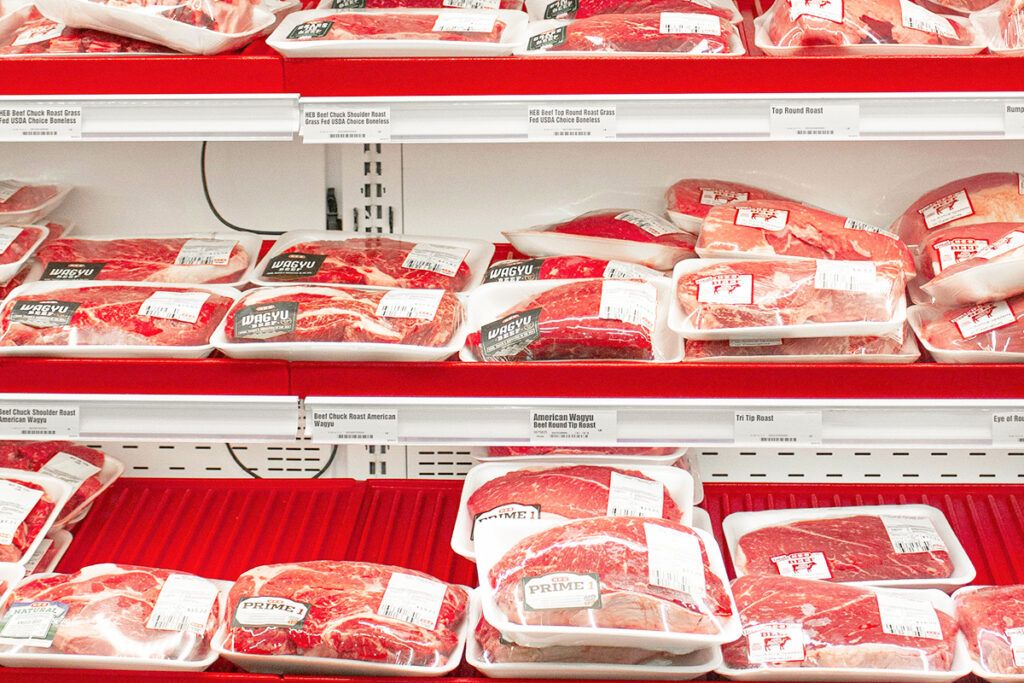
Overall grocery inflation is up 2.7% in June 2026 compared to the previous year. Beef and veal prices are climbing significantly: They were 11.8% higher in June 2026 than in June 2025. This is due to high consumer demand and limited livestock supply, with the U.S. cattle herd at its lowest level since the 1950s. Droughts, cattle disease, and tariffs for imported beef also contribute to costs.
Sweets are another standout: They’re up 6.9% compared to June 2025. This increase is a spillover from 2025, due to a worldwide cocoa shortage, inflation, and tariffs. Other grocery categories expected to increase in 2026 include nonalcoholic beverages (projected to increase 3.9%), fresh vegetables (6.8%), and pork (1.6%), which all have higher prices than they did in June 2025.

Electronics: Computers, Smartphones, and Gaming Consoles
Consumers are paying more to upgrade tech this year. One major factor is a global shortage of integrated circuit chips, the tiny devices on which RAM is stored. Manufacturers are shifting their business models, prioritizing high-performance memory to support AI data centers, which limits the supply of consumer-grade products for personal electronics. According to Counterpoint Research, memory prices increased by as much as 90% between Q4 of 2025 and Q1 of 2026.
As a result, prices for PCs, smartphones, tablets, smart TVs, and wearable tech such as smartwatches are expected to rise. In February 2026, research firm Gartner projected that PC prices would increase by 17% and smartphone prices by 13% by the end of 2026, compared to 2025 prices.

Utility Bills: Electricity and Gas
If you’ve noticed your monthly utility bills going up, you aren’t alone. Across the country, residents are experiencing price hikes for energy services, which, according to the CPI, rose about 3.9% nationally between June 2025 and June 2026. Electricity costs are up 4%.
The World Resources Institute notes that there’s no single cause for these rising costs. While data centers and AI are impacting some parts of the country, the increase is driven by a mix of factors: the effects of extreme weather on infrastructure, power grid upgrades, and fluctuations in the fossil fuel market.
Piped gas service costs, meanwhile, are up 3% over June 2025. Most of a household’s gas bill covers supply, distribution, and maintenance, which are affected by rising transportation costs and geopolitical events. In some parts of the country with aging infrastructure, new pipeline construction is further increasing consumer bills.

Streaming Services: Netflix and Prime Video
Streaming services may no longer be a cheaper alternative to cable: Many at-home streaming services are raising their prices in 2026. Some of these price hikes are part of annual profit goals, while others reflect production costs, account sharing with friends and family, and ad-free upgrades. The trend has been dubbed “streamflation.”
Case in point: For the second time in one year, Netflix raised its subscription prices for all tiers. As of March 2026, costs had increased by $1 to $2 per month, ranging from $8.99 with ads to $26.99 for premium. Other video platforms raising their prices in 2026 include Prime Video, Paramount Plus, and Sling TV, as well as the audio streaming services Amazon Music and Spotify.

Prescription Drugs: Vaccines and Cancer Treatments
Medication costs continue to rise, even as policy changes try to limit out-of-pocket expenses. According to a recent price analysis, 872 brand-name medications saw price increases during the first two weeks of 2026, with a median increase of 4%. Some of these drugs included vaccines, cancer treatments, Type 2 diabetes medications, and cardiovascular disease treatments.
In a recent statement, drug manufacturer Pfizer noted that these price increases are necessary for research and development and to keep up with inflation and rising manufacturing and distribution costs. Other manufacturers have cited similar reasons. The changes drive up insurance premiums, and patients are facing higher out-of-pocket costs at the pharmacy as a result.
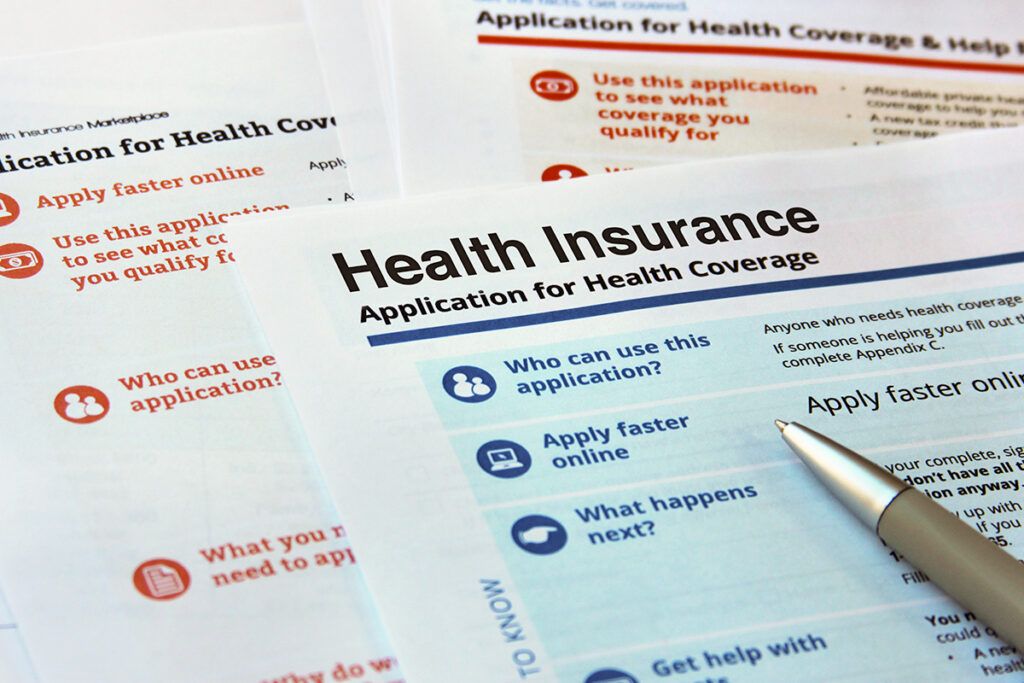
Health Insurance Premiums
Most Americans will experience some increase in their health insurance costs in 2026, as the employer-sponsored insurance market is expected to see premium increases of 6% to 7%. An estimated 60% of Americans under 65 — roughly 165 million people — have employment-sponsored health insurance.
Meanwhile, Americans receiving health insurance through the Affordable Care Act (ACA) saw premiums increase by a median rate of 20%, largely because the ACA’s premium tax credits have expired. Premiums are expected to increase in 2027 as well.
The Harvard T.H. Chan School of Public Health notes that other increases contribute to rising health insurance costs, including prescription drugs, physician services, hospital care, and advanced diagnostics and therapies. While health care and other consumer price hikes can add up, staying aware of these trends can help households budget and adjust their spending for the year ahead.
Featured Image Credit: © kaboompics/Pexels.com
More From Our Network
Better Report is part of Inbox Studio, an email-first media company. *Indicates a third-party property.