What Your Earlobes Can Tell You About Your Heart Health

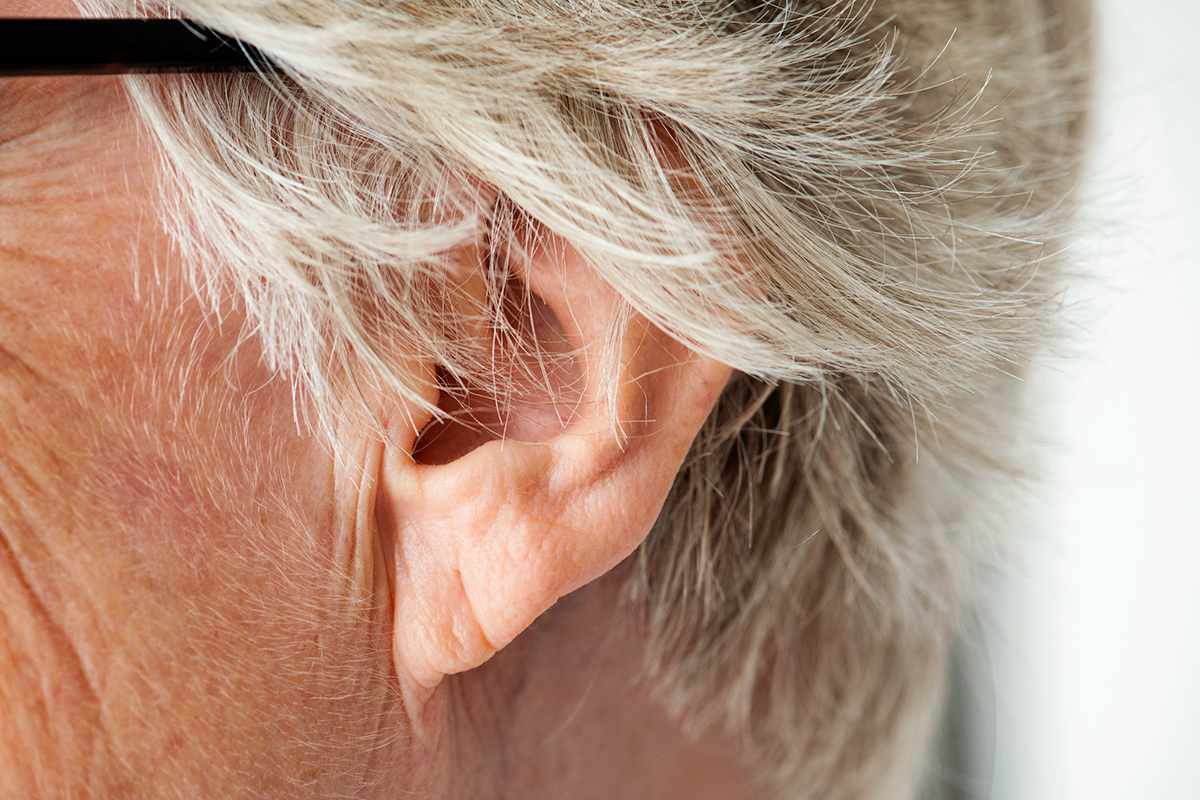
There are some body parts you probably don’t think about that often, like your eyebrows, or your tonsils, or your earlobes. But when it comes to the latter, you may want to reconsider. If your lobes have a particular feature, they could reveal important clues about your health — specifically, your potential for heart problems.
A Telltale Crease
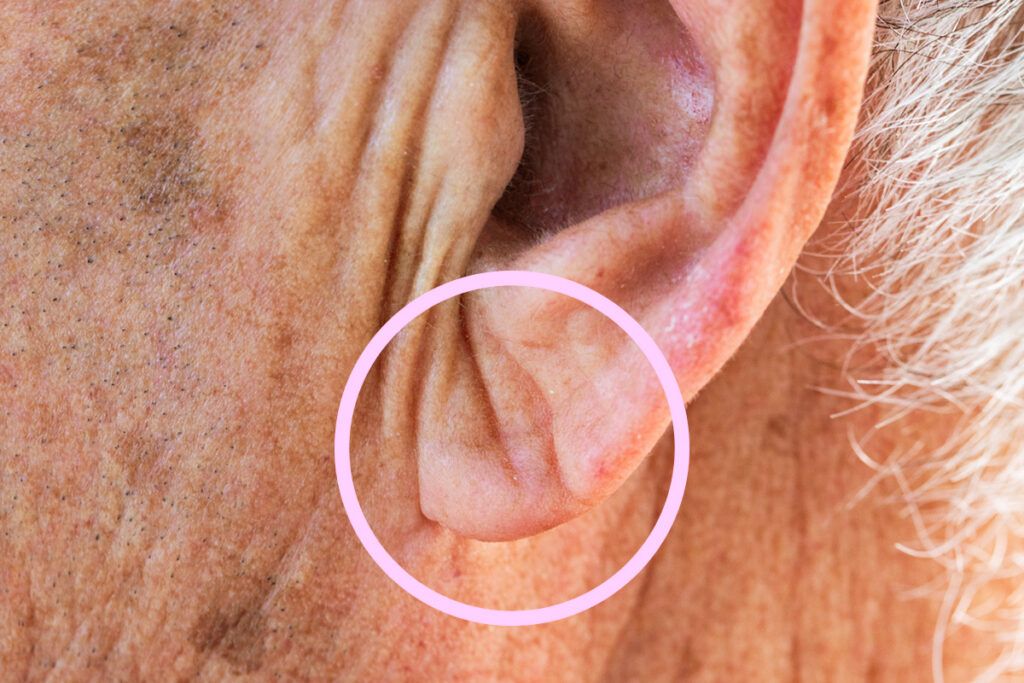
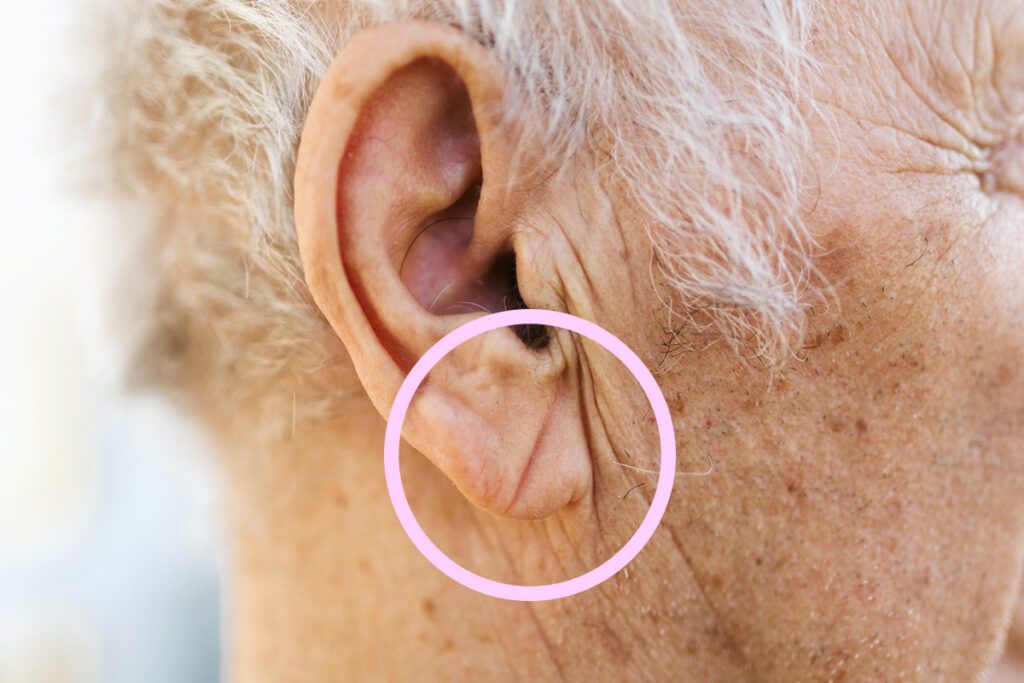
The feature to look for is a diagonal crease on the earlobes called Frank’s sign. It’s named for the pulmonologist who first described it in 1973 after noticing that his patients with symptoms of coronary artery disease also shared the telltale earlobe fold.
Subsequent studies have shown a strong link between the presence of the crease and heart disease. An early investigation of the relationship found 47% of heart attack patients had Frank’s sign in one or both earlobes, compared to 30% of a control group, while a study conducted some 40 years later showed 43% of people with cardiovascular disease had Frank’s sign in both earlobes, compared to 29% of the controls.
Technically, Frank’s sign is a diagonal crease from the tragus, the little bump of cartilage above the earlobe, to the pinna, the lobe’s outer edge. Physicians categorize the crease into grades, from Grade 1 (a superficial wrinkle) to Grade 3 (a deep skin fold that covers the entire lobe). Some studies have found the crease’s grade, length, and other factors may relate to the severity of cardiovascular symptoms.

Reader Favorites


Let’s Be Frank
So, how does an obscure furrow in one’s earlobe often indicate disease in an entirely different body part? Researchers have a few theories. One is that the correlation comes from the fact that both the earlobe and heart are fed by terminal arteries; when blood flow in these arteries is obstructed, the resulting tissue damage shows up as Frank’s sign. Another theory suggests that the loss of elastic fibers in creased earlobes reflects a similar hardening in the heart’s tiniest blood vessels.
Researchers continue to debate whether Frank’s sign is a predictor of heart issues, a potential marker of heart disease in some but not all people, or a sign of premature biological aging. Frank’s sign and heart disease are both more common in older populations, so the crease may be more useful for pinpointing heart problems among people under 65.
Though its origins and significance are still a bit mysterious, Frank’s sign has been noticed for centuries. Sculpted busts of the Roman emperor Hadrian often reveal a deep crease in his outer ears, and Renaissance painters captured a crease in portraits of Cardinal Ludovico Trevisan and members of the Medici family. Photos of General Robert E. Lee also show a fold across his right earlobe, and he frequently described heart disease-like symptoms in his letters.
Listen to Your Lobes
All of these studies show only correlations between Frank’s sign and cardiovascular conditions — they don’t prove that heart disease causes the crease, or vice versa. If you think you might sport Frank’s sign, researchers suggest mentioning it to your doctor and discussing your heart health. It also wouldn’t hurt to focus on preventing cardiovascular problems by eating a healthy diet, not smoking, getting enough quality sleep, and exercising regularly.
Featured Image Credit: © Rawpixel/iStock
More From Our Network
Better Report is part of Inbox Studio, an email-first media company. *Indicates a third-party property.







Kat Long is a freelance science journalist in the Washington, D.C. area. Previously, she was the science editor at Mental Floss and a digital editor at National Geographic. She now writes the Arctic Archives newsletter on Substack. Kat spends her free time birdwatching, road-tripping to historical sites and perusing old manuscripts at libraries.
This article is for general informational purposes only.
Affiliate Disclaimer Medical Disclaimer Financial Disclaimer