Why Do We Get Hairier as We Get Older?
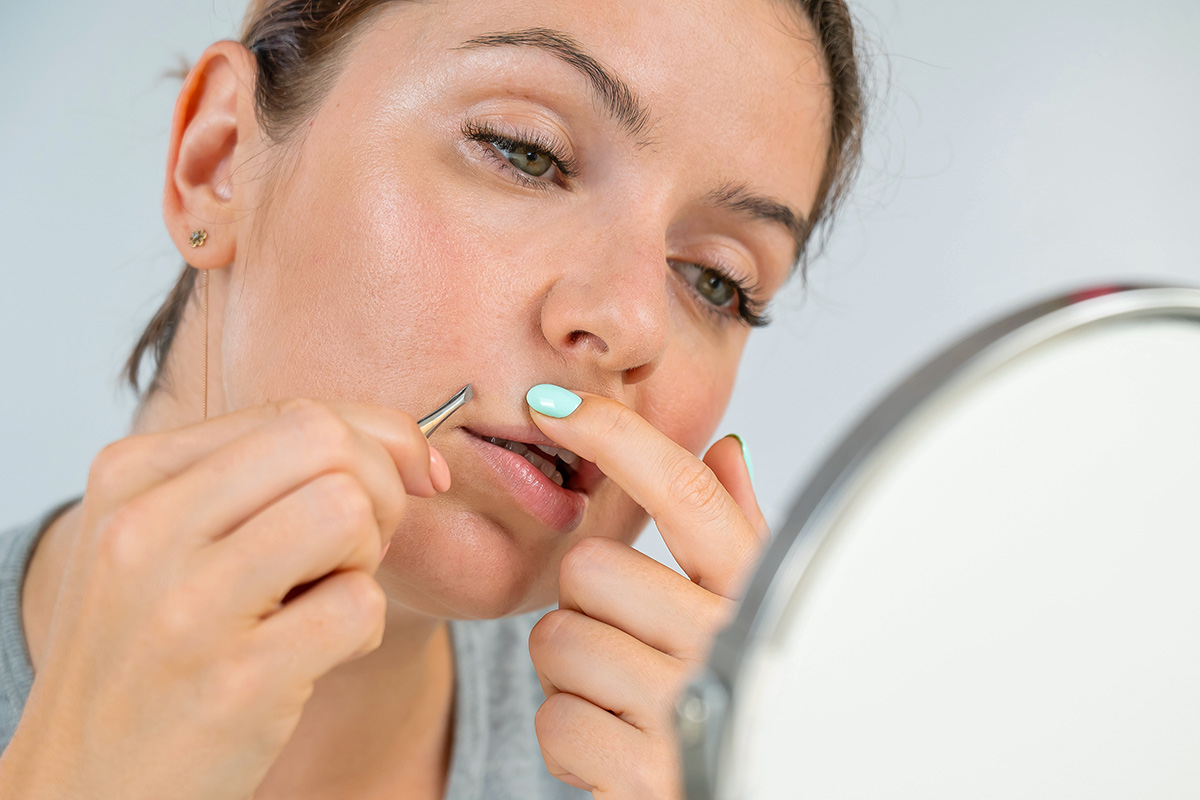
It’s a natural part of aging — unexpected chin hairs, thicker eyebrows, and even newly hairy ears. Many people notice changes in hair growth as they get older, especially in areas that were previously less hairy. Most studies on the effects of age on hair focus on loss rather than growth, but doctors and scientists generally agree on one key factor behind increased growth: hormones. Here’s what you need to know about why hair starts showing up in unexpected places as we age.
A Hairy Situation
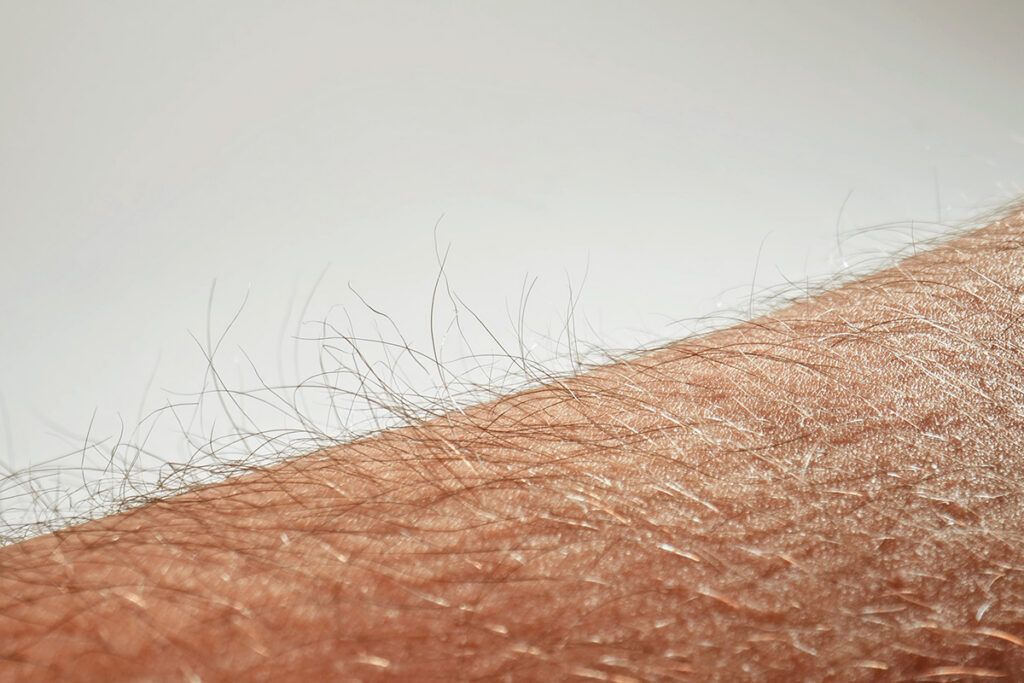
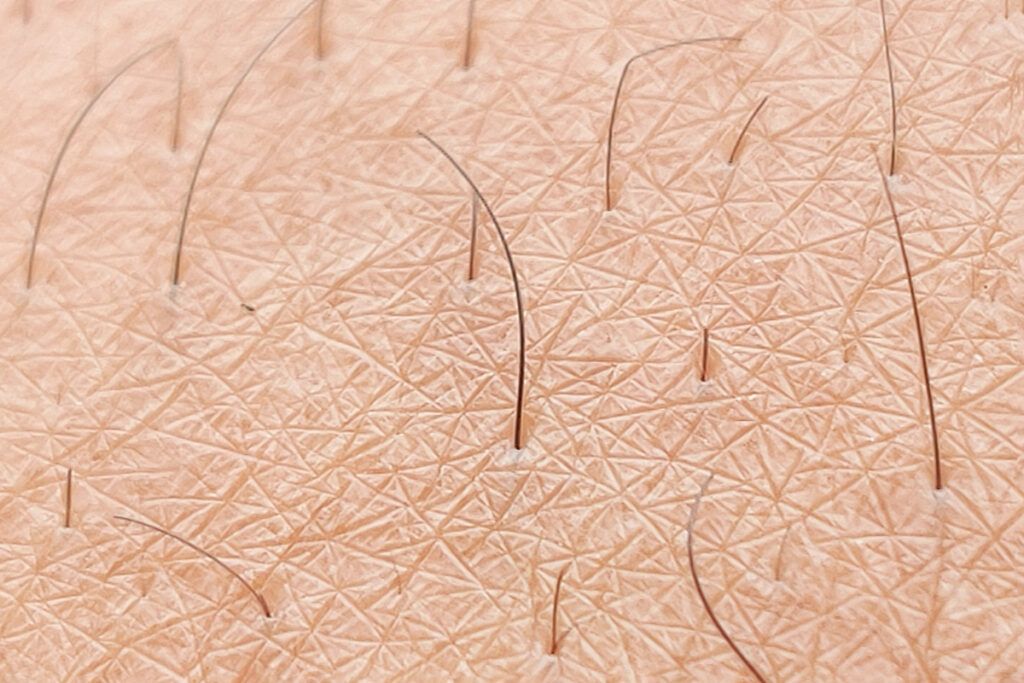
There are two types of hair on our bodies. Vellus hair (or “peach fuzz”) is fine and colorless and covers much of the body, but it isn’t very noticeable. Terminal hair, on the other hand, is stiff and pigmented, occurring on the scalp, under the arms, in the groin area, on the legs, on the face, and in the ears and nostrils. Terminal hair is also more prominent in men than in women. Hormones regulate the growth of both hair types throughout life, and as we age, those signals begin to change.
Testosterone: The Root Cause?
Terminal hair growth is controlled by hormones called androgens, and testosterone — present in all sexes — is the androgen that most affects it. With age, testosterone levels naturally decline, contributing to scalp thinning and hair loss.
Other areas of the body respond differently to hormonal changes — hair follicles are not all the same. Instead, they vary in their sensitivity to testosterone, which explains the paradox of aging hair: Scalp hair thins while other areas grow.
These differences in impact are due to receptors that bind androgens, which are distributed differently across your body. In areas like the brows, ears, and nostrils, hair follicles can become more sensitive to androgens over time, leading to increased growth in some older adults. This means that changes in hormone sensitivity as we age — not just hormonal increases or decreases — affect hair follicles. Notably, one area you probably don’t notice any changes in is the eyelashes, which are not impacted by androgens.
Changes in the Hair Growth Cycle
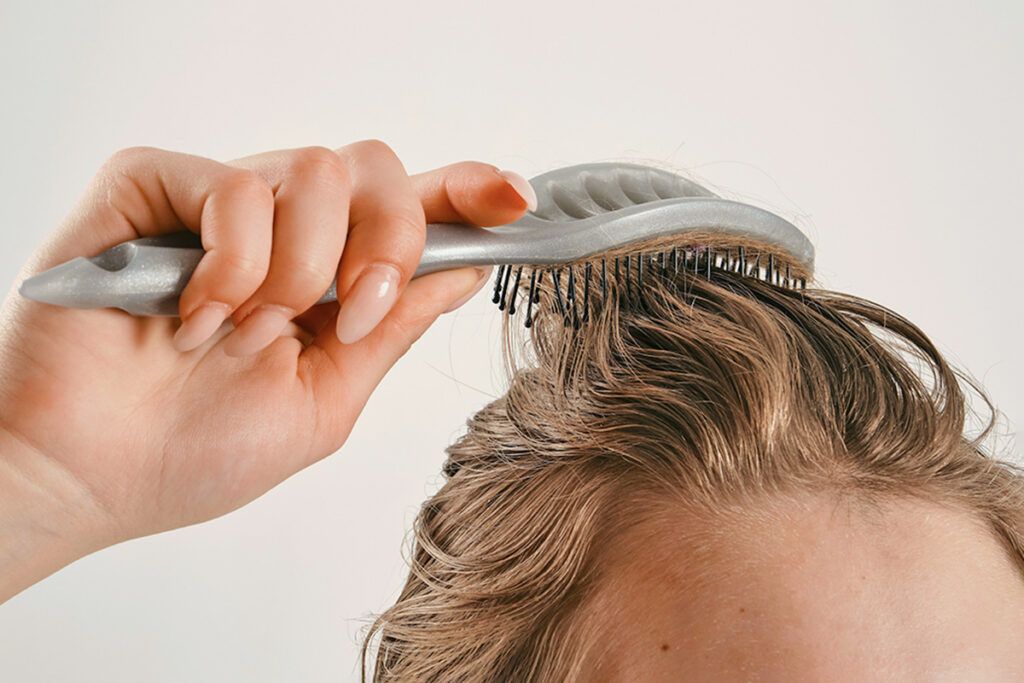
Not only do shifting hormones and sensitivities to them affect hair follicles, but hormones can also disrupt hair growth cycles. Each hair goes through phases of growth, rest, and shedding. With age, the growth phase can lengthen in certain areas of the body due to long-term exposure to testosterone, leading to hair growing longer than ever before.

Reader Favorites



In addition, long-term testosterone exposure may also cause fine vellus hairs to gradually convert into darker terminal hairs. This doesn’t mean that new hair follicles are forming. Instead, the vellus hairs become much more noticeable, creating the appearance of more hair when, in reality, it’s just coarser and darker.
What About Menopause?
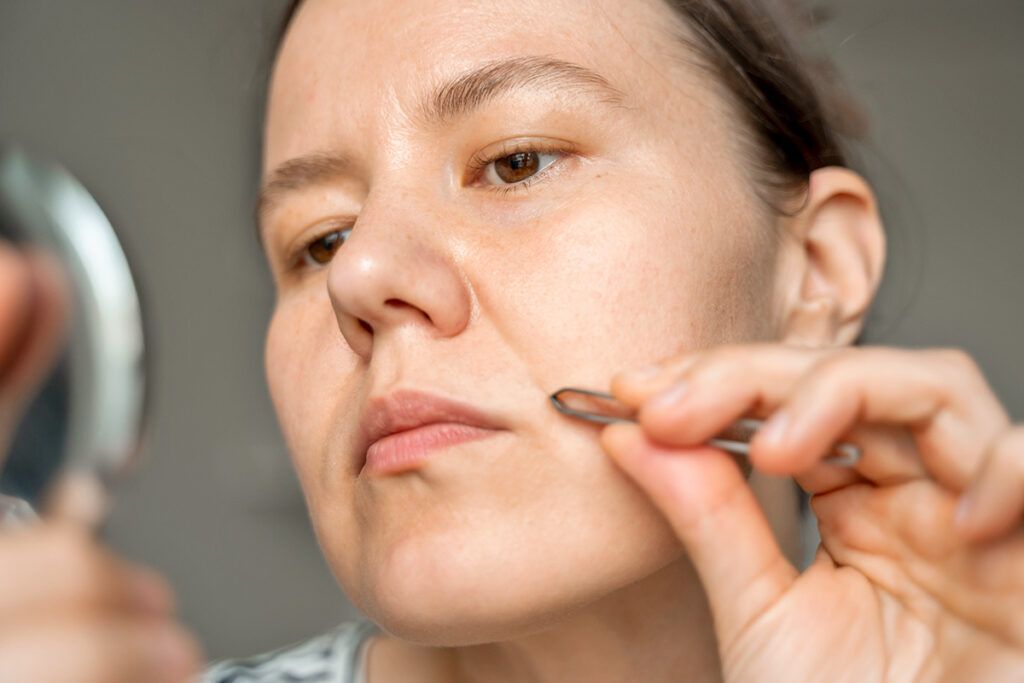
For women, changes in hair growth become more noticeable during and after menopause. As estrogen and progesterone levels decline, their balancing effect on androgens weakens. Even though testosterone levels may also decrease, the relative influence of the androgens becomes stronger.
This leads to changes in hair follicles and increased hair growth, especially on the face, chest, back, and abdomen. It may also cause vellus hairs in various areas of the body to become terminal hairs, making them more visible.
This Change Isn’t Universal
Not everyone experiences the same degree of hair growth or loss as they age. While hormones play a key role, hair patterns are partially genetic, impacting texture, color, and growth. Ethnicity can also influence how hair changes over time, particularly in terms of thickness, color, and distribution.
In most cases, increased hair growth — even in unexpected places — is completely normal. However, if hair appears suddenly, grows rapidly, or is accompanied by other symptoms, it may be worth discussing with a doctor.
Featured Image Credit: © Михаил Решетников/stock.adobe.com
More From Our Network
Better Report is part of Inbox Studio, an email-first media company. *Indicates a third-party property.