This Common Sleep Aid May Be Doing More Harm Than Good
Some people swear by white noise apps or noise machines to help them sleep soundly. Others doze to the quiet drone of a fan or prefer drifting off to the gentle sounds of rainfall or ocean waves. There’s plenty of anecdotal evidence suggesting that constant soft noise helps people fall asleep by masking disruptive sounds, like traffic or barking dogs, or by creating a restful environment.
But there’s surprisingly little scientific evidence supporting the idea that such sounds help sustain sleep — and some research has shown the noise may actually inhibit the deepest, most restful sleep cycles. Let’s look at the pros and cons of noise as a sleep aid.
The Art of Noise
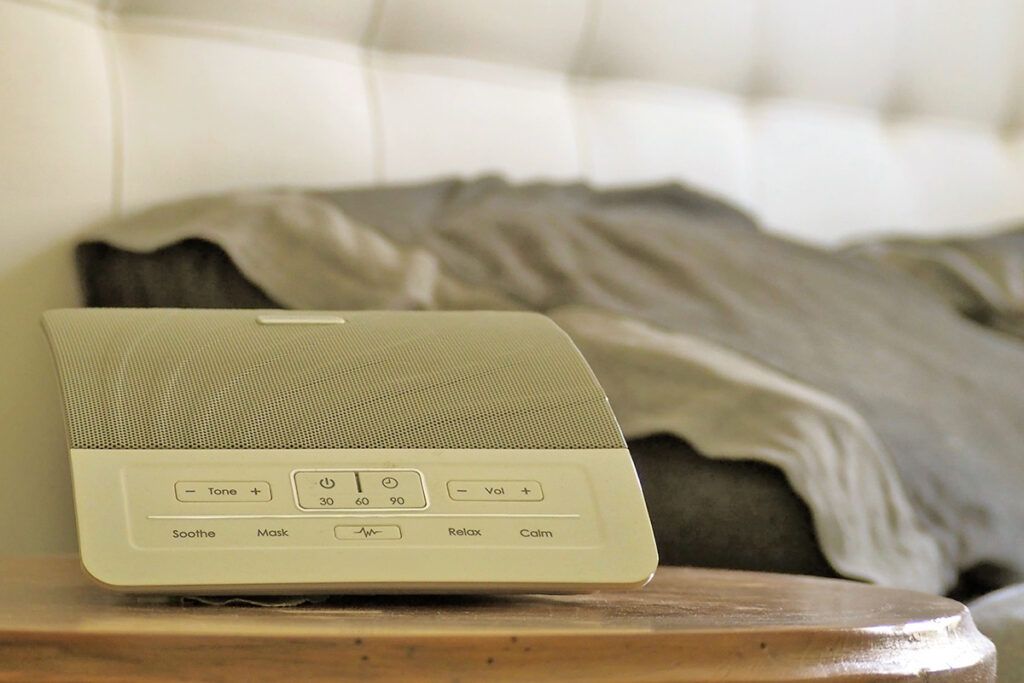
White and other colors of noise are collectively known as broadband noise because their sound is distributed across all of the frequencies (or bands) of audible sound. Each color of noise differs in its emphasis on high or low frequencies, with white, pink, and brown noise most often used in sleep apps.
White noise, often described as similar to TV or radio static, is sound played on all frequencies at equal intensity. It’s very good at masking more disruptive or intermittent sounds, like people talking in the next room, which is why you see white noise machines in a lot of therapist offices.
Pink noise is commonly recommended for sleeping because it has more power in the lower frequencies, resulting in a softer and less harsh version of white noise. It also masks annoying sounds but offers a more soothing feel, akin to rustling leaves or a gentle rainfall, than other colors.
Brown noise is pink noise with even more oomph in the lower frequencies, resulting in a constant quiet roar or rumble, similar to thunder or a big waterfall. It can mask sounds in the same low frequencies, such as air conditioners turning on or off, which may help sleepers in hotel rooms or apartment buildings where the HVAC system’s settings are out of their control.
Does Broadband Noise Help or Hurt Sleep?
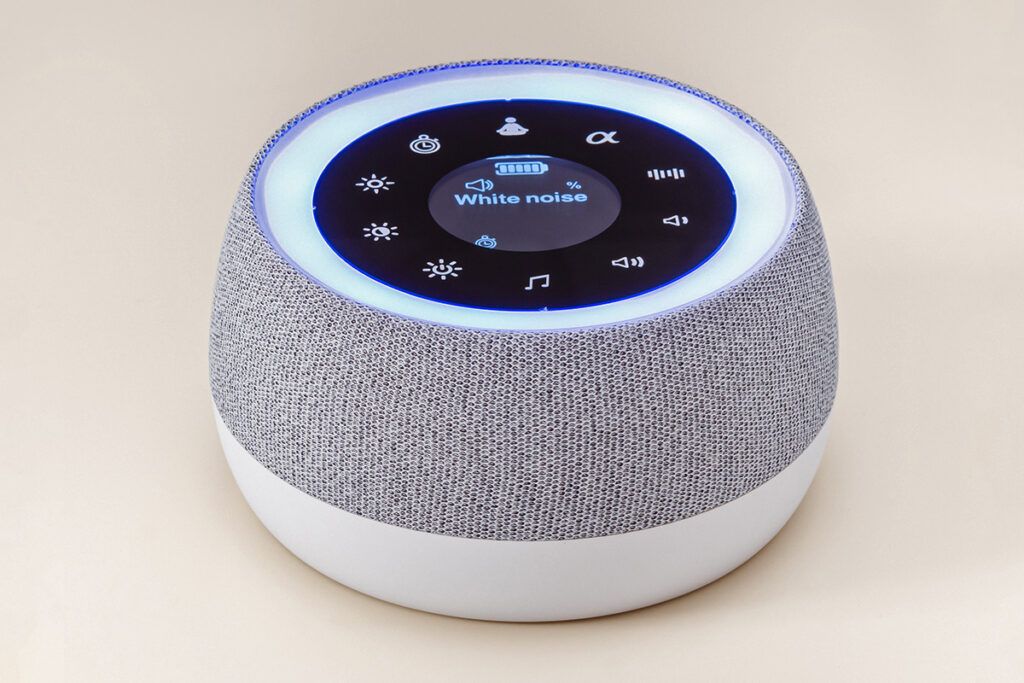
Noise apps or machines may help you fall asleep because they obscure other noises. There are few rigorous studies on the effects of broadband noise and sleep quality throughout the night, though.

Reader Favorites



In one 2017 study of 13 older people, researchers played pink noise during the deep phases of the participants’ sleep and then asked them to perform a memory test. The pink noise seemed to enhance deep sleep and memory storage compared to sleeping without it, at least under those particular laboratory conditions. But another study published in 2026 compared the effects of different combinations of airplane and traffic noise, pink noise, and noise-free sleep on 25 participants and found that pink noise inhibited the start of REM sleep stages. A 2021 systematic review of 38 studies on broadband noise and sleep concluded that there wasn’t a lot of strong evidence that such noise helps or hinders sleep.
One hypothesis for why broadband noise may disrupt sleep cycles is that listening to noise is an active process: You might be asleep, but your auditory system and brain aren’t. When these pathways are always on, they can’t rest and regenerate for the next time you’ll be awake.
More research is needed to settle the question of whether noise machines and apps help or hinder sleep, or whether they truly help maintain sleep by masking other, louder noises. But the authors of the 2026 study suggested earplugs as the most foolproof method for ensuring a quiet night of quality sleep. They block nearly all disruptive noise, whether it’s a loud TV or yappy dog, and allow your ears and brain to rest — along with the rest of you.
Featured Image Credit: © Pablo Merchán Montes/Unsplash.com
More From Our Network
Better Report is part of Inbox Studio, an email-first media company. *Indicates a third-party property.






Kat Long is a freelance science journalist in the Washington, D.C. area. Previously, she was the science editor at Mental Floss and a digital editor at National Geographic. She now writes the Arctic Archives newsletter on Substack. Kat spends her free time birdwatching, road-tripping to historical sites and perusing old manuscripts at libraries.
This article is for general informational purposes only.
Affiliate Disclaimer Medical Disclaimer Financial Disclaimer