Is It Safe To Eat Food That’s Dropped on the Floor?

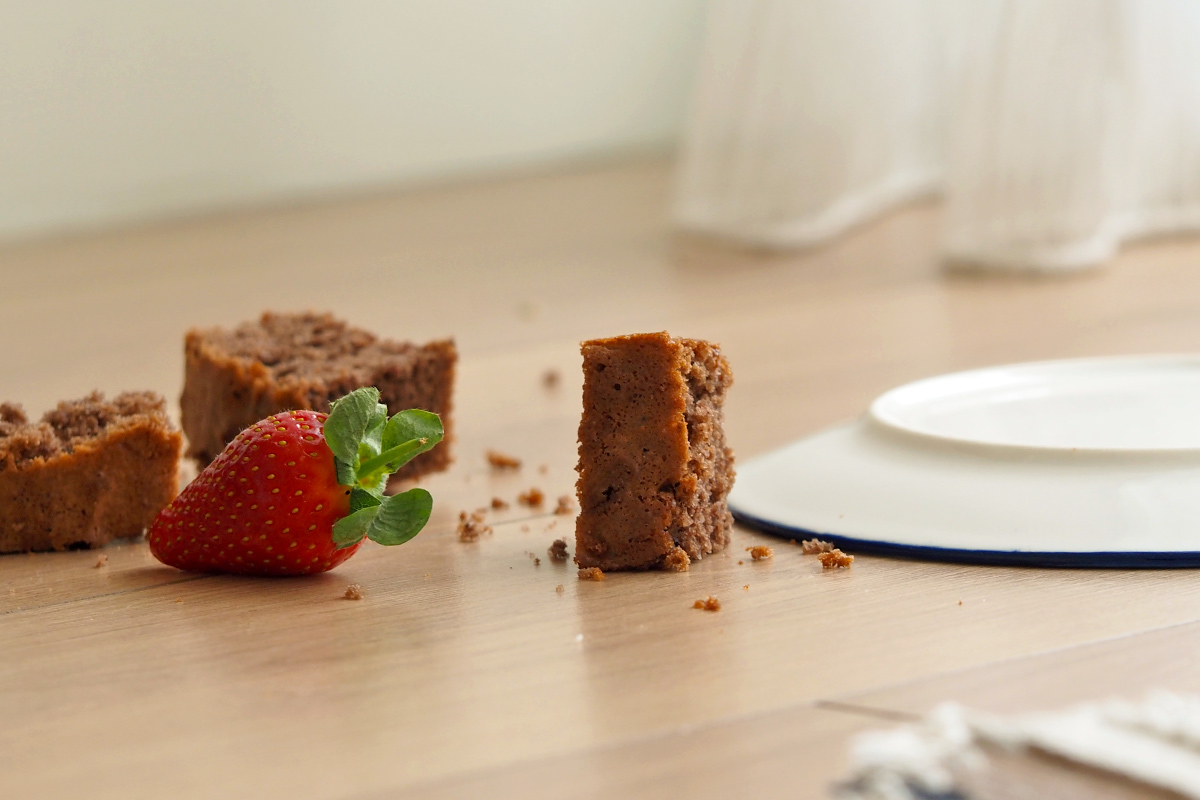
It happens to all of us: You’re chopping veggies for a salad or shoveling popcorn into your mouth while watching a movie, and a morsel of food ends up on the floor. Thoughts pass fleetingly through your mind: If you pick it up quickly, is it still OK to eat? Is the five-second rule a real thing? The answers to these questions may be more complicated than they seem.
Background on Bacteria
No matter how well you wash your hands or scrub your sink, you spread bacteria among any surfaces you touch. A 2012 study found that human skin was the main source of bacterial transfer across kitchen surfaces, and that infrequently cleaned areas like exhaust fans, refrigerator door seals, and floors had the highest diversity of bacteria.
At the same time, anything that touches a surface in your kitchen — including food — picks up bacteria. A Dorito doesn’t have to fall on the floor to acquire a few microbes; it could simply come into contact with the kitchen counter, which actually harbors more coliform bacteria per square inch than the floor, according to a 1998 study. Cutting boards, dish towels, and sponges can also bear bacteria and spread them among the surfaces they touch.
The important thing to remember is that most bacteria found in kitchens and food-prep areas are not harmful to your health. However, pathogens such as salmonella and E. coli, which are often brought into kitchens via contaminated meat or produce, can linger on improperly cleaned surfaces. If you drop a piece of food and it falls directly on disease-causing bacteria on the floor, you could, theoretically, get sick from eating that food — but chances of that happening are low, Paul Dawson, a food scientist at Clemson University, told Prevention.
Five-Second Rule Fiction?
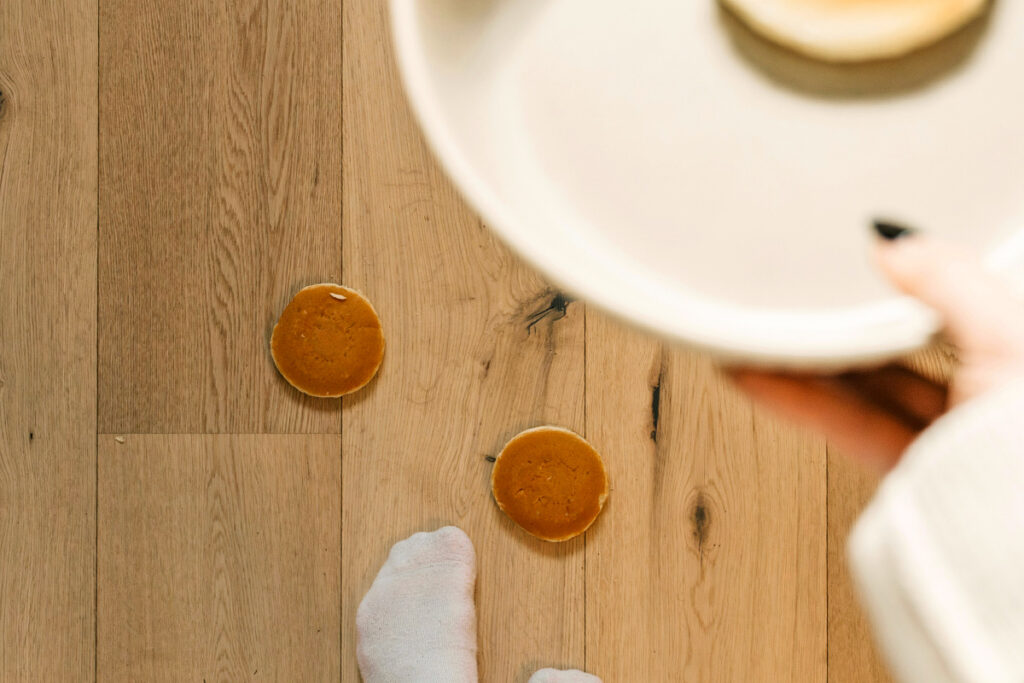
The apocryphal five-second rule suggests that food that’s dropped on the floor is safe to eat if it’s retrieved within five seconds, ostensibly because it doesn’t have time to acquire pathogens. Dawson led a frequently cited 2007 study that assessed whether the rule was scientifically sound by dropping sliced bread and bologna on tile, wood, and carpeted floors contaminated with salmonella and measuring the bacterial loads the foods picked up after various amounts of time.

Reader Favorites


Though the carpet-to-bologna pathway transferred less than 1% of bacteria, “over 99% of bacterial cells were transferred from the tile to the bologna” after five seconds. Overall, 48% to 70% of bacteria moved from wood or tile floors to the bread and bologna within seconds, disproving the basic idea that brevity of time prevents bacterial migration from floor to food.
Later studies have shown that the moisture content of the food, the floor material, and duration affect bacterial transfer. In general terms, the stickier or wetter the food is, and the longer it spends on the floor, the more bacteria it’s going to acquire, though carpet tends to transfer fewer bacteria than harder surfaces.
The Bottom Line
Food that’s been dropped on the floor is unlikely to make you sick. But if you decide to eat it, give it a thorough rinse. Anything you can’t wash should be thrown out.
Featured Image Credit: © Towfiqu Barbhuiya/stock.adobe.com
More From Our Network
Better Report is part of Inbox Studio, an email-first media company. *Indicates a third-party property.






Kat Long is a freelance science journalist in the Washington, D.C. area. Previously, she was the science editor at Mental Floss and a digital editor at National Geographic. She now writes the Arctic Archives newsletter on Substack. Kat spends her free time birdwatching, road-tripping to historical sites and perusing old manuscripts at libraries.
This article is for general informational purposes only.
Affiliate Disclaimer Medical Disclaimer Financial Disclaimer