Is It Safe To Eat Sprouted Potatoes?

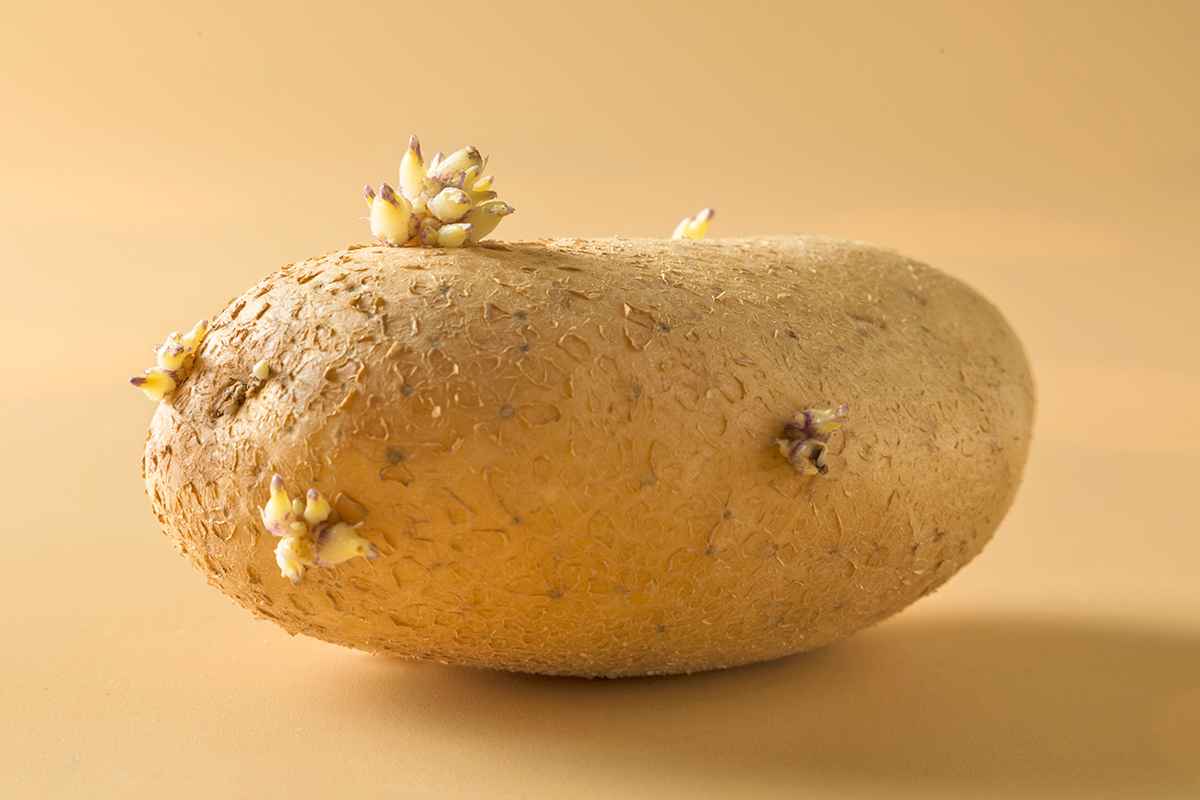
It’s a common scenario: You put a potato away in your pantry after a trip to the grocery store, only to discover a few days later that it’s started growing little shoots. But does that mean the entire potato belongs in the trash? The answer isn’t quite as straightforward as you might expect.
Sprouting is a natural part of a potato’s life cycle, but it can also be accompanied by an increase in compounds that can make you sick. Here’s what to know before deciding whether to cook that potato or toss it.
Why Do Potatoes Sprout?
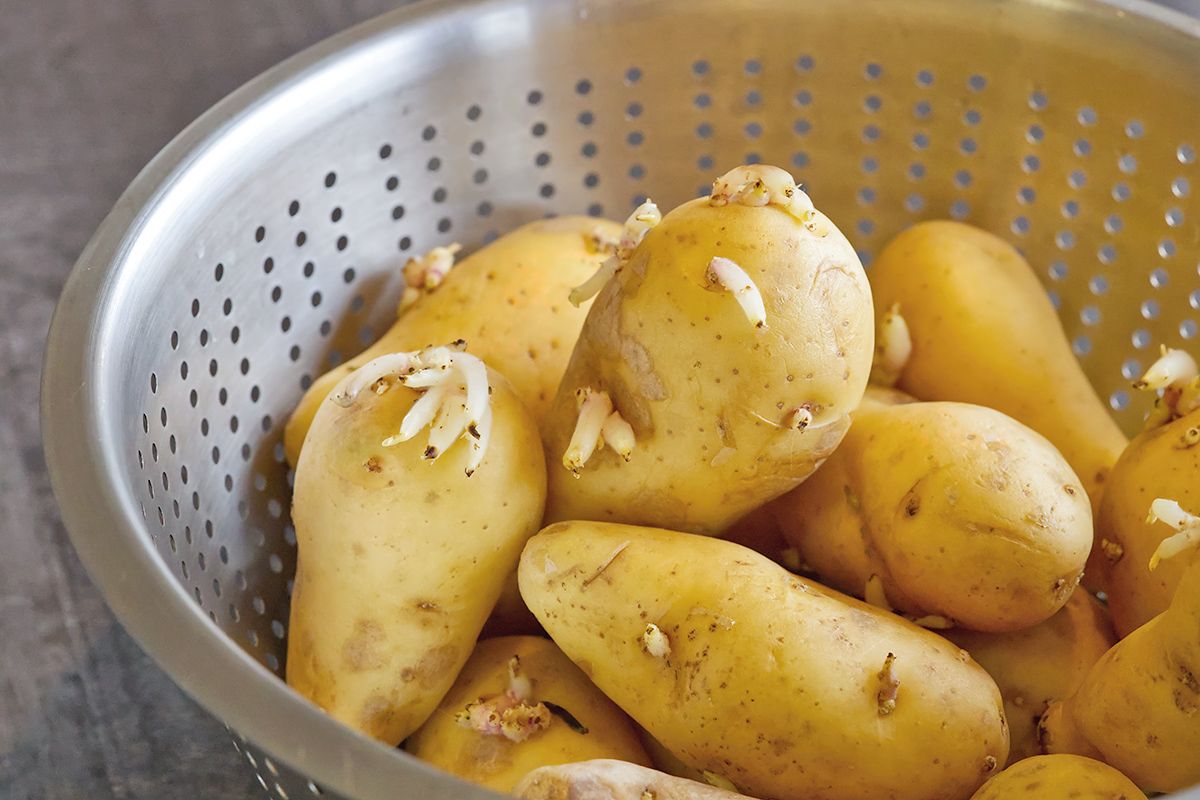
Sprouts grow from bumps on the potato (called “eyes”), and they’re actually the beginnings of new potato plants. Finding them doesn’t necessarily mean your potatoes have gone bad; it may simply mean they’ve been sitting long enough in the right conditions for the growing process to begin. Different potato varieties also have different dormancy periods, and some naturally begin sprouting sooner than others.

Reader Favorites



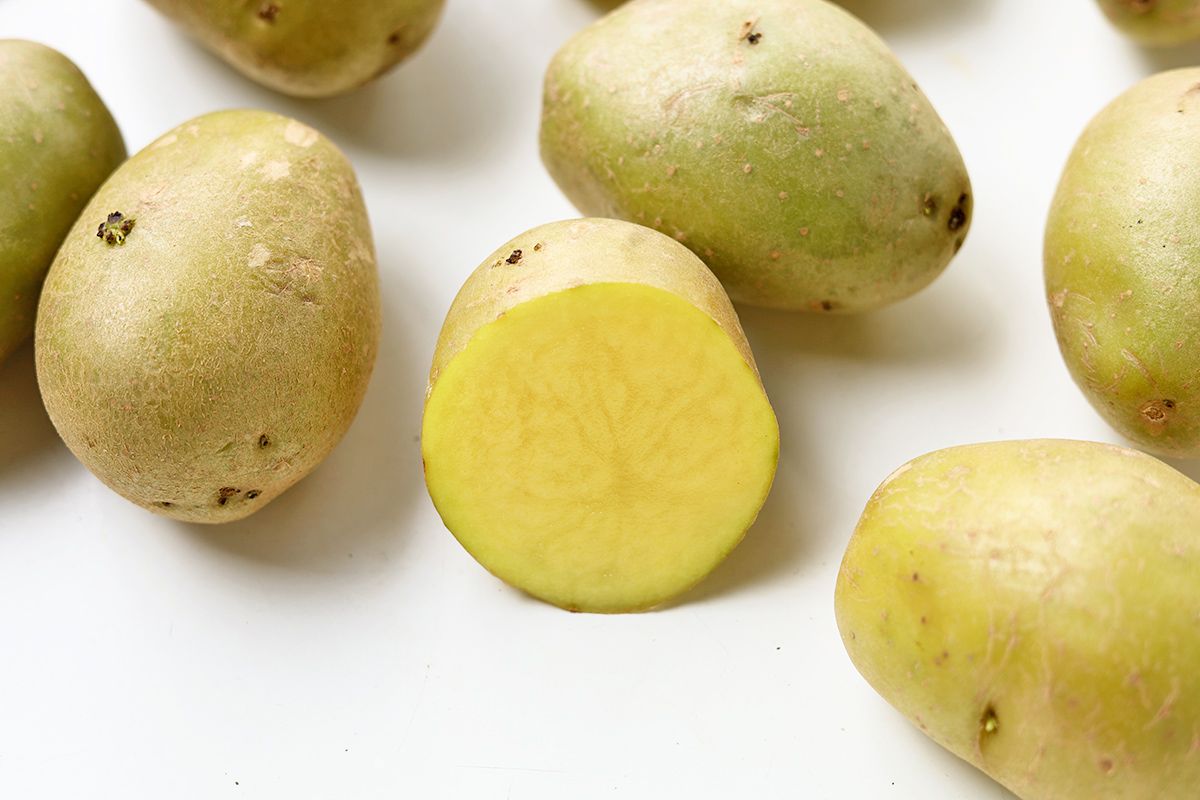
The concern about sprouted potatoes is due to the presence of glycoalkaloids, naturally occurring compounds that serve as a defense against pests and can be toxic in high amounts. According to Poison Control, they’re especially concentrated in the sprouts and can build up when potatoes are exposed to warmth or light — the latter of which can also turn the skin green by triggering chlorophyll production. While chlorophyll itself isn’t harmful, discoloration can also signal that glycoalkaloid levels have risen.
Consuming too many glycoalkaloids can cause vomiting, abdominal pain, and diarrhea, as well as headaches, confusion, flushing, and fever. Cooking doesn’t remove these compounds, so it won’t make a questionable potato safer. Peeling, on the other hand, can reduce glycoalkaloid levels.
So, Can You Eat a Sprouted Potato?
There’s no hard-and-fast rule for every sprouted spud. Ultimately, whether you can still eat one depends largely on its condition, and sources differ on how cautious you should be.
According to Food Network and Delish, a potato with a few small sprouts (under an inch long) may still be safe to eat as long as it’s firm, not green or shriveled, and the sprouts are completely removed. Poison Control, however, recommends tossing any potato that has turned green or started sprouting because of the risk of glycoalkaloid toxicity.
How To Keep Potatoes From Sprouting
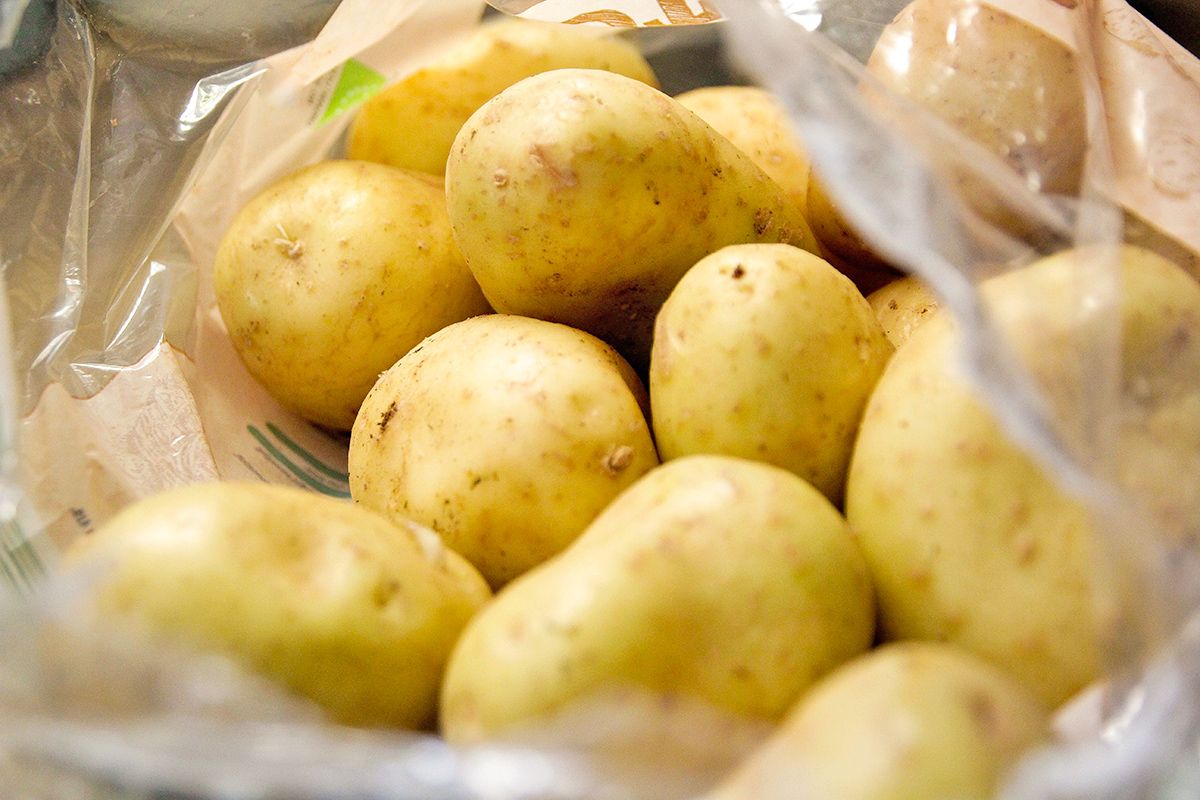
While potatoes will eventually sprout, proper storage can help slow the process. Poison Control recommends placing them in a container that allows airflow before storing them in a cool, dry, dark spot. Limiting light exposure is especially important since it can increase glycoalkaloid levels.
Potatoes should also be kept separate from onions. When they’re stored together, moisture and compounds they release can speed up sprouting and spoilage.
If you don’t have a suitable cool, dark spot for your potatoes, refrigeration is an option, though Martha Stewart recommends using refrigerated potatoes within 24 hours. (That’s because the fridge really isn’t the best place for them; the cold turns starches to sugar, affecting taste and texture.) Lastly, check your potatoes periodically and remove any that are rotting or badly deteriorated so they don’t affect the rest.
Featured Image Credit: © bsanchezsobrino—iStock/Getty Images
More From Our Network
Better Report is part of Inbox Studio, an email-first media company. *Indicates a third-party property.







Lauren Dana Ellman is a New York–based writer and editor specializing in lifestyle, travel, food, and shopping. A graduate of Syracuse University’s SI Newhouse School of Public Communications, she covers everything from destinations and hotels to fun product finds and personal essays. Her work has been featured in Condé Nast Traveler, AARP, Travel + Leisure, Time Out, The Knot, and more lifestyle-oriented publications.
This article is for general informational purposes only.
Affiliate Disclaimer Medical Disclaimer Financial Disclaimer