7 Things a Chef Never Orders at a Restaurant
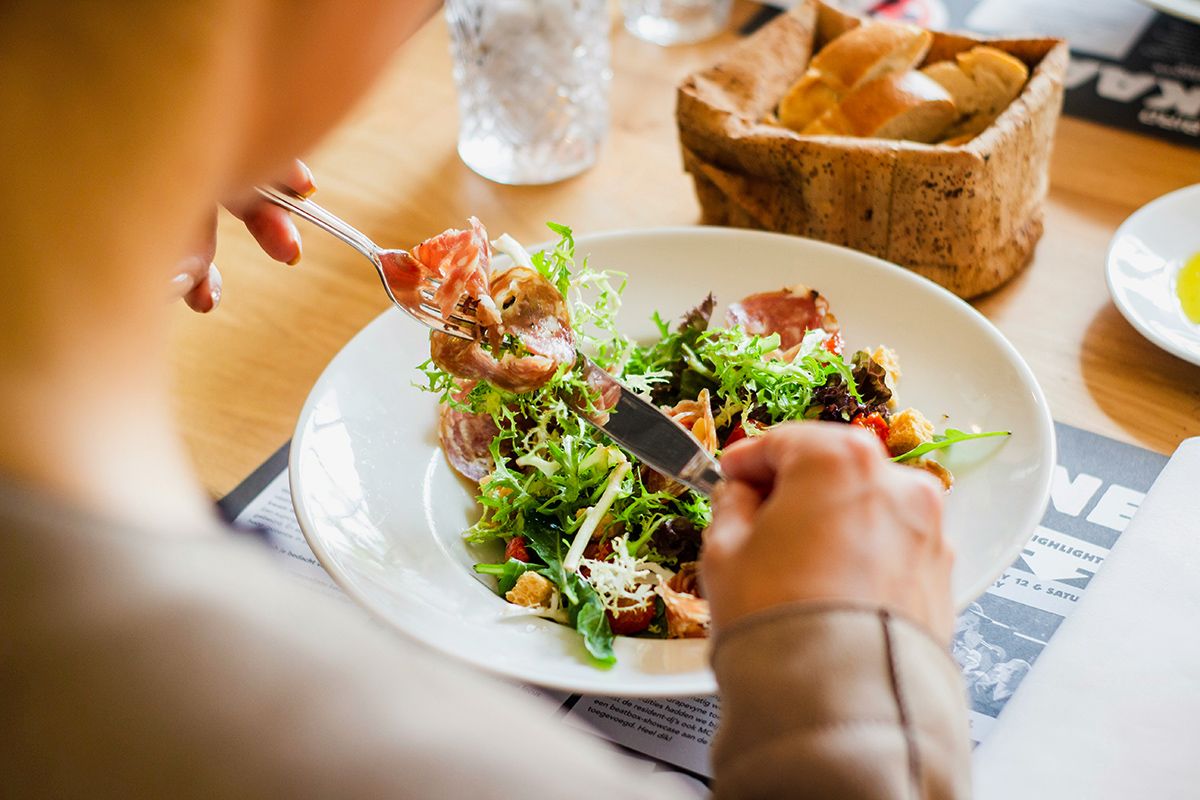

One question I get asked a lot, as a trained chef and former food safety instructor, is how to know which things to order at a restaurant and which to avoid. But a lot of the time, the honest answer is “it depends,” based on whether I think the restaurant can do it right.
So here’s my personal list of seven items I’ll usually avoid when I’m eating out, why they’ll help you find the best food, and how avoiding them could possibly help reduce your risk of foodborne illness.
Shellfish
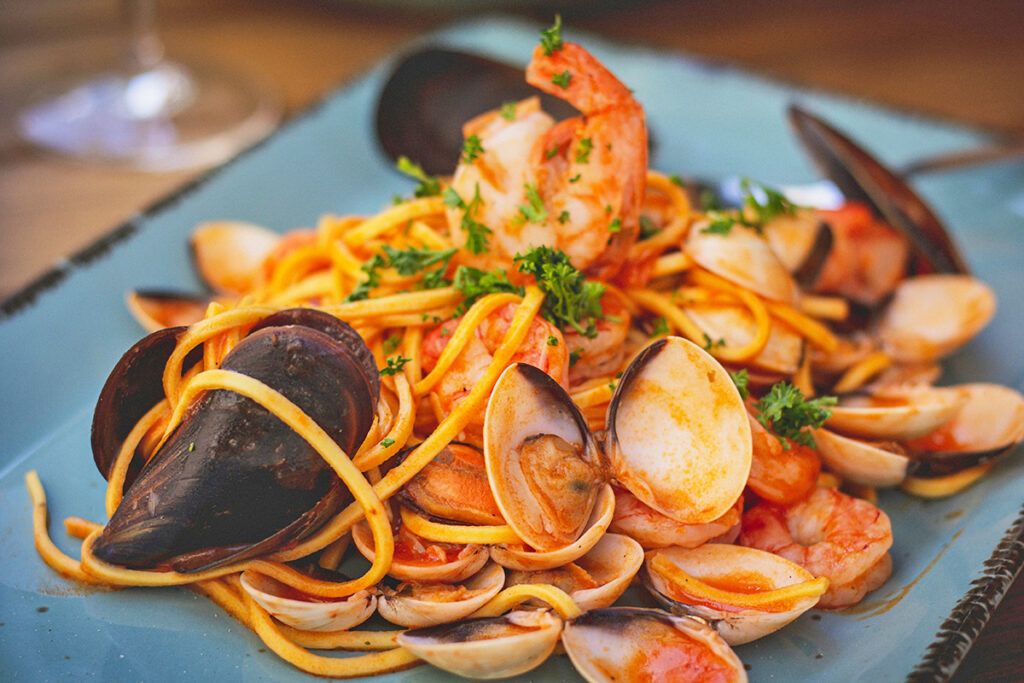
A lot of chefs are choosy about seafood in general, but I’m pickiest about shellfish. That’s because they’re about the most perishable thing a restaurant can stock — they’re at their peak for just a day (and sometimes less).
Consider mussels. They’re tasty and relatively inexpensive, and I’ve gathered them myself from rocky shorelines for a tasty meal. But just one bad mussel can make you pretty ill, so I avoid ordering them unless I’m really confident in the restaurant and the chef. Raw oysters are also especially problematic, because they can carry a range of dangerous pathogens, including norovirus, salmonella, hepatitis A, and Vibrio vulnificus.
I’ll make an exception if shellfish is what the restaurant is famous for. A place that cranks out thousands of oysters a day has plenty of expertise in handling them, not to mention excellent relationships with its suppliers. If you’re going to eat shellfish, that’s the kind of restaurant you want to choose.

Reader Favorites



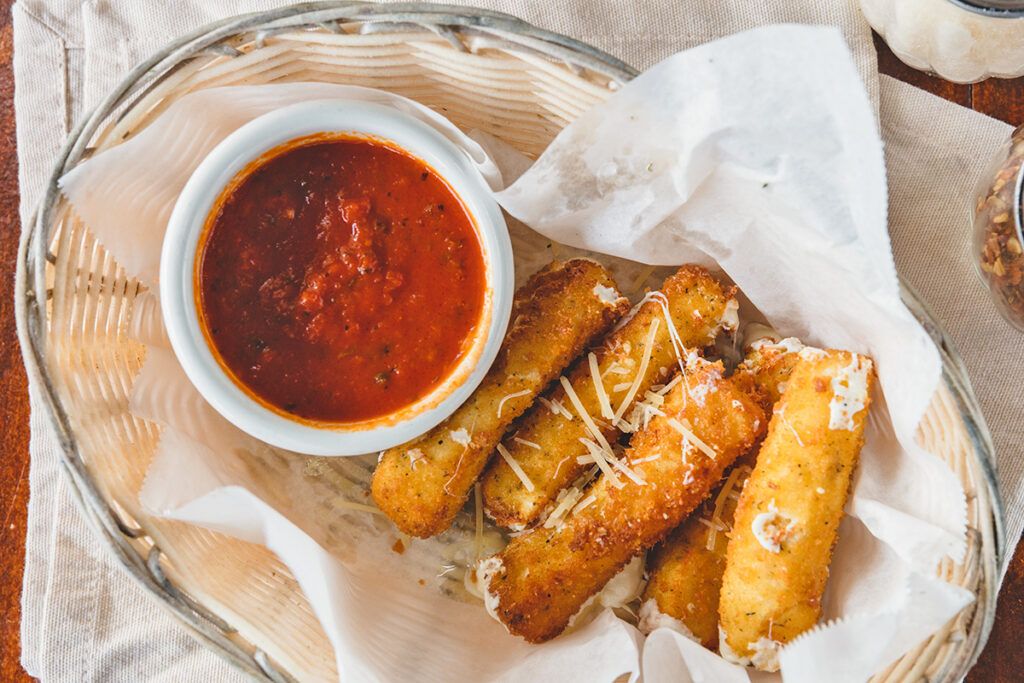
Things I Know They Didn’t Make
The freezer section of your supermarket is filled with take-home versions of your favorite restaurant nibbles, from french fries and onion rings to mozzarella sticks, precooked chicken wings, and potato skins. But here’s the thing: Those nibbles you’re eating at the restaurant probably also come from a freezer.
It’s not especially labor-intensive to make mozzarella sticks or onion rings from scratch, but it does take time, fresh ingredients, and at least a basic level of skill. Those are all things that have a cost and can interrupt the flow of a high-volume fast-food or fast-casual restaurant. That means, in practice, that the big chains (and independent restaurants with six-page “something for everyone” menus) usually buy those things ready-made from big wholesalers like Sysco or Gordon Food Service. So why pay a big markup to buy reheated frozen food from someone else?
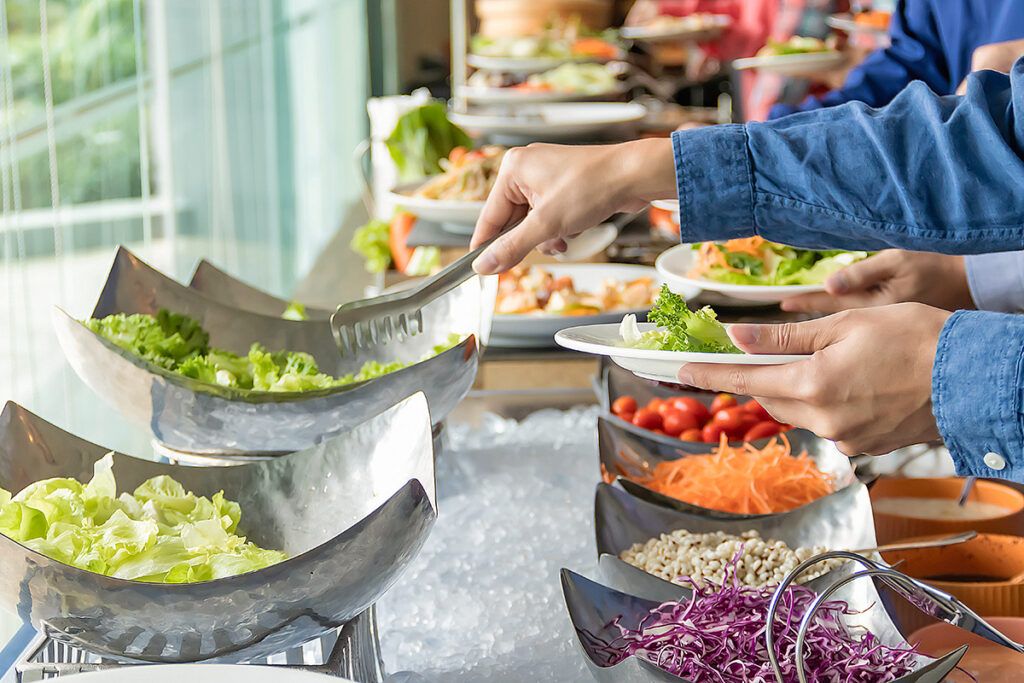
Salads
I avoid ordering things that may be substandard, give poor value for my dollar, or may not be food-safe — and salads unfortunately tick all three boxes.
First, they can be a dumping ground for vegetables or toppings that are getting old and tired (especially if they’re being offered as a daily special), and their dressings are often bought in bulk rather than house-made. Second, they tend to be a high-profit menu item for restaurants, which by definition means they don’t offer me good value for what I spend.
Finally, there are several ways that salads may not be completely food-safe. Some toppings, like chicken, fish, and egg or tuna salad, are risky if they’re approaching the end of their storage life. There’s also the risk of a pathogen in the vegetables used (see the recent cyclosporiasis outbreak, which as of writing has been linked to iceberg lettuce). And that goes double for the salad bar, where countless hands have touched the utensils and food, and countless mouths have breathed on everything. None for me, thanks! When I’m in the mood for fresh food built around quality produce, I’ll make it at home.
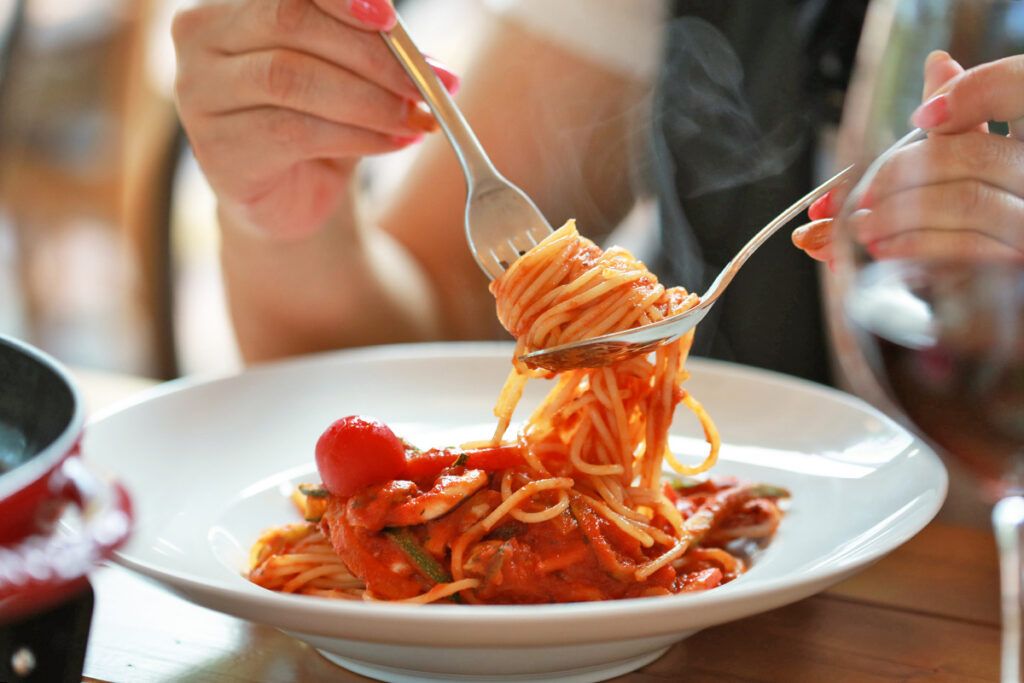
Pasta Dishes
Don’t get me wrong: There are some truly excellent pasta-centric restaurants out there. I’ve eaten in places where line cooks cranked out sheets of fresh-made pasta in full view of diners, and I made and served fresh pasta at one of my own restaurants. In establishments like that, the pasta dishes can be some of the best food you’ve ever eaten.
At big chains or everyday restaurants, though, pasta is usually there as high-margin “filler” for the menu — a way to offset lower margins on other, higher-cost meals. The sauces, too, are very often bought premade from a wholesaler. Chains may have a central commissary making sauces from scratch and shipping them to individual locations, which is sometimes (but not necessarily) better. So, save your money and eat pasta at home, unless there’s a really great pasta restaurant nearby.
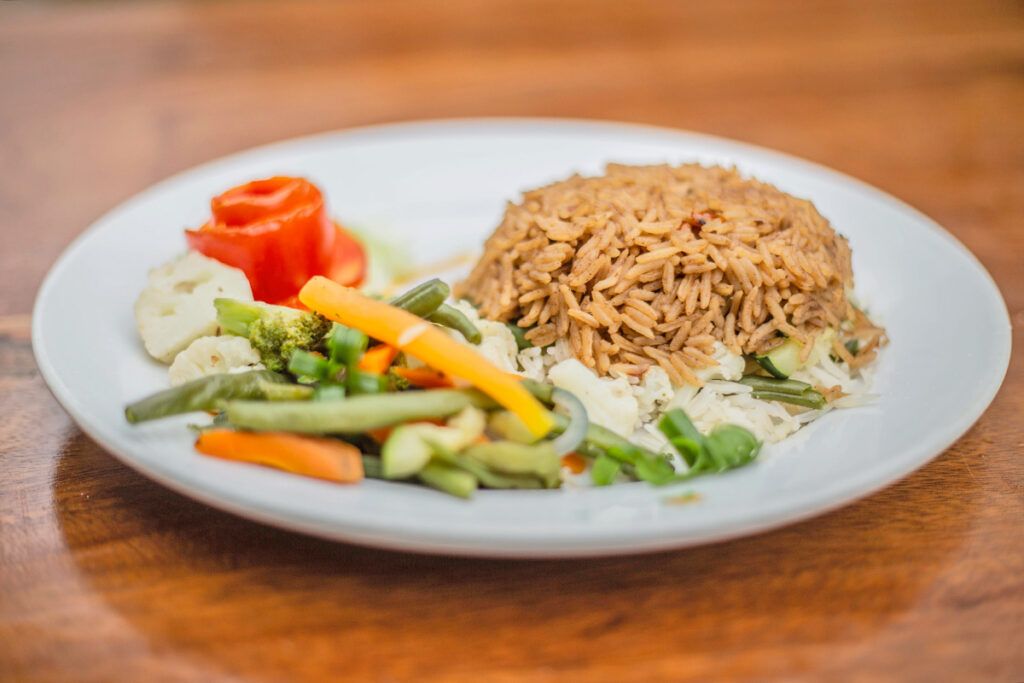
The Low-Effort “Vegetarian Option” at a Nonvegetarian Restaurant
Although I’m an omnivore, I’ll periodically eat a vegetarian menu item just because I’m in the mood for something light and tasty. But — as most vegetarians and vegans know too well — a surprising number of restaurants don’t have any actual vegetarian meals on their menu, even when they’d be easy to implement. A vegetarian choice at restaurants like that will amount to a pasta dish or a handful of vegetable sides thrown on a plate with potato or a scoop of rice.
If I ask someone to dinner and that’s what they get, how good a friend am I? It’s not worth ordering, and they shouldn’t have to resign themselves to it. So, when you’re including a vegetarian friend or co-worker in your group, find a restaurant that has at least a few vegetarian or vegan options on the standard menu. And when in doubt, ask your vegetarian friends for recommendations! Restaurants centered around a cuisine with plenty of excellent vegetarian options, like Indian and Mediterranean food, are good choices as well.
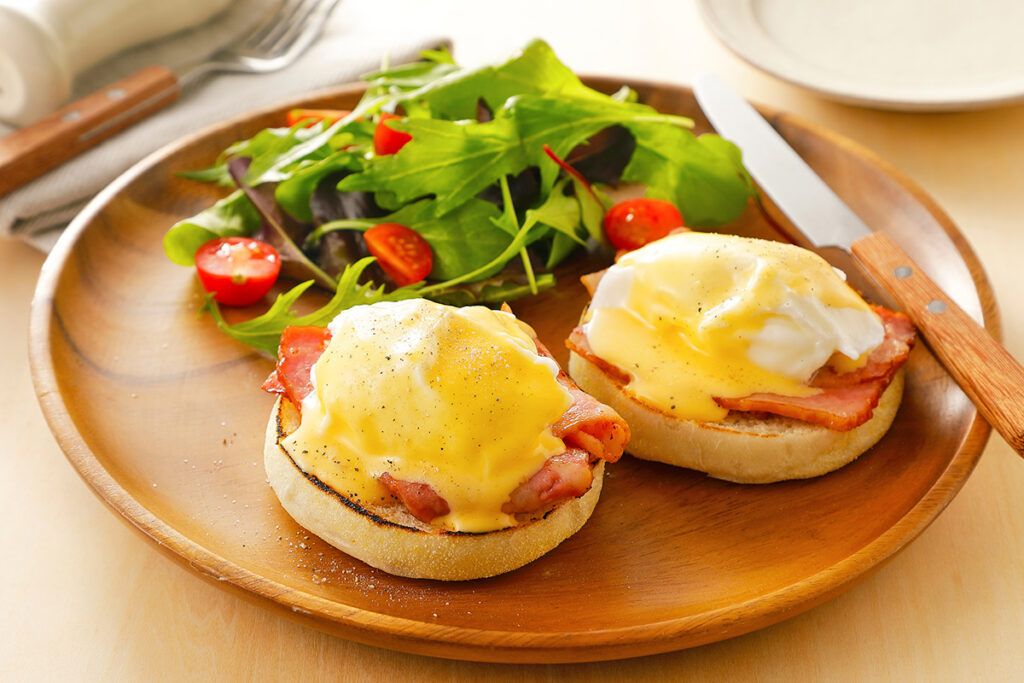
Anything With Hollandaise
When it’s made properly, hollandaise sauce is really good stuff. The canonical version requires just three ingredients: a small amount of lemon juice or good vinegar combined with egg yolks, and butter whisked in slowly over heat to make a thick, rich sauce.
There are two kinds of hollandaise sauce you’ll find at restaurants, and they’re both problematic for different reasons. The classic version can be a breeding ground for bacteria if the egg yolks don’t reach a high-enough temperature. It’s also temperamental for the cooks, because you can’t reliably hold it on a steam table without risk of it separating. As a result, it needs to be made frequently in small batches, which requires skill and labor — and that means you’ll usually find it only at higher-priced restaurants.
The other kind of hollandaise is made from a mix, which typically combines a lot of starches with artificial flavors and colorings to make it look and taste kinda-sorta like the made-from-scratch hollandaise. It’s a lot cheaper, and it’ll hold just as well as gravy from a mix (because it’s basically the same thing). This is what you’ll find at most brunch places serving eggs Benedict, for example. It’s … fine, if you’ve never tasted the real thing. And in fairness, it’s not all bad: Unlike real hollandaise, which is high in both fat and saturated fat, mixes can be fat-free (good), but also usually high in sodium (bad). I don’t personally like eating a mix, and definitely won’t pay a premium to eat it at a restaurant.
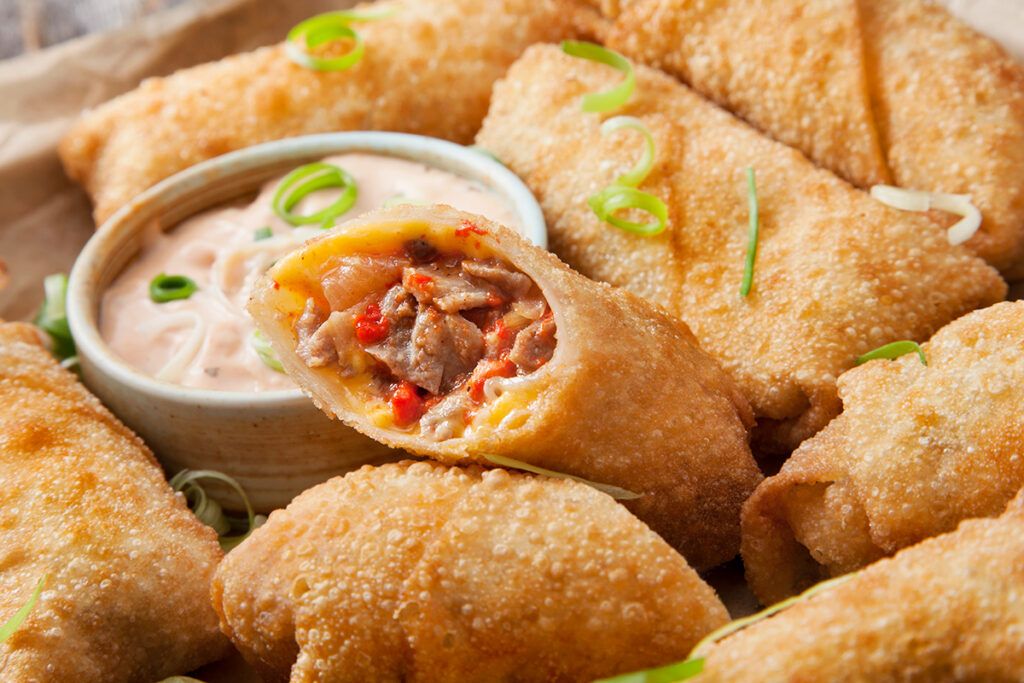
Ill-Considered Mashups, Deconstructions, and Fusion Food
In some ways there’s never been a better time for adventurous eaters than right now. Almost any ingredient we might want is available year-round in supermarkets or online. All of the world’s cuisines are at our fingertips too, not just on TV and social media but in brick-and-mortar restaurants.
Innovative chefs love playing with this bounty and coming up with new ways to put things together. That’s a good thing, when it’s done well: For example, French Algerian chef Farid Zadi drew on the historic culinary connections between North Africa and Mexico (via Spain) to open a restaurant serving North African-inspired tacos in Los Angeles. But mashups and fusion food don’t always draw on the same kind of logical parallels, and they can often be random and off-putting (think cheeseburger wontons or borscht meets pho). So can deconstructed versions of familiar dishes, which pull apart a meal’s components and treat them in unconventional ways.
When these oddball riffs on a familiar food work, they can be great — remember Cronut mania? But you need to understand the classic dishes before you pick them apart, and not all chefs have that understanding or an intuitive grasp of how flavors and textures should play together. So this is very subjective, but if it strikes you as a weird or repellent combination, don’t be shy to ask what the reasoning is. If the chef and servers can’t give you a persuasive answer, order something else.
Featured Image Credit: © Louis Hansel/Unsplash.com
More From Our Network
Better Report is part of Inbox Studio, an email-first media company. *Indicates a third-party property.






Fred Decker is a trained chef and former restaurateur. Since closing his restaurants over a decade ago he has been a prolific freelance writer, publishing several thousand articles on dozens of high-volume websites including Taste Of Home, Hunker, Tasting Table, Week&, eHow, and GOBankingRates. He lives on a rural acreage shared with a big garden, chickens, rabbits, and grandkids.
This article is for general informational purposes only.
Affiliate Disclaimer Medical Disclaimer Financial Disclaimer