Is the Traditional Mediterranean Diet Actually the Best for Your Brain?


Two hundred years ago, French epicure Jean Anthelme Brillat-Savarin coined the phrase “tell me what you eat; I will tell you what you are” — later paraphrased as “you are what you eat.” Science continues to reveal elements of truth in the saying, especially when it comes to dietary recommendations for optimal brain health.
Research has shown the benefits of following a Mediterranean diet to maintain cognitive and cardiovascular health, but a new study suggests that another eating plan, different from the traditional Mediterranean diet in key ways, may be more beneficial for your brain.
DASH, MIND, and More
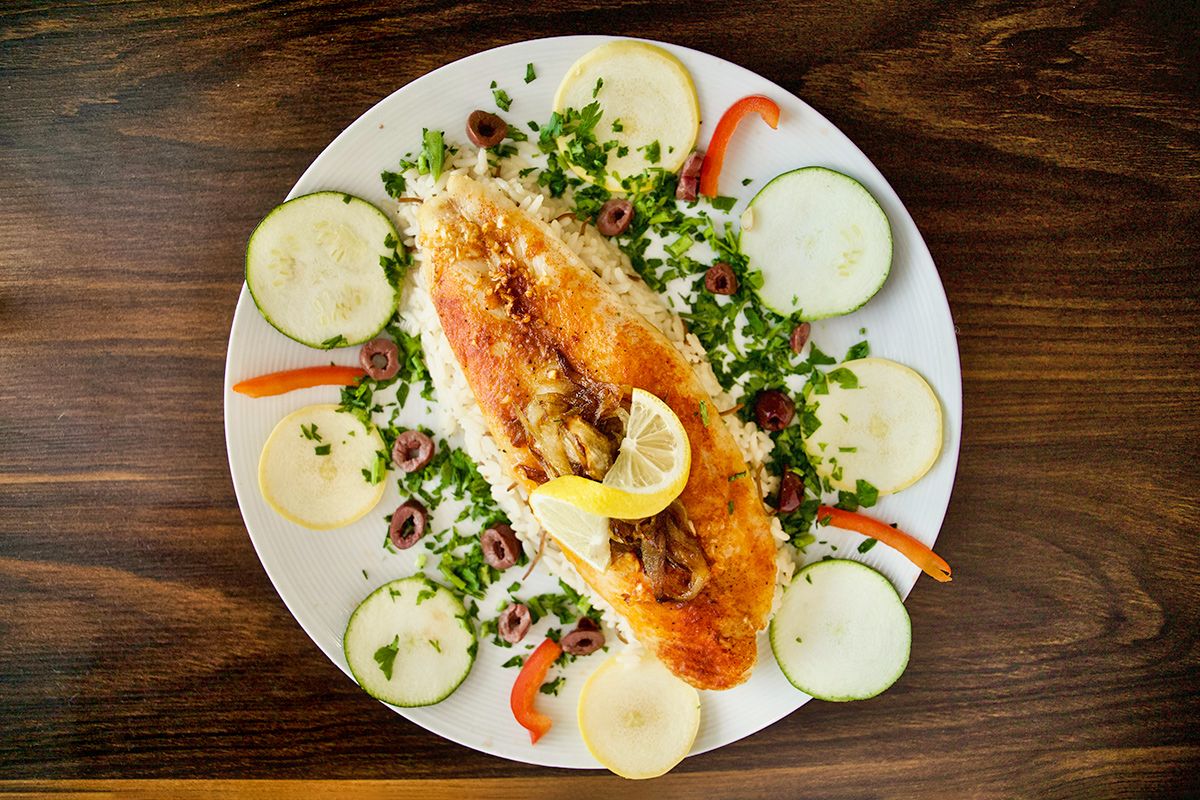
The term “Mediterranean diet” refers to the traditional eating patterns of southern Europe. As a healthy eating plan, the diet emphasizes fresh fruits and vegetables, whole grains, fish, legumes, nuts, and extra-virgin olive oil, with a few servings of poultry, low-fat dairy products, and eggs per week. The diet allows wine with meals but recommends avoiding red meat, butter, and sugar.
Nutrition experts have adapted this basic eating plan for specific health benefits. One example is Dietary Approaches to Stop Hypertension (DASH), designed by the National Heart, Lung, and Blood Institute, which generally follows the Mediterranean diet but also recommends limiting sodium and saturated fats to prevent high blood pressure and other cardiovascular diseases. (So, for example, halloumi is OK in moderation in the Mediterranean diet, but the cheese would not be part of a DASH diet because it’s high in both sodium and saturated fat.)

Reader Favorites



Another well-known plan, Mediterranean-DASH Diet Intervention for Neurodegenerative Delay (MIND), is based on research from the Rush University Medical Center and the Harvard T.H. Chan School of Public Health. It targets brain health with mostly plant-based foods and specifies eating whole grains, leafy and non-leafy vegetables, nuts, beans, and berries, with fewer servings of meat, fish, dairy, and sweets to limit saturated and trans fat consumption. The decision to drink alcohol in moderation is up to the individual.

Best of Six
The new study, published in JAMA Neurology, analyzed DASH and five other primarily plant-based diets to assess their associations with cognitive function.
Researchers examined diet and cognitive data for 159,347 adults collected as part of three long-term studies in the U.S. They gave each participant a score indicating how well they stuck to any of six dietary patterns: the Alternate Healthy Eating Index 2010 (AHEI-2010), DASH, the Healthful Plant-Based Diet Index (hPDI), the Planetary Health Diet Index (PHDI), and the reversed empirical dietary indices for hyperinsulinemia (rEDIH) and inflammatory pattern (rEDIP). Participants also answered a questionnaire about their perceived cognitive health and had their cognitive function measured in phone interviews.
While all six eating patterns were associated with a lower risk of cognitive decline, the DASH diet demonstrated the strongest link to participants’ perception of their cognitive health. Higher adherence to the DASH plan also had the strongest association to higher cognitive function.
| Ranking | Diet Pattern | Risk Ratio Associated With Subjective Cognitive Decline |
| 1 | DASH | 0.59 |
| 2 | hPDI | 0.76 |
| 3 | rEDIH | 0.76 |
| 4 | PHDI | 0.80 |
| 5 | AHEI-2010 | 0.84 |
| 6 | rEDIP | 0.89 |
“One reason the DASH diet may support cognitive function is its focus on lowering blood pressure, in part by reducing sodium intake,” says Heather M. Snyder, Ph.D., senior vice president of medical and scientific relations at the Alzheimer’s Association, who was not involved in the study. “The diet is also associated with lower levels of inflammation, which plays a significant role in cognitive impairment.”

Mind-ful Eating
While more research is needed to understand the exact connections between diet, nutrition, and an individual’s risk of developing dementia, Snyder says multiple studies have linked better nutrition and Mediterranean-style diets to lower risks of heart disease and Type 2 diabetes, conditions that also increase the risk of cognitive decline and possible dementia.
“Eating a balanced, nutritious diet that includes the necessary nutrients for overall health is one of the best steps we can take for our brain health,” Snyder says, “whether or not we have a greater risk of cognitive decline or dementia due to family history or other risk factors.”
If you feel like your diet could use improvement and aren’t sure where to start, Snyder suggests making small changes and building on them, adding, “It’s never too early or too late to make healthy habit changes to help you live better now and protect your memory and thinking as you get older.”
Featured Image Credit: © Mariia Vitkovska—iStock/Getty Images
More From Our Network
Better Report is part of Inbox Studio, an email-first media company. *Indicates a third-party property.







Kat Long is a freelance science journalist in the Washington, D.C. area. Previously, she was the science editor at Mental Floss and a digital editor at National Geographic. She now writes the Arctic Archives newsletter on Substack. Kat spends her free time birdwatching, road-tripping to historical sites and perusing old manuscripts at libraries.
This article is for general informational purposes only.
Affiliate Disclaimer Medical Disclaimer Financial Disclaimer