Is It Actually Better To Lease a Car?

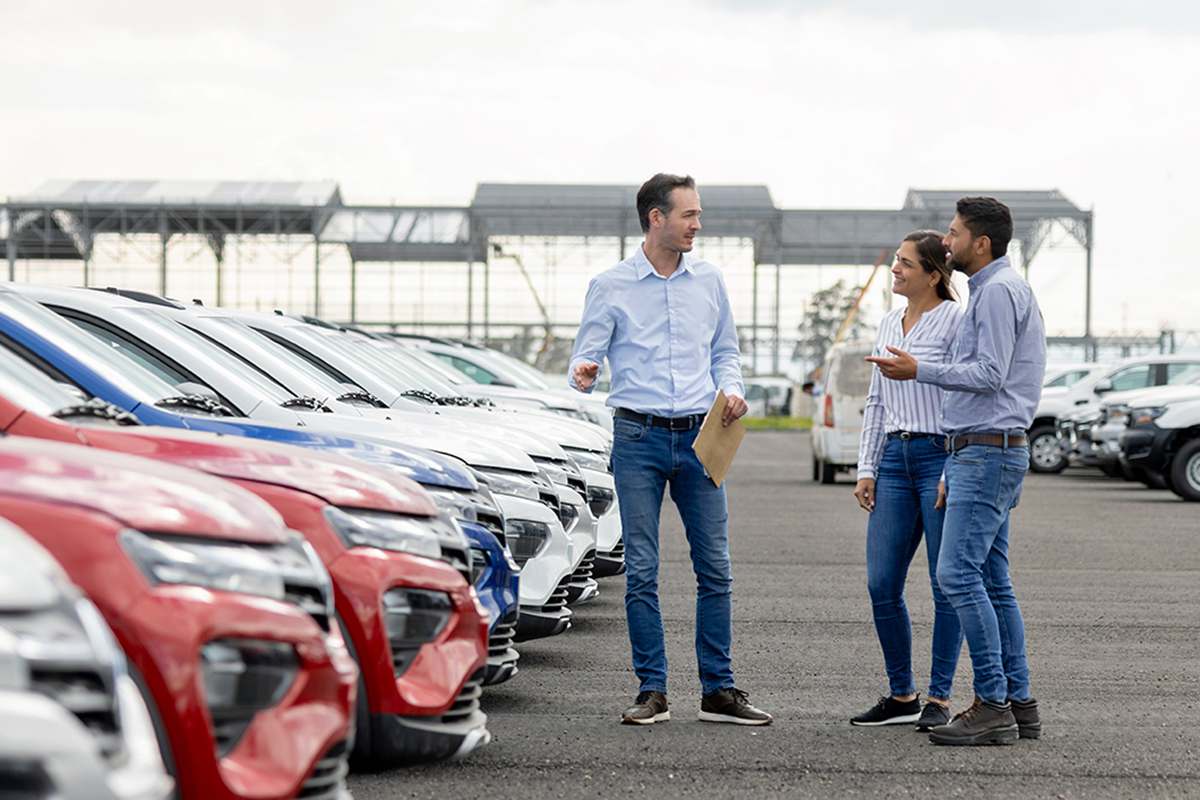
The decision to get a new vehicle comes with plenty of questions: New or used? Which make and model? What color? And perhaps most importantly, buy or lease?
That last question may be the hardest of all to answer. A lease can offer a lower monthly payment and a shiny new car every few years, while buying can eventually leave you with a vehicle you own outright. The better choice depends on several factors, from how much you drive to how long you plan to keep your vehicle.
With new car prices still hovering near record highs, the choice has become even more consequential. Higher interest rates, inflation, and the growing cost of the technology packed into today’s vehicles have pushed the price of buying a new car higher, making leasing an appealing alternative for some drivers.
But there’s a catch: A lower monthly payment doesn’t necessarily mean you’re spending less overall.
What You’re Really Paying for When You Lease
The biggest difference between buying and leasing is simple: When you buy a car, you’re paying to own it. When you lease, you’re essentially paying to use it for a set period of time.
With a traditional three-year lease, you make monthly payments based largely on the vehicle’s expected depreciation during those three years, plus interest and fees. At the end of the lease, you generally have one of two options: return the vehicle to the dealership and walk away — or buy the car for its predetermined residual value. Most standard consumer car leases allow the latter, with the details for purchasing the vehicle laid out in the Purchase Option section of your contract.

Reader Favorites



When you buy a car, every payment brings you closer to owning an asset outright. With a lease, you’re continually paying for the portion of the vehicle you use.
That distinction makes the decision less about which option is universally “better” and more about which option is better for your specific circumstances. You should consider factors such as how long you plan to keep the car, how much you drive, how much cash you have available, and what you want your monthly expenses to look like.
When Leasing Can Actually Make Sense
Leasing isn’t necessarily the better choice for everyone, but it can be a good fit for drivers whose habits and priorities align with the way leases work.
You Want a New Car Every Few Years: If you’re someone who likes driving a new vehicle and typically replaces your car every three years or so, leasing can make more sense than repeatedly buying and selling vehicles. Because you don’t have to worry about selling the vehicle at the end of the term, you aren’t responsible for its depreciation beyond what was built into the lease.
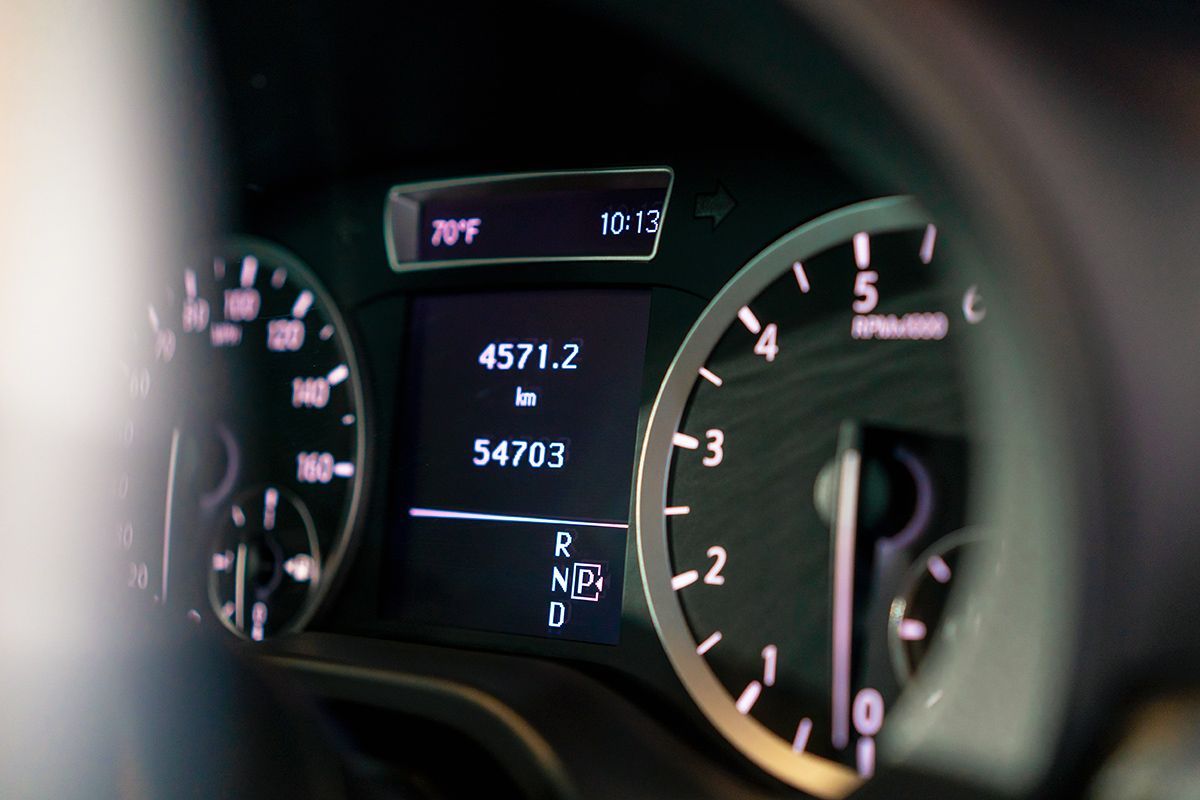
You Don’t Drive Very Much: Most leases limit you to a predetermined number of miles — often 10,000, 12,000, or 15,000 per year. If you routinely drive far less than that, you’re paying for relatively little vehicle use.
If you regularly exceed the mileage allowance, leasing can become expensive very quickly because you’ll generally owe a per-mile charge for the excess mileage. Typically, the cost is between 15 cents and 30 cents per mile. So if you drive 20,000 miles per year on a three-year lease with a 15,000-mile annual allowance, you could face a bill of anywhere from $2,250 to $4,500 when you turn in the vehicle.
You Want Lower Monthly Payments: This is probably one of the biggest reasons people lease. Because you’re generally paying for depreciation over the lease term rather than the entire purchase price, the monthly payment can be lower than financing the same vehicle. A lower monthly payment doesn’t necessarily mean a lower overall cost, though. For instance, using the mileage overage example above, a $4,500 excess-mileage bill at the end of a three-year lease works out to the equivalent of another $125 per month over the life of the lease.
You Don’t Want To Worry About Resale Value: When you buy a car, you’re taking on the risk that it will be worth less than expected when you’re ready to sell it. With a lease, the leasing company generally takes that risk. That can be particularly attractive if you’re buying a vehicle with uncertain resale value.
When Buying Is Probably the Better Choice
Leasing can offer plenty of advantages, but buying may be the better option if your priorities are long-term savings, flexibility, and eventually eliminating your monthly car payment.
You Plan To Keep Your Car for a Long Time: Once you’ve paid off a purchased vehicle, you can continue driving it without a monthly car payment. With leasing, the payments never really stop — you generally return the vehicle and start another lease if you want to remain in a newer car.
You Drive a Lot: If you’re putting 20,000 miles a year on your vehicle, a typical lease can be a poor fit because you’ll either need a higher-mileage lease or potentially face significant excess-mileage charges.
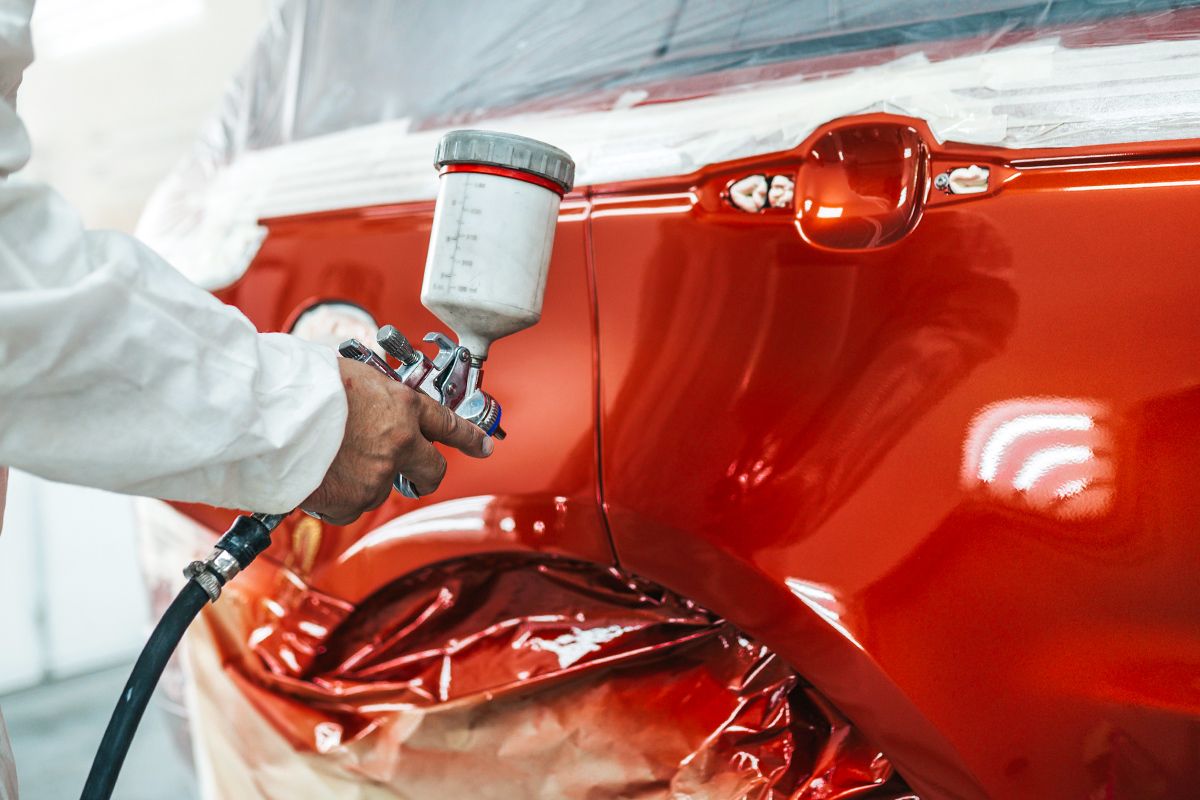
You Want To Modify Your Car: Leases generally aren’t a good fit for someone who wants to make significant modifications to a car. Because you don’t own the vehicle, your lease agreement will typically require you to return it in an agreed-upon condition.
You Want To Build Equity: With a purchase, you eventually own the car. With a lease, you don’t build ownership equity through your monthly payments.
You’re a Business Owner or Self-Employed: As Investopedia notes, there can be tax advantages to leasing for some business owners and self-employed people who use their vehicle for work. Depending on how the vehicle is used and how the lease is structured, some or all of certain vehicle expenses may be deductible. However, the rules can be complicated, and the tax treatment varies based on your individual circumstances, so it’s worth consulting a tax professional before making a decision based on potential tax savings.

What About Retirees?
Retirement can change the equation, particularly when it comes to how much you drive and how you want to manage your monthly expenses.
A retiree who drives relatively few miles, wants a reliable vehicle, prefers predictable expenses, and doesn’t want to worry about selling a car every few years may find leasing attractive.
Having access to a new car — and its newest safety features — can also be a benefit to retirees. According to Kiplinger, “One benefit to the lease is that you are getting a new car with the latest and greatest safety features every couple of years. As you age … mobility decreases, and those blind-spot monitors and cameras become even more useful.”
But retirees should also consider how long they expect their driving needs to remain the same and whether they’ll want to keep their vehicle longer than the typical lease term. Someone living on a fixed income who wants to minimize long-term transportation costs may actually be better off buying a reliable vehicle and keeping it for many years.
The Hidden Costs of Leasing
Before you decide that a lower monthly payment makes leasing the better deal, make sure you understand the other costs that can come with it.
Up-front costs: A lease can require a down payment, acquisition fee, taxes, registration, and other charges.
Mileage charges: As discussed above, going over your lease’s set mileage limit can be costly at the end of your term.
Wear and tear: At the end of the lease, you can potentially be charged for damage beyond what’s considered normal wear and tear. That could include things like significant scratches or dents, cracked glass, damaged wheels, ripped or stained upholstery, or missing equipment.
Disposition fees: Some leases charge a fee when you return the vehicle, known as a disposition or lease-end fee. These fees typically run about $300 to $500, although some luxury brands charge more. This is essentially an administrative charge for processing the vehicle’s return and preparing it for resale. The fee is typically disclosed in the lease agreement and may be waived if you lease or purchase another vehicle from the same manufacturer or dealership.
Early termination: Getting out of a lease before the agreed-upon end date can be expensive. Depending on the terms of your contract, you could be responsible for all remaining lease payments, an early-termination fee, the difference between the car’s current value and the amount owed on the lease, or other charges.
Insurance: Leased vehicles typically require full-coverage auto insurance, rather than the state-minimum coverage that may be sufficient when you own a car outright. Because the leasing company owns the vehicle, it requires more extensive coverage to protect its investment — and that can mean significantly higher insurance costs.
Leasing vs. Buying: Which Is Better for You?
Still not sure which option makes the most sense? Here’s how buying and leasing stack up in some of the most common scenarios.
| If you … | Leasing may be better | Buying may be better |
| Want a new car every 2–3 years | X | |
| Drive fewer than 12,000 miles per year | X | |
| Want a lower monthly payment | X | |
| Want to avoid resale risk | X | |
| Drive 15,000+ miles per year | X | |
| Want to keep your car for 7+ years | X | |
| Want to modify your vehicle | X | |
| Want to eventually eliminate your car payment | X | |
| Have cash or equity to put toward a purchase | X |
So, Is It Actually Better To Lease a Car?
There isn’t a definitive, one-size-fits-all answer.
Leasing can be a good financial choice if you value a newer vehicle, drive relatively few miles, want predictable monthly costs, and don’t intend to keep the car for many years. But if your goal is to minimize the amount you spend on transportation over the long term, buying a vehicle and keeping it well beyond the point when the loan is paid off is generally the more compelling option.
The most important thing is not to compare the two scenarios based solely on the monthly payment, because the cheapest monthly car payment isn’t necessarily the cheapest way to drive. Calculate the total cost over the period you expect to have the vehicle — including the down payment, taxes, fees, interest, insurance, mileage charges, and what you’ll have to pay when the agreement ends. And, as Consumer Reports notes, whether you choose to lease or buy, don’t forget to negotiate.
Featured Image Credit: © Hispanolistic—E+/Getty Images
More From Our Network
Better Report is part of Inbox Studio, an email-first media company. *Indicates a third-party property.






Jennifer M. Wood has been writing about news, entertainment, culture, and travel for longer than she cares to admit. She lives just outside Philadelphia with her husband and an ever-growing menagerie of rescue pets.
This article is for general informational purposes only.
Affiliate Disclaimer Medical Disclaimer Financial Disclaimer