9 Foods You Should Toss ASAP if They’re Expired

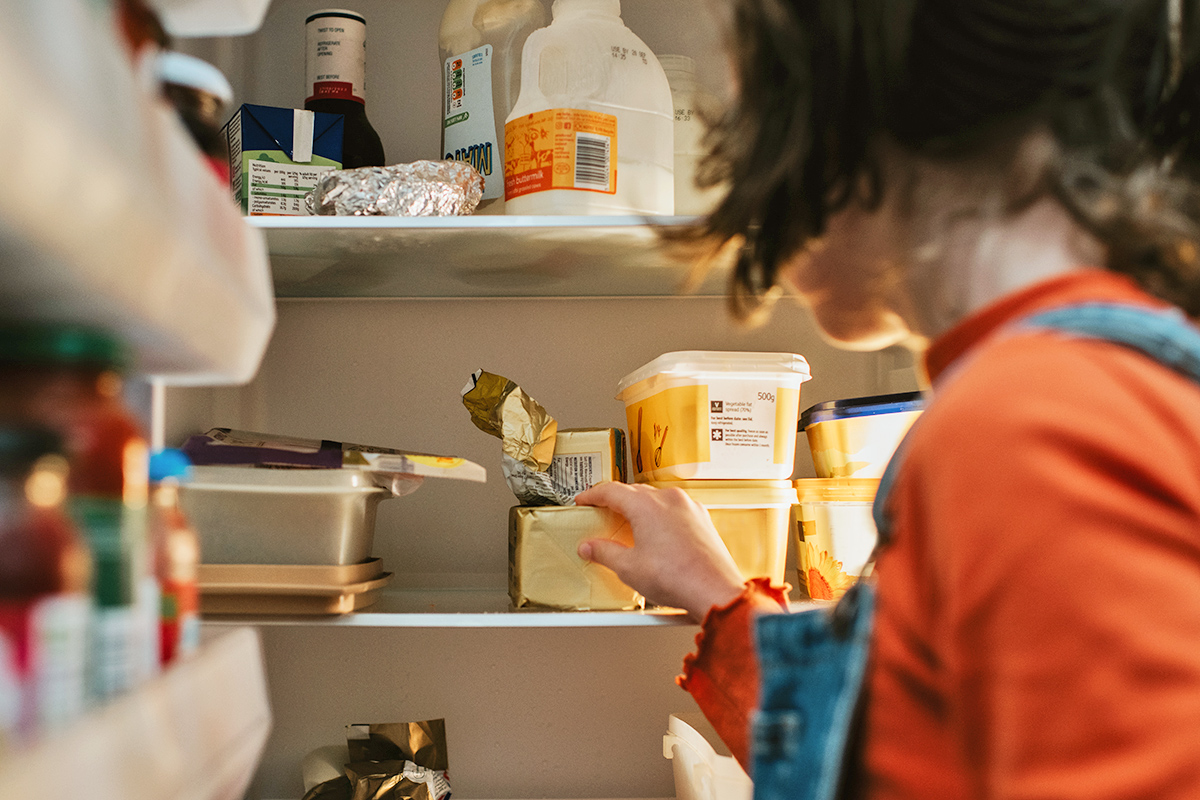
Food expiration dates are confusing — and not just because they don’t necessarily indicate when you should throw food out. “Sell by” and “best by” refer to peak quality, not safety. And to add to the confusion, the terms aren’t federally regulated or required (except in the case of baby formula and certain baby foods). Most foods are fine after the dates on their packaging pass, though they may be slightly subpar.
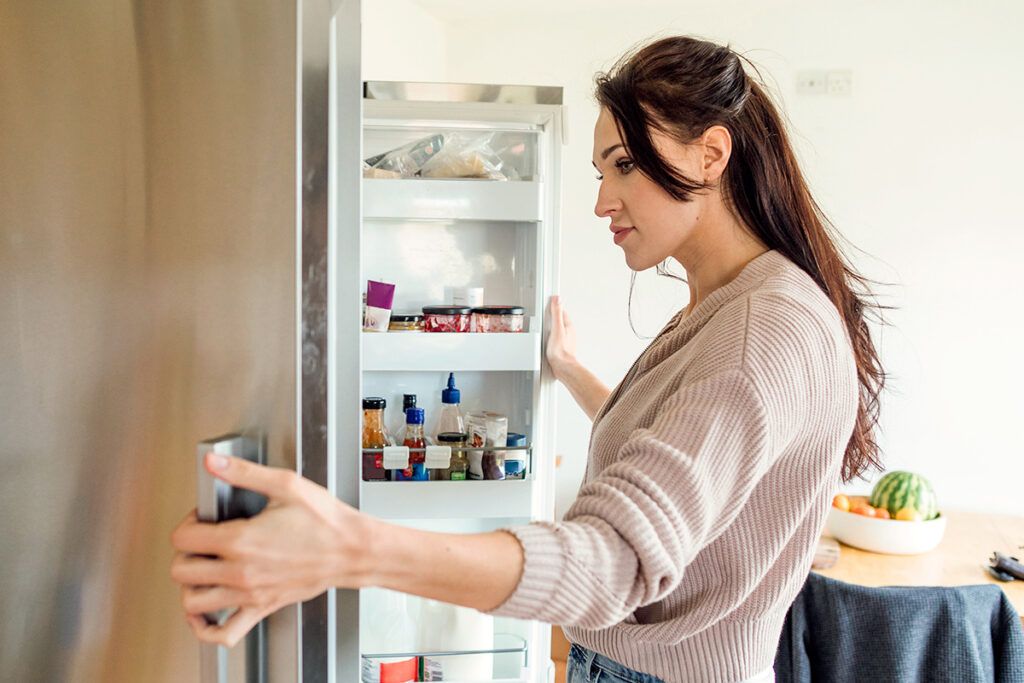
There are a handful of foods, however, where timing actually does matter. In these cases, it’s less about flavor and more about whether that meal is going to haunt you tomorrow. The common thread is bacteria: Moist, low-acid, ready-to-eat foods make especially good hosts, and the pathogens that can make you sick (like listeria and salmonella) don’t always announce themselves with a smell. Here are the foods you should toss once the expiration date has passed (or sooner if you’ve opened them).
Deli Meat and Cold Cuts
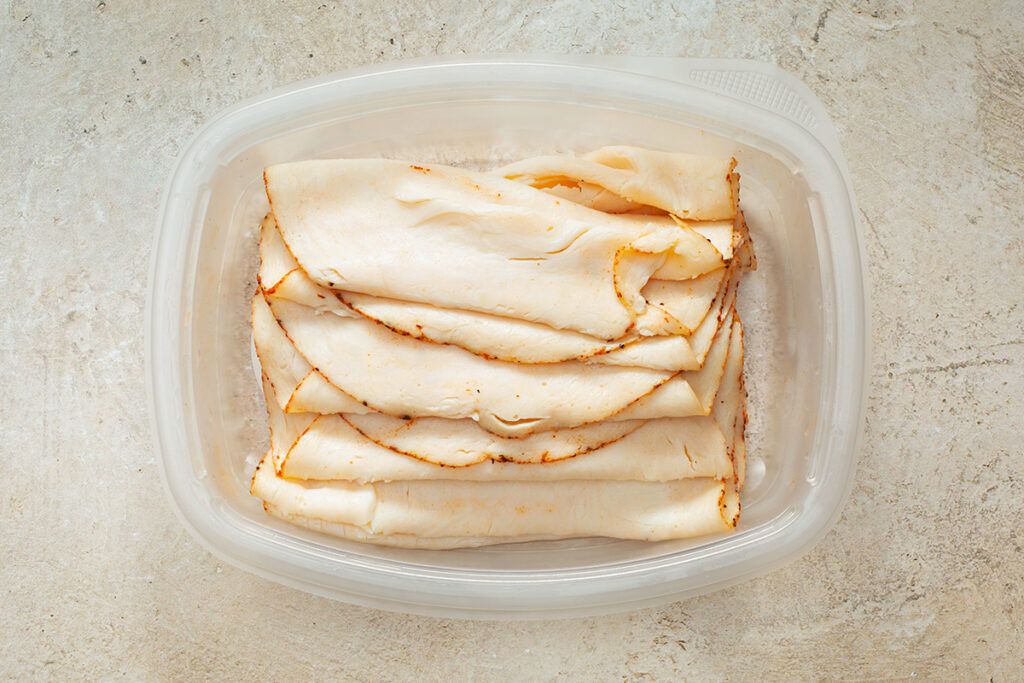
Lunch meats are prime territory for listeria, a bacterium capable of growing at temperatures as low as 31 degrees Fahrenheit — meaning “well, it stayed cold” isn’t the protection it seems to be. And, as the FDA notes, the longer a ready-to-eat refrigerated food sits, the more opportunity listeria has to grow.
While it’s rare for healthy people to get extremely ill from listeria infection, it can be fatal for newborns and those who are immunocompromised, and it can cause miscarriages in pregnant people. So you shouldn’t let freshly sliced deli meat linger too long in your fridge: It has only three to five safe days before you should toss it out. The prepackaged versions you get in the refrigerated aisle last a little longer if they’re unopened — usually about two weeks — but once the seal is broken, you’re back to the same short window.

Reader Favorites



Soft Cheeses
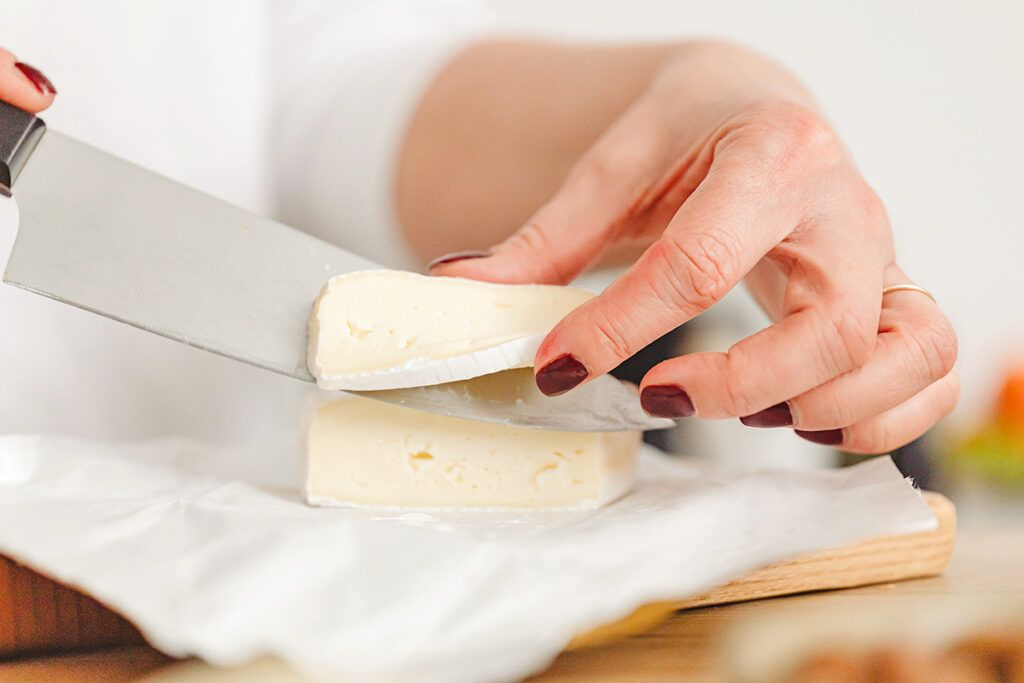
Solid blocks of hard cheeses (cheddar, Parmesan, and pecorino, for example) are very forgiving. They last for up to four weeks in your fridge, and even if they get a little moldy, they’re not a lost cause — just cut an inch around the moldy spot and carry on. (If your hard cheese is grated or shredded and exhibits signs of mold, though, you should throw it out.)
When it comes to soft, high-moisture cheeses like ricotta, cream cheese, goat cheese, or brie, it’s best to follow package guidelines. And definitely toss them at any sign of mold: In soft cheese, it spreads throughout and can’t be cut out. Soft cheeses are also more prone to listeria. The Academy of Nutrition and Dietetics suggests using cream cheese within two weeks of opening, and ricotta within one. Bottom line: Toss at the first sign of spoilage or by the date on the package — whichever comes first.
Raw Fish and Shellfish
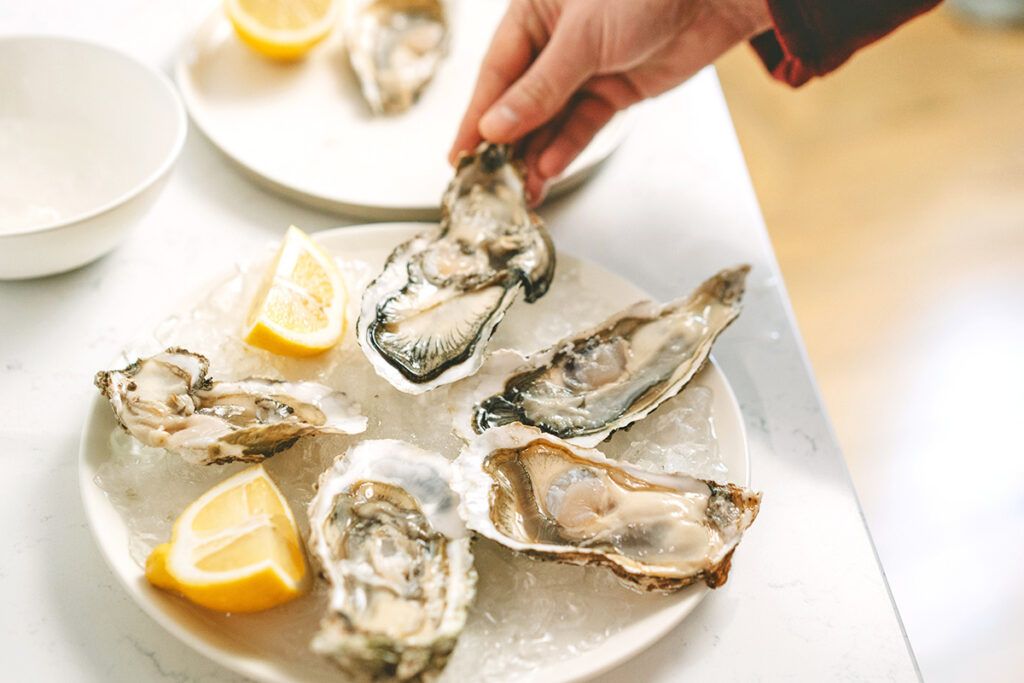
Seafood is one of the most perishable things in your kitchen. Eating improperly stored fish can cause various types of food poisoning, resulting in an upset stomach, diarrhea, or worse. For this reason, the USDA recommends cooking or freezing raw fish within 48 hours of purchase. Certain types of shellfish give you a little more leeway: Clams, mussels, and oysters need to be eaten within three days if you buy them live or in five to 10 days if they’ve been commercially shucked and jarred. Scallops should be consumed within one to three days. Any sour, fishy, or ammonia-like smell is your cue to throw seafood out immediately. And while we don’t want to scare you, here’s one additional thing to consider: There are some types of food poisoning you can get from fish that no amount of cooking can prevent. If you feel sick after eating seafood, seek medical advice.
Ground Meat
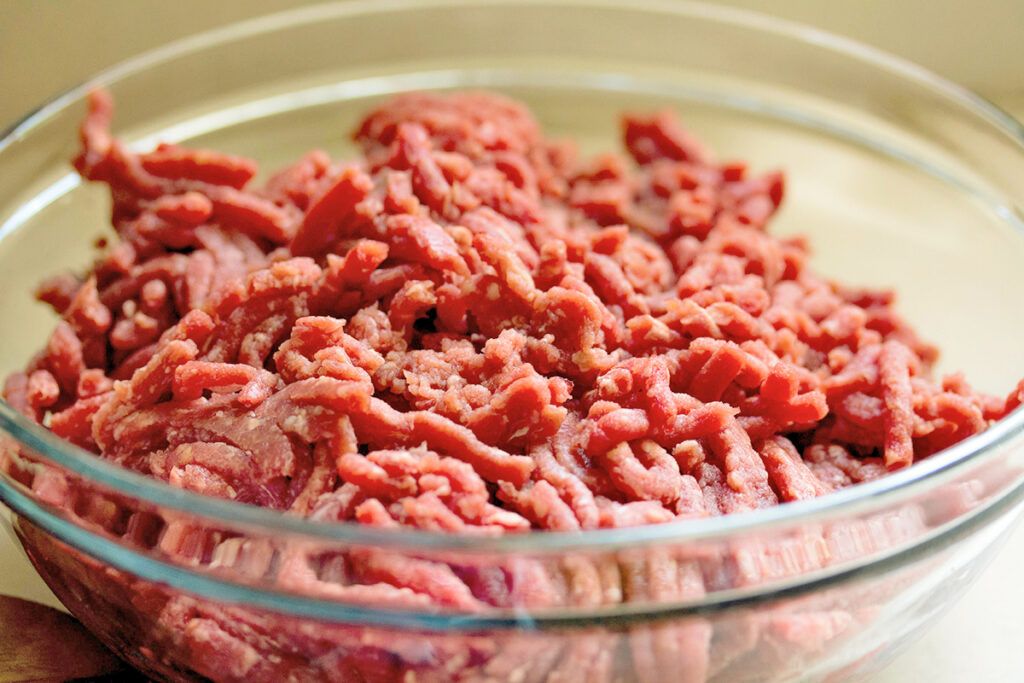
Think about this: A steak carries bacteria mostly on its surface, which is why searing the outside does a lot of work in making it both safe and tasty. However, it’s smart to consider whether your meat has been mechanically tenderized. The process, which involves poking the meat with sharp needles to break up the muscle, can transfer bacteria into the center of the steak. Similarly, grinding meat mixes that bacteria all the way through, so ground beef, turkey, and pork spoil faster and carry more risk. The USDA says to use or freeze ground meat within two days of purchase.
Bagged Salads and Leafy Greens
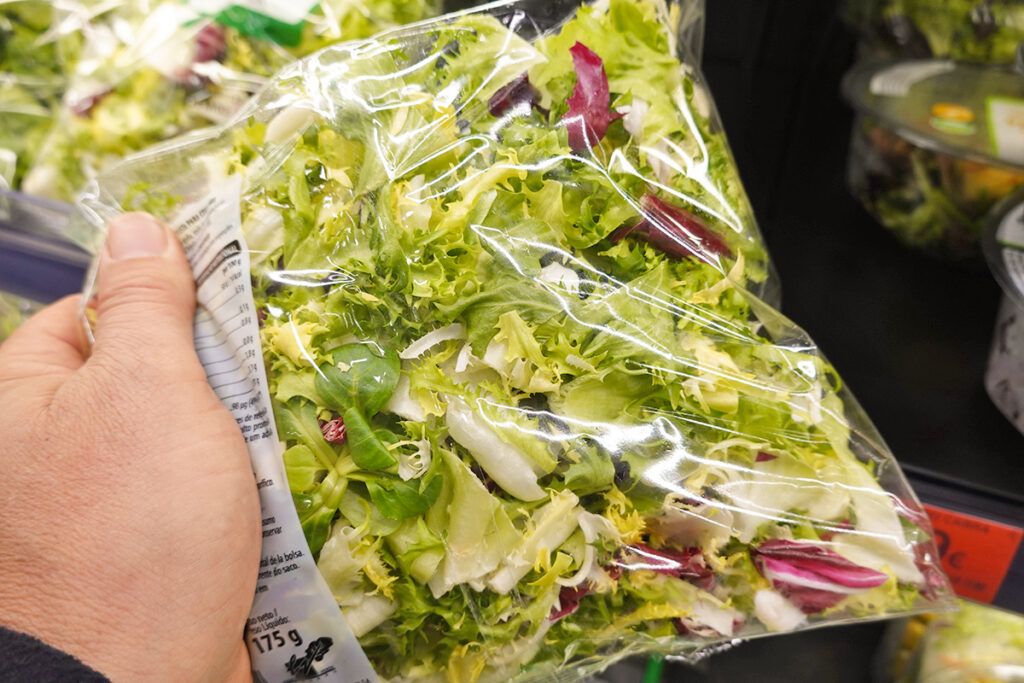
Leafy greens can carry bacteria that may become a problem once the leaves break down and get soggy, allowing the bacteria to proliferate. So, once greens go slimy or brown, they’re done (and wilted salad, being what it is, means you probably wouldn’t want to use them anyway). This applies even to prewashed mixes. According to FoodSafety.gov, bagged produce, if unopened, “will last [three to five] days after date on bag; after opening it will last [two] days.”
Sprouts
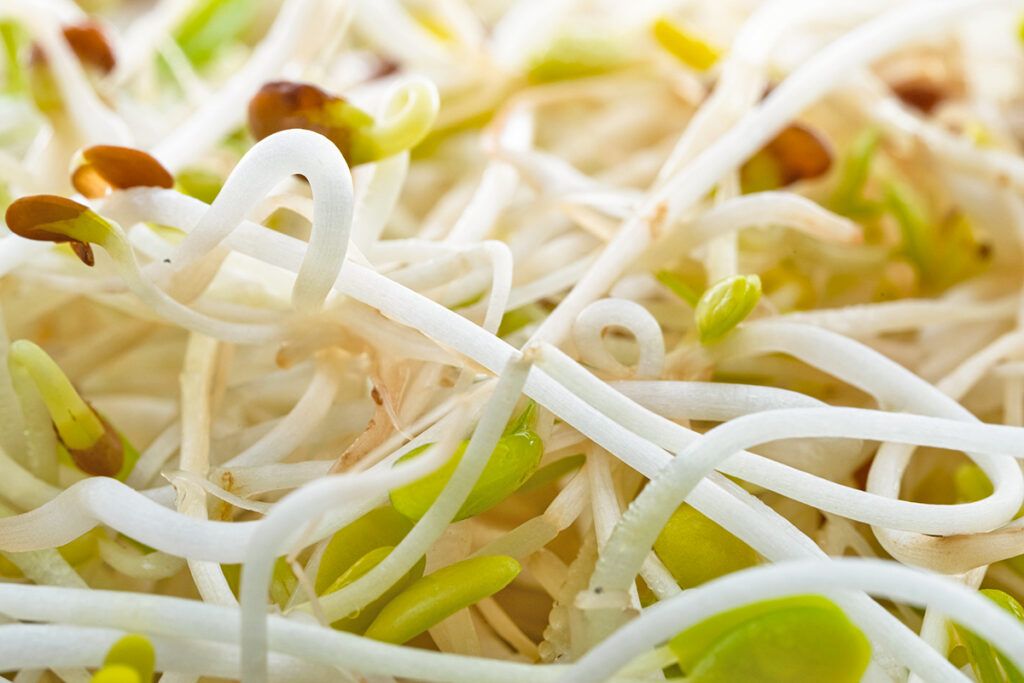
Bean sprouts can elevate a sandwich with crunch and freshness in a way few other veggies can, but beware: These tiny shoots are grown in exactly the warm, humid conditions bacteria love. Salmonella, listeria, and E. coli can all be found on raw sprouts. The FDA notes that if even a few harmful bacteria are present on the seed, they can multiply to high levels during sprouting. The safe window is short — roughly five to 10 days after purchase — and if you’re pregnant or immunocompromised, the FDA advises skipping raw sprouts altogether.
Mayonnaise and Creamy Dressings
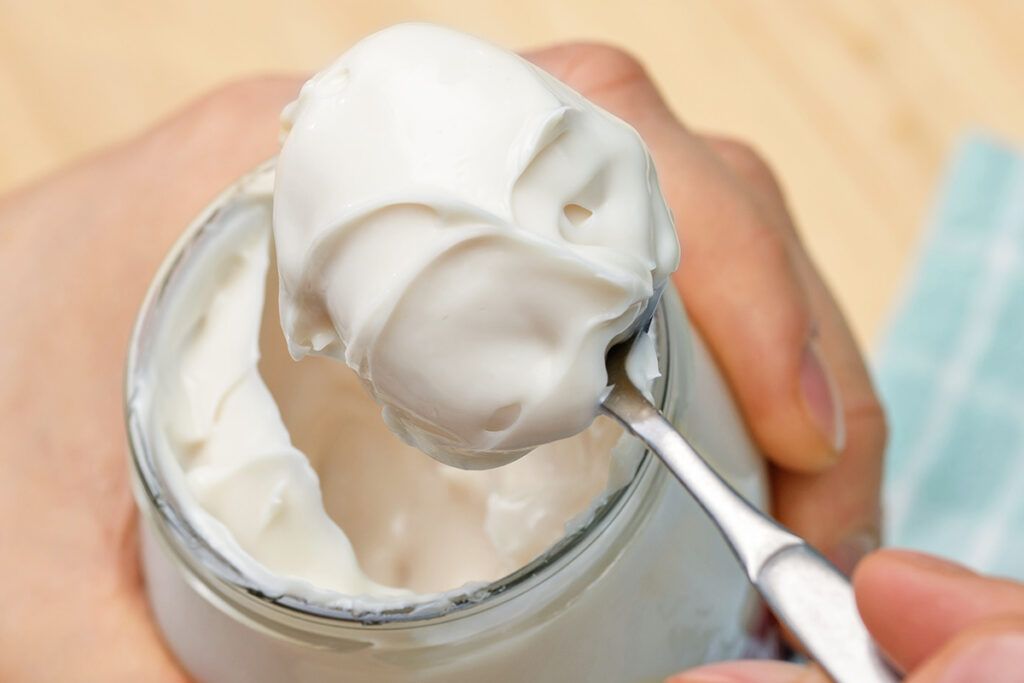
Mayo, aioli, and many creamy dressings are egg- and dairy-based and high in moisture, which makes them hospitable to bacteria once the seal is broken and a knife is going in and out of the jar. The USDA gives open commercial mayonnaise about two months in the fridge; creamy dressings have three to four weeks in the fridge. Even if the date hasn’t yet approached, if it smells off or looks weird, throw it out.
Prepared Deli Salads
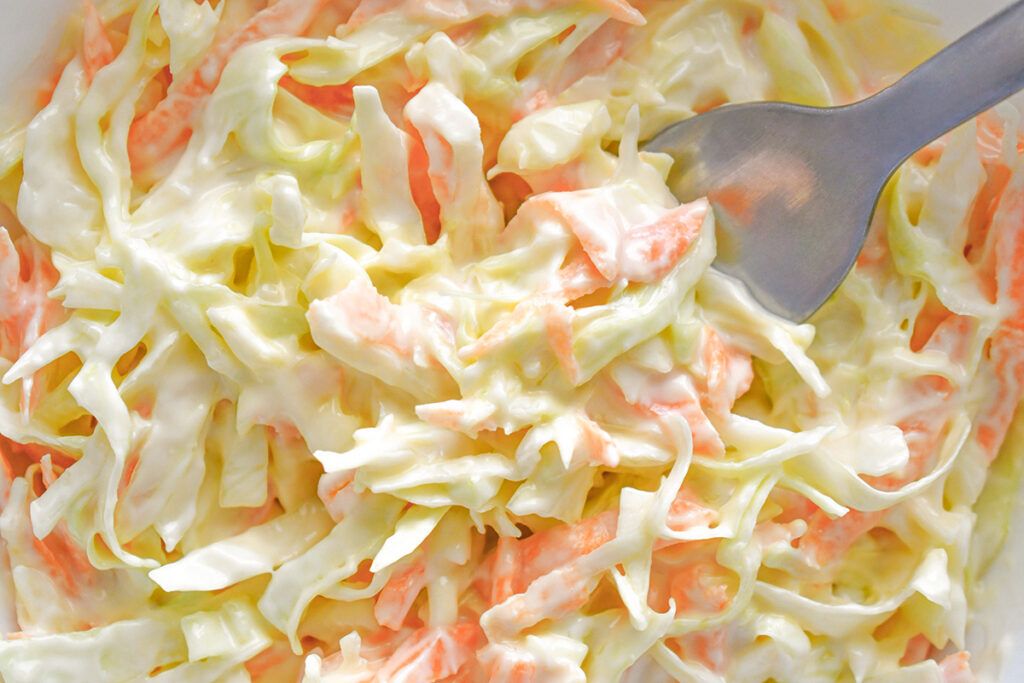
Potato, egg, tuna, and pasta salads combine a few risk factors at once: They’re moist, often mayo-based, and scooped with a spoon, which can introduce bacteria. That exposure adds up fast, especially if the container is taken out of a cold fridge and drifts into the danger zone that allows bacteria to thrive (between 40 degrees Fahrenheit and 140 degrees Fahrenheit). Deli salads like coleslaw, potato salad, and tuna salad are among the ready-to-eat foods that can carry listeria, which will thrive even if you put the dish back in the fridge. The USDA gives store-bought and homemade deli salads about three to five days — and unlike a wilted salad, a contaminated one won’t necessarily look or smell wrong, so play it safe and toss it when that timer is up (or sooner if it’s been allowed to linger at room temperature).
Cold-Pressed Juice
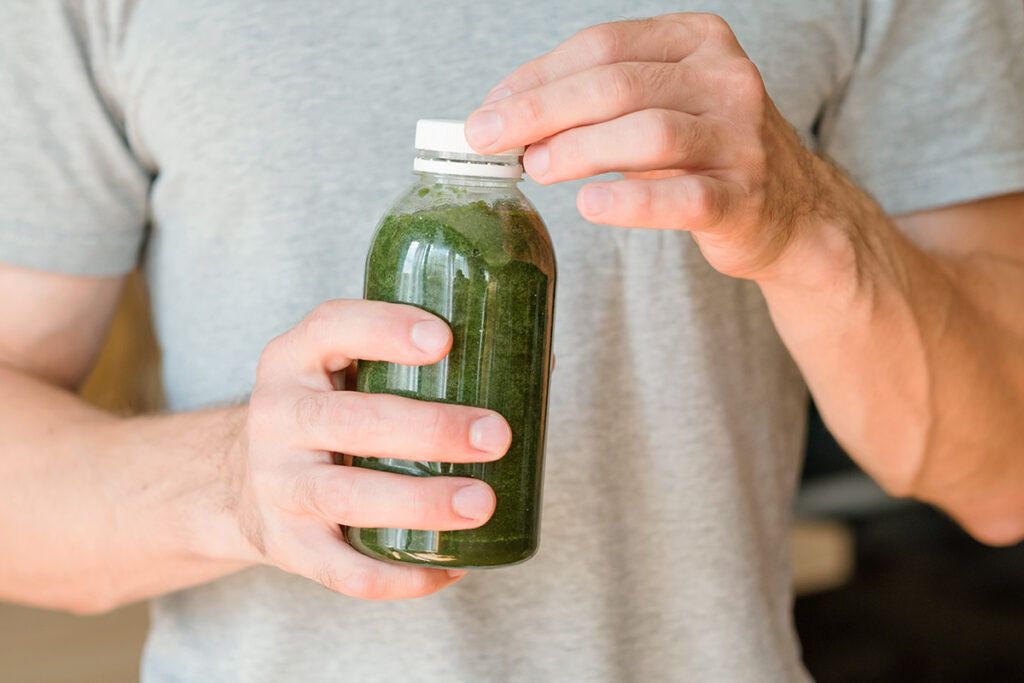
The reason raw green juices cost what they do is also why they don’t last: They skip the pasteurization that kills bacteria, which leaves them prone to contamination and with a short life of three to five days once opened. Untreated juices are required to carry a warning label, and the FDA advises that children, older adults, pregnant people, and anyone immunocompromised should avoid them.
The Takeaway
The catch with all of these is that the sniff test gets you only so far. A funky smell is a good reason to toss something, but it’s important to also remember that the absence of funk isn’t a good reason to eat it — listeria and salmonella can be present with no smell at all.
For most of your pantry (especially dry goods), the dates on the packaging are a loose suggestion and your nose is a fine backup. For this short list, however, the date and the open-container clock are both worth taking at their word — and when you’re genuinely unsure, the few dollars you’d lose chucking the item are rarely worth the discomfort you’d suffer if it is indeed spoiled.
Featured Image Credit: © Catherine Falls Commercial—Moment/Getty Images
More From Our Network
Better Report is part of Inbox Studio, an email-first media company. *Indicates a third-party property.






Erin Scottberg is a Brooklyn-based writer, garden designer, and houseplant expert — and the founder of Full Sun Studio (fullsun.studio), a garden design and plant consulting studio in New York City. She holds an Urban Horticulture Certificate from Brooklyn Botanic Garden, an NYC Street Tree Pruner License, and an NYC Master Composter Certification, and spent three years as Head of Content and Education at The Sill. When she's not working, you can find her creating in her textile studio, running craft nights in her neighborhood, or hanging with her rescue pup, Sunny. She's an ambitious DIYer, avid composter, and has never been able to walk by a thirft store without taking a look.
This article is for general informational purposes only.
Affiliate Disclaimer Medical Disclaimer Financial Disclaimer