The Retirement Habit Researchers Say Adds Years to Your Life


Retirement can mean more time for traveling the world, learning a hobby you’ve always wanted to try, or volunteering with an organization you’re passionate about. But there’s one more very important thing that should be on your retirement bucket list: strength training.
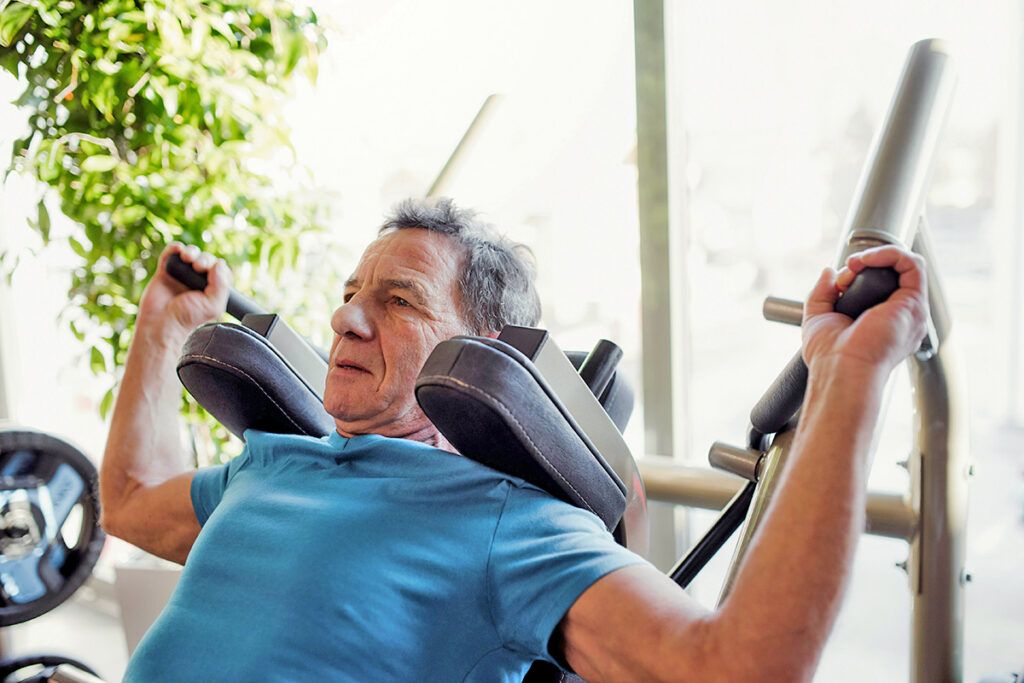
Resistance exercises — meaning those that use your body weight or free weights to make your muscles work a bit harder — can strengthen your musculoskeletal system in ways that may add healthy years to your life.
Strength training builds bone density and fortifies the muscles that attach to the skeleton, improving overall strength and balance and preventing age-related bone loss, falls, and fractures. Strong muscles efficiently take glucose from your bloodstream to use as energy, which helps regulate blood sugar levels and reduces your risk of developing type 2 diabetes. They also improve blood circulation and support healthy blood pressure.
So, how much strength training is enough to potentially boost longevity? A recent study published in the British Journal of Sports Medicine crunched the data to find out.
The Sweet Spot for Strength Training
Researchers at Harvard T.H. Chan School of Public Health discovered that about 90 to 120 minutes of strength training per week is associated with a 13% reduction in the risk of premature death from any cause. In other words, doing exercises like planks, push-ups, or weight lifting for two hours a week was linked to living longer.
The team analyzed health data on 147,374 participants in three long-term studies. Each person’s weekly amount of strength training and aerobic activity was determined with a standard questionnaire at the start of the longitudinal studies, and then every two years thereafter, for up to 30 years. There were 35,798 deaths recorded among the participants.

Reader Favorites



In addition to the reduced risk of all-cause mortality, the researchers found that adults who spent 90 to 120 minutes doing moderate resistance training each week had a 19% lower risk of death from heart disease and a 27% lower risk of dying from neurological conditions, like dementia, compared with people who did no resistance exercise. Doing more than two hours of strength training per week didn’t seem to translate to any further benefit.
The research also suggested that aerobic exercise boosted the effects of the resistance activity. Participants who engaged in both regular cardio and resistance training enjoyed a roughly 45% lower risk of early death than those who didn’t exercise at all.

Add Resistance to Your Routine
Strength training is surprisingly easy to do at home because it requires almost no specialized equipment. Exercises like squats, lunges, push-ups, and planks rely on your own body weight to provide resistance. Using stretchy resistance bands or lifting dumbbells (or canned goods you already have in your kitchen) can strengthen muscles in the upper body as well. As you become used to these moves, you can modify them by using heavier weights or resistance bands with differing degrees of “give.”
When you’re ready to add cardio to the mix, consider the U.S. Department of Health and Human Services’ recommendations for weekly aerobic activity. Adults should aim for 150 minutes per week of moderate cardio exercise (think brisk walking, biking on level terrain, yard work, or even cleaning your house) or 75 minutes of vigorous aerobic exercise (such as jogging or running, swimming laps, tennis, cycling at more than 10 mph, and intense hiking). The health benefits of aerobic activities increase with the duration of your workouts. Remember to warm up your muscles prior to every workout to reduce your risk of injury.
Before starting any new exercise routine, however, consult your doctor or health care provider to determine the best approach.
Featured Image Credit: © Curated Lifestyle/Unsplash.com
More From Our Network
Better Report is part of Inbox Studio, an email-first media company. *Indicates a third-party property.







Kat Long is a freelance science journalist in the Washington, D.C. area. Previously, she was the science editor at Mental Floss and a digital editor at National Geographic. She now writes the Arctic Archives newsletter on Substack. Kat spends her free time birdwatching, road-tripping to historical sites and perusing old manuscripts at libraries.
This article is for general informational purposes only.
Affiliate Disclaimer Medical Disclaimer Financial Disclaimer