Do You Really Need a Bidet in Your Home?

All featured products and deals are selected independently and objectively by the author. Better Report may receive a share of sales via affiliate links in content.
Is a bidet at home just what the doctor ordered? It could be. Water cleans better than paper, especially when it comes to wiping after you go to the bathroom — dry toilet tissue just can’t sanitize your undercarriage the way a warm stream of water can. So, if you’re thinking about getting a bidet, here’s what to consider.
What Is a Bidet?
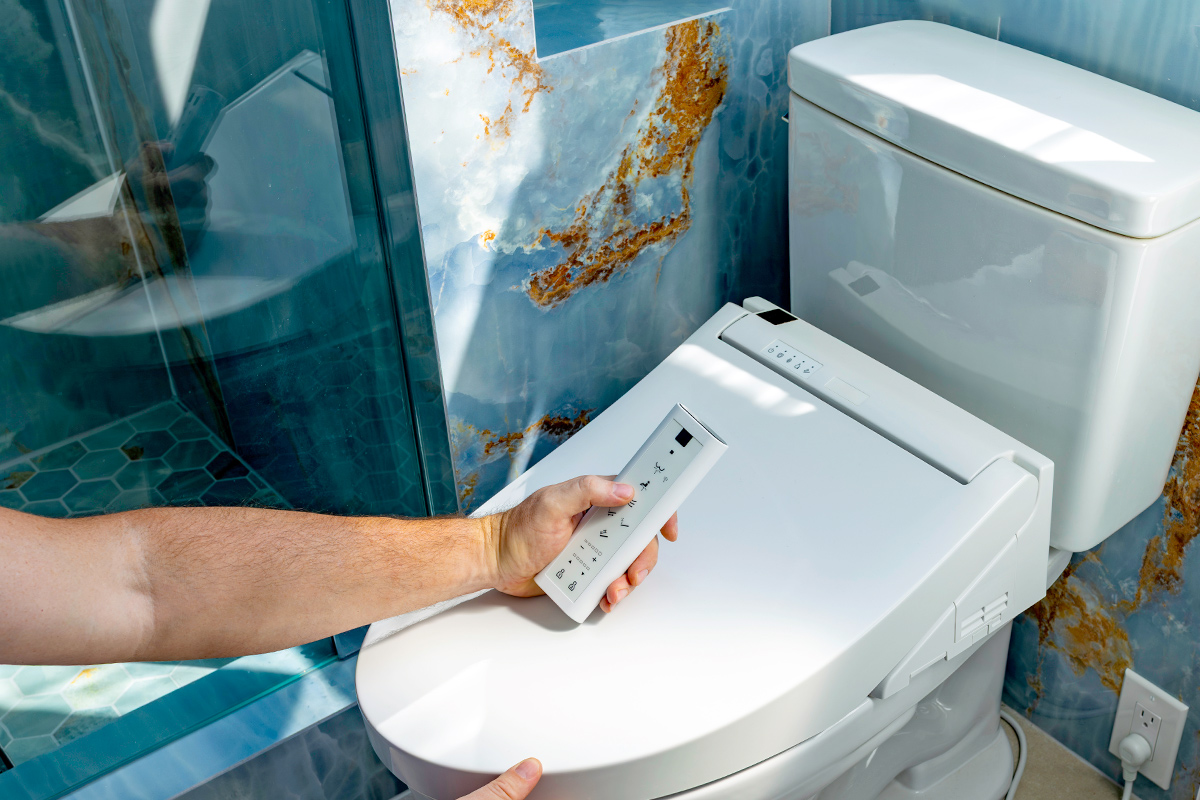
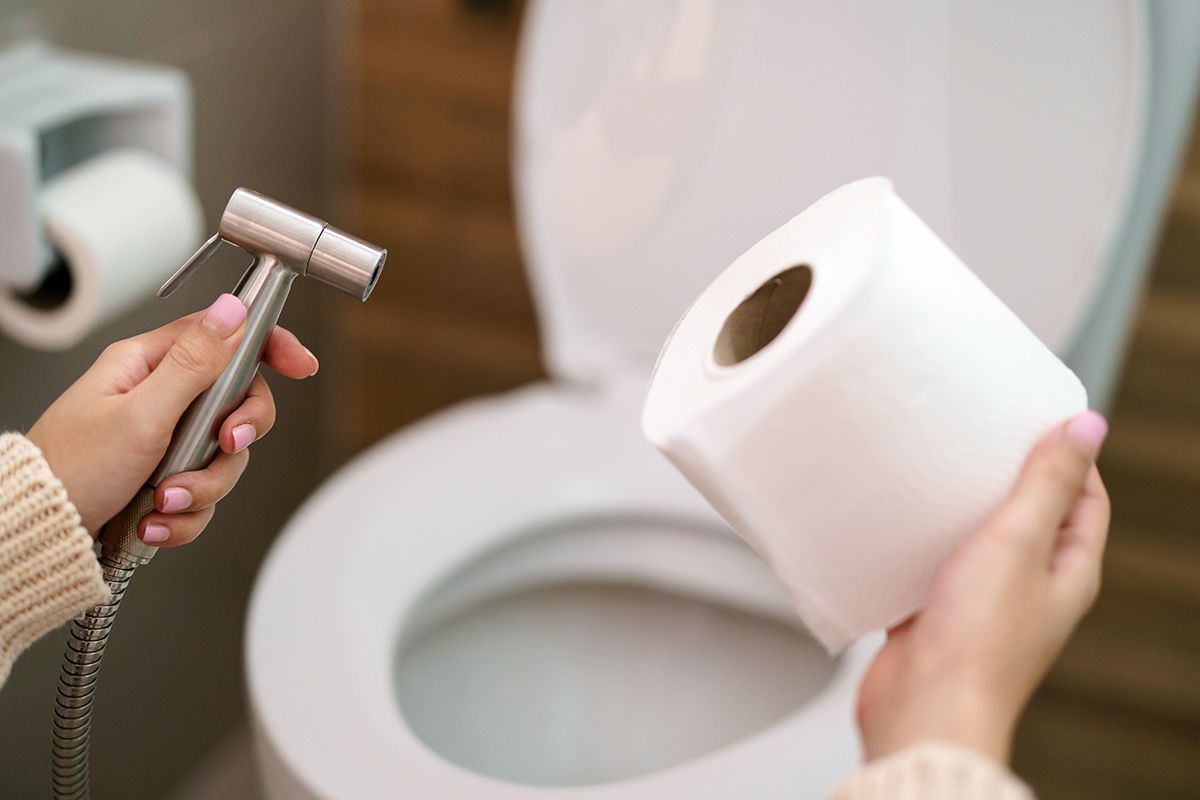
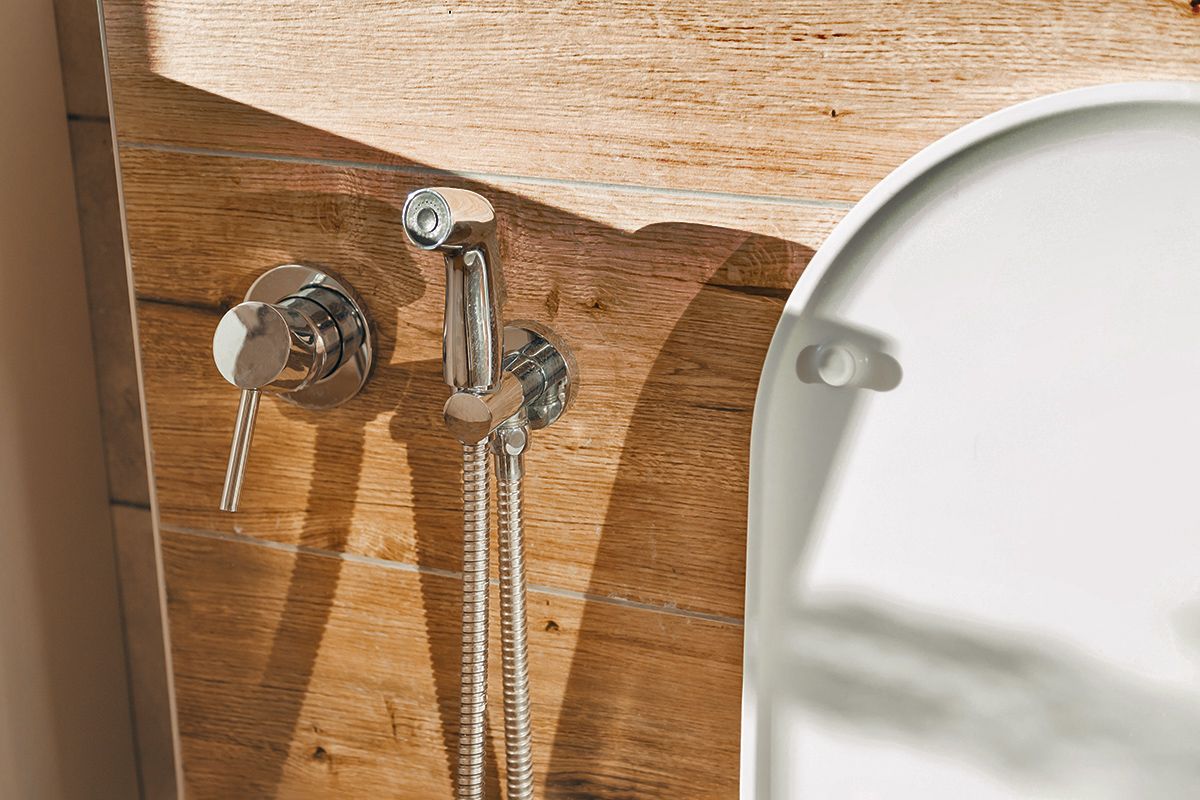
You use a bidet to clean yourself after you urinate or have a bowel movement. It’s connected to your plumbing and uses plain water, so you don’t have to use toilet paper. Some bidets are seats that attach to your existing toilet, and others are stand-alone systems.
Bidets are common in Asia and Europe and getting more popular in the United States.
Benefits of a Bidet
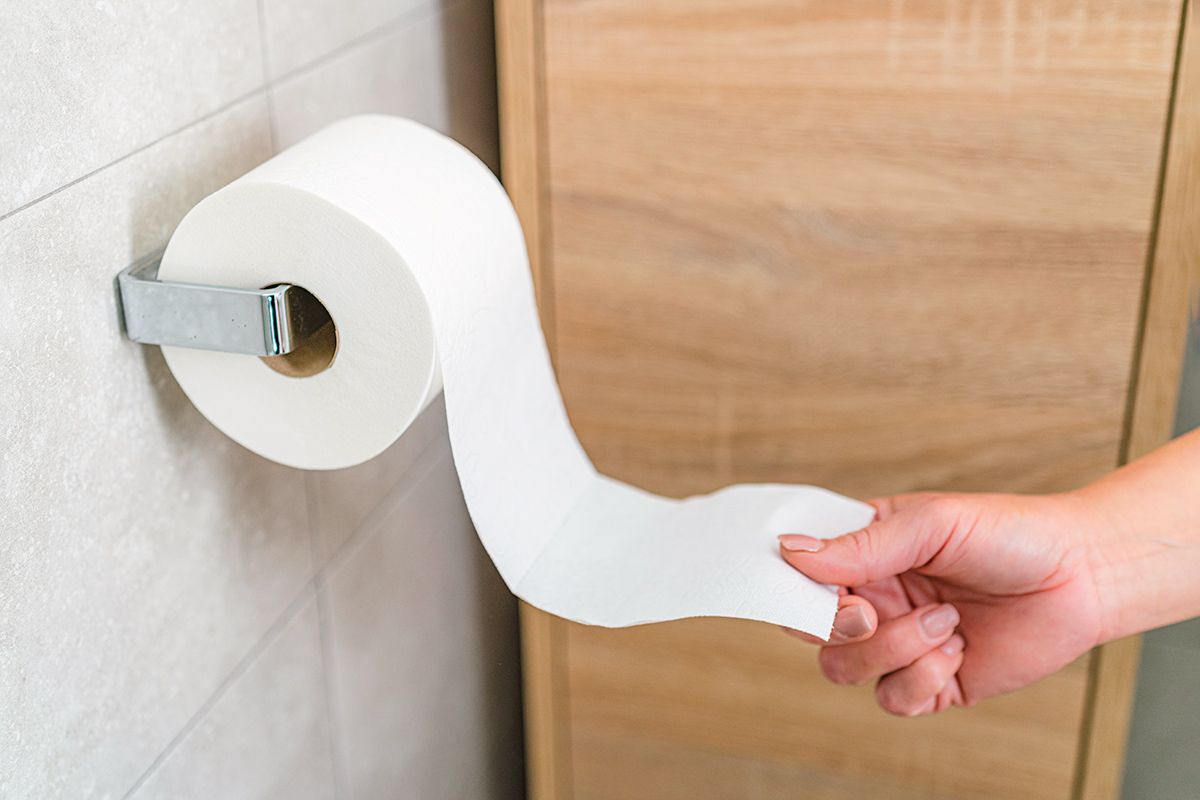
Using a bidet regularly comes with a lot of benefits, including wasting less toilet paper.
“Bidets are significantly more hygienic and effective [than toilet paper] because they use gentle fluid dynamics to thoroughly cleanse the area rather than smearing fecal material across the skin,” says Yale-trained gastroenterologist Dr. Savita Srivastava. You’re also less likely to contaminate your hands when you wipe.
Constant wiping can inflame your skin and strip its protective layers, which can create micro-tears or aggravate hemorrhoids. “A bidet eliminates the mechanical friction that causes skin breakdown and hemorrhoidal flare-ups,” Srivastava explains. Its gentle stream of water can reduce trauma to the skin and calm inflammation, especially if you have frequent bowel movements, she adds.
A bidet can also help if you have mobility issues. You can clean yourself without reaching, twisting, or bending, and you can use it without assistance.

Reader Favorites



Do Bidets Spread Germs?
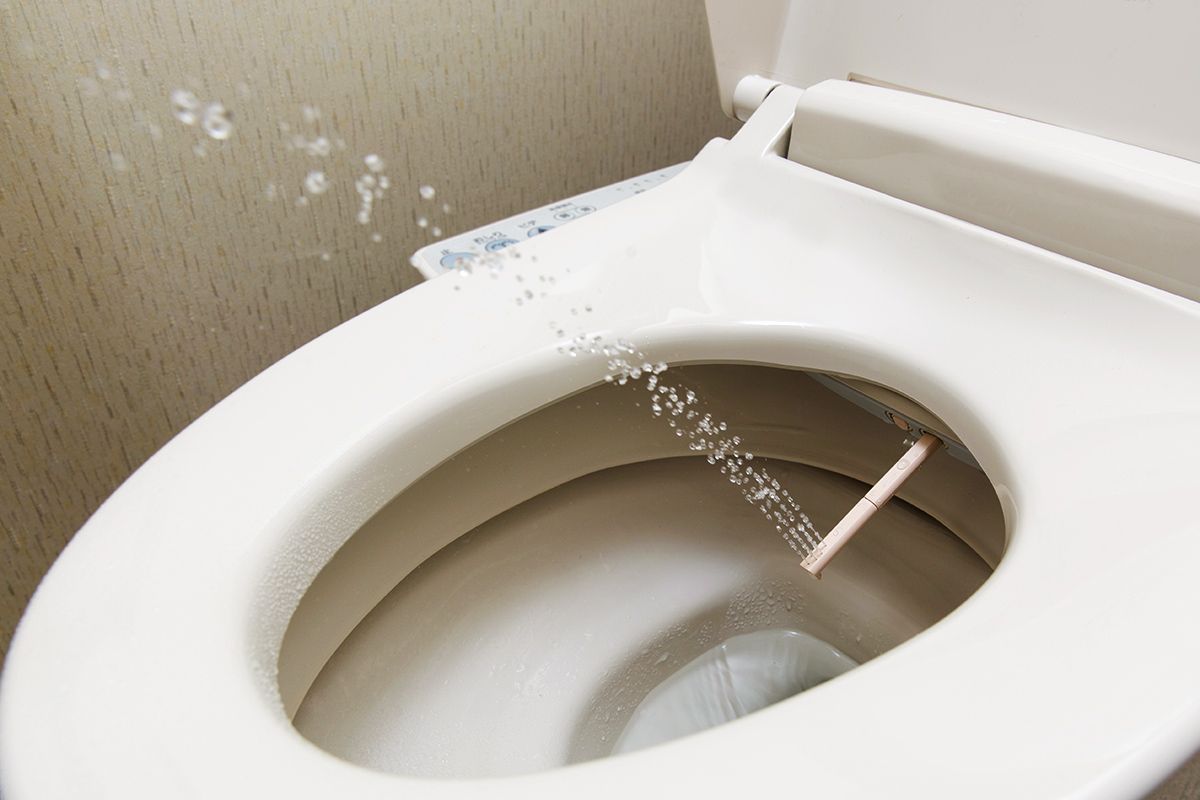
Srivastava says one the biggest misconceptions about bidets is that they’re unsanitary. “Modern bidets pull fresh water directly from your home’s clean supply line — not the toilet bowl — and offer far superior hygiene,” she notes.
Proper cleaning of the bidet is still important, of course. Srivastava says you should follow the manufacturer’s instructions for routine bidet cleanings, unless someone in your home is sick with a GI infection. Then, she says, wipe down the bidet wand, seat, and controls using a chlorine bleach or hydrogen peroxide-based disinfectant after each use, even if the bidet has a “self-cleaning” cycle. And close the toilet lid before you flush to prevent airborne pathogens from spreading.
Tips for Safe Use
Srivastava says a home bidet can be a game changer, especially if you have chronic or acute diarrhea, hemorrhoids, anal fissures, or limited mobility. But she reiterates you need to use the bidet properly to ensure your safety. Here are her tips:
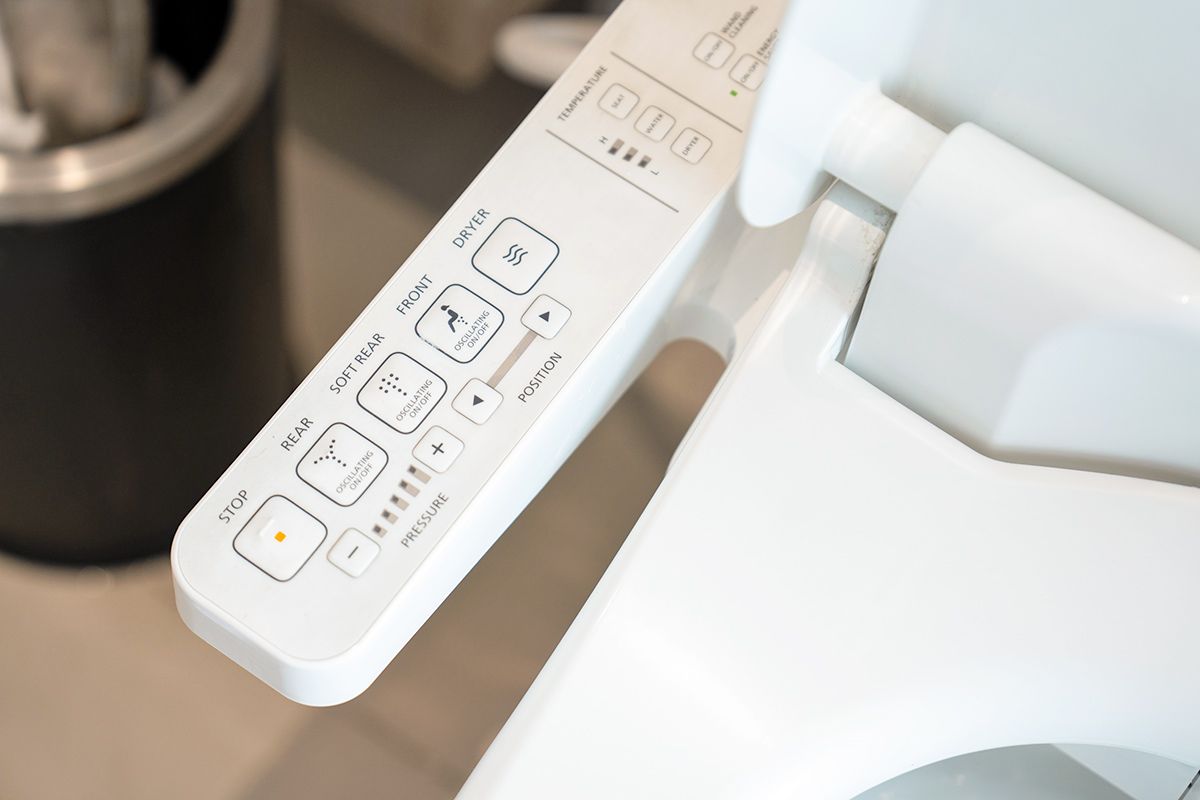
Adjust the pressure: Keep it set at low to moderate; too much pressure can irritate and splash back on your skin.
Get the right angle: Aim to flow front to the back to keep bacteria away from your urethra.
Control the temperature: Keep it warm so it won’t scald your skin.
Pat, don’t rub: After use, gently pat the area dry with a soft towel or use the built-in air dryer.
And of course, don’t forget to clean your bidet regularly.
What To Look for in a Bidet
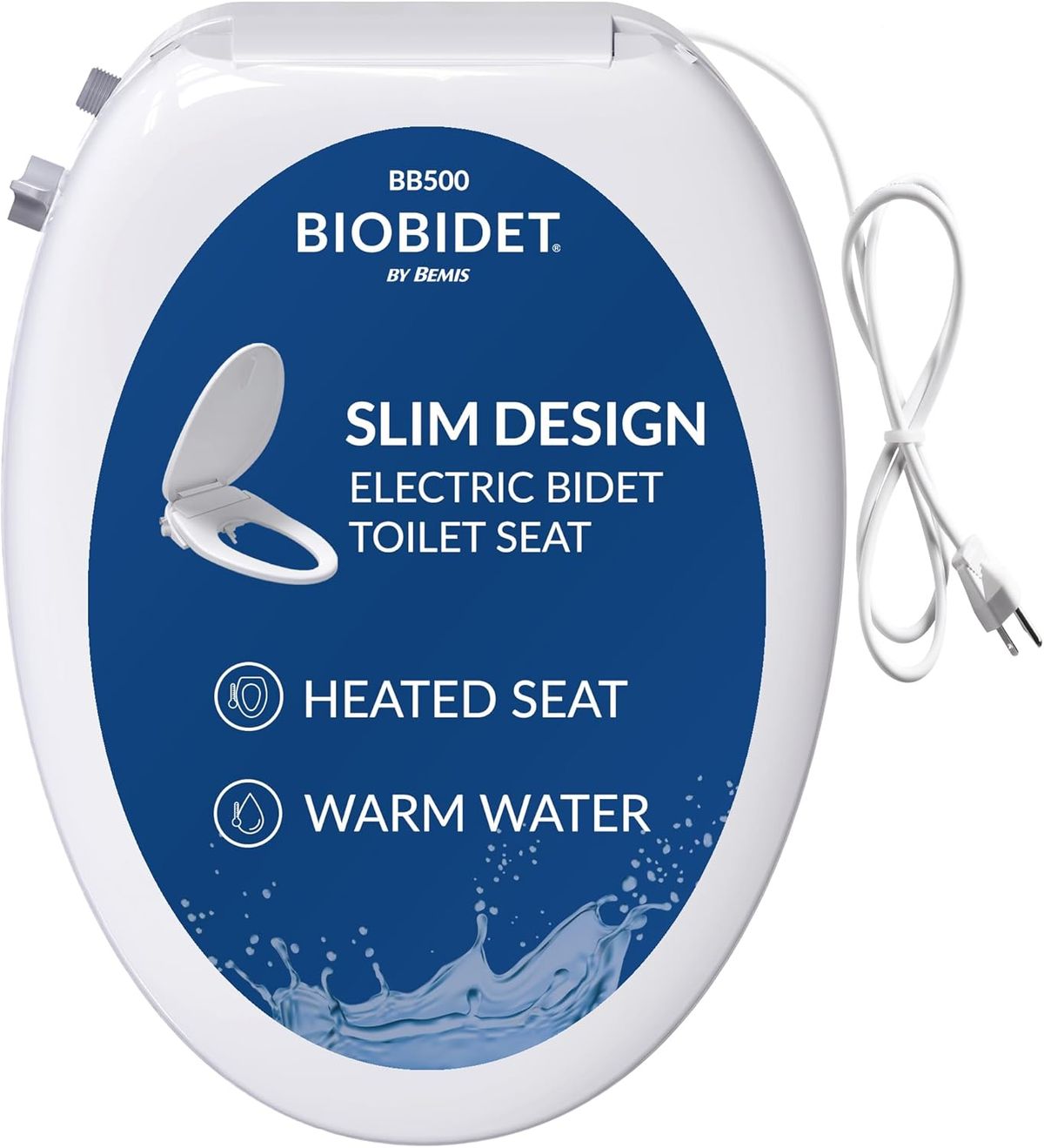
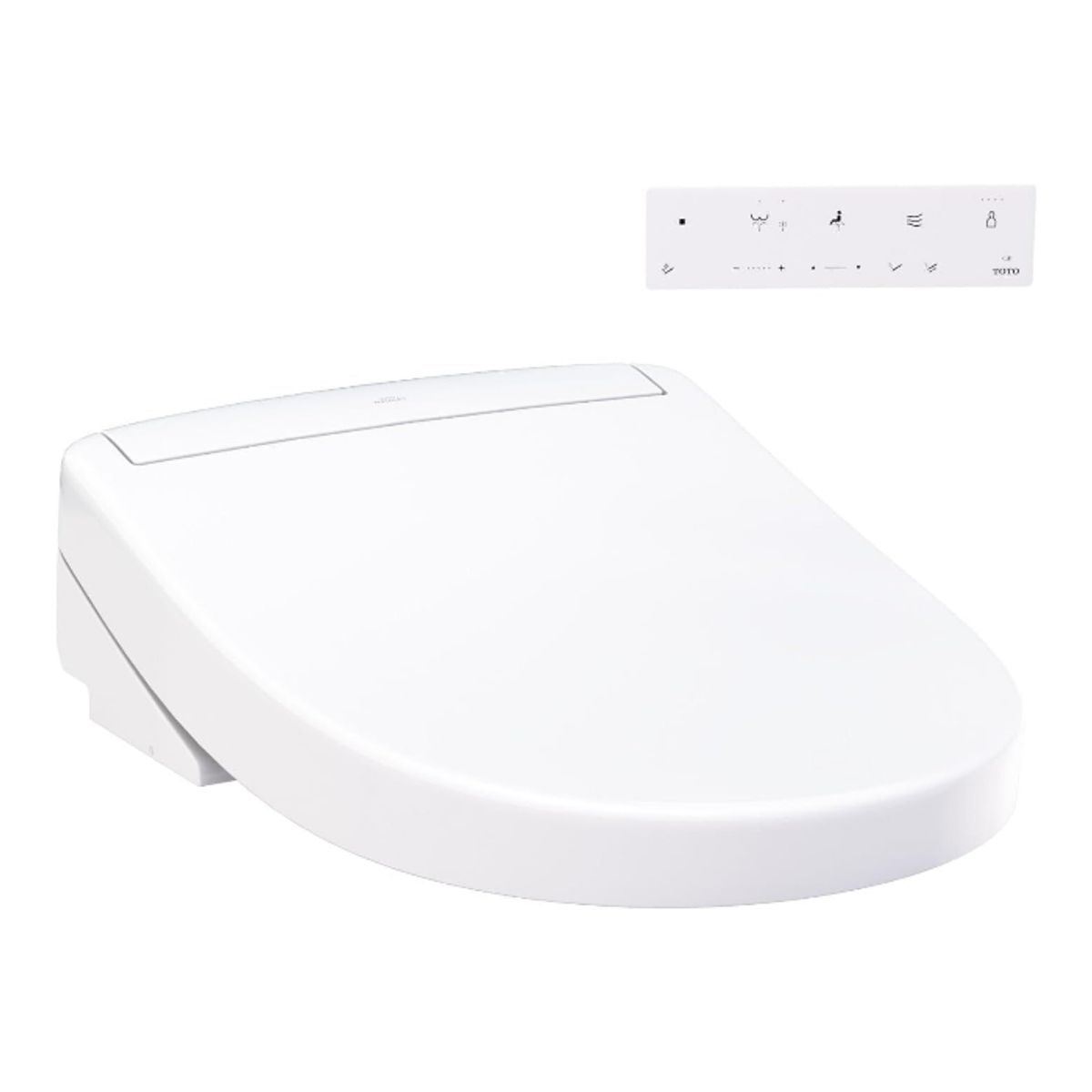
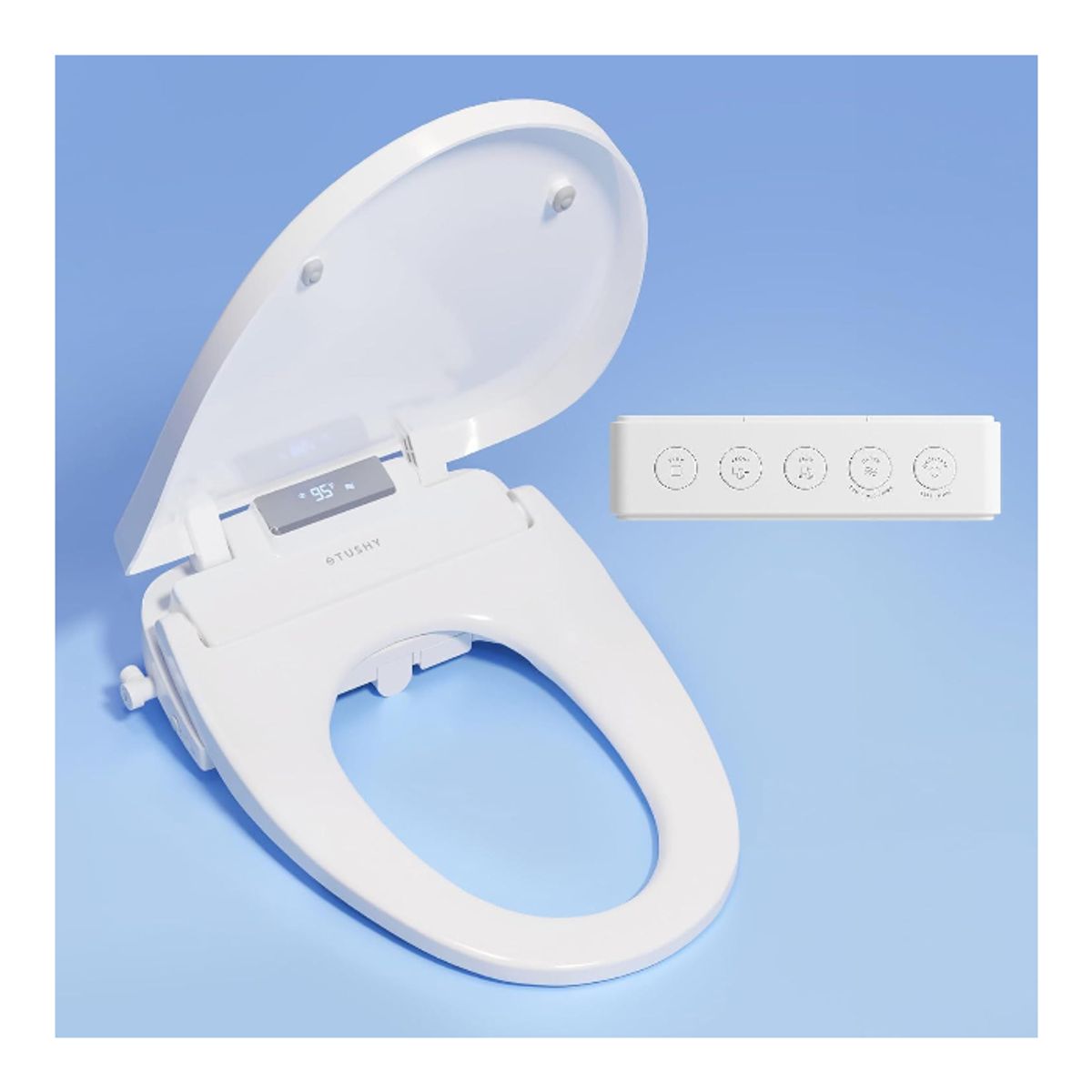
“An electronic bidet toilet seat attachment is usually the best and most practical choice for most homes,” Srivastava says, “as stand-alone bidets require dedicated plumbing and excess floor space.” Just look for features like adjustable water pressure, temperature settings, adjustable nozzle angles, and an integrated air dryer. Below are a few bidets to consider.
Featured Image Credit: © Andrei Liashchou/stock.adobe.com
More From Our Network
Better Report is part of Inbox Studio, an email-first media company. *Indicates a third-party property.






Sarah Gleim is an Atlanta-based freelancer with more than 25 years of experience writing and producing explainers and features about history, science, food, and health for media outlets like AARP, WebMD, The Conversation, History.com, HowStuffWorks, CNN, and others. She’s also the editor of several cookbooks for Southern Living and Cooking Light.
This article is for general informational purposes only.
Affiliate Disclaimer Medical Disclaimer Financial Disclaimer