The Best Temperature for Drinking Water

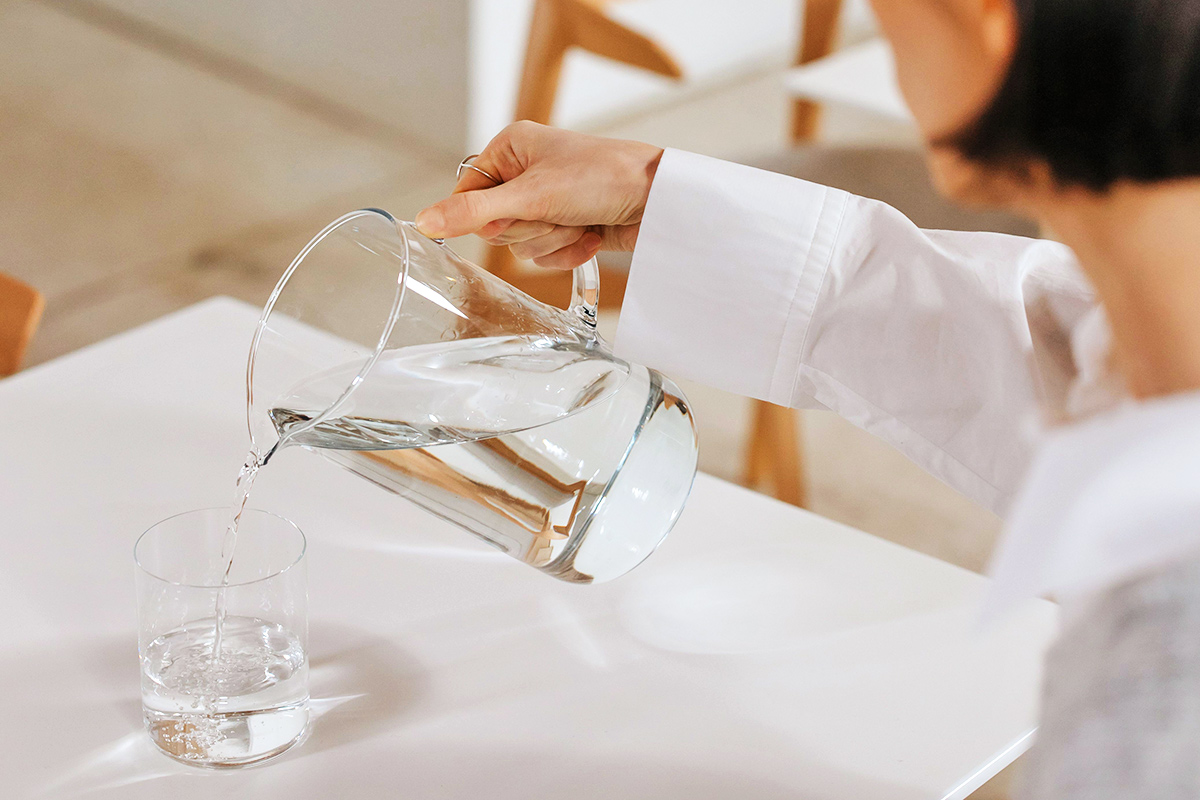
The best temperature for drinking water is a hotly debated topic. It’s kind of like Goldilocks’ three bears and their porridge: Ask one person, and they’ll tell you cold water is superior; ask another, and they may say that water at room temp or hotter is “just right.”
As it turns out, there’s no universal scientific consensus, either. But if you ask the experts, there are cases where there is a perfect temperature for drinking water; it all depends on your end goal. Cold, room-temperature, and hot water can benefit the body in various ways, so let’s look at when you should sip on each one.
Ice and Cool Water
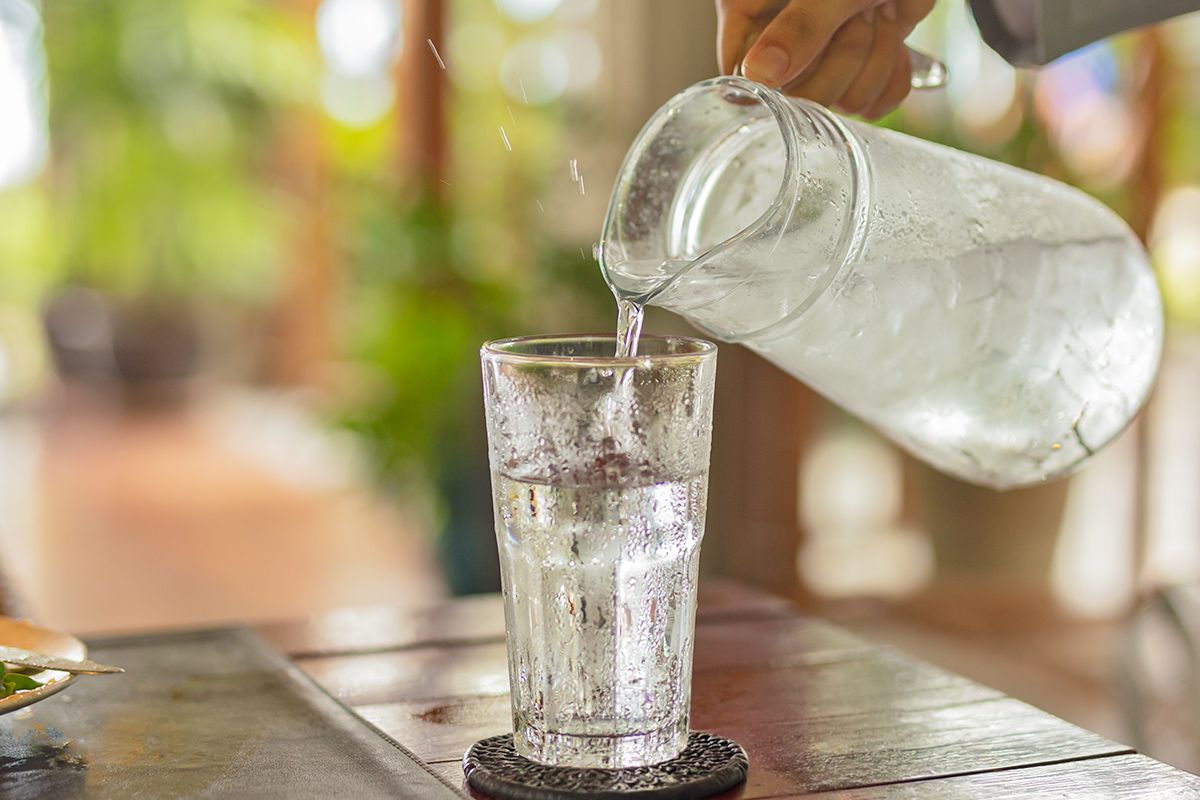
According to gastroenterologist Brian Weiner, M.D., ice water can be as low as around 41 degrees and cold water straight from the tap may hover around 60 degrees. For those who find there’s nothing like sipping on a tall glass of freezing cold water on a hot summer’s day or during an intense workout, water that falls within this temperature range is the ideal option for proper hydration.

Reader Favorites



There may be something to that: Not only do older studies seem to support it, but according to one research paper from 2022, test subjects who drank cold water during a workout had a smaller rise in core temperature than those who drank room-temp water. The subjects’ core temperature was assessed every 15 minutes, and those in the cold group didn’t see their core temperature rise until 30 minutes into the workout, whereas the other group’s increased after 15. Dr. Weiner says that other studies have demonstrated that cold water also seems to cool athletes down more quickly. Plus, a 2025 study found that cold water lowers a person’s core temperature plus their skin temperature more effectively than hot water; participants who drank cold water also showed improved manual dexterity.
There may be other benefits, too. Dr. Weiner published a paper suggesting that drinking cold water — or swallowing ice — helps people lose calories. According to his findings, it takes 5 calories to melt a single ounce of ice that’s been consumed.
A study from 2013, however, gave the edge to cool water (around 61 degrees Fahrenheit rather than ice cold). After experiencing heat stress, participants in the study voluntarily chose to drink more of the cool water than the other options, and while consuming the cool water, they lost very little water through sweat. These findings suggest that not only is cool water preferable in terms of its drinkability, but it’s also ideal for rehydration, as it gets the job done without making a person’s teeth chatter or burning the roof of their mouth.
Room-Temperature Water
There are times when you may want to avoid drinking cold water, though. One study suggested that cold water can exacerbate bad headaches, especially migraines, in women. Cold water can also worsen the pain associated with achalasia, a condition where people struggle to pass food through their esophagus. And people with sensitive teeth may find drinking cold water unpleasant or painful.
Additionally, there’s a belief that cold water can constrict stomach muscles and slow down the digestive process. Evidence backing up this idea is limited, but those who adhere to it say that lukewarm water supports better digestion in a way that cold water does not.
Room-temperature water is a solid alternative if you can’t handle cold or cool water. The temperature typically hovers between 68 and 72 degrees, but it can also be slightly higher or lower depending on your surroundings. Room-temperature water will hydrate you and aid in digestion, and it’s also highly unlikely to cause discomfort. So if you struggle with headaches, achalasia, or sensitive teeth, room-temp H2O may be the best option for you.
Hot Water
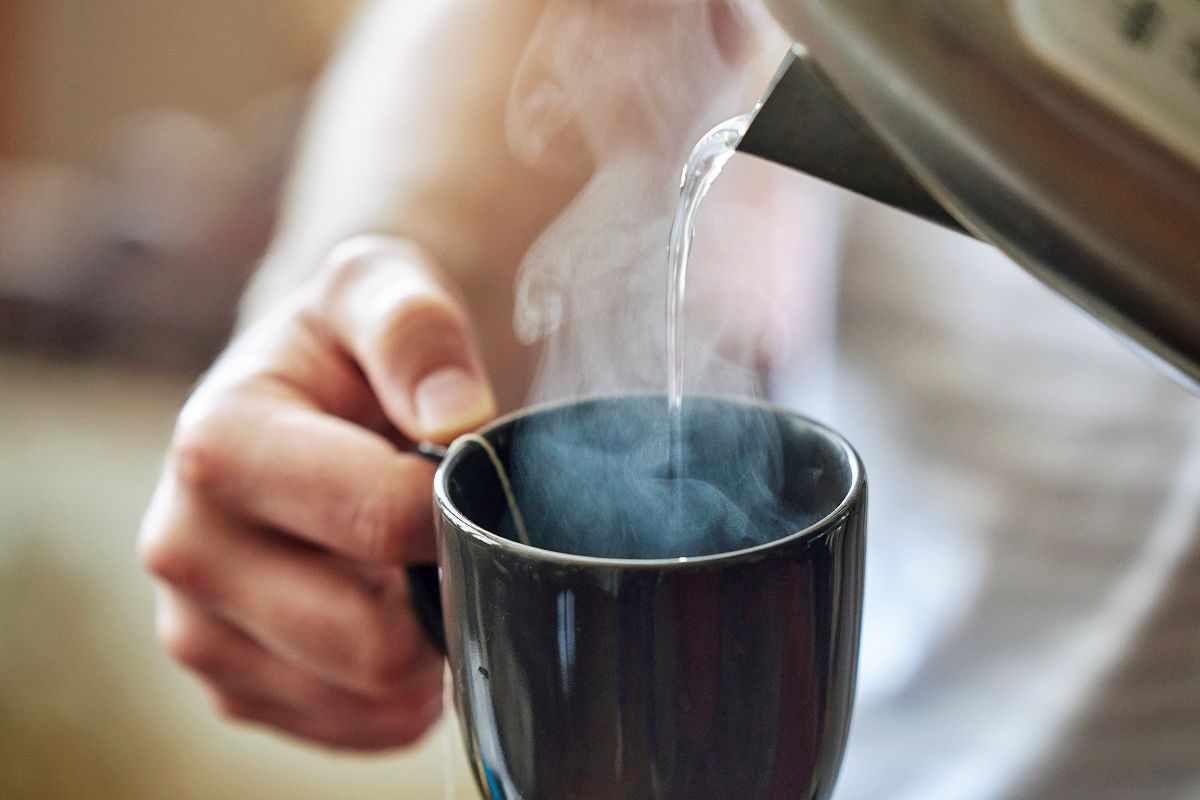
When you’re feeling physically ill, recovering from a medical procedure, or dealing with clogged sinuses, hot water may be the panacea you’re looking for.
Some believe that hot water (like tea or soup) can provide steam and heat that ease congestion, reduce shivering if you have the chills, and may loosen up the bowels to relieve constipation. In a 2016 study, patients who had recently undergone surgery were given warm water right around their body temperature (98.6 degrees Fahrenheit). Those who consumed the warmer water were able to pass gas with greater ease than those who didn’t, suggesting that warm or hot water can assist in loosening up the digestive system to keep gases and foodstuffs moving.
To be on the safe side, stick to liquids under 150 degrees Fahrenheit; according to a 2008 study, anything above 160 degrees may cause you to scald your mouth.
The Takeaway
At the end of the day, as long as you’re getting enough water to stay hydrated without scalding your mouth, there’s really no “bad” water temperature. What’s best is the one you’ll actually drink. According to the Mayo Clinic, studies have suggested that healthy adults should be aiming to consume between 11.5 to 15.5 cups daily, though individual circumstances can differ based on things such as activity level and environment.
Personal preferences aside, your best course of action may be drinking colder water when you’re physically exerting yourself, warmer water when you’re feeling ill, and room-temperature water if you’re looking for a midpoint.
Featured Image Credit: © cottonbro studio/Pexels.com
More From Our Network
Better Report is part of Inbox Studio, an email-first media company. *Indicates a third-party property.







Bennett Kleinman is a New York City-based staff writer for Inbox Studio. He is also a freelance comedy writer, devoted New York Yankees and New Jersey Devils fan, and thinks plain seltzer is the best drink ever invented.
This article is for general informational purposes only.
Affiliate Disclaimer Medical Disclaimer Financial Disclaimer