7 Common Meds Seniors Overuse


Pop quiz: How many different medications and supplements do you take every day? If you’re like many older Americans, that number is five or more.
This phenomenon is called polypharmacy, and it’s a concern for seniors who may take prescribed or over-the-counter medications or supplements for several health conditions simultaneously. Polypharmacy can occur when different doctors prescribe treatments for a single patient without coordinating their care, or when patients continue medications for a long time without periodically reevaluating their benefits.
Polypharmacy isn’t inherently bad, but it may raise the risk of interactions among different drugs with negative consequences. Medication overload could contribute to the early deaths of 150,000 older Americans and harm the quality of life for many more in the coming years, according to a report from the Lown Institute, a health care system think tank. Every day in the U.S., about 750 people ages 65 and older are hospitalized due to side effects from one or more medicines, the report found, and from 2010 to 2020, 35 million seniors sought medical help for serious side effects.
Overmedication can bring on drowsiness, dizziness, confusion, and weakness, which can lead to more serious complications such as falls, fractures, or other accidents. And because seniors are often more sensitive to medications’ effects, the American Geriatrics Society recommends that some widely prescribed drugs should be used with caution or avoided altogether. Here are six types of medications to be wary of. (Be sure to speak with your doctor before making any changes to your own regimen.)

Benzodiazepines and Nonbenzodiazepines
Benzodiazepines like diazepam (Valium) and alprazolam (Xanax) are usually prescribed for anxiety, while a category of similarly acting drugs called nonbenzodiazepines, including zolpidem (Ambien) and eszopiclone (Lunesta), treat sleep disorders. All of these controlled substances can cause confusion and increase your risk of falls, and may be habit-forming. Despite the side effects, the percentage of people over 75 taking them rose from 12% to about 13% between 2020 and 2024.

Anticholinergics
This class of medications, which blocks signals sent out by the neurotransmitter acetylcholine, treats a wide range of issues, including motion sickness, tremors associated with Parkinson’s disease, overactive bladder, asthma, and chronic obstructive pulmonary disorder (COPD). An anticholinergic called diphenhydramine is the active ingredient in many over-the-counter allergy medications and sleep aids. The American Geriatrics Society recommends avoiding certain anticholinergics (including amitriptyline, trihexyphenidyl, and dicyclomine) because they may cause confusion, blurred vision, dry eyes and mouth, and urinary retention.

Reader Favorites




Antibiotics
In older people, antibiotics are commonly prescribed to treat diverticulitis (inflammation of small pockets in the lining of the colon), mild urinary tract infections, and other conditions. But they’re also prescribed even when it might not be appropriate, like against viral infections or when they may not work any better than over-the-counter treatments or dietary changes, which contributes to antibiotic resistance with long-term or incorrect use. According to the CDC, about one-third of antibiotic prescriptions in the U.S. are unnecessary. The effects of overuse range from a disrupted gut microbiome, abdominal pain, and nausea to subsequent infections that are harder to treat.

NSAIDs
Nonsteroidal anti-inflammatory drugs (NSAIDs), including ibuprofen (Advil, Motrin) and naproxen (Aleve), relieve pain and inflammation. They’re widely available over the counter, inexpensive, and effective — but using them too frequently for too long may come with serious side effects. NSAIDs increase the risk of developing bleeding ulcers in the esophagus, stomach, or intestines, especially in people over 75 and those who take blood thinners; long-term overuse also raises the risk of heart attack and stroke. Other complications of misuse include leg swelling, ringing in the ears, higher blood pressure, and kidney damage.
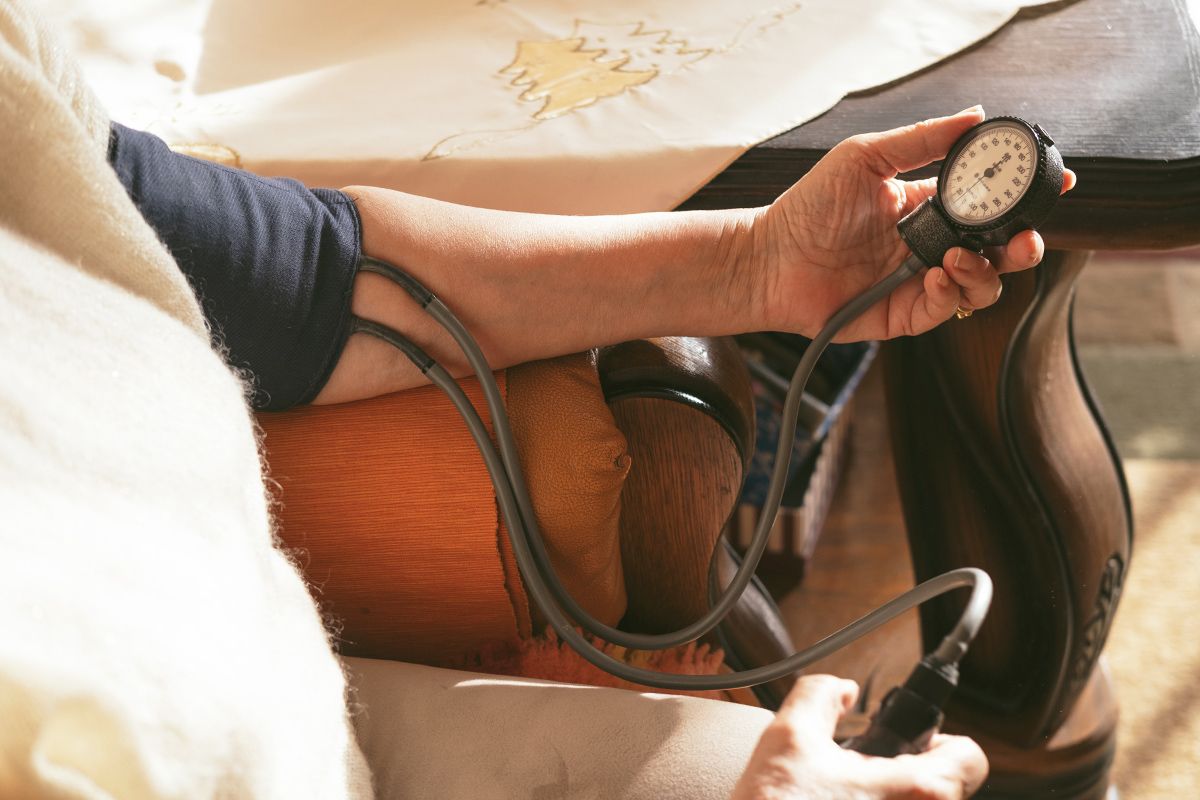
Aspirin
For decades, doctors recommended a daily low-dose aspirin to prevent heart attacks in people with high blood pressure. (Aspirin prevents blood platelets from sticking together, thereby reducing the chance of blood clots.) Research over the last 10 years, though, suggests that the risk of gastrointestinal bleeding supersedes the benefits of daily aspirin for people with a low risk of having a heart attack and for those over 70 who haven’t been diagnosed with cardiovascular disease. Plus, aspirin is also an NSAID and can cause the same side effects as ibuprofen and naproxen. Current treatment guidelines vary in their recommendations for different age groups, so it’s important to speak with your doctor before starting or changing any medications.
Featured Image Credit: © Getty Images/Unsplash.com
More From Our Network
Better Report is part of Inbox Studio, an email-first media company. *Indicates a third-party property.







Kat Long is a freelance science journalist in the Washington, D.C. area. Previously, she was the science editor at Mental Floss and a digital editor at National Geographic. She now writes the Arctic Archives newsletter on Substack. Kat spends her free time birdwatching, road-tripping to historical sites and perusing old manuscripts at libraries.
This article is for general informational purposes only.
Affiliate Disclaimer Medical Disclaimer Financial Disclaimer