Is Microwaving Plastic Really That Bad?
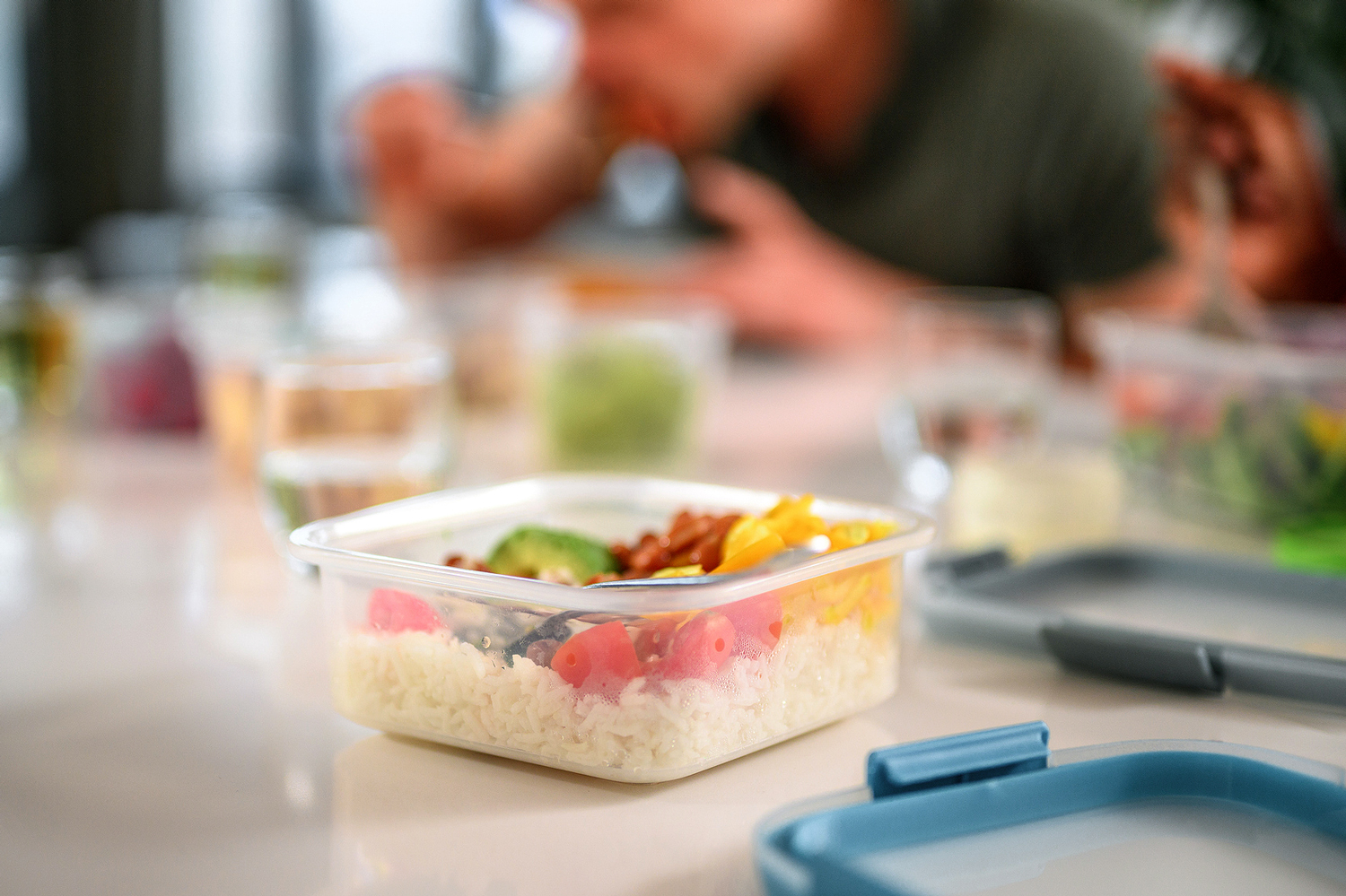
It’s hard to imagine life without microwaves. From reheating coffee to cooking frozen meals, we use microwaves for many kitchen tasks. While they are undoubtedly one of the most convenient and versatile appliances in the kitchen, there are concerns about the health consequences of using microwaves, specifically when it comes to plastic. As these plastic containers heat up, they can release chemicals into our food. But are the chemicals that harmful? Should we not be microwaving any plastic? The answer is complicated.
All featured products and deals are selected independently and objectively by the author. Better Report may receive a share of sales via affiliate links in content.
Concerns About Heating Plastic
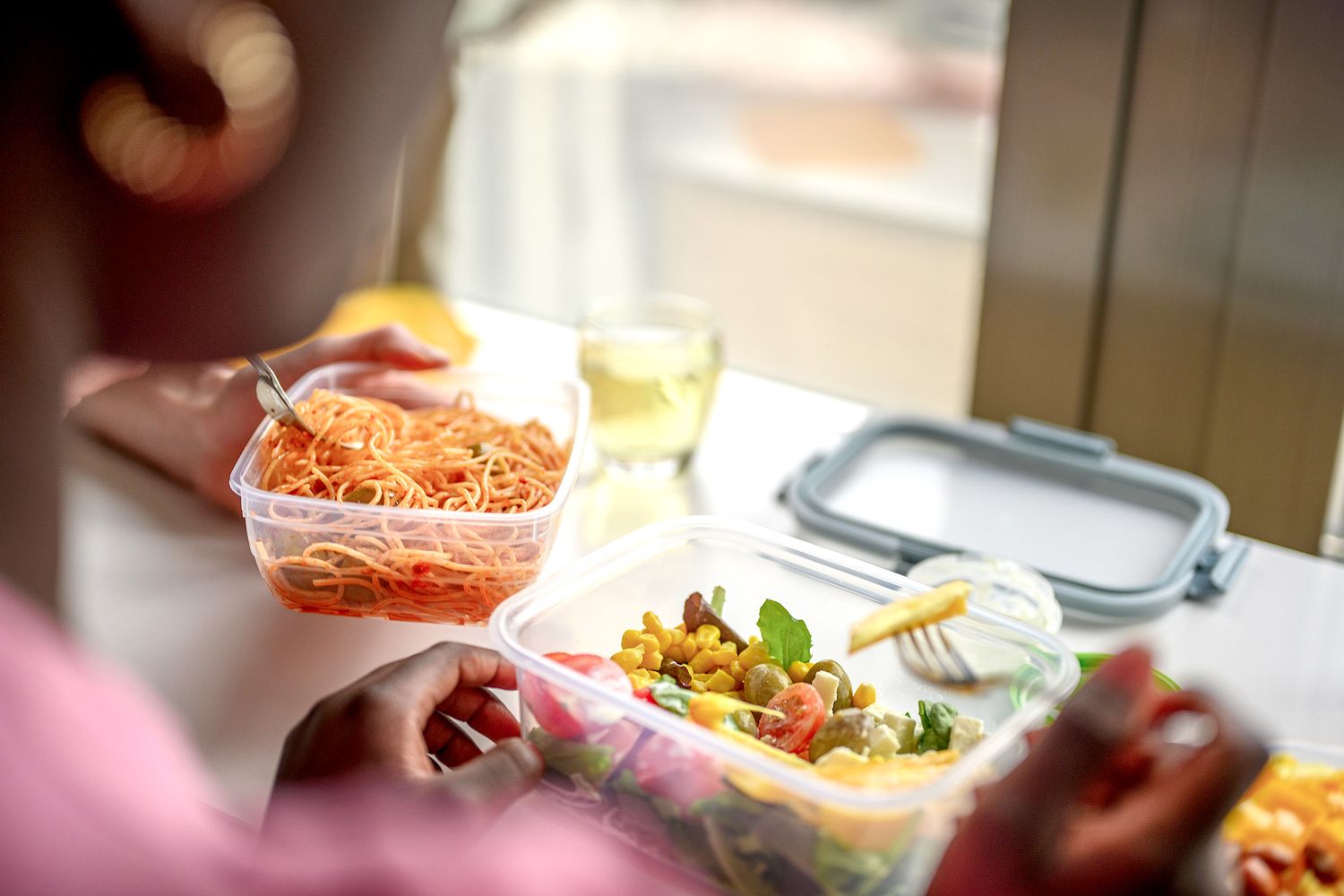
According to the National Institute of Health, some plastics contain endocrine-disrupting chemicals, most commonly bisphenol A (BPA) and phthalates. These chemicals can leach into food — especially when consistently exposed to heat — and interfere with the body’s hormones, leading to various health issues, including high blood pressure, cardiovascular disease, and kidney disorder.
The FDA states that most BPA passes through the body unabsorbed and is therefore safe to use at current levels, but it did ban the use of BPA in baby bottles and sippy cups in 2012 to appease the American Chemicals Council. However, the NIH believes that even low doses of these chemicals can be unsafe. All told, EDCs cannot be avoided entirely, so if you still choose to microwave food in plastic, consider using BPA- and phthalate-free containers to reduce exposure to these chemicals.
Additionally, a recent study showed that microplastics are also released when plastic is heated in the microwave. These microplastics can damage human cells, cause allergic reactions, and even cell death. For this reason, some consumers are steering clear of heating plastic altogether.
Never Microwave These Plastics
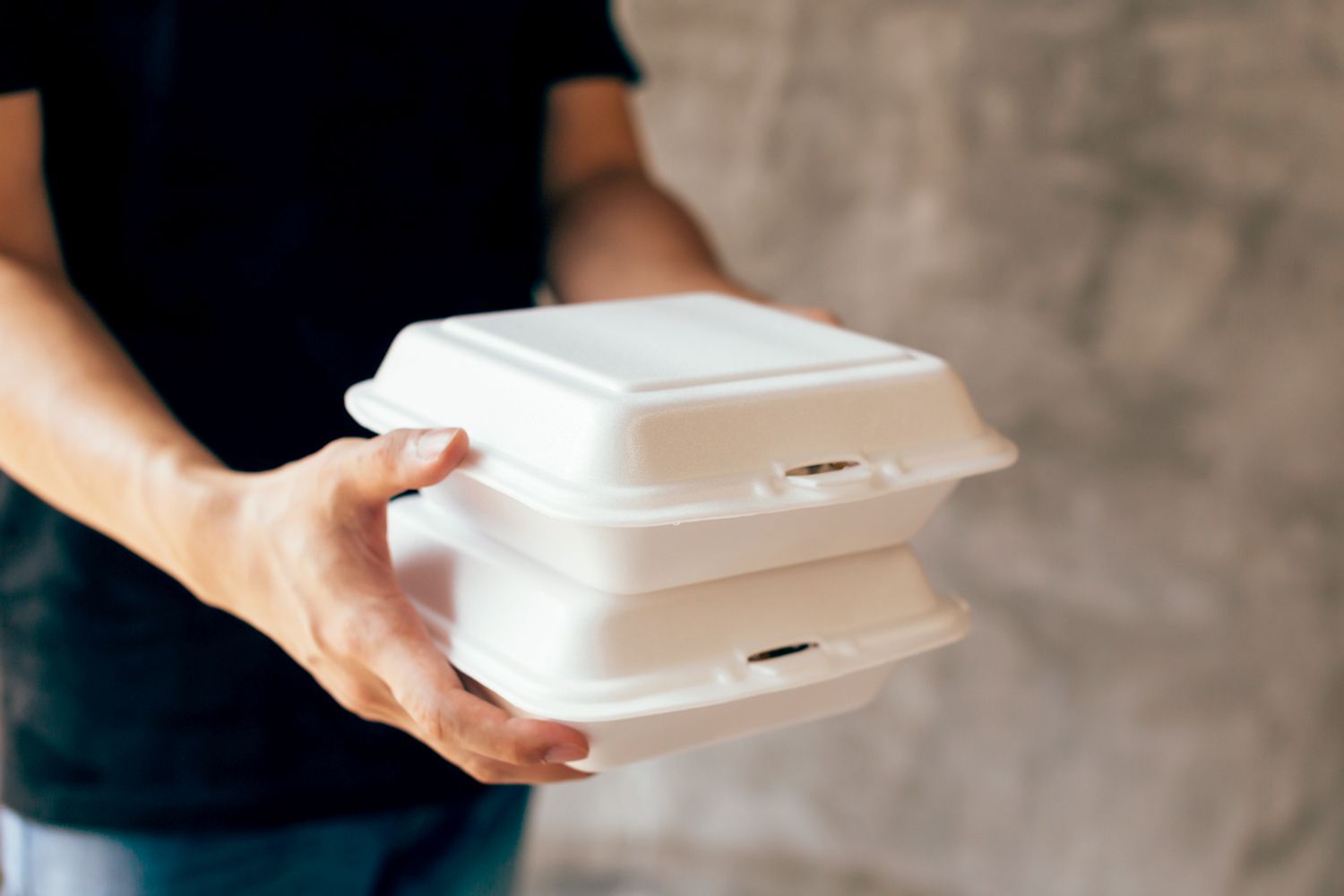
Due to the risk of chemicals leaching into heated food, some plastics should never be microwaved. Cold storage, single-use plastics such as the ones used for dairy (butter and cream cheese tubs, yogurt and cottage cheese containers, etc.) tend to melt and warp in the microwave, causing those harmful chemicals to come in contact with food. The same applies to many to-go containers, especially polystyrene (known as Styrofoam), which can leach styrene when heated, a possible carcinogen. If a container doesn’t have a microwave-safe symbol on the bottom (which typically looks like parallel wavy lines or a tiny microwave), it’s better to transfer the food to a safer alternative before heating.
When in doubt, check the recycling number on the bottom for a hint about its chemical makeup. In general, plastics with recycling numbers 1, 2, 4, and 5 are the safest to use around food and might be okay in the microwave. Numbers 3, 6, and 7 should be avoided — especially in the microwave — because they typically contain phthalates, polystyrene foam (Styrofoam), or BPA.
Microwave-Safe Plastics
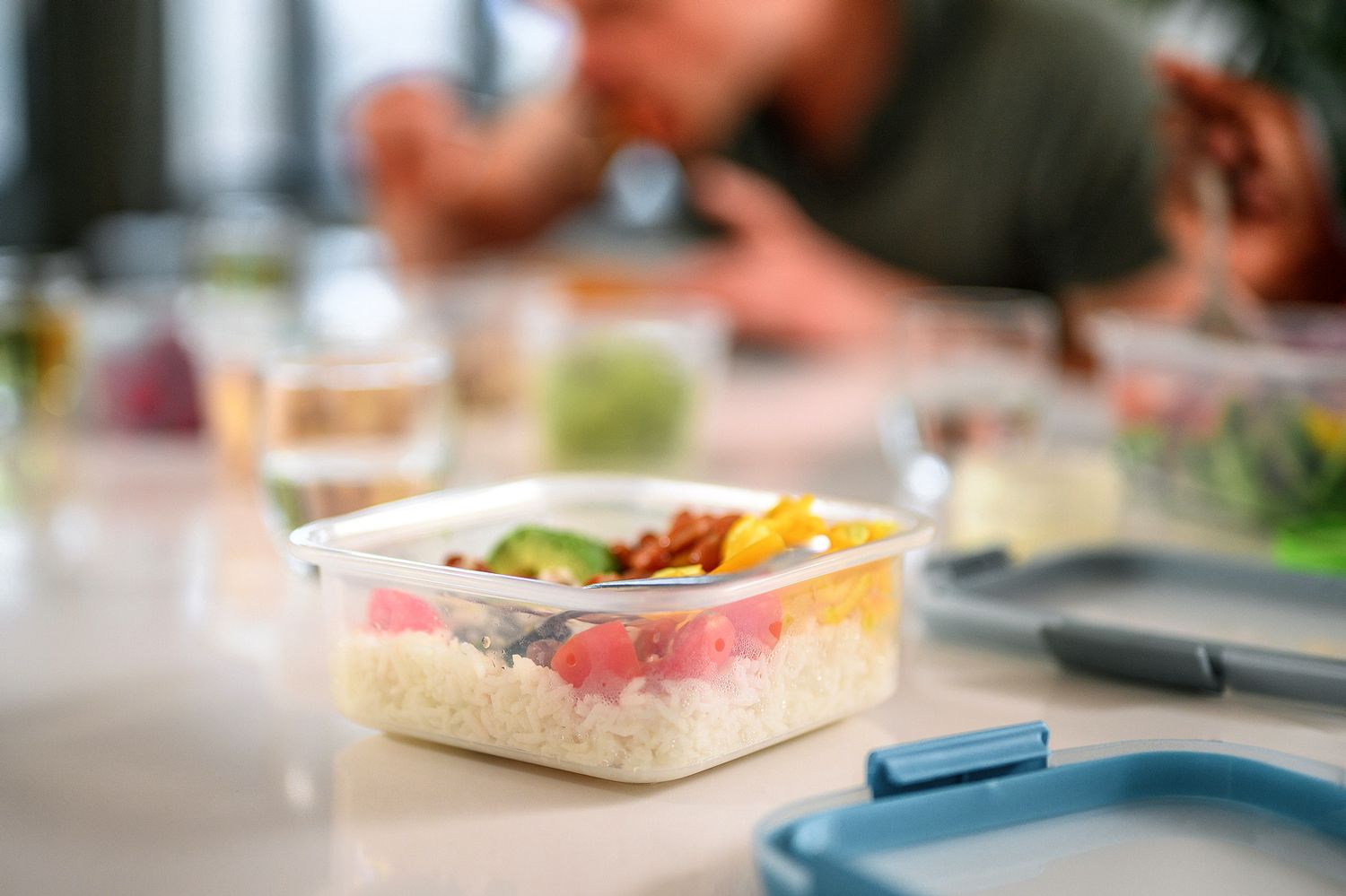
According to the USDA, some plastic containers are microwave-safe. Tupperware is a popular long-term food storage container brand that is usually microwave-safe. Many of the brand’s products are made from a plastic called polypropylene (PP), which has a higher melting point than most plastics and is the safest to microwave. This type of plastic is usually labeled with a recycling number 5 on the bottom and will also include a microwave-safe symbol.
It should also be noted that the FDA has no specific regulations controlling food packaging labeled for microwave use. This means that “microwave safe” can indicate that plastic will not melt or warp in the microwave, but it doesn’t always guarantee that harmful chemicals will not transfer into food. “Intended use” is a big part of the FDA’s food packaging regulations, so if a plastic container is meant to be microwaved or heated (e.g., a microwaveable frozen dinner), it is more likely to be safe than a plastic yogurt tub that is not explicitly meant to be heated. Keep “intended use” in mind when deciding what plastics to microwave.

Reader Favorites



The Best Plastic Alternatives
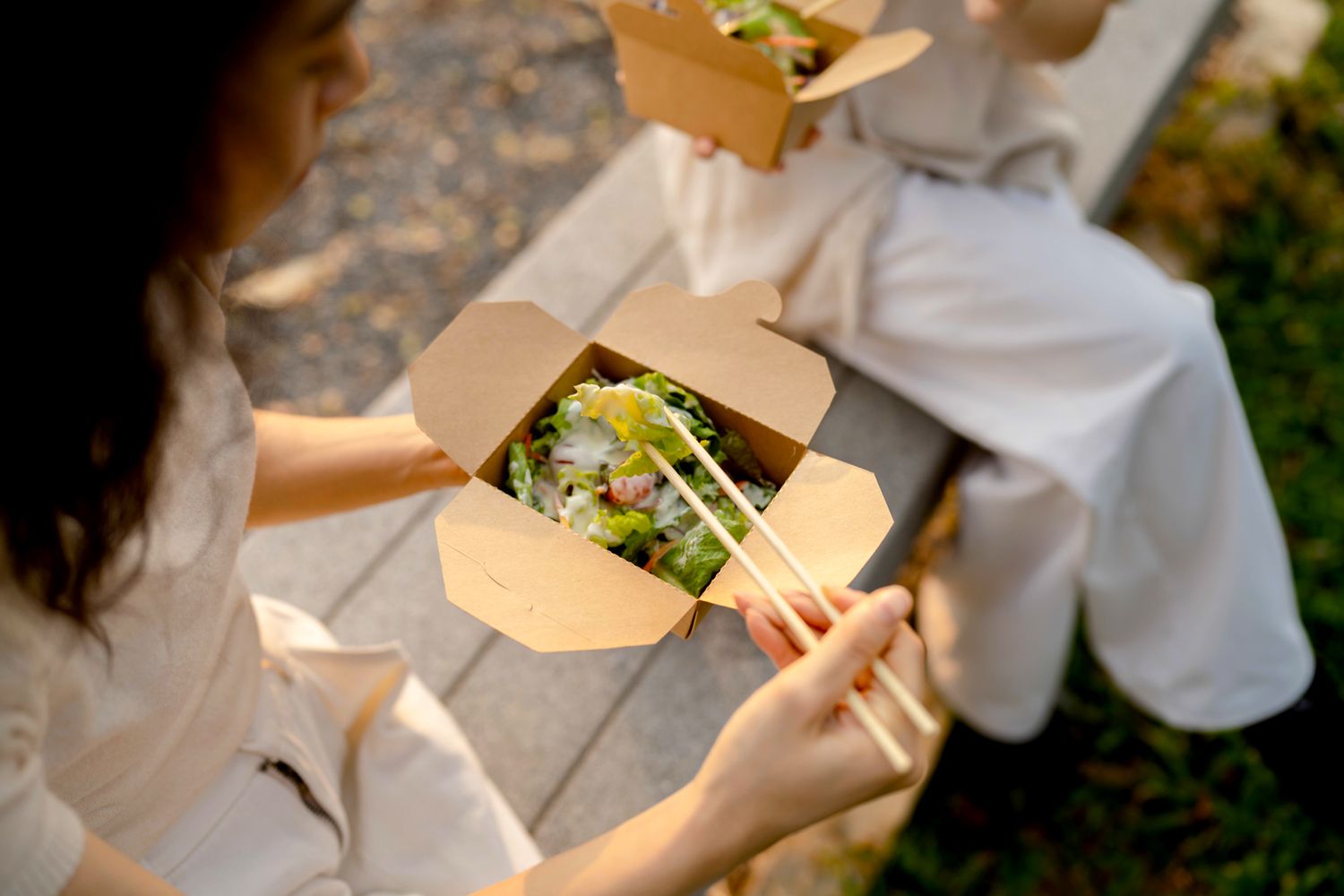
Fortunately, there are plenty of plastic-free alternatives for heating food. Most ceramic and glass containers are microwave-safe, but check their labels just in case. This includes heat-proof glass such as Pyrex and glass-ceramic such as Corningware. Typically, the only exceptions to this are crystal and some handmade ceramics. Takeout containers and disposable plates made of paper are usually microwave-safe unless they have a plastic coating on them. Remember to check for a microwave-safe label on the bottom.
Featured Image Credit: AzmanL/ iStock
More From Our Network
Better Report is part of Inbox Studio, an email-first media company. *Indicates a third-party property.