Common Foods Ruining Your Dishwasher
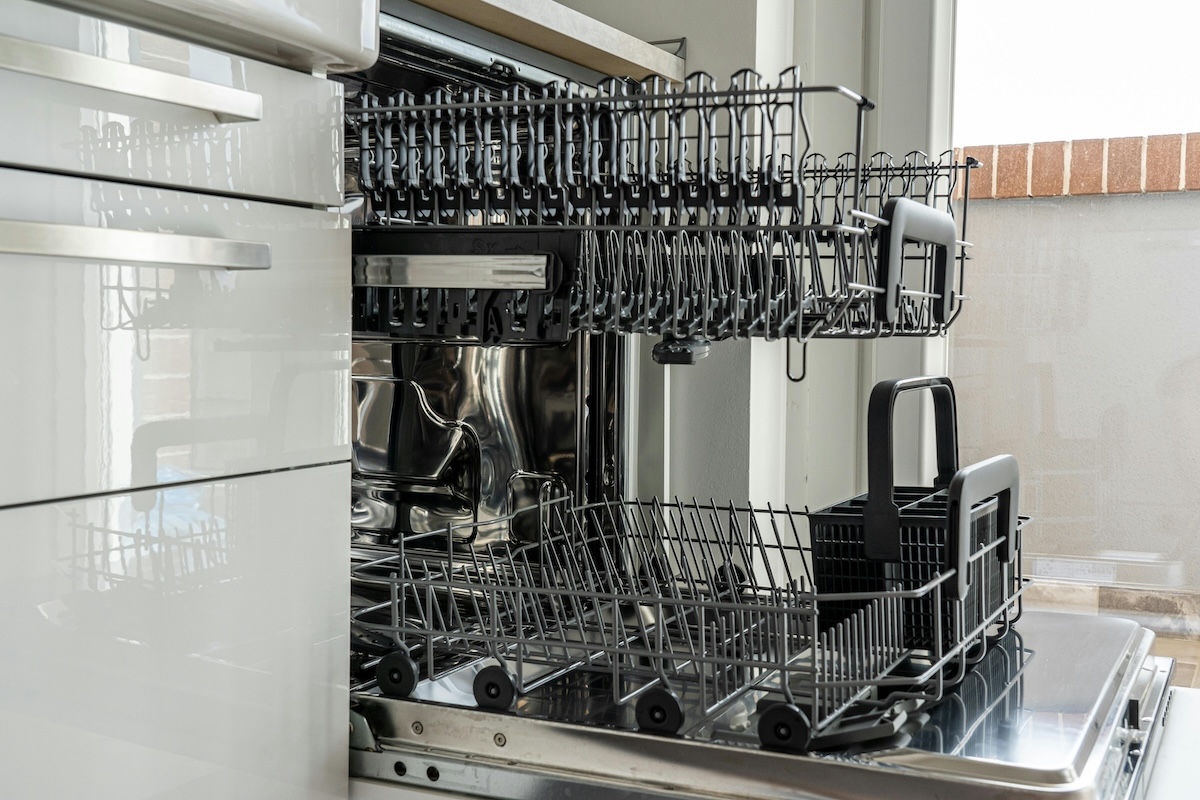

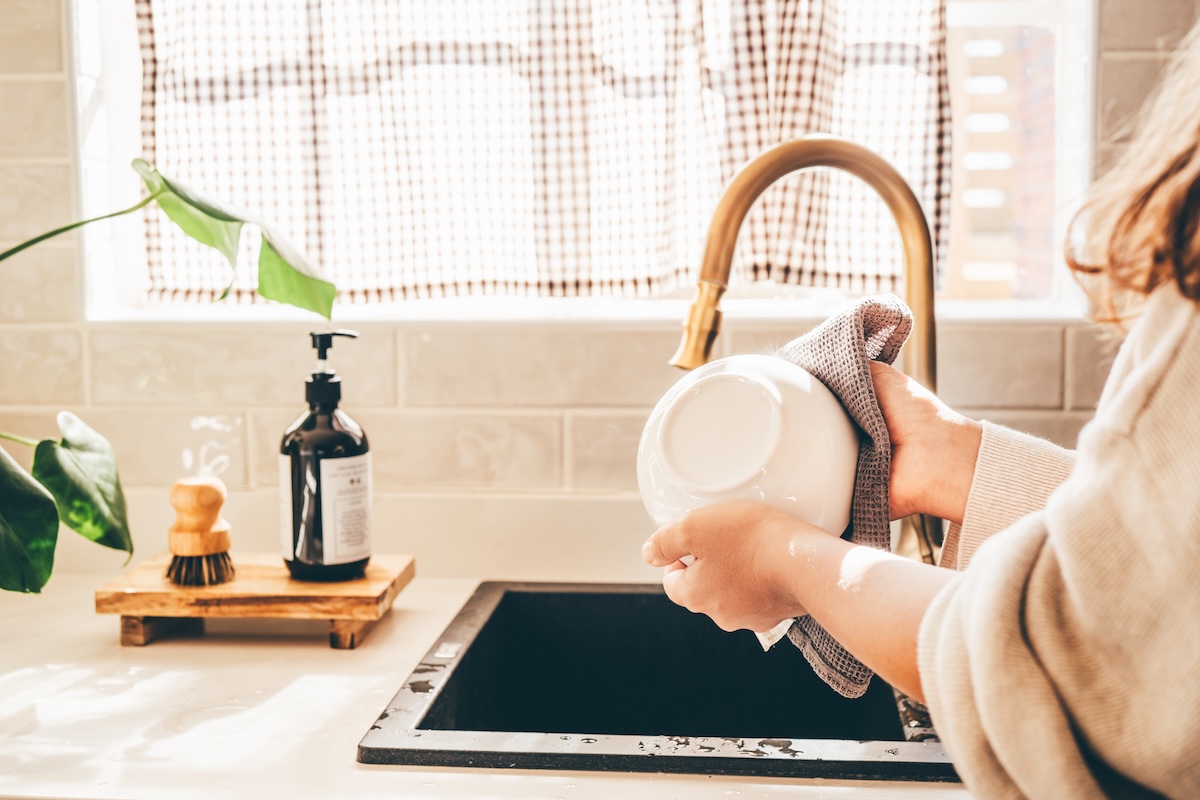
Is your dishwasher running smoothly, or does it seem slightly off? Maybe it’s become smelly or makes a weird, unfamiliar noise. Are your dishes not coming out clean anymore? You might need a repair technician, or it’s possible that your dishwasher just needs a thorough cleaning. To reduce the risk of either, avoid these common foods that can damage your dishwasher.
Starchy Foods
Starch itself isn’t necessarily bad, as modern detergents contain enzymes that break it down. However, starchy foods like pasta or potatoes are sticky and can clog the filter, drain hose, or pump, causing costly damage or reducing your dishwasher’s efficiency.
Eggshells, Bones, and Seeds
Eggshells, bones, and seeds won’t break down – they might clog or damage the filter, drain hose, or pump. If your filter has holes, replace it, as they can allow food particles to enter the pump impeller or motor seals, which is a more extensive repair.
While you might wonder why someone would be sticking eggshells, bones, or seeds in their dishwasher, think of what foods might contain these. A tiny bone from a fish or an eggshell stuck to the mixing bowl could easily make it into the dishwasher. Personally, I have to clean out my overnight oats jars before washing because the chia seeds get stuck everywhere (including my toothbrush!).
Grease
Just as grease can be problematic to pour down the sink, too much in the dishwasher could solidify and create clogs. Scrape off solidified grease into the trash or pour it into a container that can be tossed (or saved for another use).

Reader Favorites



Coffee Grounds
Coffee grounds or tea leaves can build up over time, creating the potential for odors or clogs. Make sure your reusable coffee pods or tea strainers are thoroughly emptied before tossing them in the dishwasher. These might be better hand-washed with a toothbrush, or at least soaked before being placed in the dishwasher.
Sourdough Starter
Sourdough starter can solidify like cement, both in the dishwasher and down the sink. Scrape as much as possible off of your container before loading it into the dishwasher. I frequently wipe mine out with a paper towel before washing. Overkill, maybe, but it keeps the sink and dishwasher lines clear. It may be necessary to pretreat the container before loading in the dishwasher.
The Truth About Pre-Rinsing
But wait, I thought we weren’t supposed to pre-rinse dishes? The commercials are correct — it’s not recommended, as modern detergents and dishwashers are made to break down the grime and efficiently clean dishes right off the dinner table. Today’s dishwashers are actually more efficient when there is some dirt and grime; otherwise, they might detect clean dishes and run a shorter cycle. Pre-rinsing also wastes water, and some food safety experts note that it can cause cross-contamination of other kitchen surfaces (like your sink, countertop, or sponge). Additionally, the detergent enzymes are less effective without food particles to cling onto and digest.
How Can I Fix My Mistakes?
Have you already made one of these mistakes? Check out your dishwasher manual for cleaning instructions. Emptying the filter, unclogging the sprayer arms, wiping down the seal, and running a vinegar cycle (or using dishwasher cleaning tablets) with an empty machine should all be part of your cleaning routine. This can help catch stray food pieces that can commonly cause dishwasher problems before they cause damage.
Feature Image Credit: Castorly Stock
More From Our Network
Better Report is part of Inbox Studio, an email-first media company. *Indicates a third-party property.