Do You Actually Need To Preheat Your Oven?

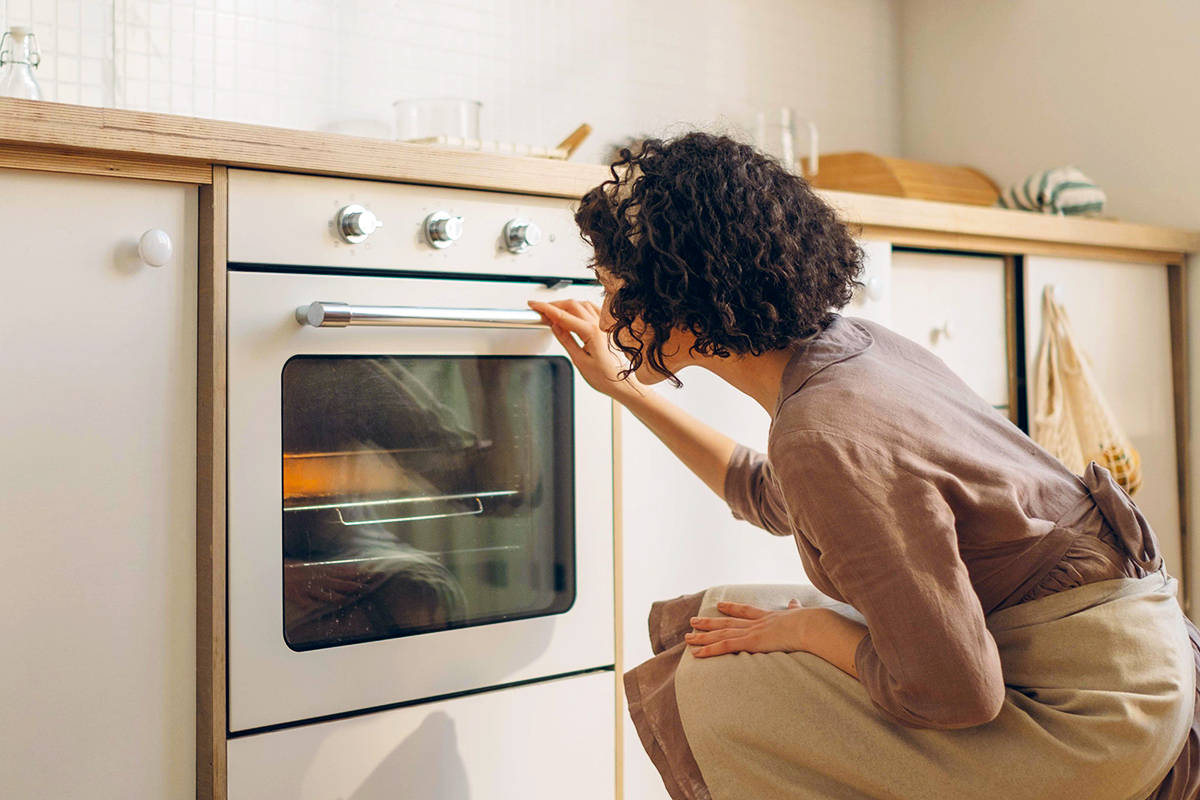
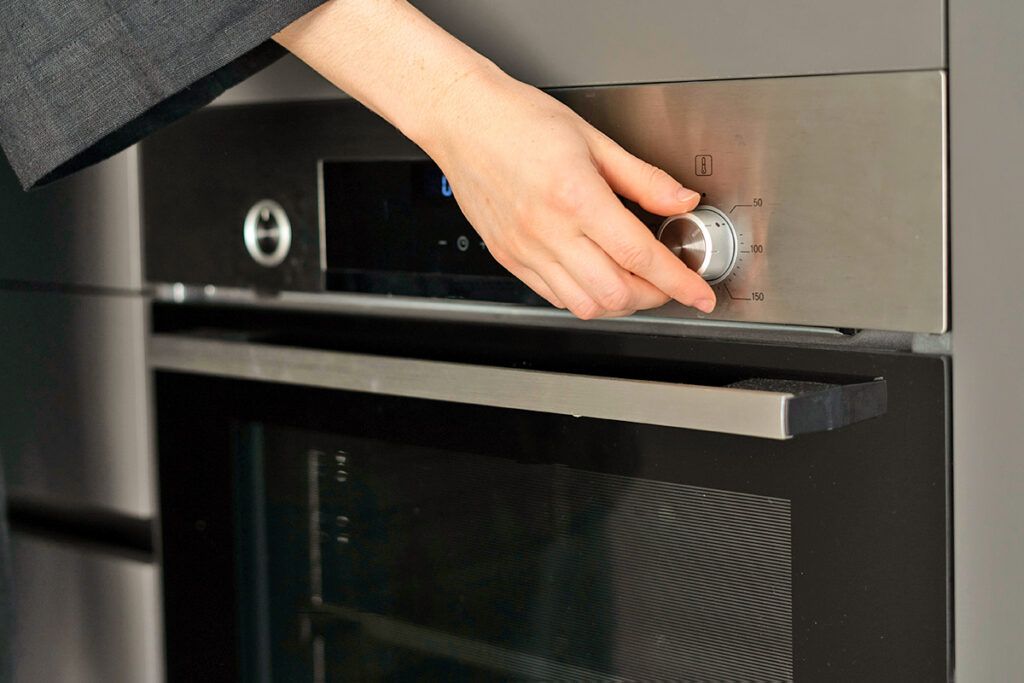
Preheating the oven is one of those kitchen habits most of us rarely question — something many of us do automatically without giving it much thought. We turn it on, wait for the beep, and only then throw our food in.
But is preheating worth the extra time and effort? Not always. Some recipes depend on a fully heated oven to bake or roast properly, while others are perfectly fine starting in a cold oven. In some cases, it can even improve the final result. It all comes down to what you’re making.
When Preheating Is Essential
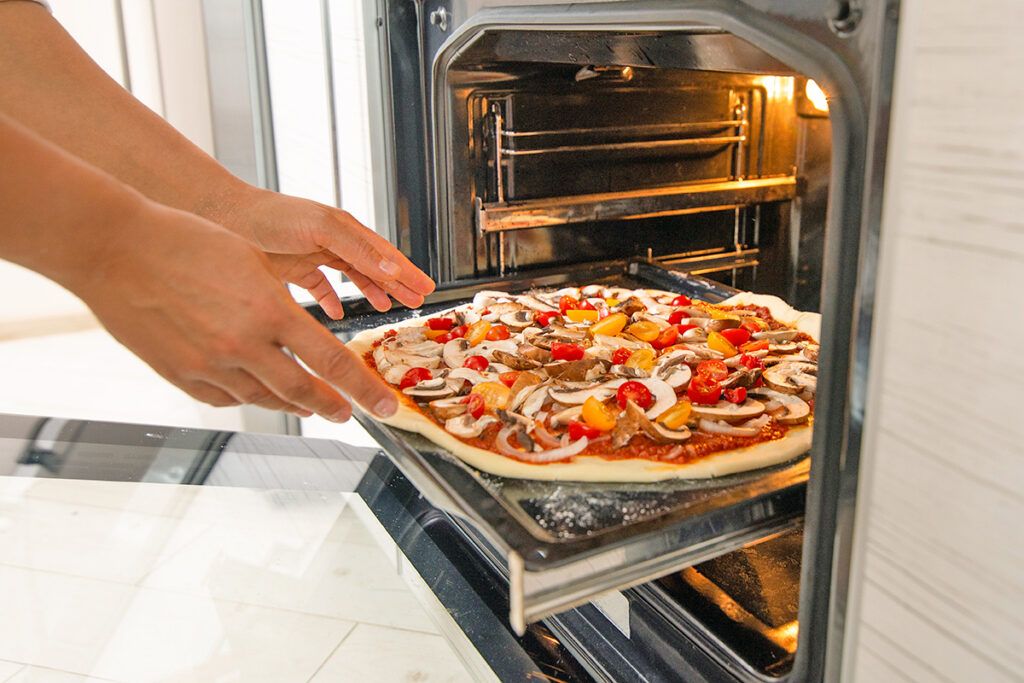
If biscuits, certain breads such as baguettes, or pizza are on the menu, it’s worth waiting for the oven to heat up. Experts at King Arthur Baking explain that these recipes need high heat right away to rise properly. Put them into a cold oven, and they can come out flatter and drier and may have a softer crust. The pros at Martha Stewart also recommend a fully preheated oven for baked goods with high fat content, such as puff pastry and croissants.
A preheated oven is best for some foods beyond baked goods, too. Frozen foods, for example, cook more evenly and develop a crisp exterior when they’re put in a preheated oven.

Reader Favorites



When You Can Skip It
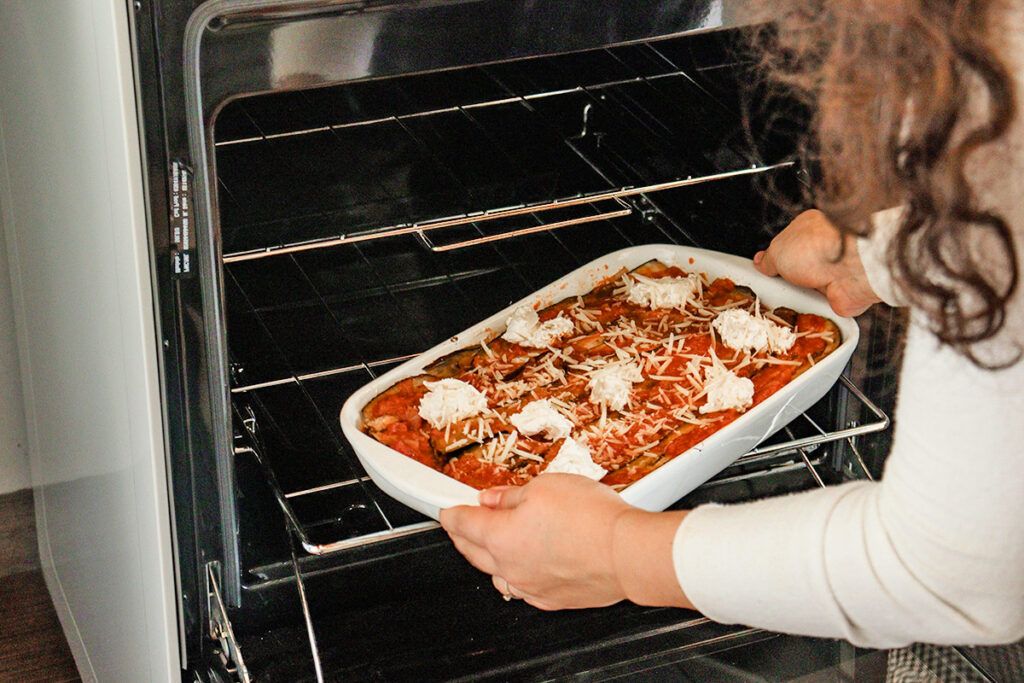
Not every dish is so temperature-sensitive. According to the University of Illinois, recipes with longer cooking times, such as casseroles and roasts, generally have enough time to cook through as the oven gradually reaches the desired temperature. These dishes remain in the oven for an hour or longer, so the first few minutes of warming have little effect on the finished dish.
And an immediate blast of heat doesn’t help every dish. According to Martha Stewart, foods ranging from pound cake and cheesecake to baked pasta, braises, potatoes, roast chicken, and bacon can all benefit from starting in a cold oven — it allows them to bake or roast more evenly as the temperature gradually increases and can encourage things like a gentler rise and better fat rendering.
The Bottom Line
Skipping preheating won’t automatically ruin a recipe or make a dish unsafe to eat, but there are some things you should keep in mind.
As Food & Wine notes, recipes are typically tested using a preheated oven, meaning the temperatures and time necessary to cook a dish are calibrated with that assumption in mind. Skip the preheating step, and the final texture of your food, as well as the time it needs to fully cook, can change. Your food may also spend more time than necessary between 40 degrees and 140 degrees Fahrenheit, the so-called “danger zone” in which bacteria proliferates, if your oven isn’t fully preheated.
So, if you decide to skip preheating, you should use a food thermometer — especially if you’re cooking meat, poultry, or seafood — to make sure your dish is fully cooked instead of relying on the recipe’s timing alone.
Featured Image Credit: © Ron Lach/Pexels.com
More From Our Network
Better Report is part of Inbox Studio, an email-first media company. *Indicates a third-party property.





Lauren Dana Ellman is a New York–based writer and editor specializing in lifestyle, travel, food, and shopping. A graduate of Syracuse University’s SI Newhouse School of Public Communications, she covers everything from destinations and hotels to fun product finds and personal essays. Her work has been featured in Condé Nast Traveler, AARP, Travel + Leisure, Time Out, The Knot, and more lifestyle-oriented publications.
This article is for general informational purposes only.
Affiliate Disclaimer Medical Disclaimer Financial Disclaimer