Everything You Need to Become the Houseplant Parent of Your Dreams
All featured products and deals are selected independently and objectively by the author. Better Report may receive a share of sales via affiliate links in content.
If you’ve dreamed of filling your home with lush greenery and cheery flowers, only to watch every houseplant you’ve ever bought die seemingly the second it enters your home, you’re not alone. Potted plants are a great way to add life and texture to your interior décor, but they’re also more challenging to care for than those growing directly in the ground. That’s because they depend entirely on you to artificially create the perfect environment for them to thrive, from lighting and airflow to soil texture and nutrition. Whether this is your first attempt or your 100th, use these 10 items to make this the year you finally keep a houseplant alive.
Prices are accurate as of November 12, 2024. Subject to change.
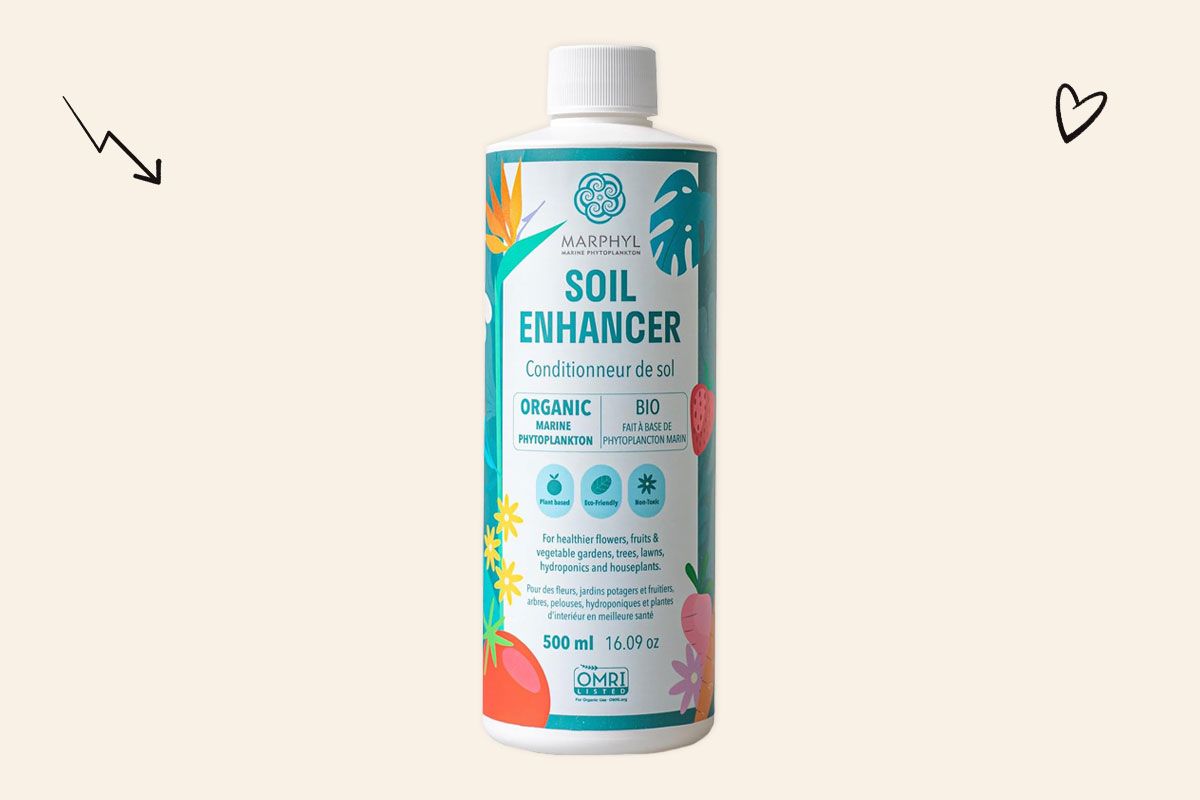
Marphyl Organic Liquid Fertilizer
Aside from nailing down the right watering schedule, feeding your plants is the most important step to ensuring they can thrive and grow. Standard potting soils typically prioritize drainage and texture of nutrient content. Some don’t even contain a speck of soil to speak of. That means you need to supplement with a high-quality fertilizer as often as once a month, depending on the plant.
This organic liquid fertilizer makes that easy. Simply add the right ratio of fertilizer and water to your watering can and then water your plants as normal. The 16-ounce bottle makes over 2.5 gallons when diluted to the correct ratio, so it will last years, even for the hungriest houseplants. Made from marine phytoplankton, it contains both essential and trace nutrients that plants need. Since it’s organic rather than synthetic, there’s also less risk of fertilizer burn — the damage done to a plant when it absorbs toxic levels of certain nutrients.
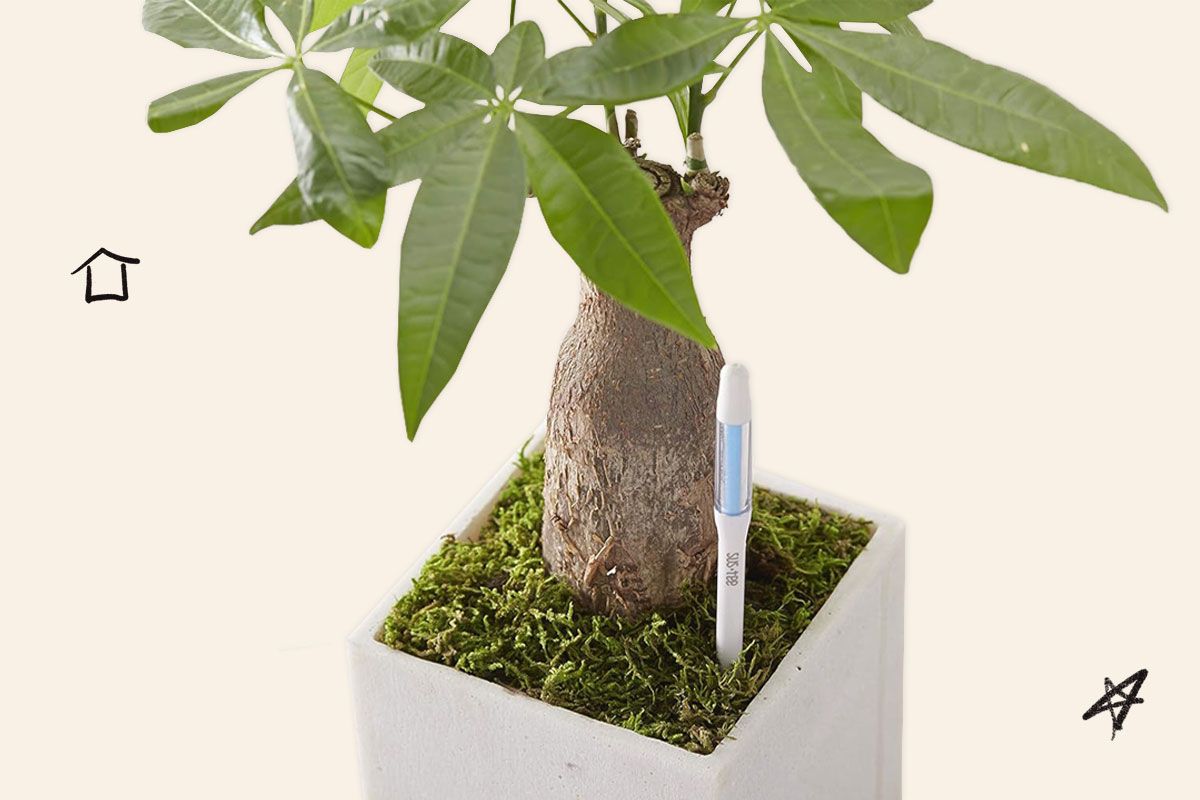
Aquameter Plant Soil Moisture Sensor
While new gardeners try to stick to a rigid watering schedule, plants don’t abide by our calendars. Watering every Monday could be too much one week and not enough the next week. That’s because what matters is soil moisture. During humid periods, the soil won’t dry out as quickly so you should water less. During drier periods, it dries out faster so you should water more to make up for it.
This pack of five moisture sensors takes the guesswork out of watering. Just stick one into the soil of each potted plant you have and leave it there. If the indicator is blue, the soil is moist and doesn’t need water. If it turns white, the soil is dry. This makes it easy to tell at a glance which of your plants need water and which don’t so you never overwater or underwater again.
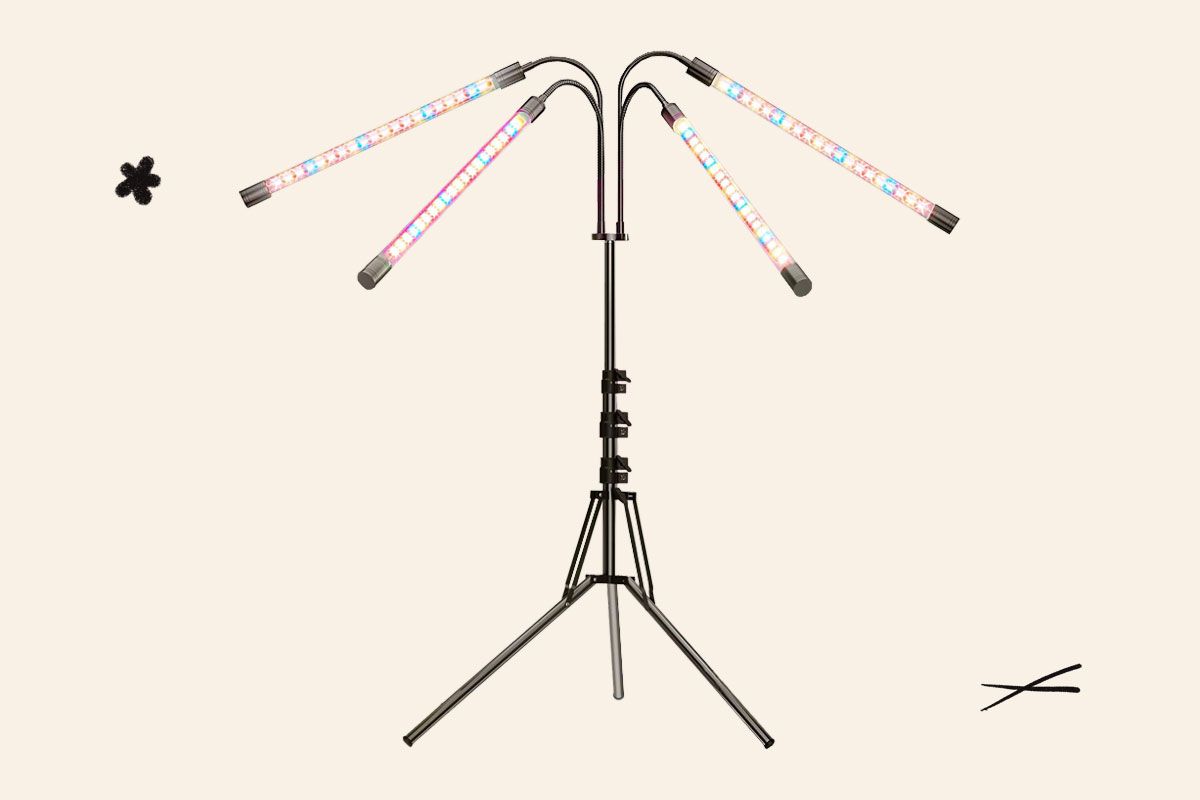
Frenan Grow Lights
Plants need sunlight to survive. Even the most shade-tolerant species need at least some filtered daylight to get by. For indoor plants near windows with minimal natural light exposure, you need to supplement with what I call “light baths.”
Using this full-spectrum grow light, you can provide as much artificial sunlight as your plants need. With four LED light bars on bendable arms and an adjustable stand, it’s easy to maneuver this to cover multiple plants at once. Then, set the timer and you’re good to go. This is a convenient option for plants that already get most of their light needs from a nearby window and just need the occasional “light bath” to make up for the shorter days of winter.
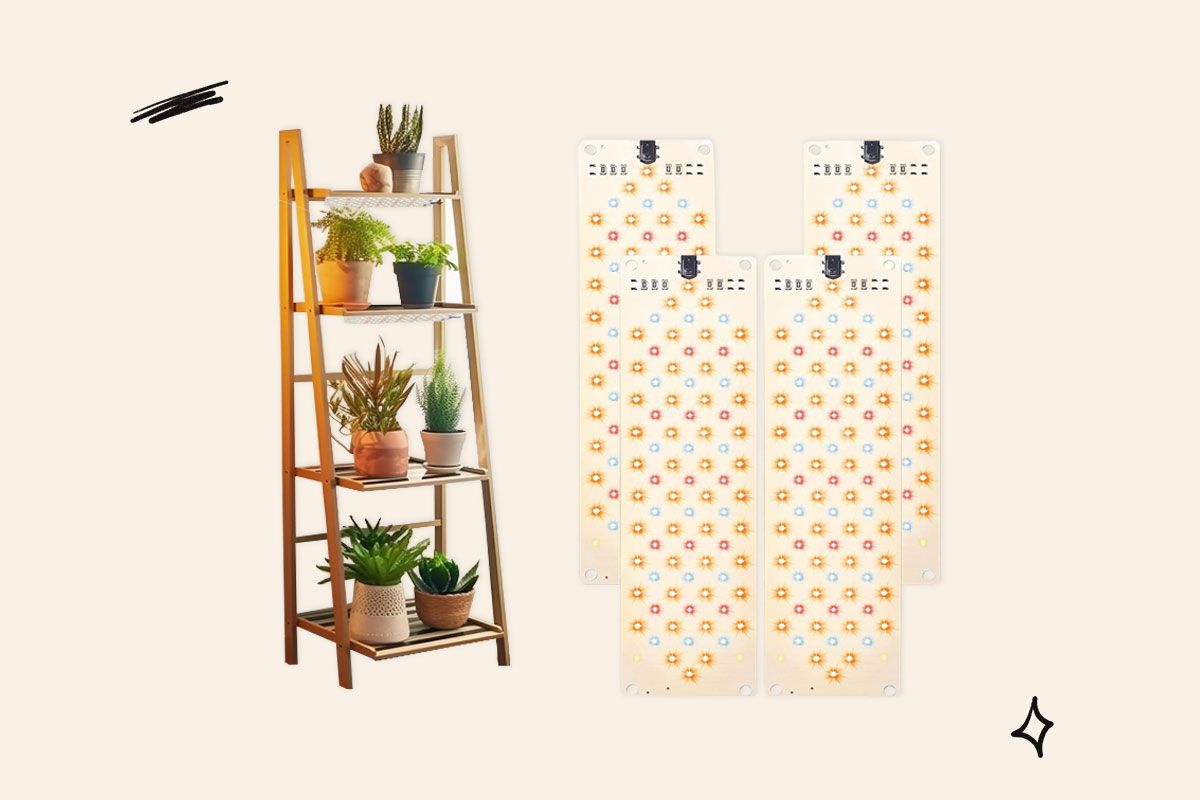
Rocoking Grow Light Panels
For those indoor plants that are nowhere near a window, you’ll need to provide all of their light needs with grow lights. Instead of setting up tripod lights every day, try permanently mounting these full spectrum light panels above the plant instead. These are ultra-thin so you can mount them to the underside of a shelf or cabinet without them being noticeable. Then, plug it in, set your timer, and forget about it. The timer can be set to stay lit for either three, nine, or 12 hours so you can adjust based on the specific needs of your plants.
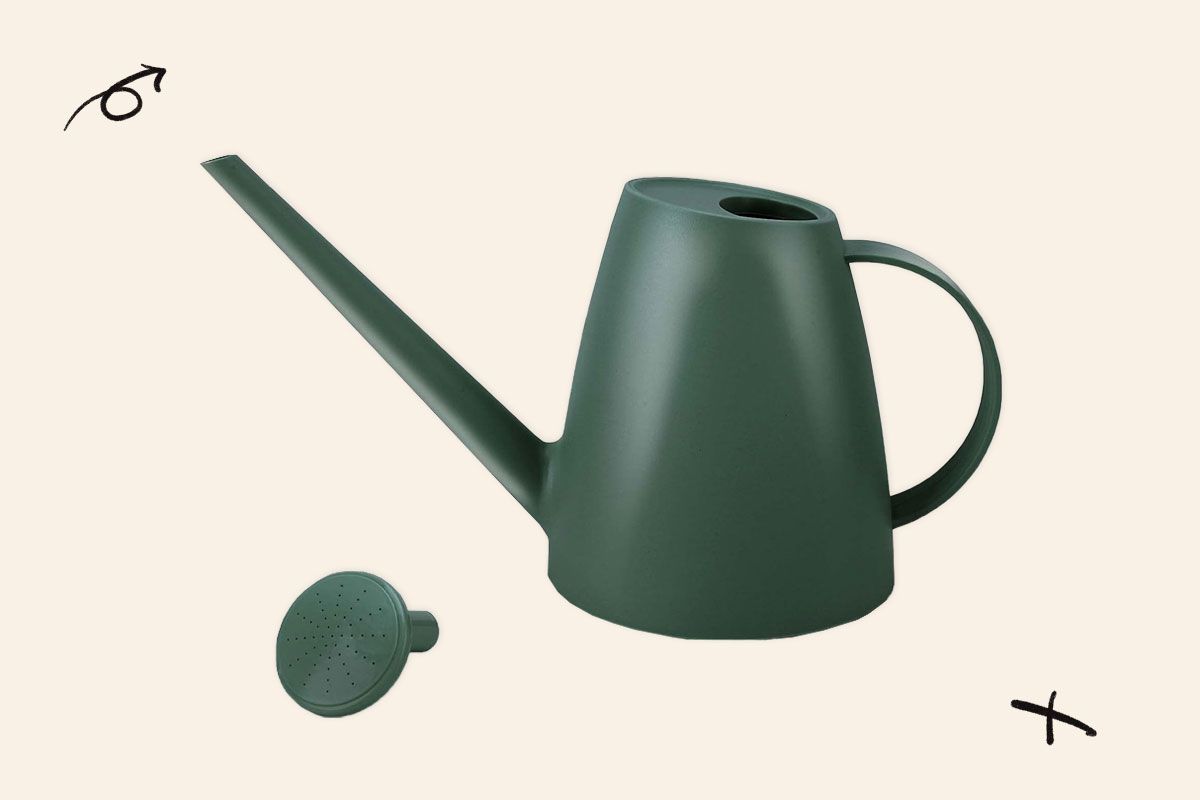
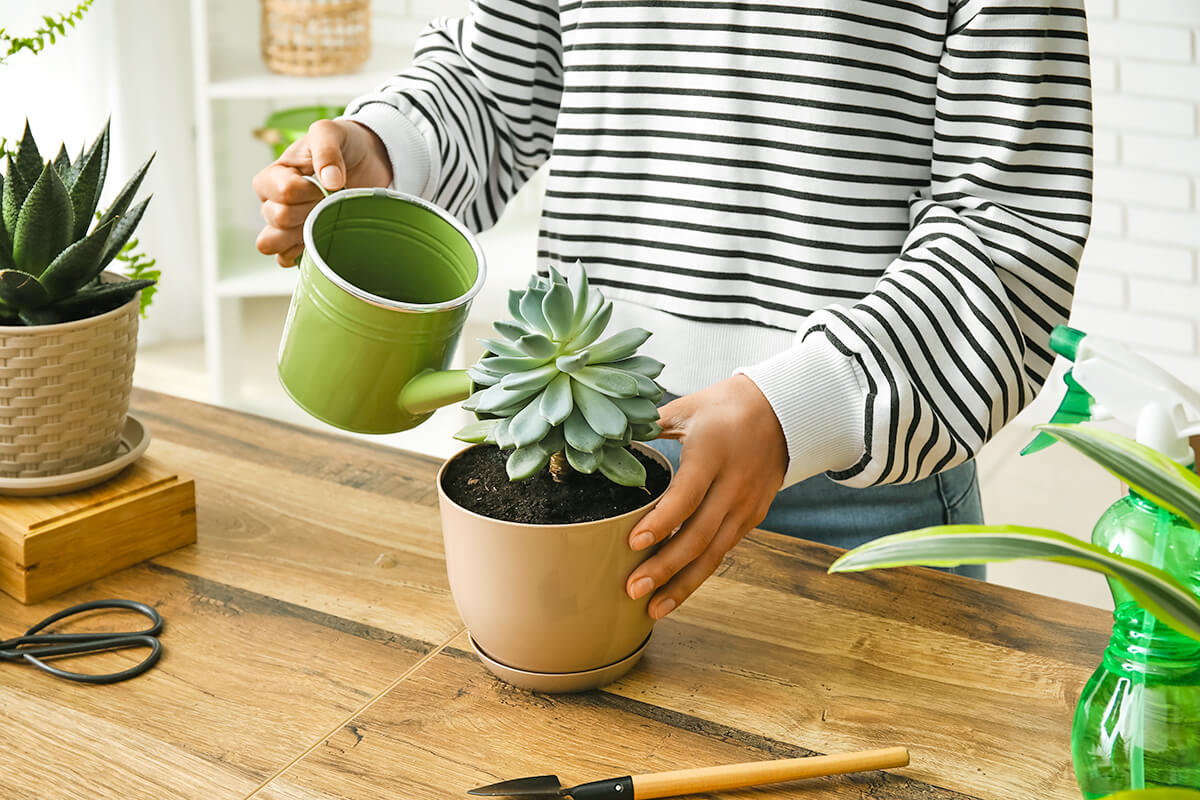
Qilebi Watering Can
Just about any container that can hold water will work as a watering can in a pinch. But, I like this watering can, in particular, because it has a long, thin spout. It’s convenient for navigating between leaves or branches to aim the water directly at the soil, without splashing any on the leaves. Being able to water your plants without actually getting the plant wet is one of the best ways to avoid powdery mildew and other diseases that plague the perpetually damp houseplants. This watering can also comes with a removable spray nozzle for the occasional plant that actually prefers overhead watering.
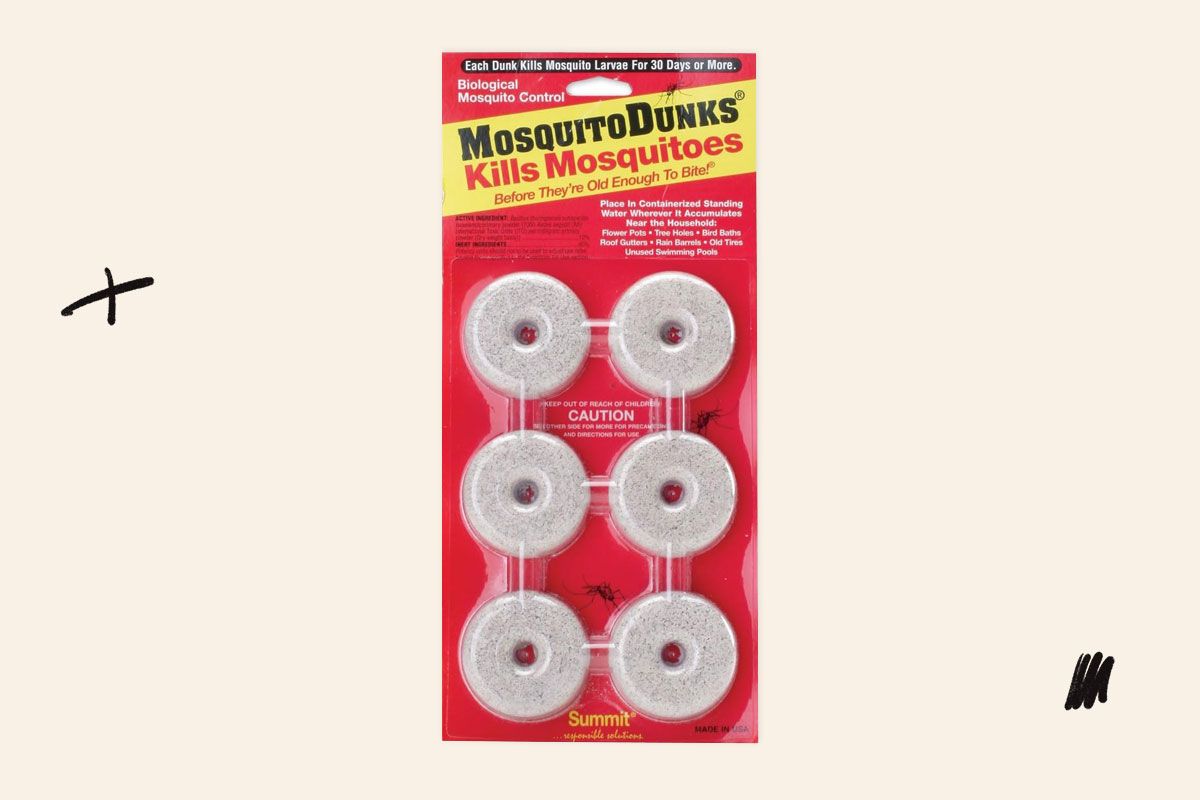
Mosquito Dunks
Not every aspiring plant parent is prepared for the sudden increase in mosquitoes, gnats, and other tiny pests that can be attracted to your new houseplant collection. While you’ll find plenty of insecticide options on the market, one of the easiest and safest is the BTI found in these Mosquito Dunks. BTI is a species of bacteria that kills larvae before they have a chance to grow into mosquitoes. It also kills the larvae of fungus gnats and black flies. Aside from those pests, it’s completely harmless to plants, animals, and people.
For the self-watering pots mentioned below, I drop a piece of Mosquito Dunk into the reservoir every month or so. But you can also try soaking a piece in your watering can for about 24 hours, and then use that treated water on your plants to saturate the soil with pest-killing bacteria. Do this every time you water for consistent prevention.

Reader Favorites



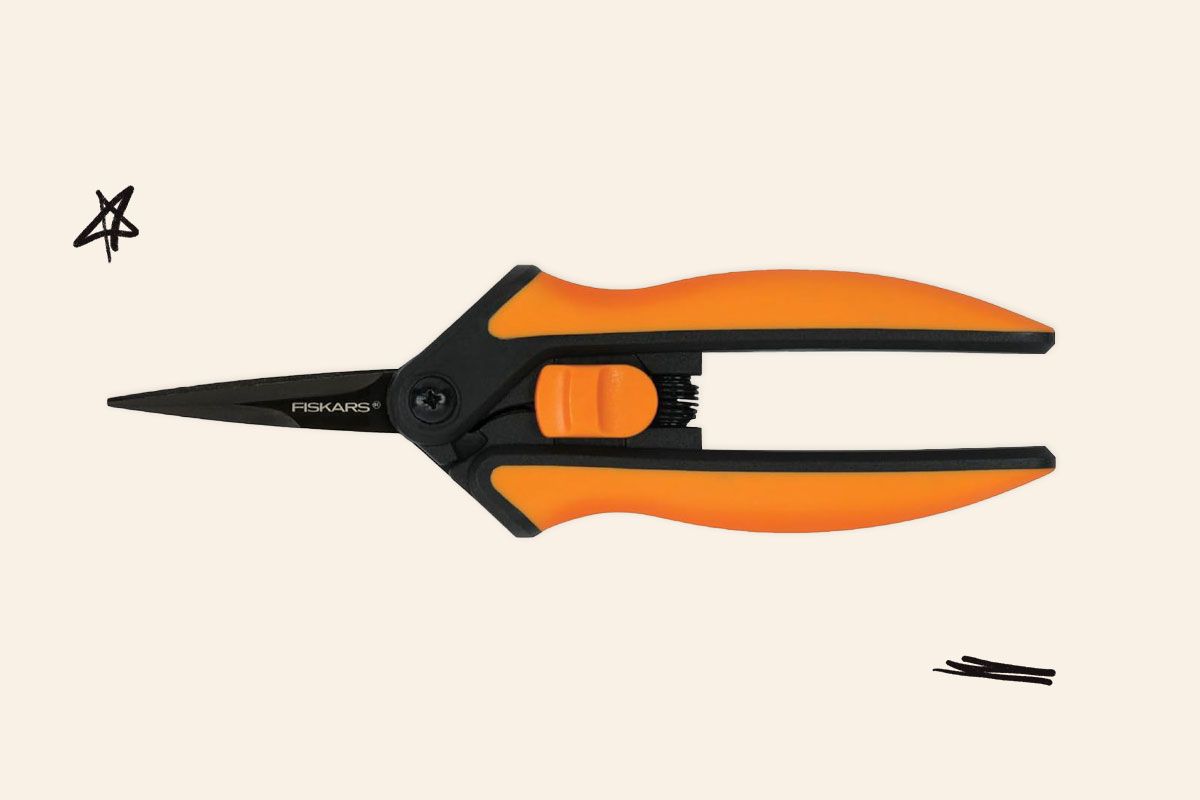
Fiskars Micro-Tip Pruning Shears
Even if your plants are relatively well-behaved and slow-growing, it’s important to have a trusty pair of pruning shears like these on hand. If a disease develops on one part of the plant, you can use the shears to quickly trim it away before it spreads to the rest of the plant. They’re also good for trimming back old or dead leaves and flowers to encourage new growth. These shears, in particular, are great because of how precise they are. It’s easy to snip off just the leaf or branch I’m aiming at without accidentally lopping off nearby leaves and branches.
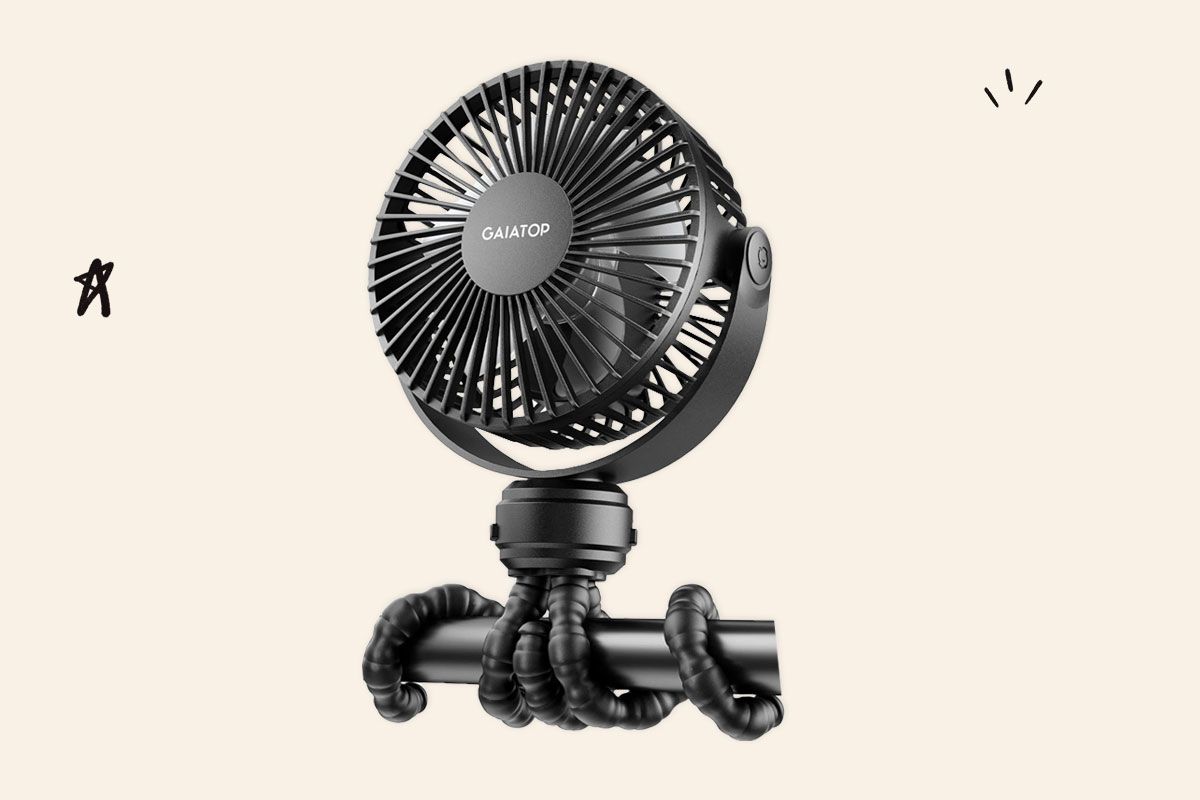
Gaiatop Mini Portable Stroller Fan
You might be wondering what a stroller fan is doing on a list of houseplant accessories. The short answer is mildew. When plants are indoors, they aren’t getting the airflow that comes with the breezes and winds they experience outdoors. This means that humidity can build up around the leaves and soil, even if you’re really careful about not splashing when you water your plants. Humidity and warm air are a recipe for diseases like powdery mildew and fungal spots. It’s also a prime environment for mosquitoes and gnats. This handy little stroller fan is easy to mount just about anywhere so you can make sure air is circulating even in those nooks and crannies between dense layers of foliage.
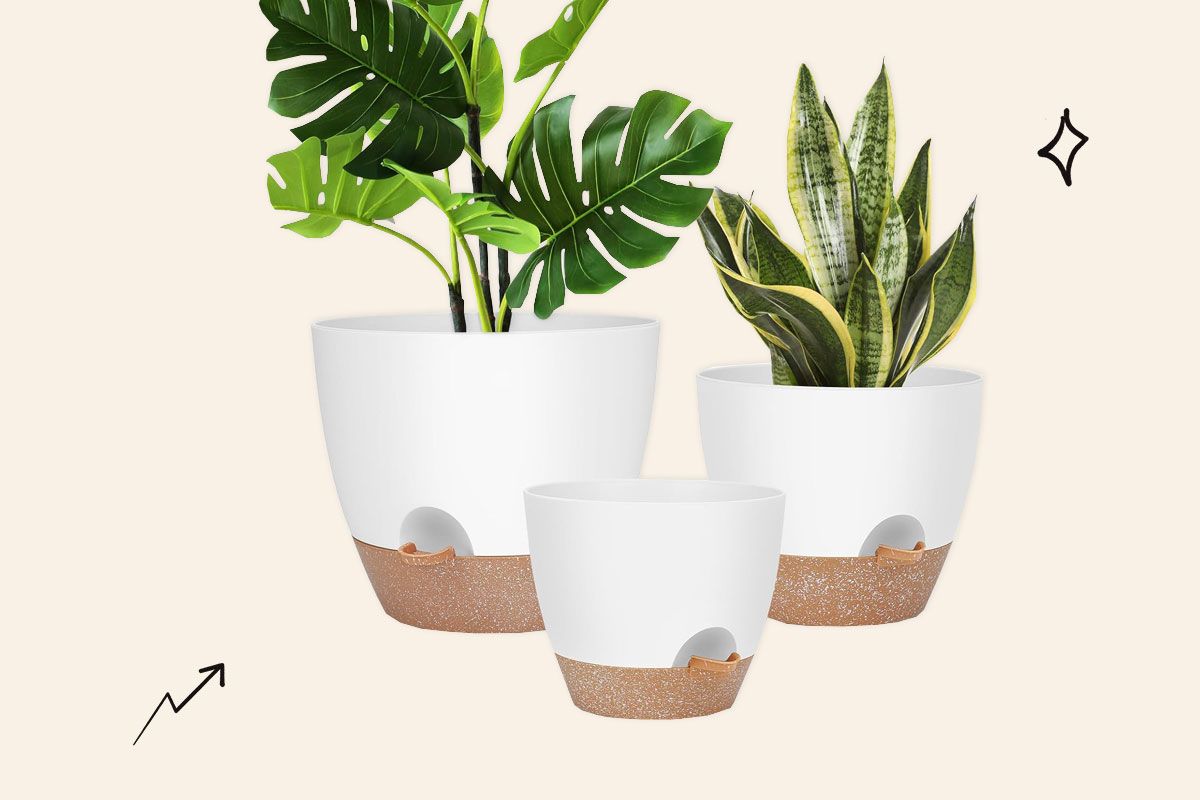
Ynnico Self-Watering Plant Pots
These self-watering pots are a game changer for the most finicky plants. If it’s a melodramatic species that absolutely cannot be allowed to dry out, but will also perish instantly if overwatered, this is the pot it should be growing in. Instead of checking moisture levels religiously, just top off the reservoir at the bottom with water as needed. The mesh layer between the reservoir and the pot allows the soil to be continuously re-moistened from the bottom up without ever getting soggy.
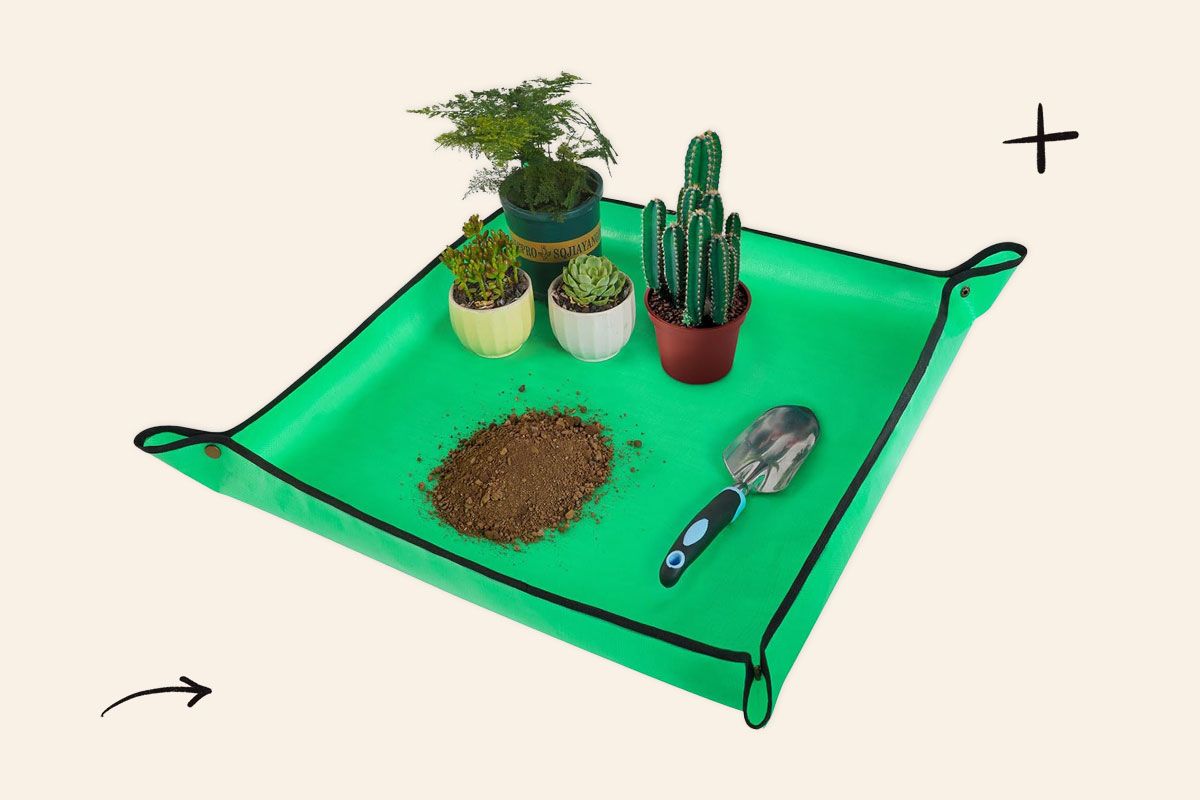
Repotting Mat
Now that your plants are thriving, they’re also going to be growing. Eventually, they’ll outgrow their current pot and need to be moved to something bigger. Even for slow-growing species, it’s still a good idea to periodically dump the old soil and replace with fresh soil. In both cases, you’re going to get dirt everywhere. So, if you can’t do this outdoors, get this repotting mat. It’s less than $10 and it’s going to cut your cleanup time in half. The foldable mat has raised edges that help keep the dirt off of your floor so when you’re done repotting, you can simply dump the contents into the trash and be done.
Feature Image Credit: Pixel-Shot/ Shutterstock
More From Our Network
Better Report is part of Inbox Studio, an email-first media company. *Indicates a third-party property.