How To Safely Dispose of Your Leftover Prescription Medications
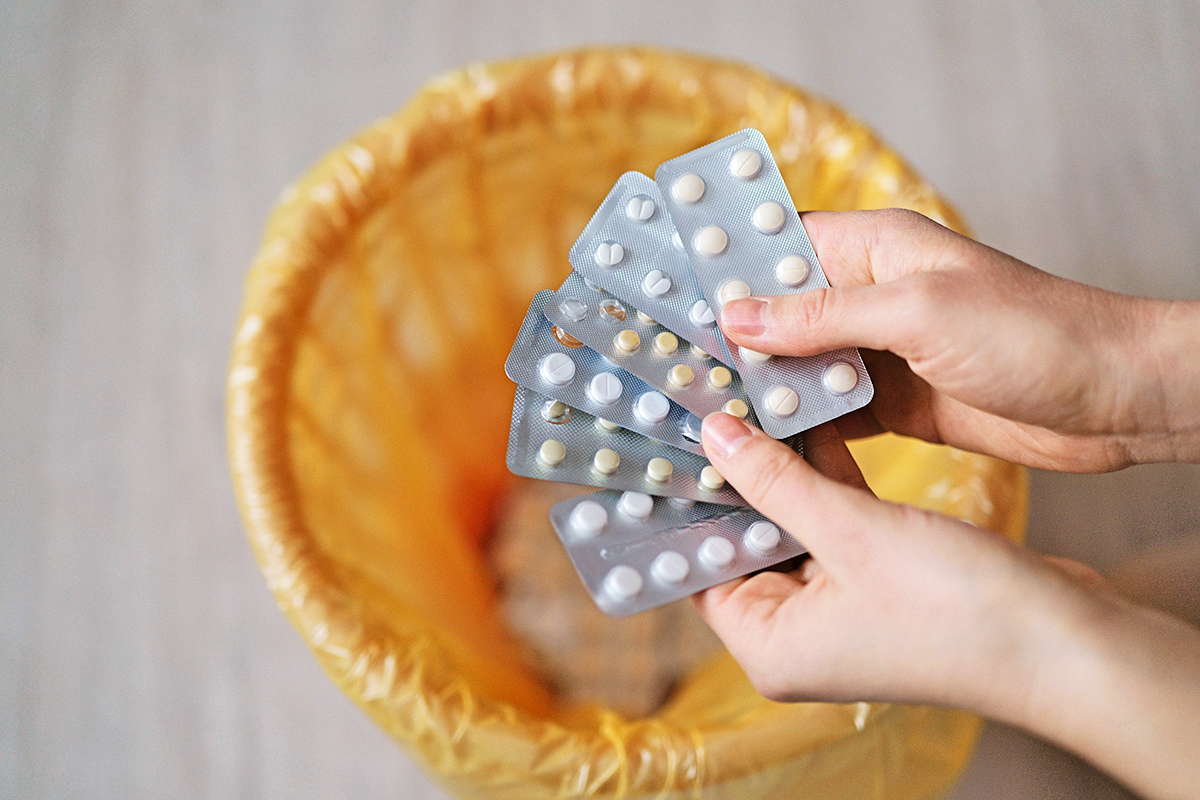

Most prescription medications come with clear instructions for how to take them safely. Guidance on what to do with the medicine you didn’t take, however, is often harder to track down.
If you were prescribed more pills than you needed, you may be tempted to toss out the excess with your regular trash or flush them down the toilet. But doing so without taking the right precautions poses a few risks — both to the environment and to any people who might come across them.
Luckily, getting rid of your leftover prescription medication is a straightforward process once you have the right intel. Ahead of the U.S. Drug Enforcement Administration (DEA)’s National Prescription Drug Take Back Day on April 25, here are some tips to follow for safe, responsible disposal.
Where To Take Your Unwanted Prescription Meds
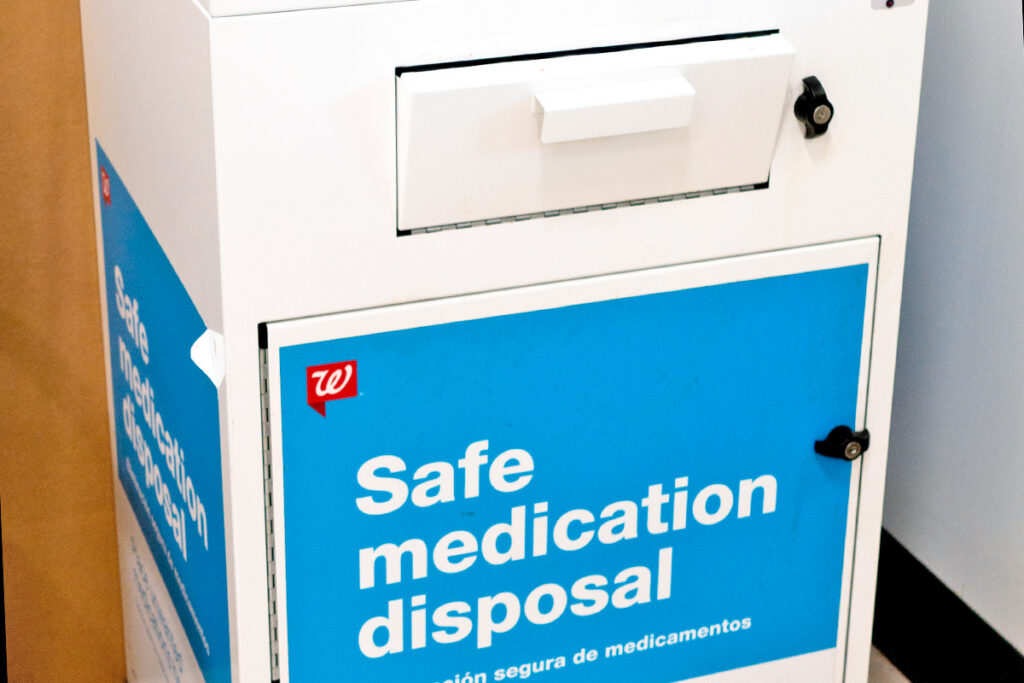
The safest thing to do with medications you no longer need is to drop them off at a drug take-back location. Many pharmacies, including Walgreens and CVS, have permanent medication disposal kiosks where you can leave prescription and over-the-counter medicine. This isn’t just for customer convenience; unused medications are more likely to be abused, and anonymous drop-off locations are a simple way to mitigate the problem. The National Association of Boards of Pharmacy (NABP) has an online tool that allows you to look up the closest kiosk to you by entering your ZIP code.

Reader Favorites



If you don’t see any spots in your neighborhood, you may be in luck closer to the next National Prescription Drug Take Back Day. Twice a year, the DEA sponsors drug collection events in communities nationwide. You can see if a collection site is popping up near you using the DEA’s locator tool — and if you miss April’s event, the next one will be held in October.
If dropping off your unused drugs in person isn’t the most convenient option for you, you can opt to mail them instead. Some pharmacies distribute prepaid drug mail-back envelopes for free, and you can also purchase them online. Once you have yours, all you have to do is slip the bottle of medication into the packet, seal it up, and mail it off to be destroyed.
How To Safely Dispose of Leftover Drugs at Home
Depending on the type of medication you’re dealing with, you may be able to safely dispose of some drugs at home.
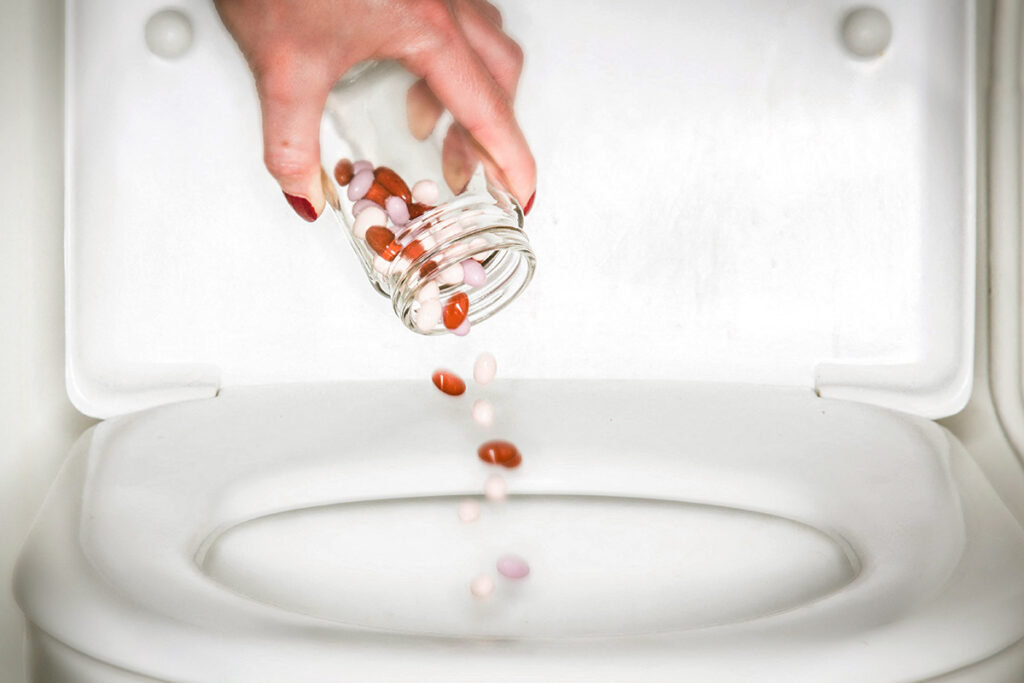
Check the label on the bottle or the leaflet your medication came with to see if the contents are good to flush. You can also check for its name on the FDA’s flush list. According to the administration, the chemicals in these drugs present a negligible threat to the environment when flushed down the drain (and that threat is outweighed by the risk they pose to people who might otherwise get ahold of them). If you don’t see your medicine on the list, however, it may pose a greater environmental risk and should be kept away from the water supply.
Drugs that aren’t safe to flush can be thrown away, but doing so requires some extra work. First, remove them from their original container and add them to something you can seal, like a plastic storage bag. Mix them up with dirt, coffee grounds, or some other material that will conceal them and make them undesirable to any animals or children going through the trash. Finally, seal up the bag or container before tossing it in with your regular garbage, and redact your information on the pill bottle before putting it in your recycling. Once that’s done, cleaning out the rest of your medicine cabinet will seem easier in comparison.
Featured Image Credit: © sementsova321/stock.adobe.com
More From Our Network
Better Report is part of Inbox Studio, an email-first media company. *Indicates a third-party property.






Michele Debczak is a writer and editor based in Brooklyn, New York. She appears in seasons four through six of History Channel's “The Food That Built America,” and her work has been featured in Mental Floss, Smithsonian Magazine, Eater, and Vice.
This article is for general informational purposes only.
Affiliate Disclaimer Medical Disclaimer Financial Disclaimer