7 Smart Ways To Save at the Pump
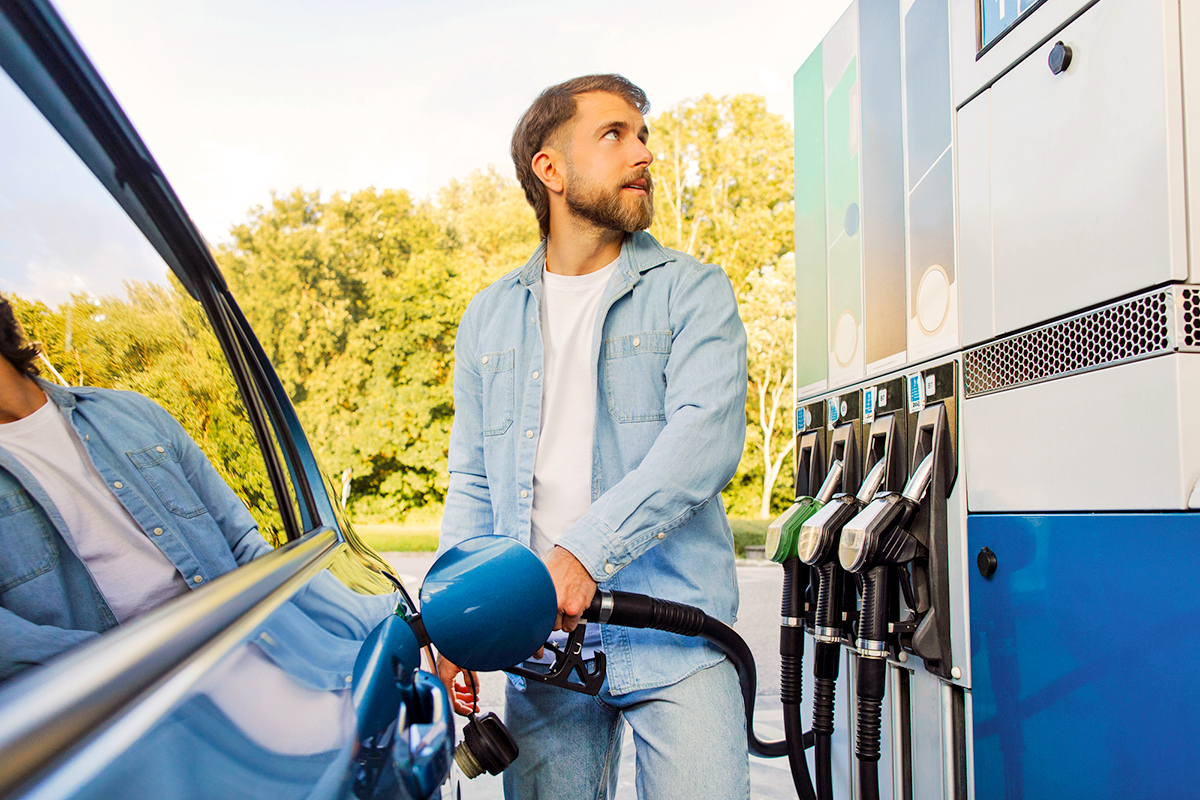

These days, filling up your gas tank is a painful experience: All you can do is watch as the cost surges ever higher. Indeed, according to AAA, the average price of a gallon of gas in the U.S. jumped a dollar between February and March, and it doesn’t seem like it’s going to come down anytime soon. Fortunately, there are some smart and simple ways you can conserve fuel and save at the pump.
Buy gas on certain days of the week.
A recent analysis by GasBuddy, an app that helps drivers find cheap gas stations, showed that across most of the U.S., Sundays are the best day to hit the pump for maximum savings. Drivers can expect to pay more from Wednesday through Friday. GasBuddy also broke down the data state-by-state; you can find out the best and worst days to buy gas where you live here.
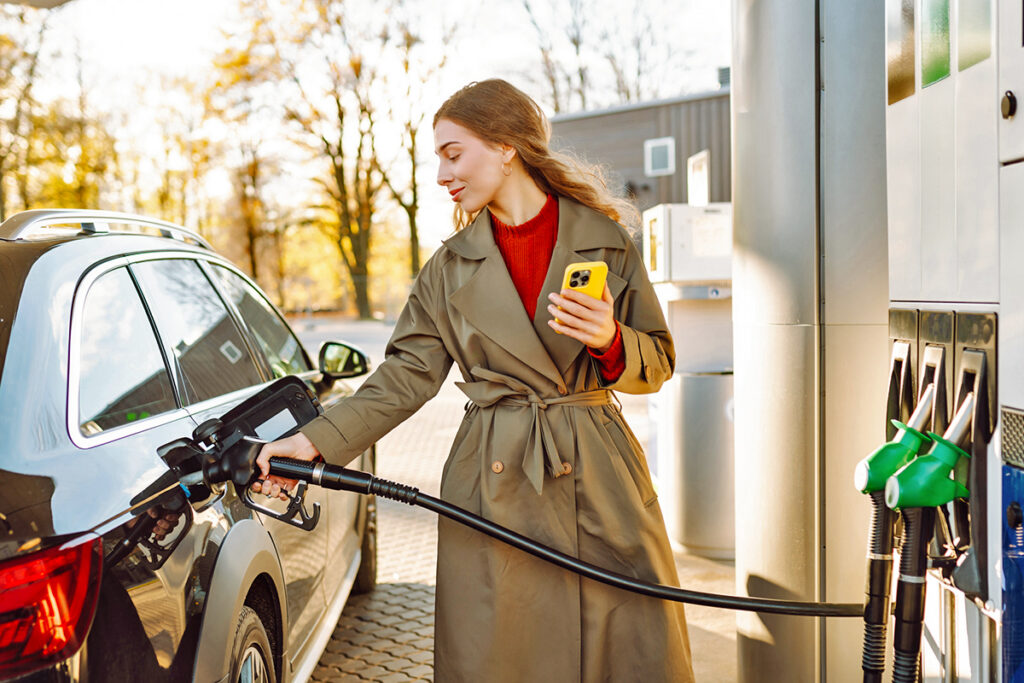
Sign up for loyalty and rewards programs, and put your credit card rewards to good use.
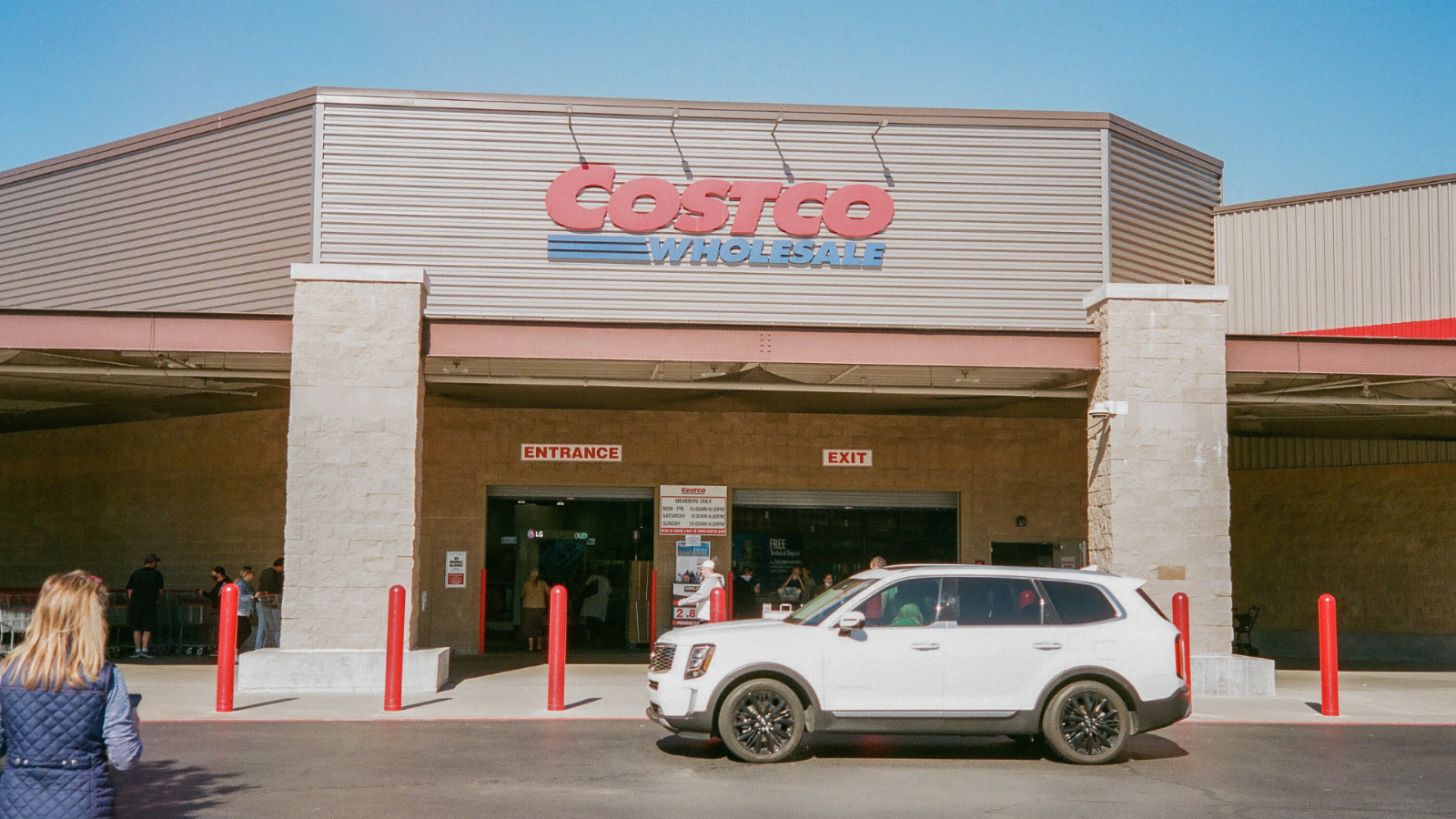
A number of gas stations — including BP, Shell, and Exxon Mobil — offer loyalty programs that cut the price of a gallon of gas. Some grocery stores also offer fuel reward programs: Earning 100 points in Stop & Shop’s GO Rewards, for example, will knock 10 cents off a gallon of gas at participating stations, and you can stack those deals for up to $1.50 off per gallon (capped at 20 gallons). Being a member of a big-box store can help you save, too; Costco members can take advantage of cheaper prices at their gas stations. Walmart+ members can get 10 cents off per gallon not just at their stations but at Exxon Mobil and Murphy USA stations as well. Walmart+ members can also take advantage of the member prices at Sam’s Club.

Reader Favorites



Additionally, if you have a credit card that earns points or cash back for purchases, you may want to use that at the pump; in some cases, you can even use your credit card rewards to buy gas station gift cards. That said, a card might not always be the best way to pay, particularly if a gas station offers a lower price for using cash over credit.
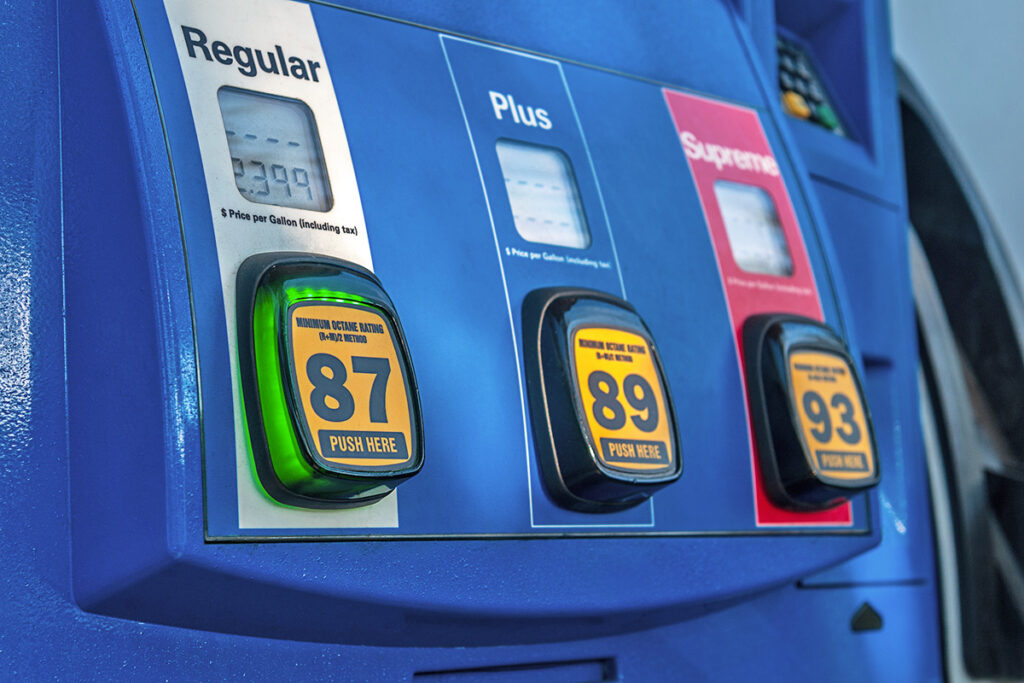
Switch the type of gas you’re buying (if you can).
Unless premium fuel is specifically recommended or required by your vehicle’s manufacturer, you can probably opt for less-expensive regular gas at the pump. According to Kelley Blue Book, “Most cars, trucks, and SUVs are fine running on a diet of regular gasoline.” If premium is recommended, though, stick with it: You’ll not only have better vehicle performance and fuel economy, but you’ll save yourself the headache of issues like engine knocking, which could necessitate expensive repairs.
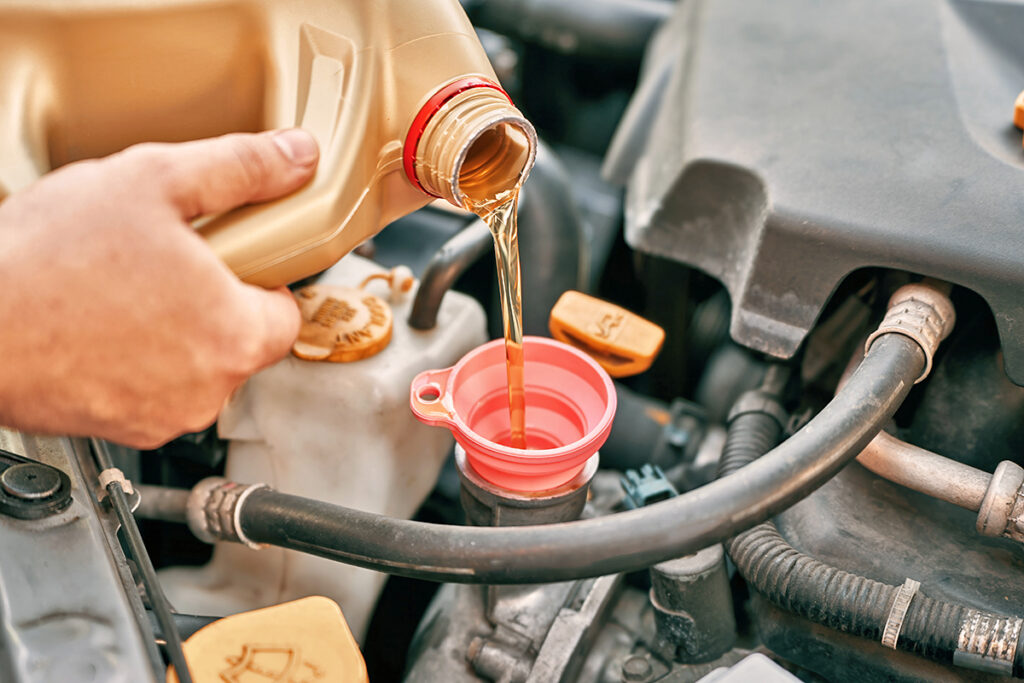
Stay on top of vehicle maintenance.
Routine maintenance on your vehicle will ensure it’s in the best possible shape, which in turn will help improve its fuel economy. Regular oil changes are a must, as is tire rotation. Making sure your tires are properly inflated is important, too — it could save you 11 cents a gallon and make your tires last longer as well.
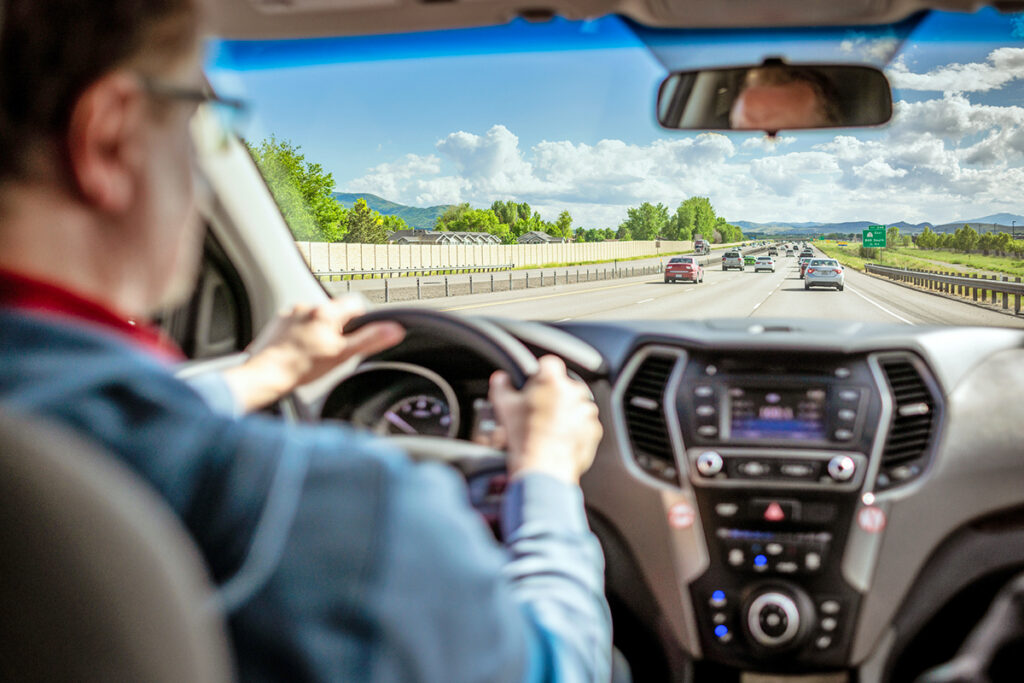
Change how and when you drive.
Before you get in your car, plan ahead — try to travel outside of high-traffic periods and aim to tackle multiple errands in one trip using the most efficient route possible.
And if you have a lead foot, now’s the time to ease up: You can conserve gas by going the speed limit, particularly on the highway, where, as AAA notes, “aerodynamic drag causes fuel economy to drop off significantly as speeds increase above 50 mph.” (Cruise control can help; just make sure not to use it when roads are slippery.)
Stomping on the gas and slamming on the brakes waste fuel, too. According to the Department of Energy (DOE), driving aggressively can lower your gas mileage up to 30% on the highway and as much as 40% in traffic. Instead, aim to accelerate smoothly, and take your foot off the gas to allow your car to slow down on its own before you hit the brakes.
You should also avoid idling whenever possible. In the winter months, don’t let your car warm up for too long, and if your car is parked and you’re going to be there for more than a minute, turn it off. In the summer, avoid using the air conditioning when you can. According to AAA, “Even at highway speeds, open windows have less effect on fuel economy than the engine power required to operate the air conditioning compressor.”
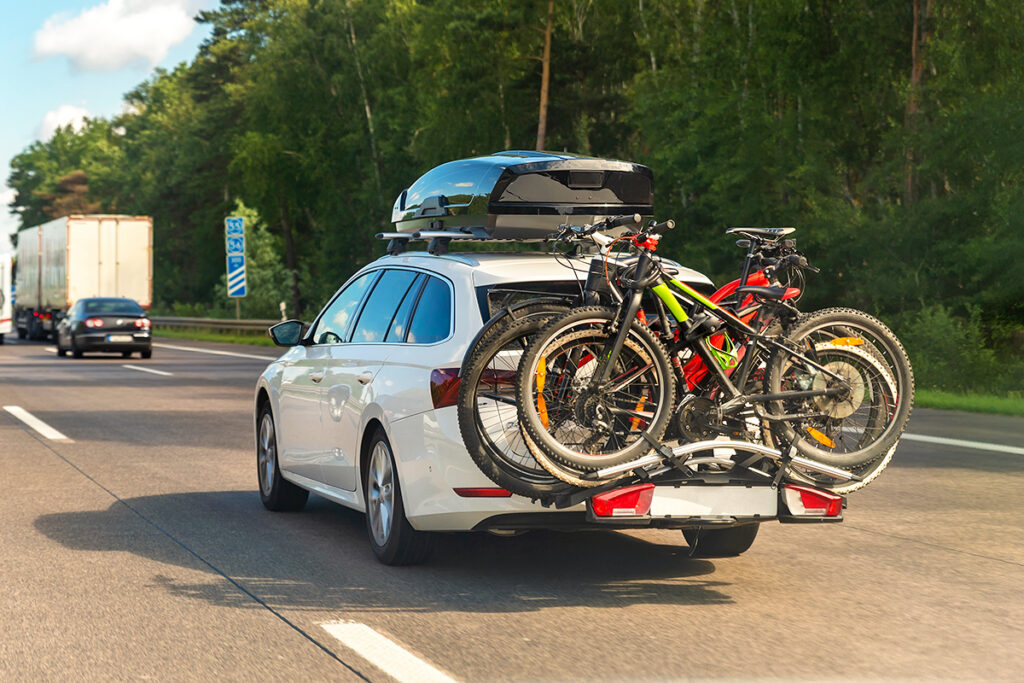
Remove items that add weight and create drag.
A heavy car is a car that wastes gas, so take stock of your trunk and backseat and remove anything unnecessary. The same goes for roof racks and boxes, which can increase drag and decrease fuel economy even when they’re empty. In the latter case, you might see fuel economy reduced by around 2% to 8% when driving in the city and between 10% to 25% when going 65 mph to 75 mph on the highway, according to the DOE.
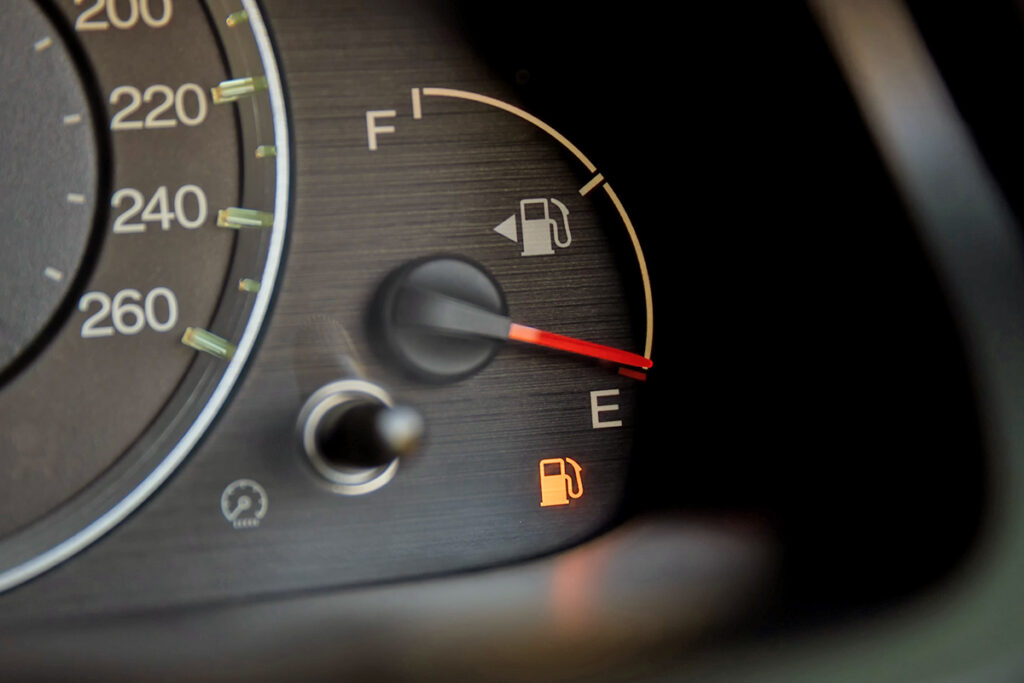
Don’t let your gas tank hit “E.”
It might be tempting to put off filling up for as long as possible, but according to experts, your tank should be at least a quarter full at all times, for a number of reasons. One, when the tank is nearly empty, the gas pump could overheat. Not only that, but sediment that has accumulated at the bottom of the tank could end up clogging your fuel line. An empty tank also leaves room for humidity that could condense into water, which can rust your tank and cause issues in your fuel system.
Having some gas in the tank is helpful in cold-weather emergencies, too, and making sure you’re nowhere near empty will help you avoid having to buy in high-price locations, such as near a highway or in a wealthy neighborhood. So if you’re approaching that quarter-tank mark, get thee to a gas station — apps like GasBuddy and GasGuru can help you find the best prices near you.
Featured Image Credit: © Olena Miroshnichenko/iStock
More From Our Network
Better Report is part of Inbox Studio, an email-first media company. *Indicates a third-party property.






Erin is a writer, editor, and content strategist living in the New York City area. Previously, she was the VP/Editor-in-Chief of MentalFloss.com and an editor at Popular Mechanics magazine. When she’s not working, Erin is hanging out with her cats, reading books from her never-ending TBR, traveling, karaoking, and making sourdough with her starter Stephen Sondheim.
This article is for general informational purposes only.
Affiliate Disclaimer Medical Disclaimer Financial Disclaimer