How Often Should You Water Indoor Plants?

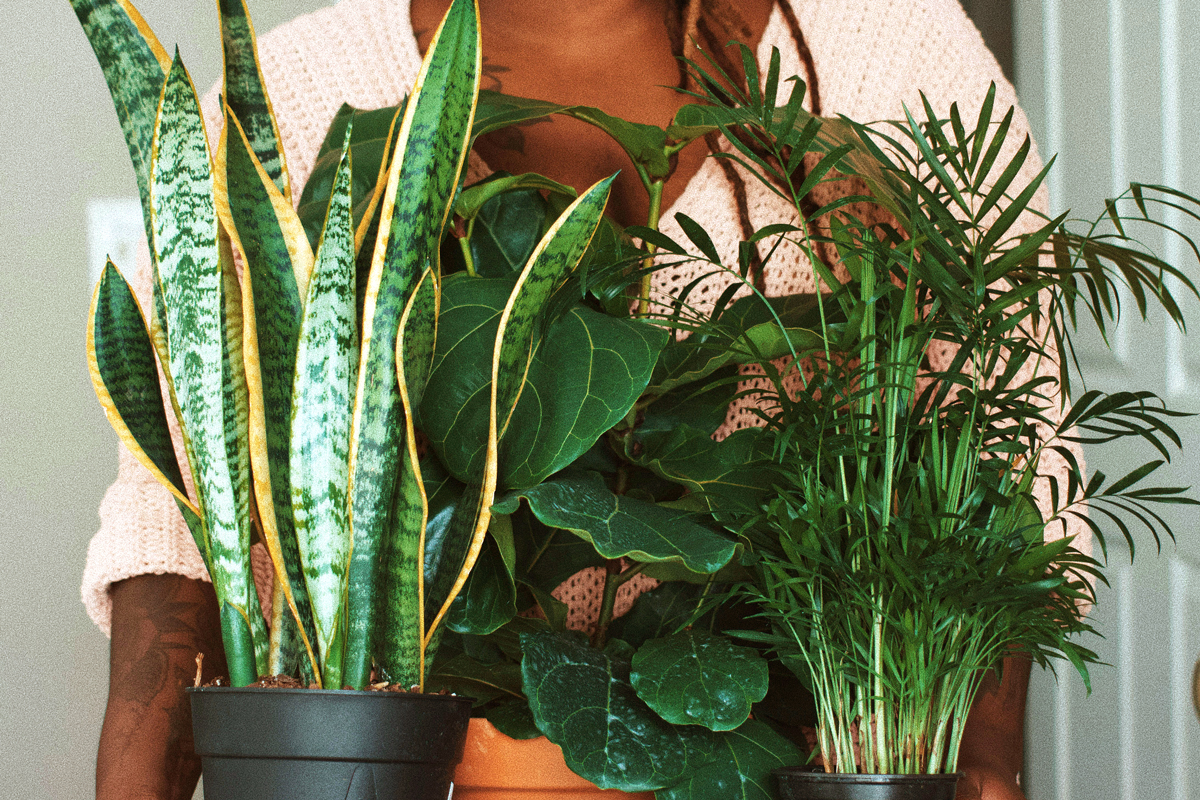
Nothing spruces up a home quite like a plant. Research has shown that when we bring plants indoors, we reap all sorts of benefits: lower stress levels, greater focus, reduced depression, cleaner air, and quicker recovery from illness. But no one wants a plant that requires too much effort to maintain — especially if it has a strict watering schedule. These seven popular house plants are not only beautiful but easy to care for. Here is the correct way to water them to ensure a long life.
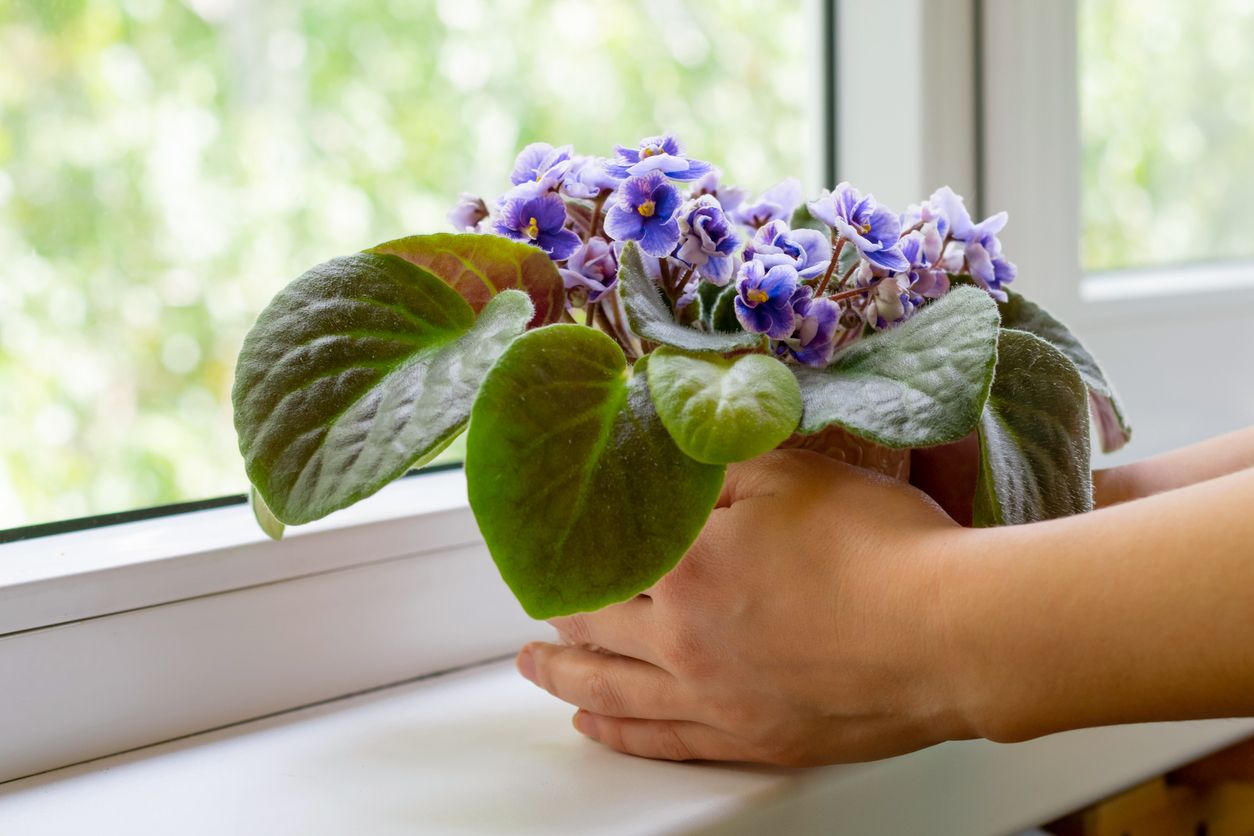
African Violet
You’ll often see African violets on kitchen windowsills, as they like high humidity and bright, cool locations. These plants are sensitive to chemicals, so use distilled or rainwater to keep their soil moist. To water the plant, place the pot in a bowl of room-temperature water one inch deep to avoid getting moisture on the leaves, which can lead to spots. When the soil is moist, remove the pot. Repeat this process when the soil feels dry.
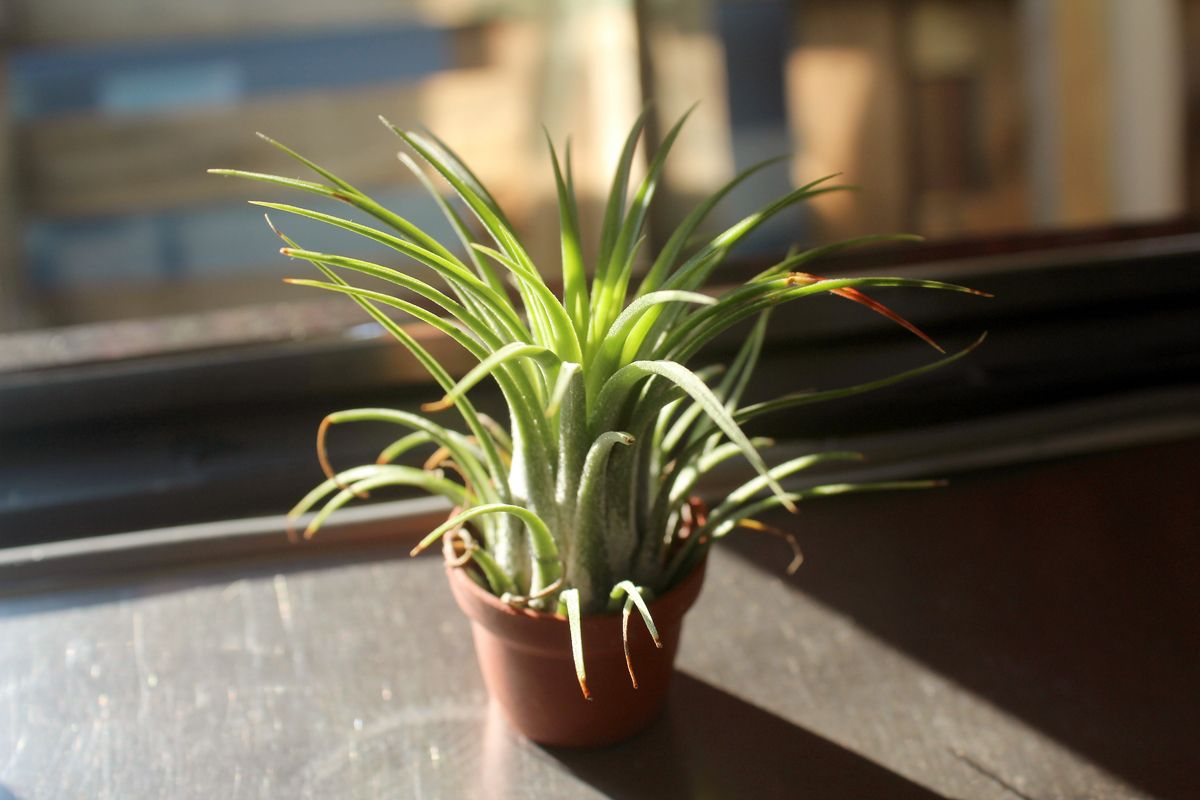
Air Plant
Air plants are no-soil and no fuss. In the wild, they take nutrients from the air and water around them. In a house, they should be placed in a location with good air movement and watered weekly. Place the plant in a bath of distilled, bottled, or rainwater, and let it sit for several hours. Then, turn it upside-down so it can drain and dry. Feed the plant monthly with plant food formulated for air plants.
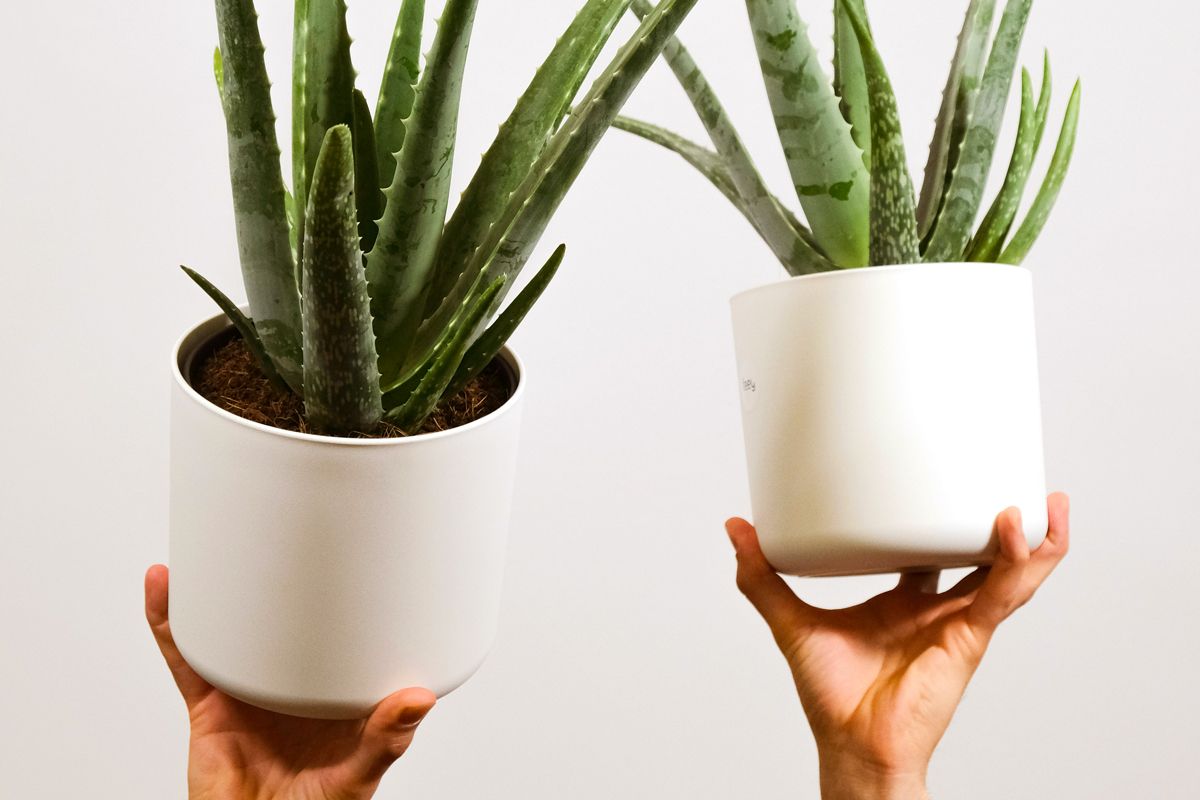
Aloe Vera
As a member of the succulent family, aloe vera is well suited to dry conditions, perfect for someone who travels or struggles with a watering routine. Don’t water the plant until the top two inches of the soil are dry. Ensure adequate drainage, and do not let the plant sit in water. Keep aloe vera plants on a windowsill with bright direct or indirect light that will provide warmth during the day and a cooler overnight, mimicking desert conditions.

Reader Favorites



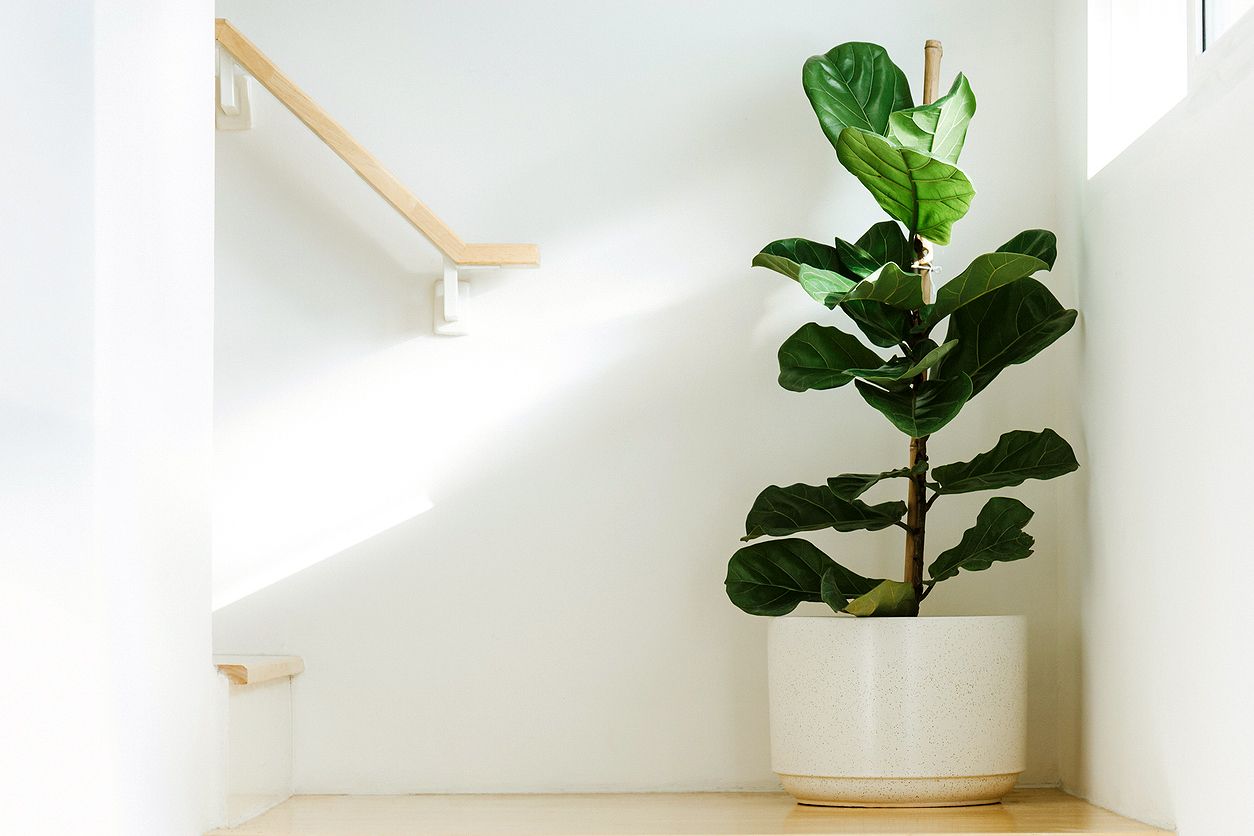
Fiddle Leaf Fig
The fiddle leaf fig, a member of the ficus family, is an attention-grabber with big green leaves and grows well indoors. Find a bright spot near a window, but remember to turn it weekly, as it will grow toward the light and start to lean. Water your fiddle leaf when the top two inches of soil are dry, but don’t let it dry out completely, as that’s hard on the root structure.
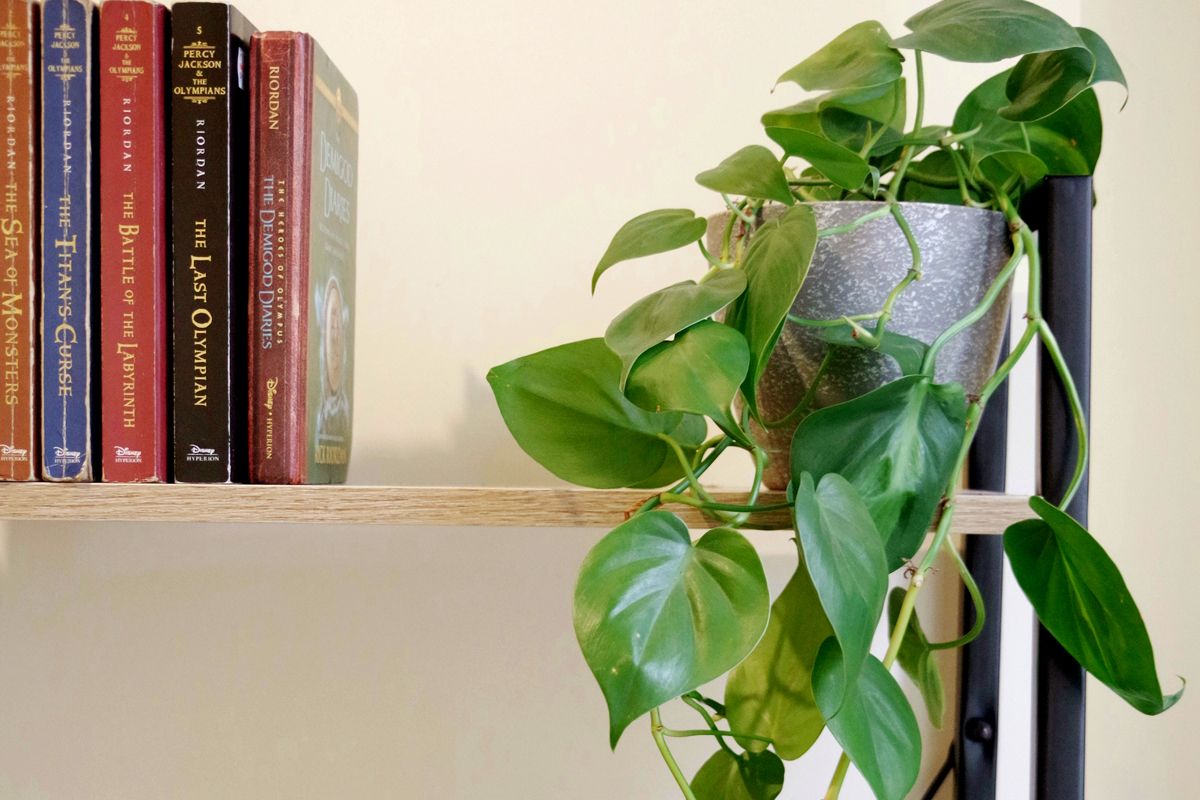
Philodendron
Philodendrons are tropical plants that thrive indoors. They like bright light but can tolerate low light, which makes them good accents on top of mantels or bookcases. Let the top one inch of soil dry between waterings and fertilize regularly to maintain appropriate levels of magnesium and calcium. When the vines are longer than you want, prune them with sharp shears, then drop the cuttings in a glass of water and watch the roots develop to grow a new plant.
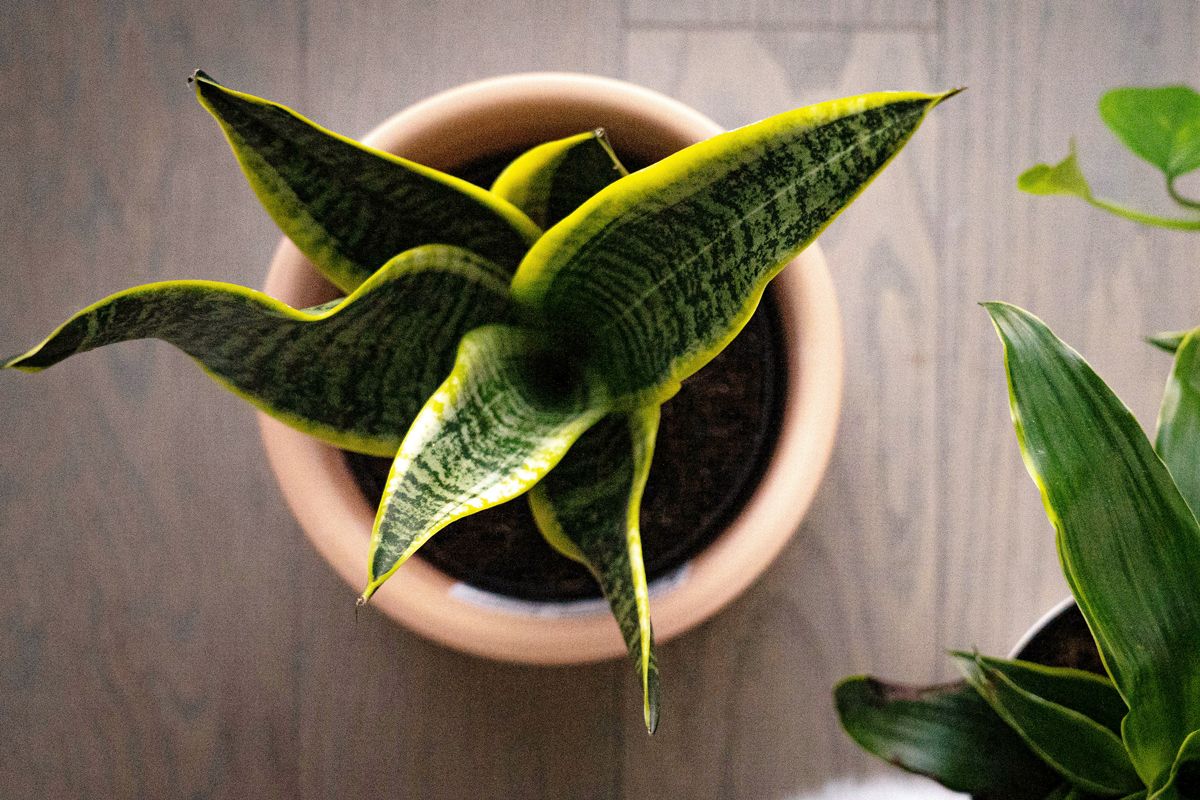
Snake Plant
With tall, straight leaves, snake plants seem to defy their name. As a member of the succulent family, this plant wants dry, well-drained soil, so consider using a terracotta pot rather than plastic, as the soil can dry more quickly in the natural container. Snake plants can tolerate shade and bright, indirect light but want a warm location away from drafts. Water the plant from the bottom by placing the pot in a container with several inches of water. Let it sit until the top layer of soil feels moist. Do not water too frequently, as oversaturation will kill the plant.
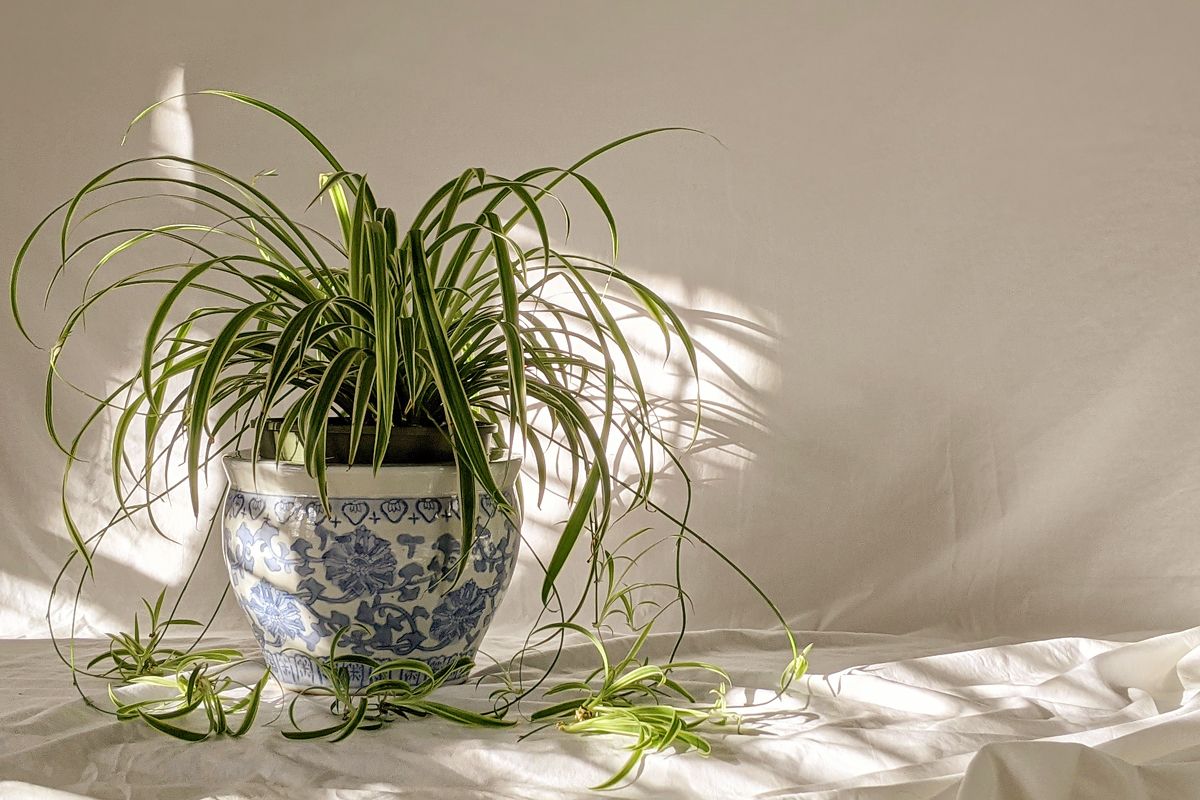
Spider Plant
Named for the dangling tendrils that extend from the central body, spider plants hold onto moisture well so they can survive without careful management and inconsistent watering. Use water without chlorine or fluoride, which can lead to brown tips at the edges of leaves. Allow the plant to dry slightly between waterings.
Featured Image Credit: Jazmin Quaynor/ Unsplash
More From Our Network
Better Report is part of Inbox Studio, an email-first media company. *Indicates a third-party property.







Paula Peters Chambers writes for general-interest and specialty magazines. She covers everything from people and business profiles to science and medicine to the arts and home design and decor. She lives in Richmond, Virginia, where she enjoys baking, ringing handbells, and listening to live music.
This article is for general informational purposes only.
Affiliate Disclaimer Medical Disclaimer Financial Disclaimer