5 Vegetables You Should Never Buy Frozen

All featured products and deals are selected independently and objectively by the author. Better Report may receive a share of sales via affiliate links in content.
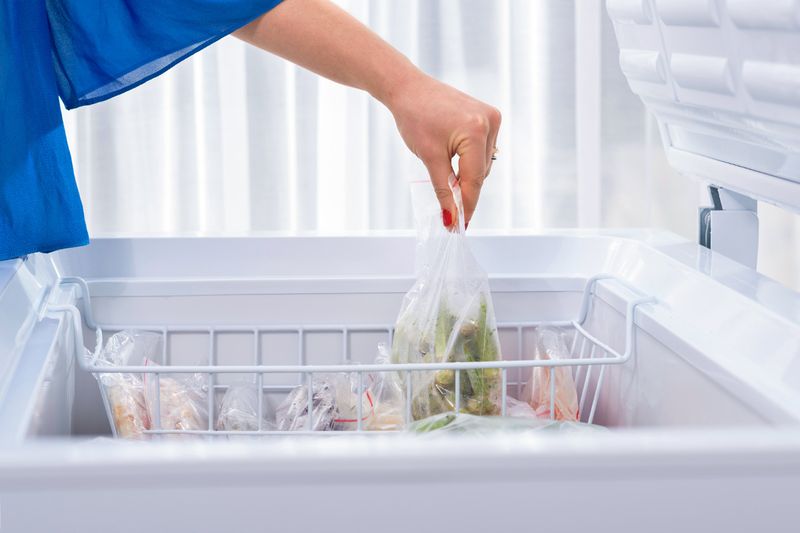
Frozen vegetables are tasty to eat, and can be even better for you than fresh. But there are some veggies you shouldn’t buy frozen. If you grow them at home, don’t attempt to freeze them yourself, either. Most of these veggies have the same root issue: they’re high in water content and end up mushy or slimy after you thaw them.
High-water-content vegetables form ice crystals inside their cells, where that water is stored. Those ice crystals pierce and damage the cell walls and membranes. When they thaw, all the water that was inside those cells leaks out, leaving you with a broken and limp structure. And this is how those vegetables end up looking wilted and sad.
With some vegetables, you can preserve their structure by blanching or quick-freezing them. But others can’t be salvaged even with this process. Here are five kinds of vegetables you should never buy frozen, or bother trying to freeze yourself without treating them.
Lettuce
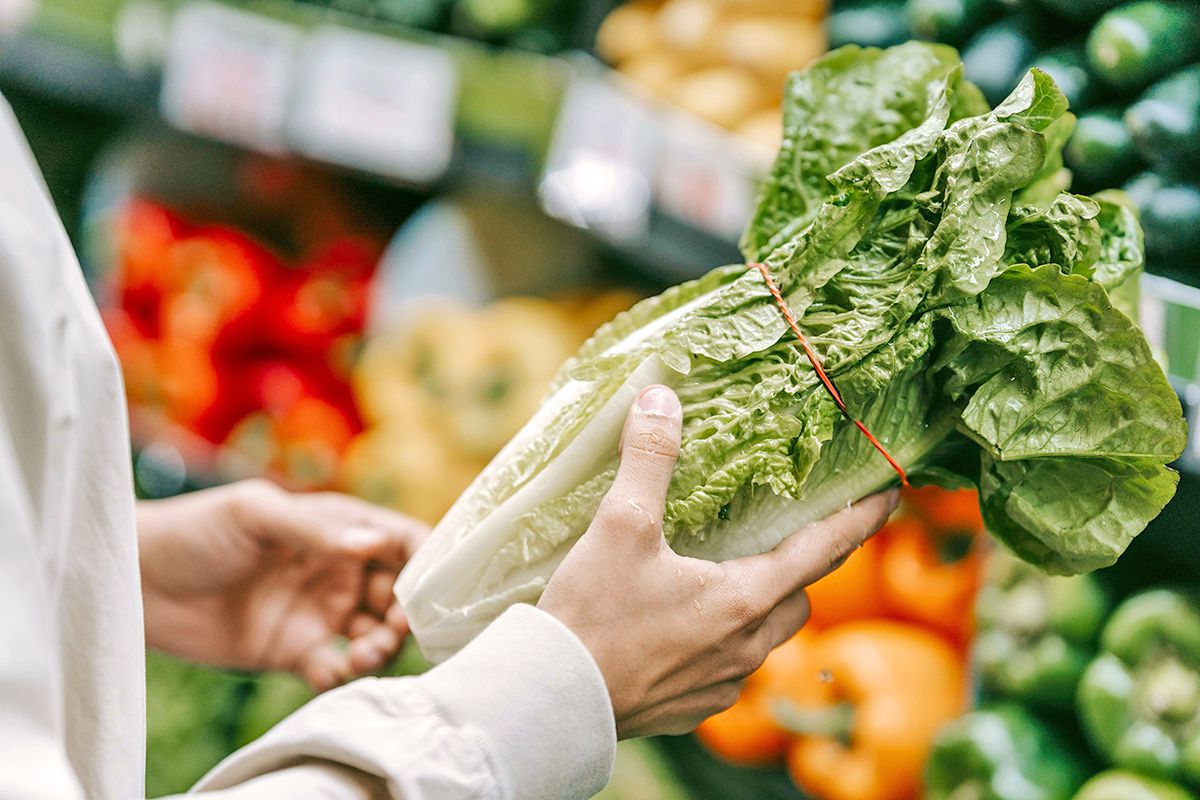
Lettuce has an extremely high water content, so you don’t want to buy it frozen. It’s at the top of the list of vegetables that turn into a squishy mess when thawed. In general, lettuce has a short shelf life and can’t really be preserved for long. However, since moisture speeds up the rotting process, you can lengthen lettuce’s life by using a salad spinner after washing. Wrap washed and dried lettuce in paper towels and store it in a reusable container. For even better results, store the lettuce in a produce keeper in the fridge.

Cucumbers
Like lettuce, cucumbers have a high water content and will fall apart after thawing. You don’t want to try freezing them, but there are a few ways to make them last longer in your fridge. Wrap each cuke in a paper towel, and store it in a loose plastic bag or produce bag. The paper towel will absorb excess moisture and keep cucumbers from rotting as quickly. Since moisture is the enemy, don’t wash your cucumbers until right before you use them. Cucumbers are sensitive to cold, so keep them away from the coldest part of the refrigerator.
Of course, you can also preserve cucumbers by pickling them or making refrigerator pickles, which are simpler than canning.

Reader Favorites



Potatoes
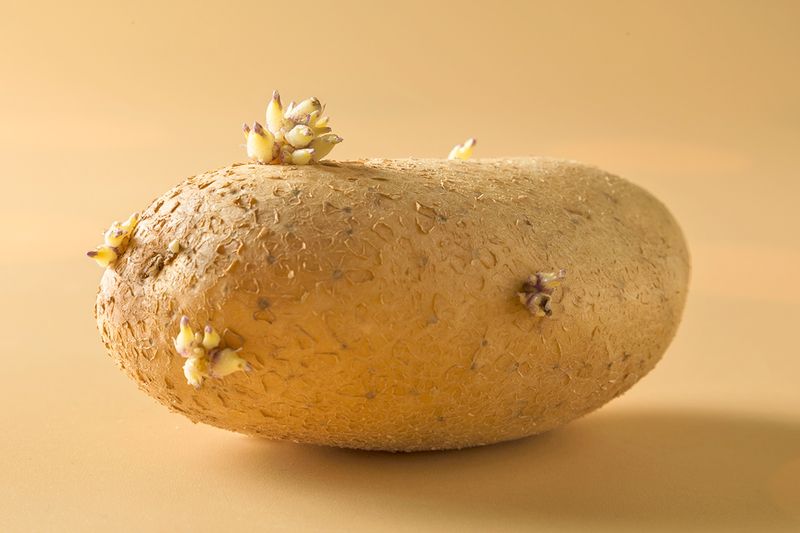
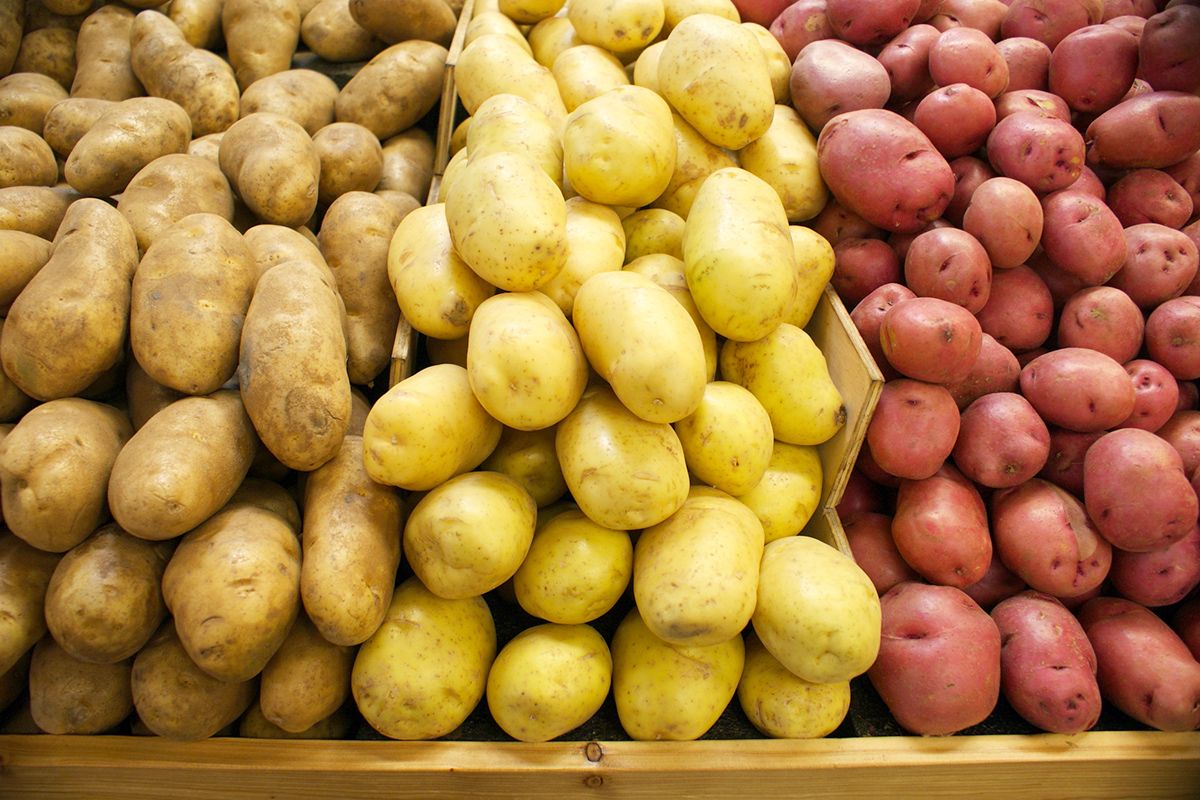
It is actually possible to freeze potatoes in various forms, including fries and tater tots. But, once again, due to their high water content, you can’t simply freeze fresh, raw potatoes. Frozen potatoes at the store have also been cooked in some form.
If you’re freezing your own potatoes, parboil or blanch them first by cutting them into chunks, slices, or fries and boiling for three to five minutes until they’re slightly tender but still firm. Drain and plunge them into ice water to stop them from continuing to cook. Dry thoroughly. Then, you can spread the potatoes on a baking sheet and flash freeze for one to two hours before transferring to a freezer bag. Using this method helps potatoes keep their texture without going slimy, for up to a year in the freezer.
You can also freeze mashed potatoes if you have leftovers. Once they’re cool, scoop them into freezer bags or containers and store in the freezer. You can freeze roasted or baked potatoes by cooling them, wrapping each individually, and storing them in a container.
Mushrooms
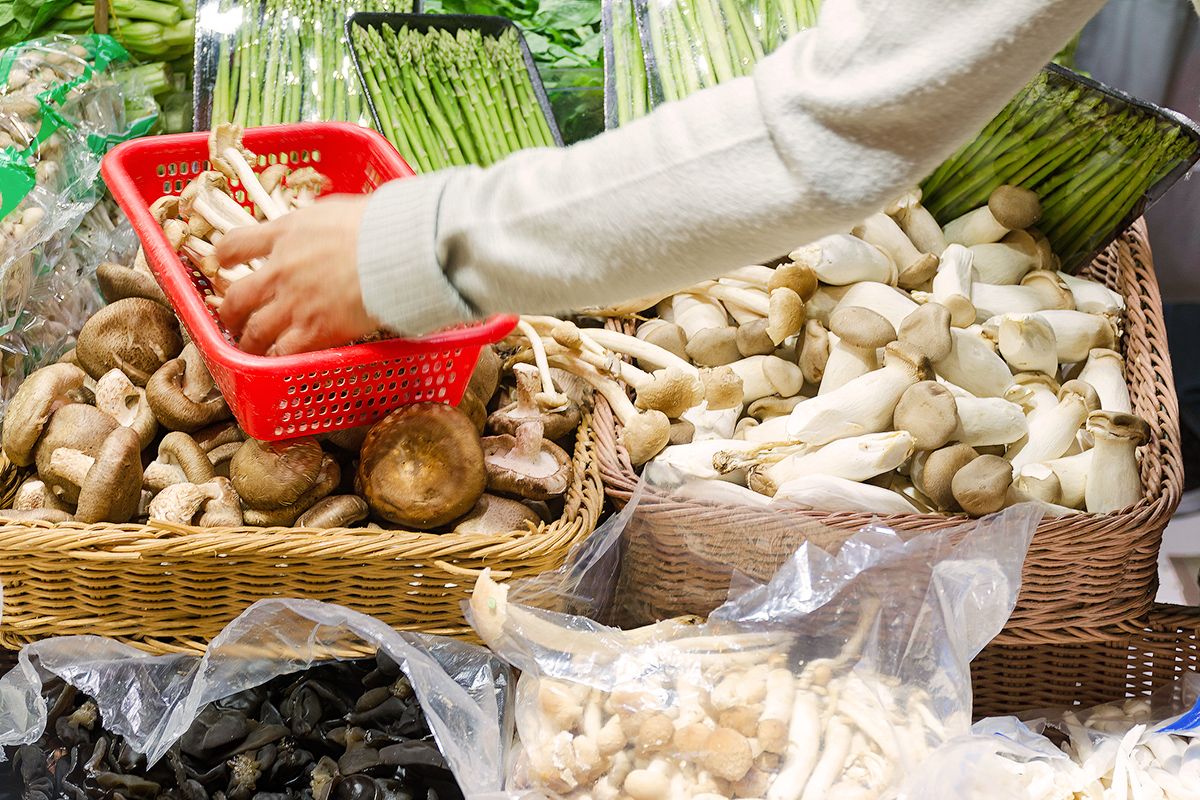
Similar to potatoes, you can purchase frozen mushrooms or freeze them yourself, but they need to be cooked first. Mushrooms also have a lot of water, and raw mushrooms that are frozen will be slimy and possibly rubbery. They also lose their flavor.
If you want to freeze mushrooms, they should be sautéed first. Clean them with a damp paper towel, slice, and sauté them in a little olive oil or butter for five to seven minutes until they’re just cooked. Let cool. Spread the mushrooms on a tray and flash freeze them before transferring to a freezer bag or freezer-safe container. They’ll last from six to eight months in the freezer.
You can also roast or air fry mushrooms before freezing. Roast at 400 degrees Fahrenheit for about 15 minutes, cool, and then freeze.
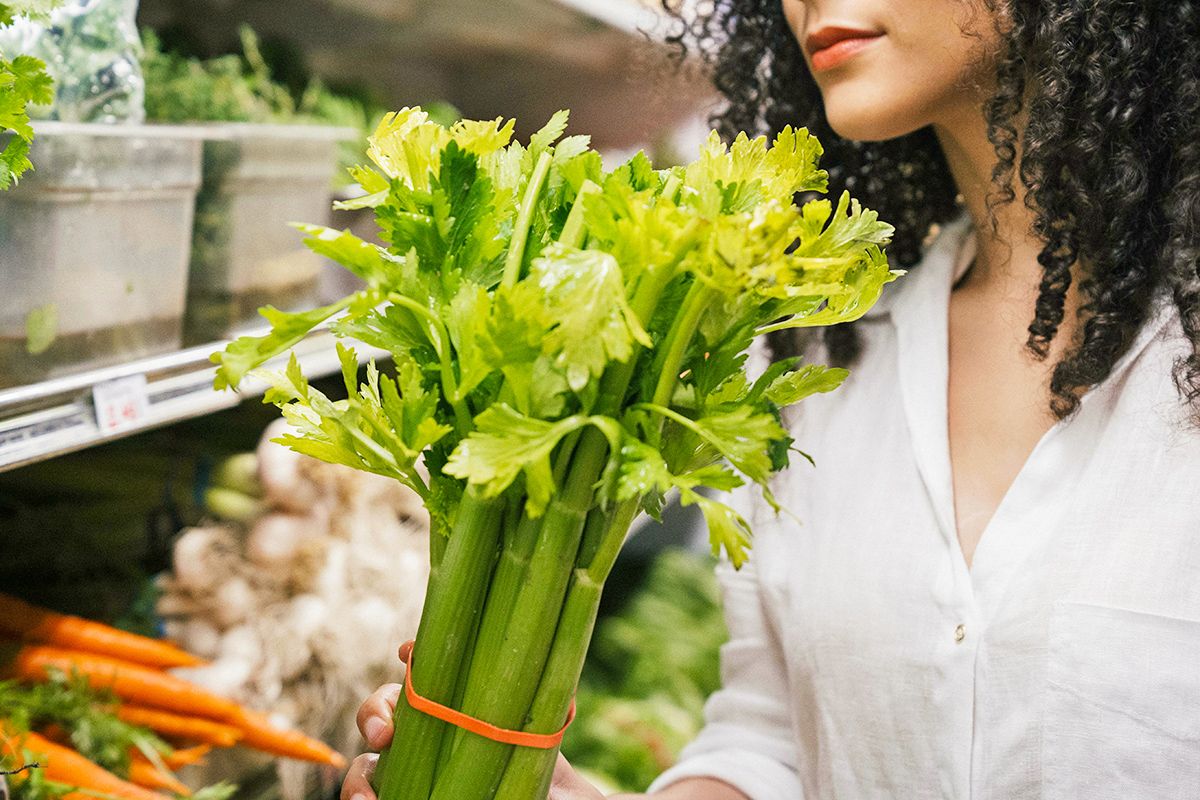
Celery
Celery is another vegetable that, frozen raw, can be mushy and squishy because of all its water. It can be treated so that it keeps some of its structural integrity — it won’t stay crispy when thawed, but it will be suitable for soups, stews, stuffings, and other cooked dishes.
If you want to freeze celery so it’s good for cooking, blanch it first. Wash and chop your celery into slices or chunks. Boil it for two to three minutes and transfer to an ice bath to stop it from continuing to cook. Drain it and pat dry to remove the moisture. Spread the slices on a baking sheet and flash freeze. When it’s frozen, transfer it to a freezer bag or freezer-safe container. It will last up to a year.
Featured Image Credit: Mike Jones/ Pexels
More From Our Network
Better Report is part of Inbox Studio, an email-first media company. *Indicates a third-party property.






Laura Falin is a freelance writer in Colorado who has written for Business Insider, BabyCenter, Colorado Parent Magazine, and more. She's an avid hiker who loves getting outdoors and taking ridiculously long road trips with her family.
This article is for general informational purposes only.
Affiliate Disclaimer Medical Disclaimer Financial Disclaimer