A Pinch vs. A Dash — Decoding Recipe Instructions

All featured products and deals are selected independently and objectively by the author. Better Report may receive a share of sales via affiliate links in content.
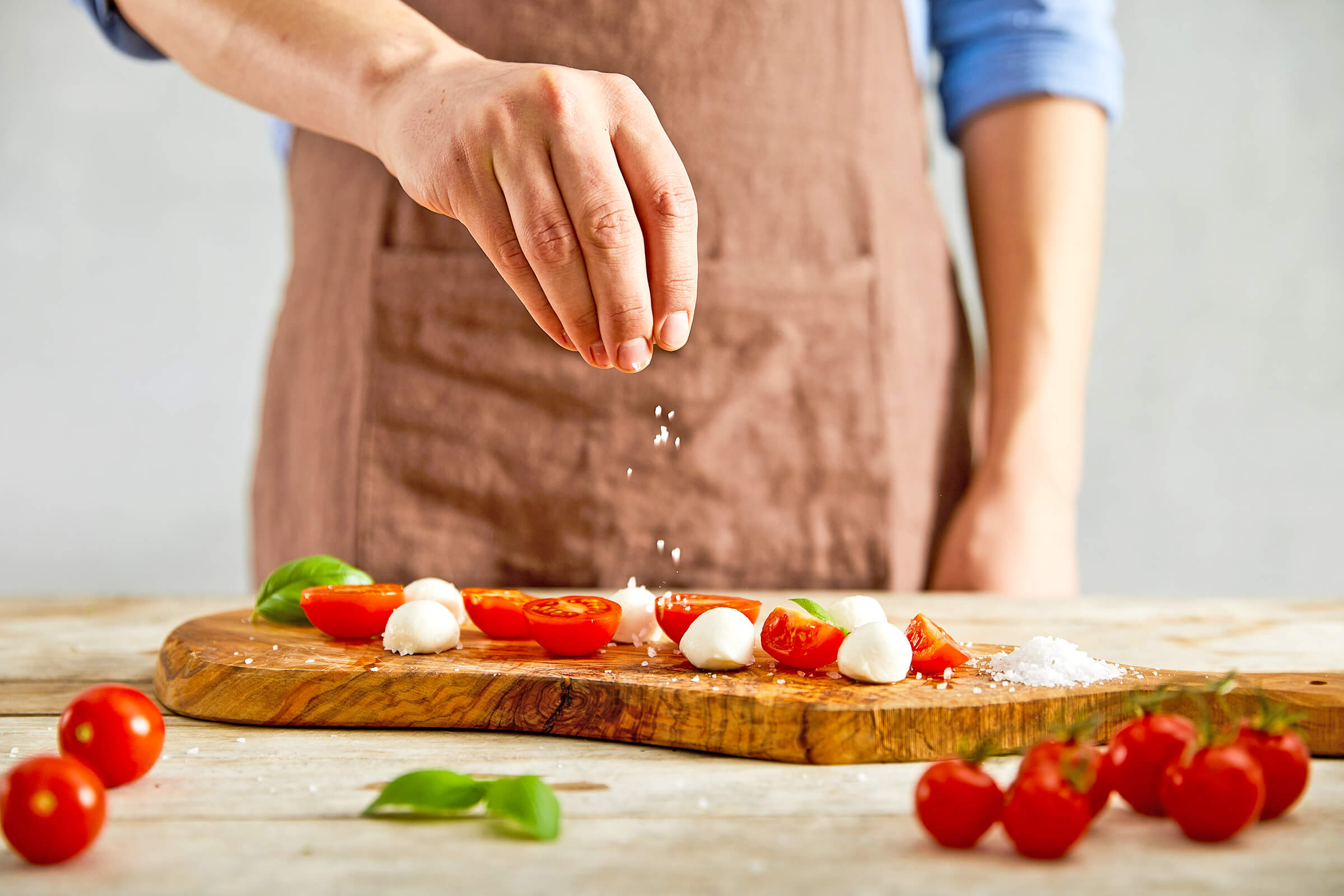
Home cooking isn’t for everyone, especially if you’re anything like Homer Simpson and have started a fire while making cereal. But if you’ve followed a recipe, you’ve probably heard culinary terms like pinch, dash, and splash. While those measurements may sound vague, they’re shorthand for exact amounts you should adhere to while making your meal. If you don’t pay attention and use a pinch instead of a dash, you could wind up with an utterly under-seasoned meal. Here are tips for decoding any of those seemingly confusing recipe instructions.
Pinch vs. Dash
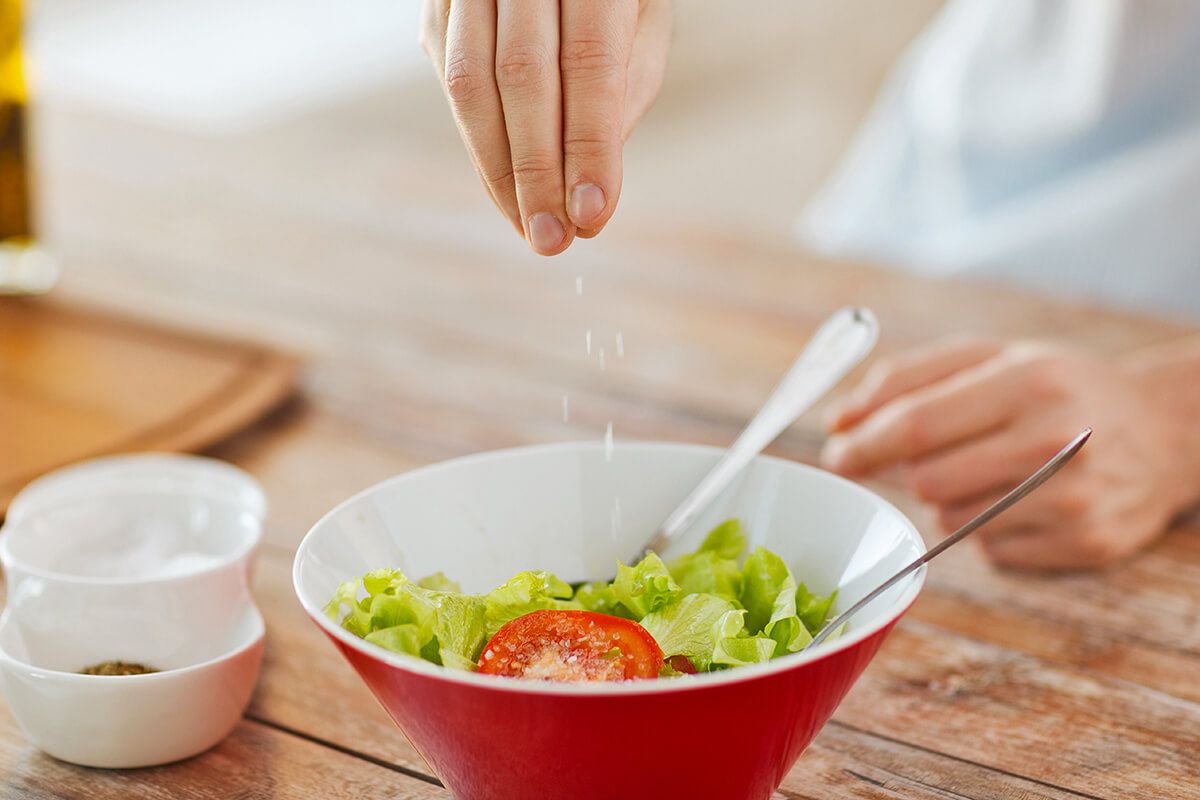
Both pinch and dash sound like equally tiny amounts that you add to food, but a dash is double the size of a pinch. A dash equals 1/8 of a teaspoon, whereas a pinch equals 1/16. There are shorthand terms for even smaller amounts as well, including smidgen (1/32 of a teaspoon) and drop (1/64 of a teaspoon). There’s also “hint,” which equals the extremely negligible amount of 1/128 of a teaspoon. On the flip side, you’ve got a “tad” — the largest of any of these amounts at about 1/4 teaspoon. It’s best to buy a set of smaller measuring spoons to portion out these exact amounts.
Glug, Splash, and Drizzle
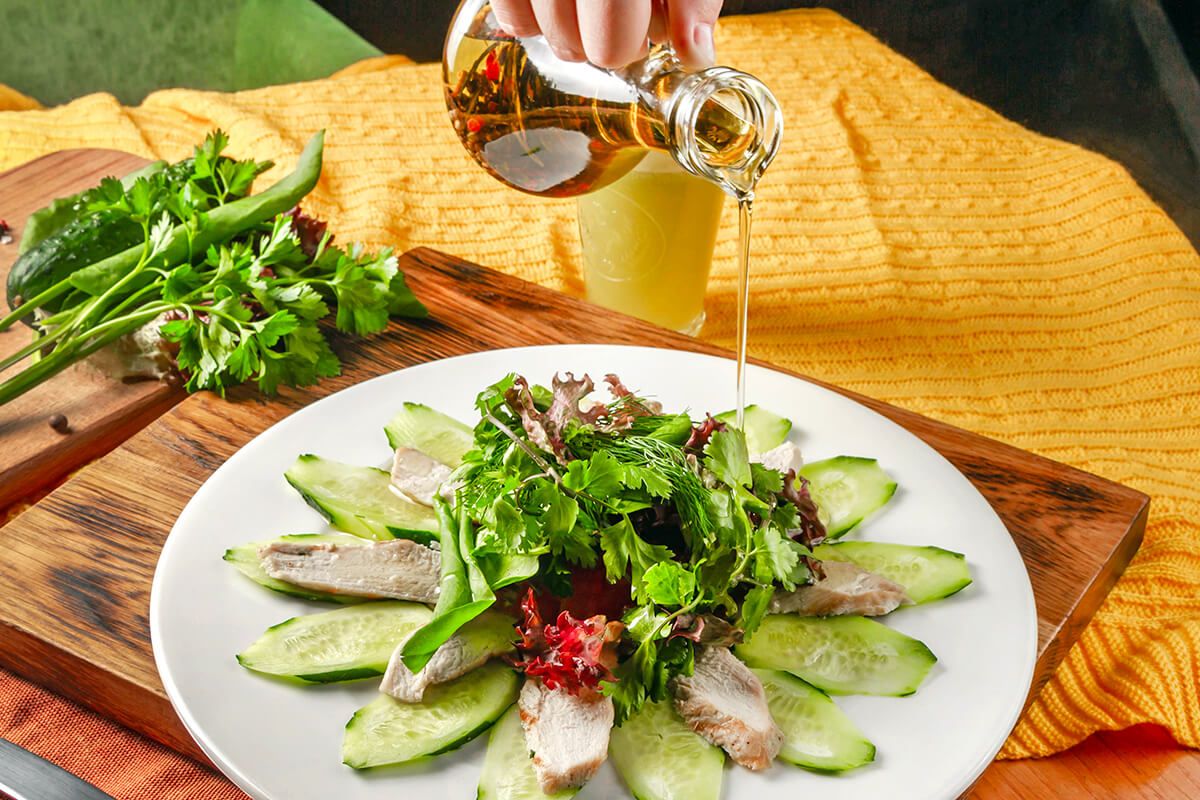
Regarding liquid measurements, you’re probably familiar with terms like glug, splash, and drizzle. A glug is the largest of these three, equivalent to between one and two tablespoons. A splash is the smallest, equalling about 1/2 of a teaspoon. A drizzle fits right in the middle and measures between a teaspoon and a tablespoon. If a recipe calls for any of these amounts, don’t worry about carefully measuring out the liquid, as there’s usually some room for error, and it’s often fine if a little extra splashes into the bowl.
Knob of Butter
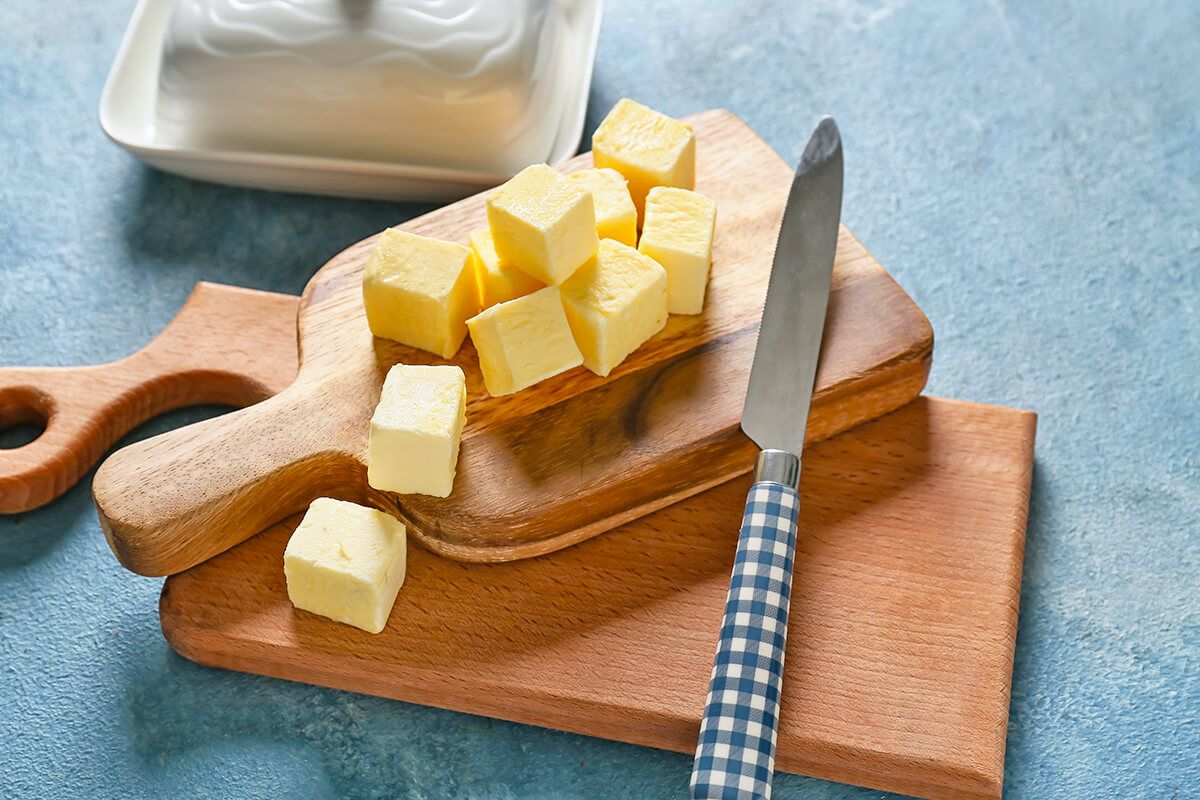
Many older recipes may call for a “knob of butter,” which is an old-school way to refer to a small cube of butter. A knob is generally considered to equal about two tablespoons or 30 grams, depending on which measuring system you use.

Reader Favorites



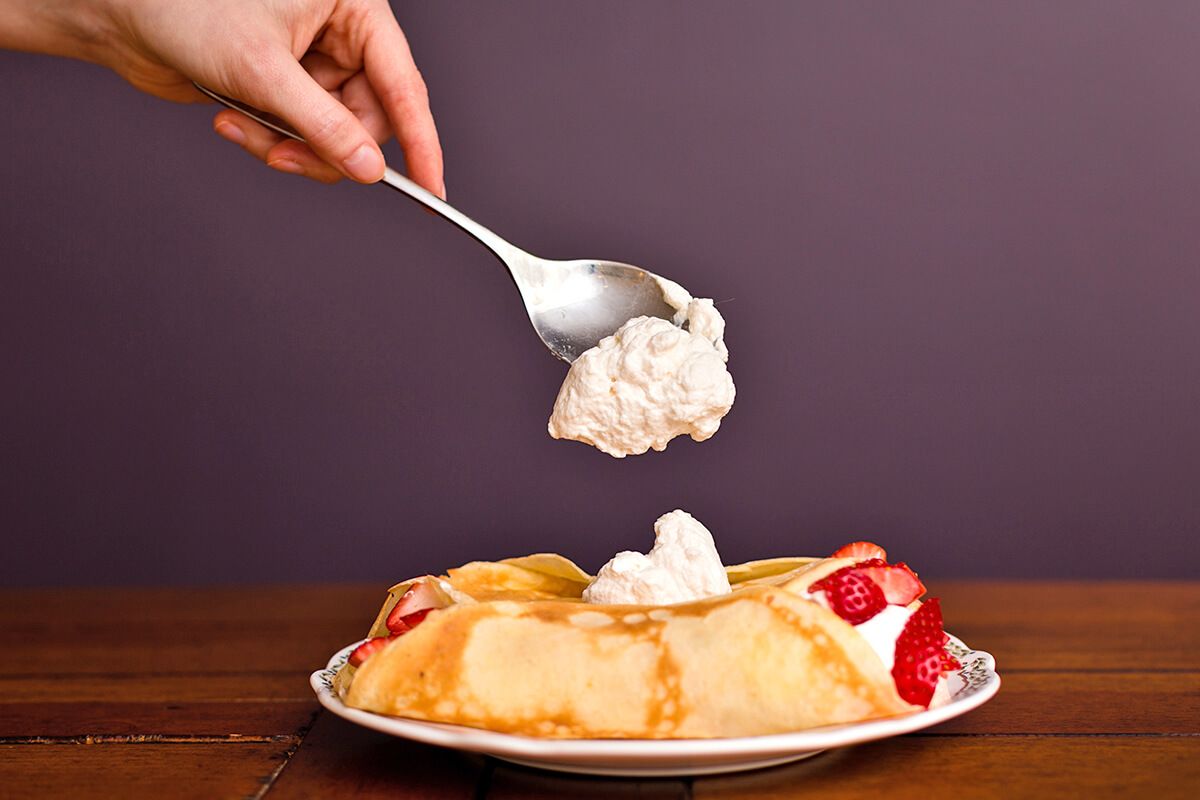
Plop and Dollop
“Plop” and “dollop” are terms that are most commonly used to refer to softer foods that can be scooped onto a dish to add flavor or thickness. Traditionally, a single plop equals just about a tablespoon, while one dollop is considered by some to be about a plop and a half — or about 1.5 tablespoons.
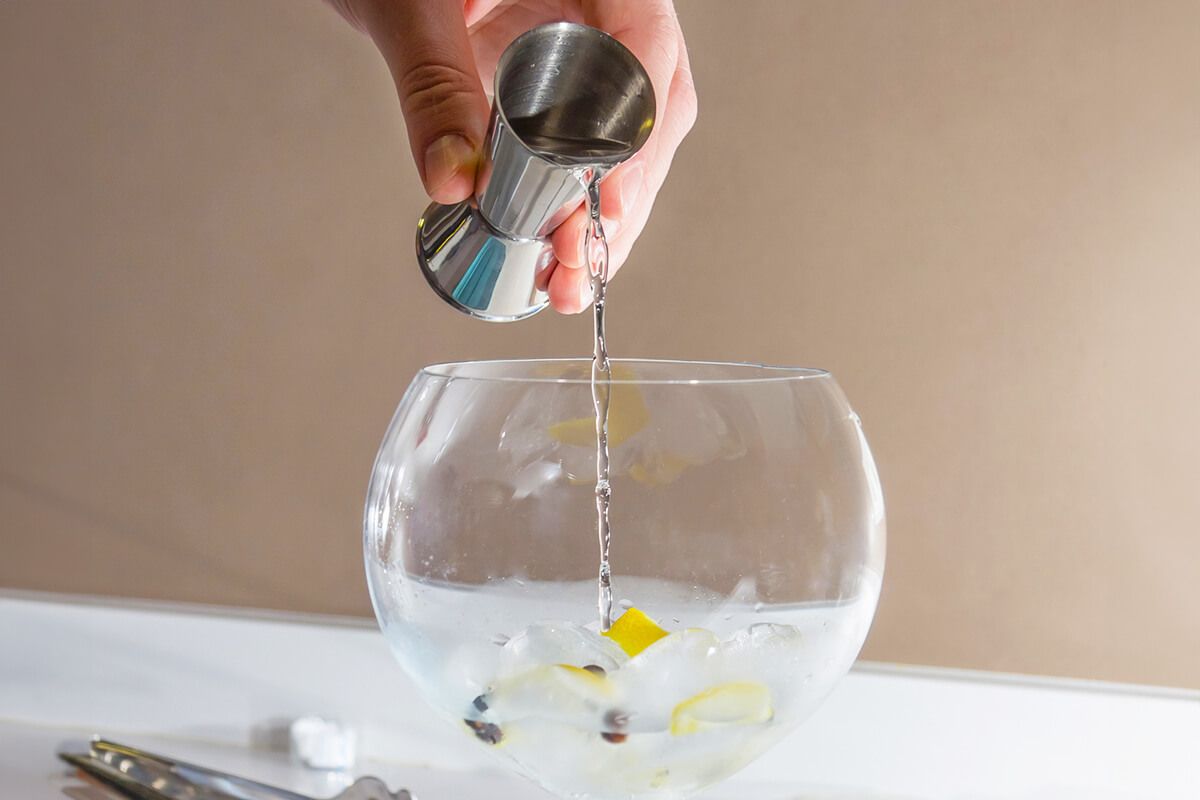
Jigger
Jiggers are hourglass-shaped metal devices that are commonly used in cocktail making. There are usually two sides to each jigger — a larger side measuring out one jigger and a smaller side measuring out 1/2 of a jigger. If you see a drink recipe calling for one jigger but don’t have a jigger handy, don’t worry. We’re here to tell you that one jigger is equal to 1.5 ounces of liquid, which is also the size of a standard shot glass.
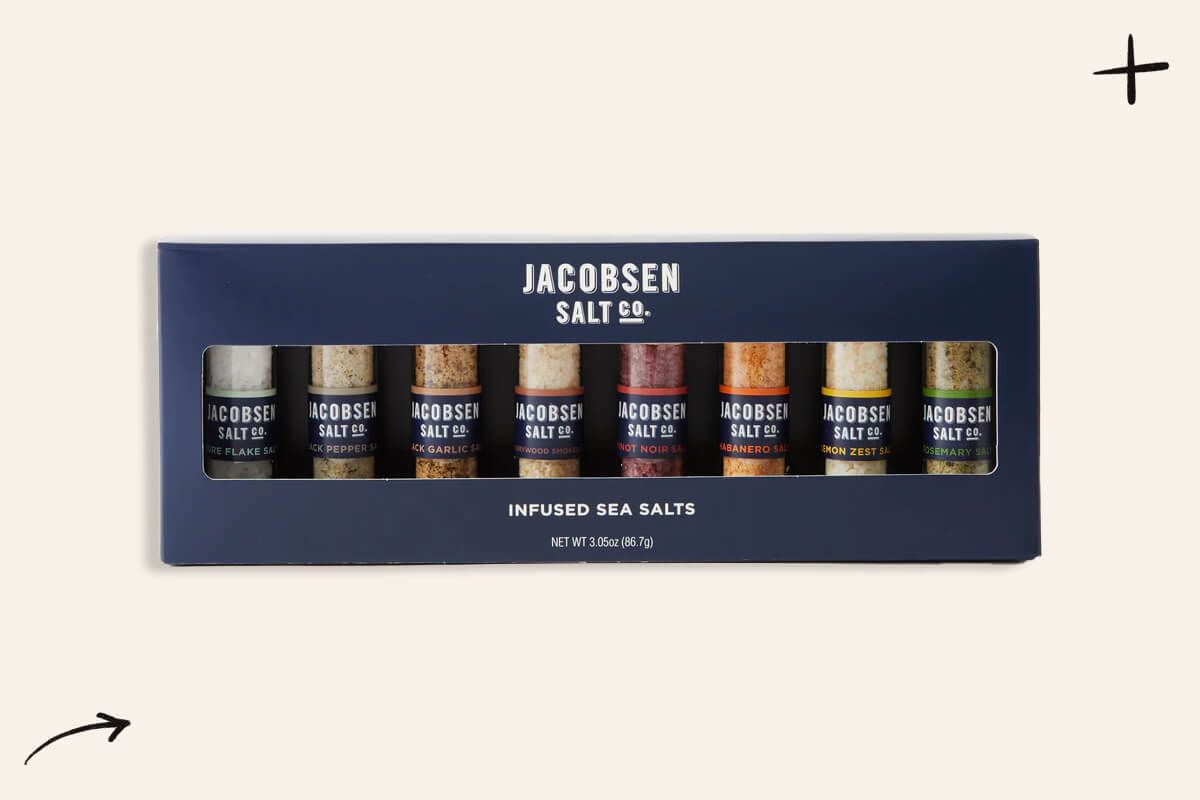
Up Your Spice Game
When using a “pinch” of salt, it’s best to use high-quality ingredients in order to elevate the flavor of any dish. Jacobsen Salt Co. is an excellent resource for any home cook, as they produce some of the most potent and delicious spices available. Check out their collection of infused salts, which include flavors like black garlic and lemon zest.
More From Our Network
Better Report is part of Inbox Studio, an email-first media company. *Indicates a third-party property.






Bennett Kleinman is a New York City-based staff writer for Inbox Studio. He is also a freelance comedy writer, devoted New York Yankees and New Jersey Devils fan, and thinks plain seltzer is the best drink ever invented.
This article is for general informational purposes only.
Affiliate Disclaimer Medical Disclaimer Financial Disclaimer