Why Does Your Sink Have a Tiny Hole?

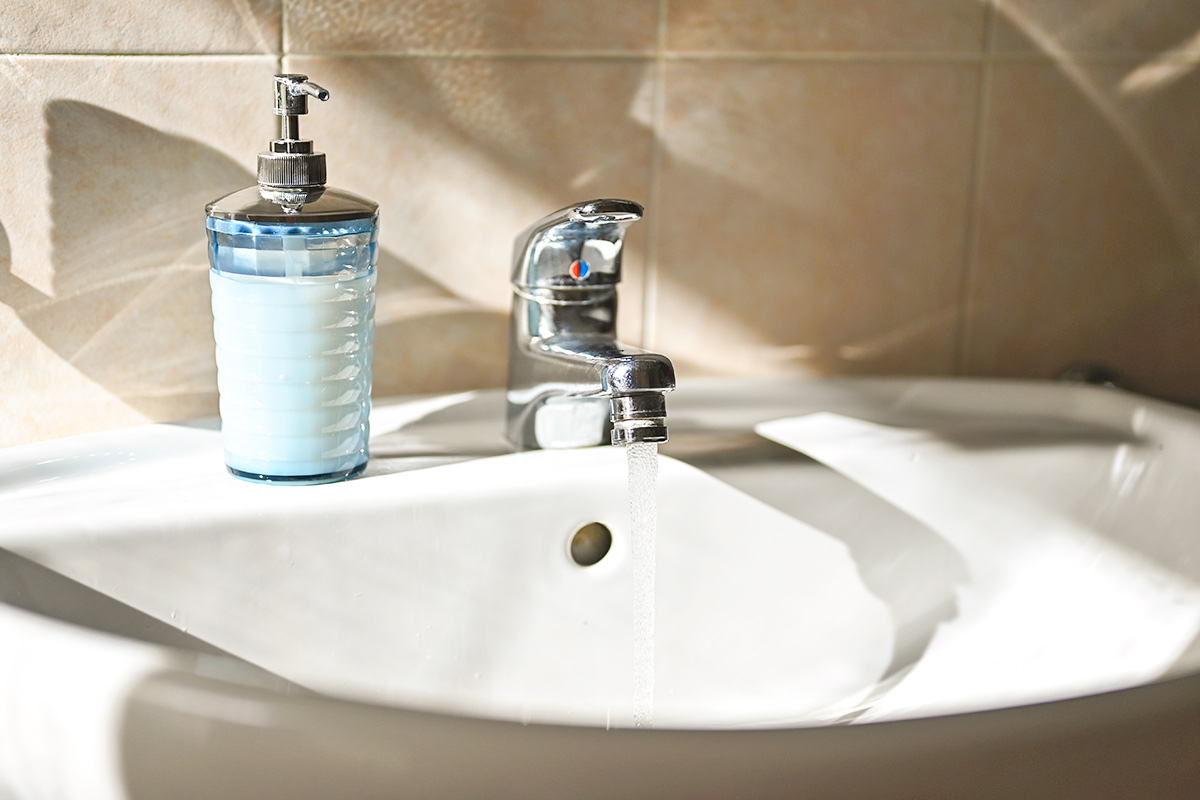
There’s a major difference between the word “sinkhole” and the idea of sink holes. The former is a disastrous event capable of wreaking havoc, while the latter can actually stop minor disasters from occurring in the home.
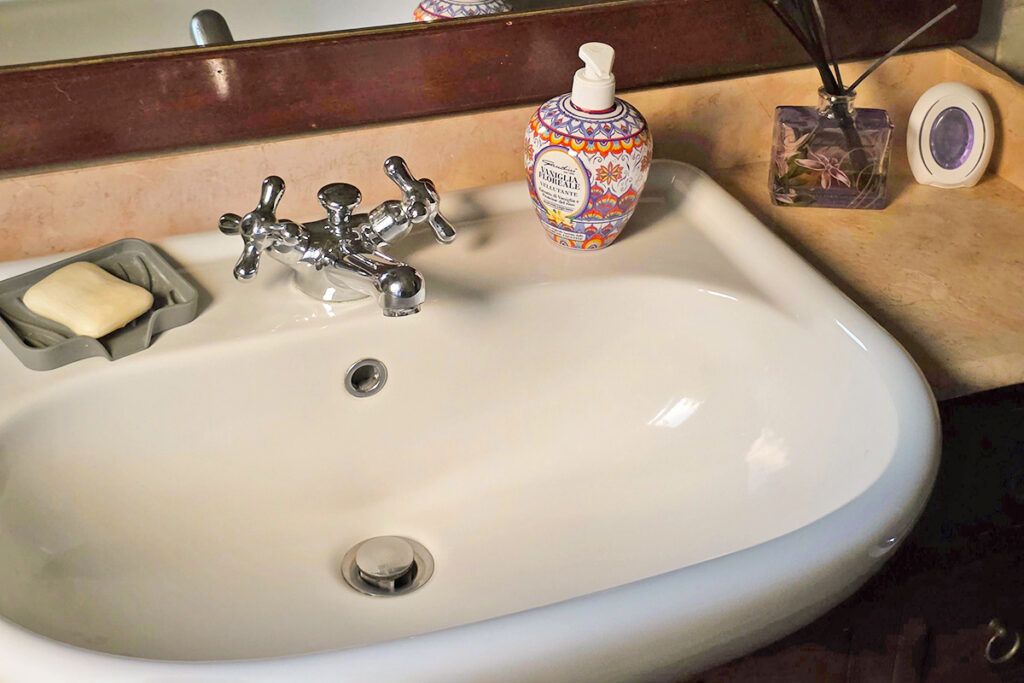
Of course, we’re not talking about the drain at the bottom of a bathroom or kitchen sink, whose purpose is well known. We’re talking about the one, two, or even three tiny holes located closer to the upper rim of the basin. This intentional design choice serves some important functions. Let’s take a look at why those small holes in your sink are so essential.
A Hole Lot of Benefits
Not every sink has tiny holes built in around the rim, but those that do benefit in two major ways.
First, the holes create airflow, which ensures a sink drains efficiently. When the main drain is covered with water, it creates a suction effect that causes the sink to empty at a slower rate. Those tiny holes around the rim, however, create a vent that feeds air directly to the drain pipe, which lessens the suction effect and allows the sink to empty out more rapidly.
But a slow-draining sink is a minor inconvenience. Perhaps the worst thing that could happen in the bathroom is copious amounts of water flowing onto the floor, potentially leading to things like mold growth and costly damage. But if your sink has holes, they’ll create an escape route in the event that the sink gets so full that water threatens to spill over the edge. That’s why they’re known as “overflow holes.”

Reader Favorites



If you close your drain, turn on the water, and leave the room with the sink running while you go to check something in another room, all it will take is a few minutes for the sink to fill up and water to spill on the floor. But the tiny openings capture excess water as it approaches the rim, allowing it to drain back into an internal channel that connects with the main drain pipe. If the water is on full-blast, the overflow holes probably won’t work for long, but they’ll buy you a few minutes to come back in and turn the water off.
You’ll also find these tiny holes or one large gap in many bathtubs, where they serve the same purpose. However, if you take a look at the kitchen or laundry sink, you may not see any holes — and there’s a reason for that.
Why Don’t All Sinks Have Tiny Holes?
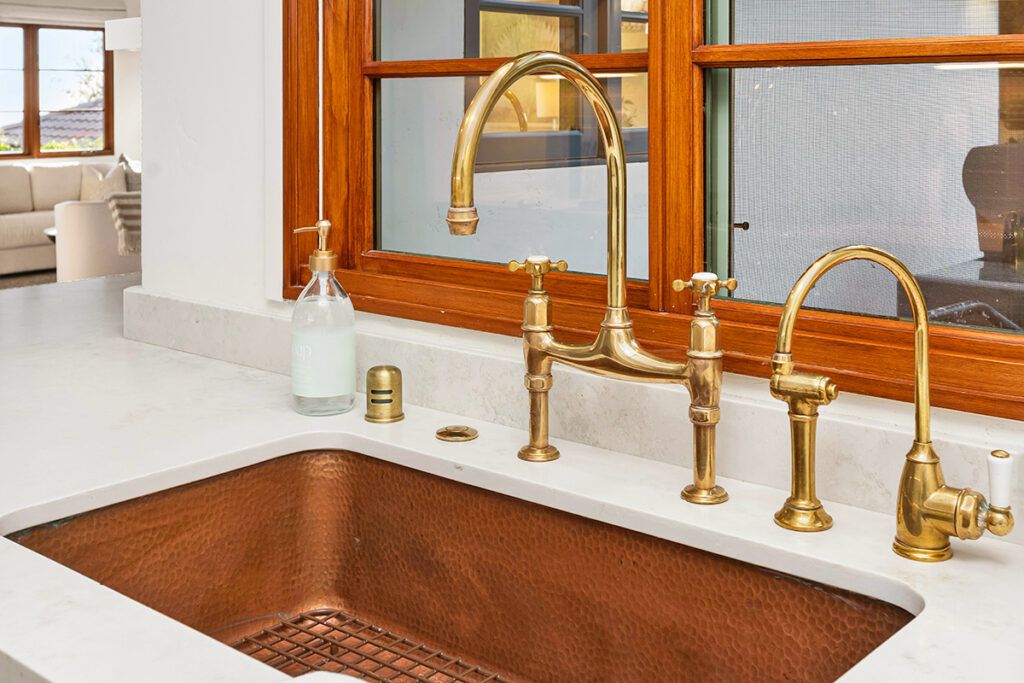
Most bathroom sinks are smaller than your typical kitchen or laundry sink. Because of that, the risk of overflowing water in the bathroom is higher, thus making these holes necessary.
Plus, kitchen and laundry sinks are designed to handle, and, in turn, properly drain plentiful amounts of water, making it quite difficult for the water to ever approach the rim. You may encounter an issue if the main drain is clogged with food or grime, but typically, the water will be sucked down the drain with ease, thus making overflow holes less of a useful feature than they are in bathroom sinks.
Featured Image Credit: © Yuliya Taba—iStock/Getty images
More From Our Network
Better Report is part of Inbox Studio, an email-first media company. *Indicates a third-party property.







Bennett Kleinman is a New York City-based staff writer for Inbox Studio. He is also a freelance comedy writer, devoted New York Yankees and New Jersey Devils fan, and thinks plain seltzer is the best drink ever invented.
This article is for general informational purposes only.
Affiliate Disclaimer Medical Disclaimer Financial Disclaimer