What’s the Healthiest Type of Bread?
All featured products and deals are selected independently and objectively by the author. Better Report may receive a share of sales via affiliate links in content.
These days, restaurants have replaced bread with lettuce wraps and cauliflower crusts to offer “healthier” options. While these are great substitutes, they also vilify bread. Most fad diets and health “gurus” offer a disparaging opinion on bread, mainly because of its high carbohydrate levels. However, in some cases, the benefits of bread can outweigh the carbs. Besides, our bodies need those carbs to function correctly. The right type of bread — a low-fat bread packed with nutrients — can be a healthy addition to a balanced diet. Here’s what dieticians and health experts say about the most nutritious types of bread.
Why Bread Isn’t Bad
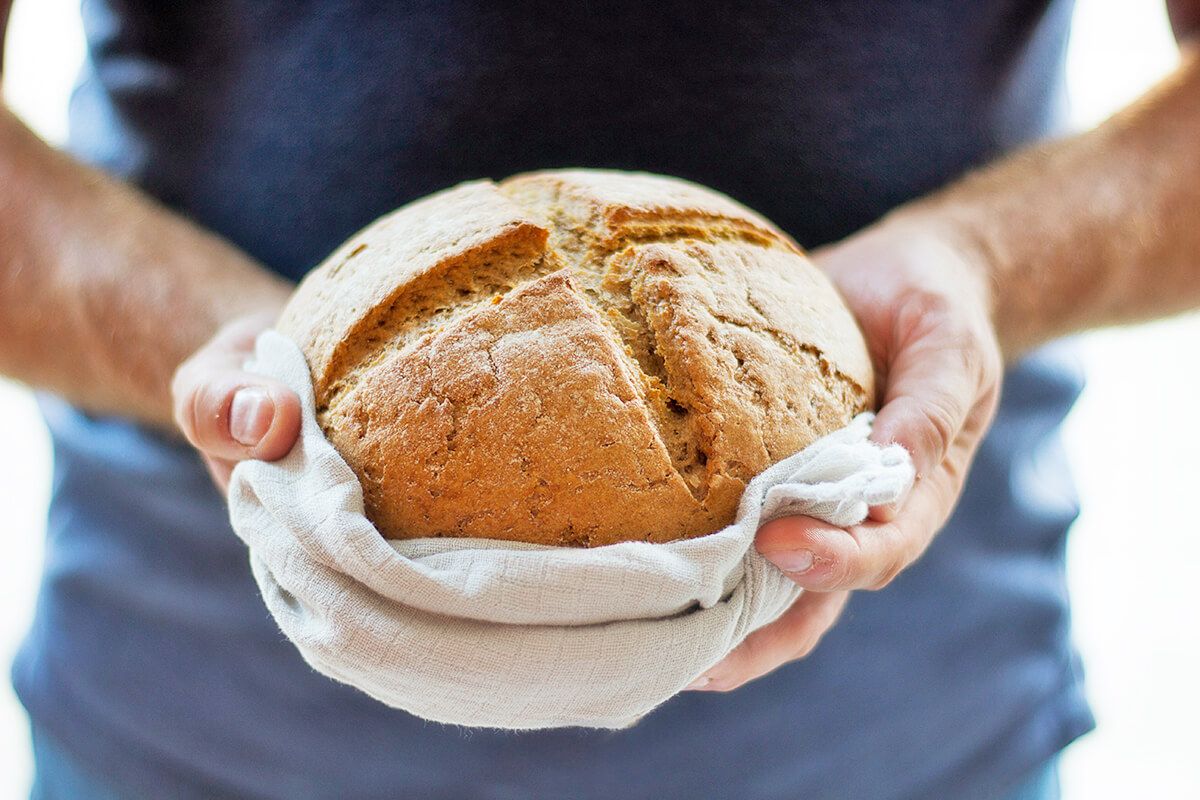
You won’t find low-carb diets with bread on the menu, but here’s the catch: we need carbohydrates, and bread is a great way to get them. Carbs are the body’s primary energy source for brain and nervous system function. So why the bad rap? Eating too many carbs has adverse health impacts, including increased weight, blood sugar levels, risk of diabetes, and other diseases. For these reasons, many consumers seek to reduce their bread intake.
However, not all breads are created equal. The American Heart Association has weighed in on the debate about bread, stating, “Concerns over carbs, sodium, and gluten sometimes overshadow what can be a simple, tasty way to add important vitamins and minerals as well as fiber to daily meals.” Some breads are even fortified with essential vitamins and minerals such as iron, riboflavin, thiamine, and niacin.
Whole Grains Come Out on Top
From Italian ciabatta to Southern-style cornbread or a New York bagel — there are hundreds of tasty bread options. However, some bread types should be limited to special occasions (like dessert) because of high sugar or sodium content. There are a few types of bread you can feel good about, and one option reigns supreme: whole grain bread.
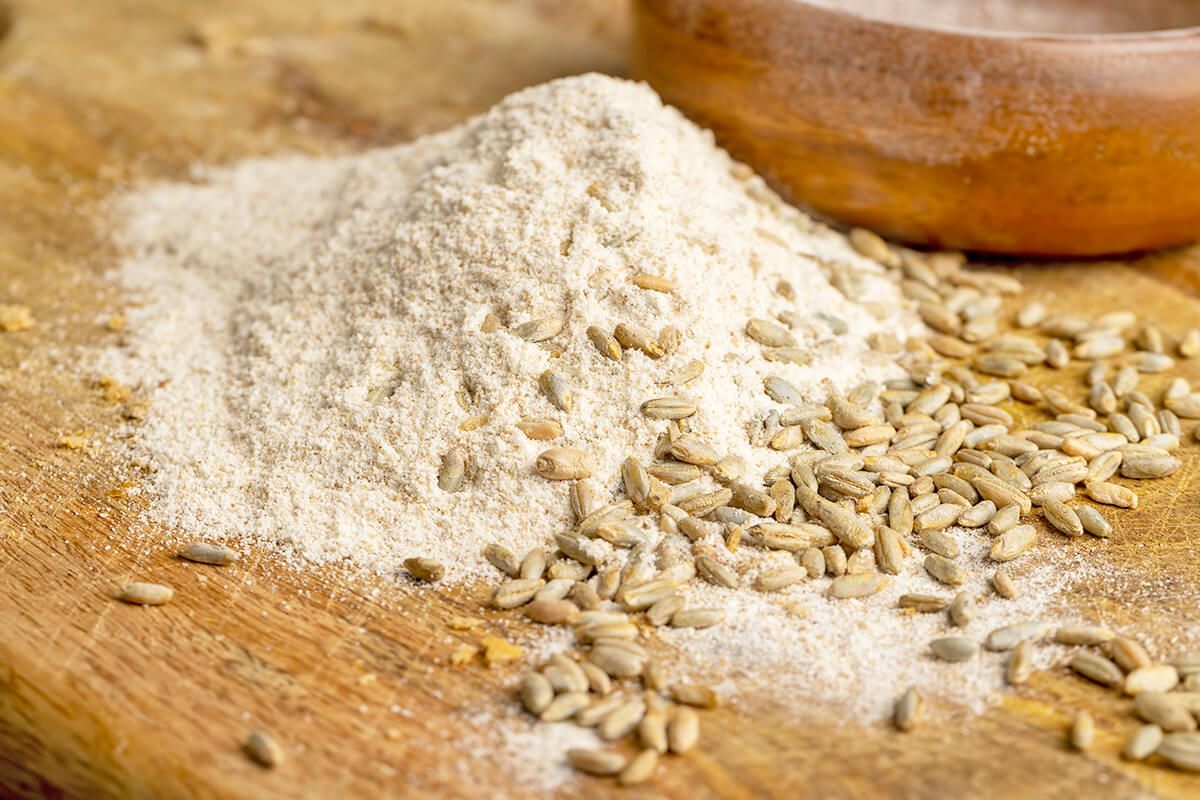
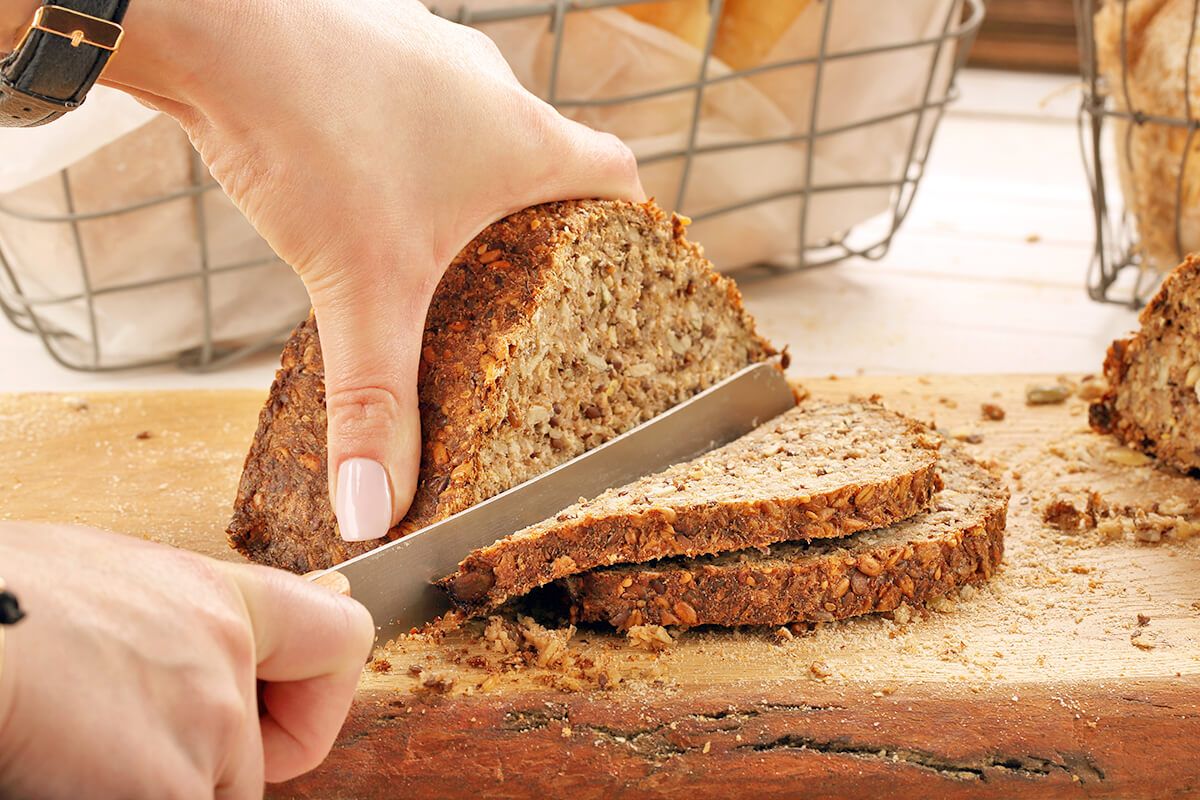
Whole grain breads provide the best of both worlds, with lower calorie and fat levels than other breads, an average amount of carbs, and plenty of health benefits. Whole grain flours are made using all parts of the kernel, the bran, germ, and endosperm. These whole kernels include protein, fiber, B vitamins, phytochemicals, vitamin E, and other healthy fats. Whole grains stand out from other breads on store shelves because they’re darker in color, have visible grain kernels, and are less fluffy. When bread is refined, the germ and bran are removed, which results in a lighter, fluffier flour (think pre-sliced white bread), but with less nutritional benefits and more calories and carbs.
Types of Whole Grain Bread
“Whole grain” is a broad category. Consumers have many choices when looking for a healthy type of bread. The most popular type of whole grain bread is whole wheat, but plenty of other whole grains can be made into bread flour, including oats, buckwheat, barley, brown rice, sorghum, millet, quinoa, and amaranth. Aside from barley and wheat, these grains are gluten-free, making them an excellent choice for those sensitive to gluten.

Reader Favorites



Whole Wheat
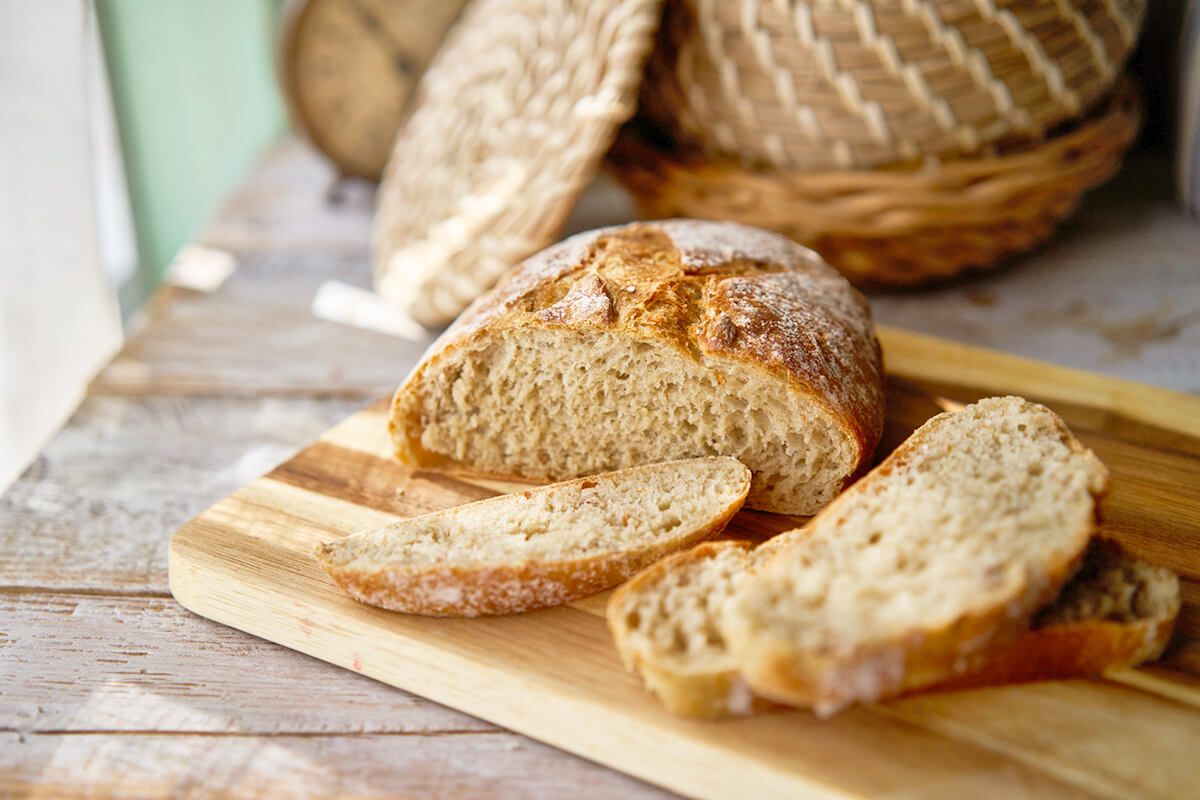
Of all the types of whole grain bread, whole wheat is the most popular and readily available. The average slice of whole grain bread contains around 81 calories, 14 grams of carbs, and four grams of protein. In comparison, a slice of white bread has more calories and carbs with less protein, containing around 98 calories, 18 grams of carbs, and three grams of protein. If you prefer the taste of white bread over whole wheat, look for 100 percent white whole wheat bread (made with albino whole wheat grain). It is the same nutritionally as whole wheat bread and tastes more like white bread.
Sprouted Whole Grain Bread
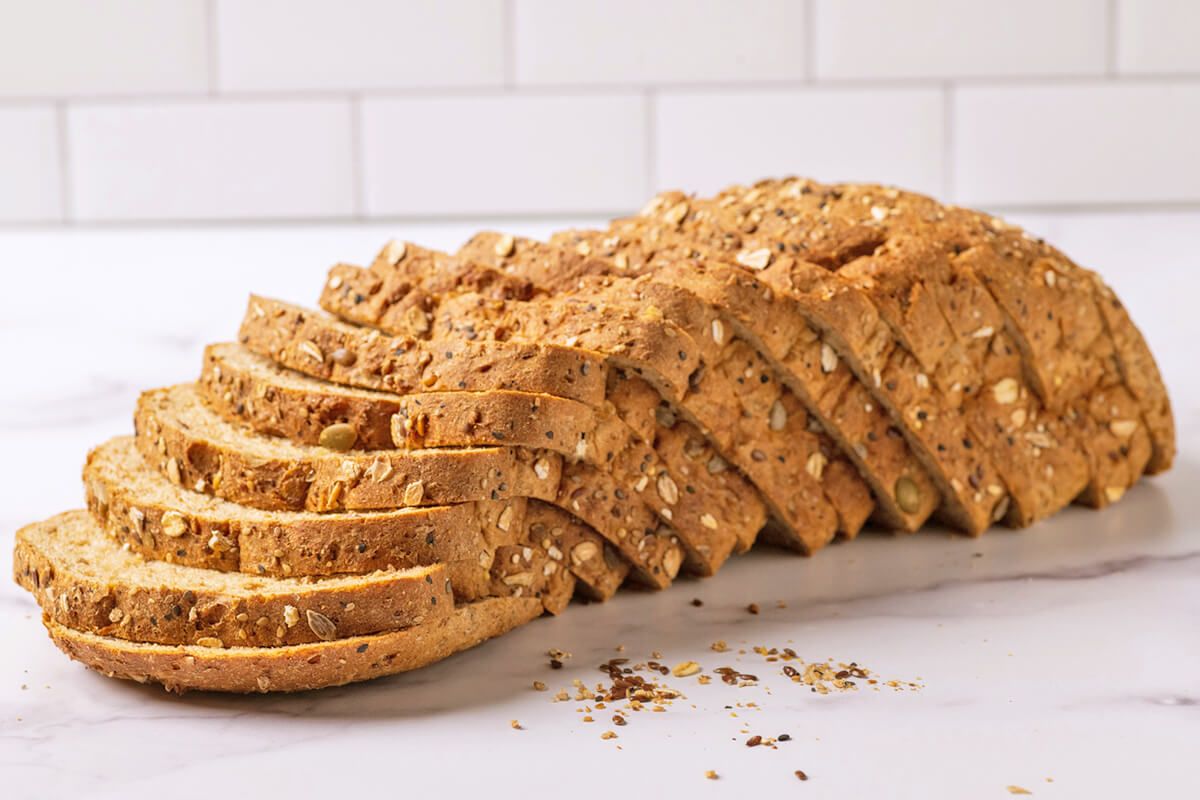
To increase the nutrition benefits, opt for sprouted whole grain bread, which boasts the same benefits as whole grain but is made with sprouted grains (soaked grains that have begun to grow). When grains sprout, they are more easily digestible, and the body better absorbs the nutrients. Dietician Lisa Valente, M.S., RD, recommends sprouted whole grain to her patients, “The one type that always stands out to me as a good choice is sprouted grain bread,” citing their high-protein and low-sodium content. Check the bakery, natural food, or freezer sections if you can’t find sprouted whole grain bread in the regular bread aisle.
The Truth About Multigrain
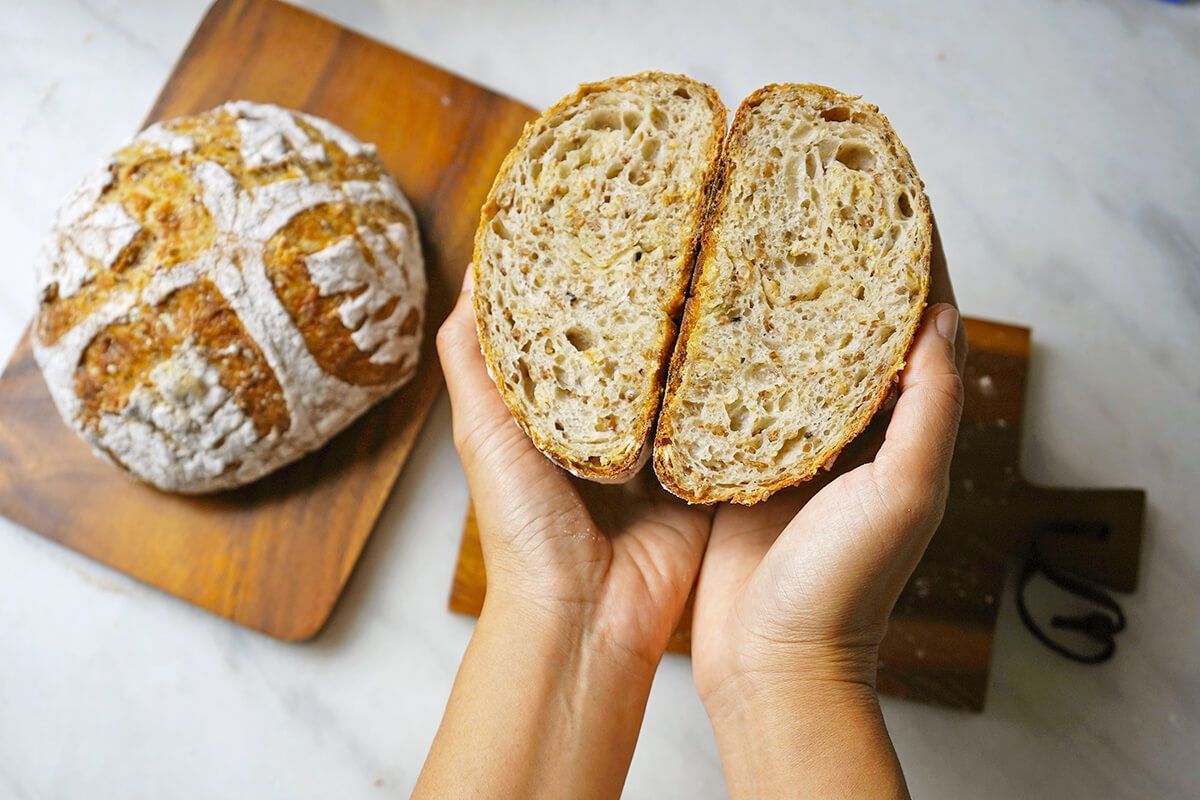
Not all multigrain breads are whole grain, so breads labeled this way require more legwork from consumers. Ensure you read the ingredients because the grains used in the flour might not be whole grains. Sally Kuzemchak, M.S., RDN, explains, “And ‘multigrain’ sounds amazing, but just means it’s made with multiple grains — none of them necessarily need to be whole.” If the grains are whole, they will be listed on the label, as seen in Dave’s Killer Bread Organic 21 Whole Grains and Seeds Bread. Whole grain multigrain breads are a great choice to add diversity to your whole grain intake.

The Bottom Line
Bread can undoubtedly be included in a balanced diet, so don’t shy away if you don’t have to. Marie-Pierre St-Onge, an associate professor of nutritional medicine at Columbia University, sums it up nicely: “A leaf of lettuce will have a couple of calories, where a slice of bread will have 100-something calories. But will you have the same amount of vitamins and minerals in a leaf of lettuce that you will get in a slice of bread? No.” When choosing bread, remember to opt for healthier types, such as whole grains, to reap the nutritional benefits while enjoying a tasty meal.
More From Our Network
Better Report is part of Inbox Studio, an email-first media company. *Indicates a third-party property.