The States With the Highest — and Lowest — Tax Rates in 2026


While the exact percentage people pay in federal tax varies depending on their personal income-based tax bracket, those rates are consistent nationwide. State and local taxes, on the other hand, can vary somewhat dramatically: According to a new analysis, there’s a nearly 10% gap between states with the highest and lowest tax rates, which could make certain locations more appealing to those seeking a lower tax burden.
The total amount you pay in state taxes comprises many different kinds of taxes, including income, sales and excise, real estate, and vehicle property taxes, just to name a few. The good news is that you don’t have to track down these numbers individually; the personal finance company WalletHub has already analyzed and ranked the states (and Washington, D.C.) with the highest and lowest tax rates. The company looked at the four types of taxes mentioned above and “calculated relative income-tax obligations by applying the effective income-tax rates in each state and locality to the average American’s income.” Let’s take a look at some of their findings.
The Five Highest
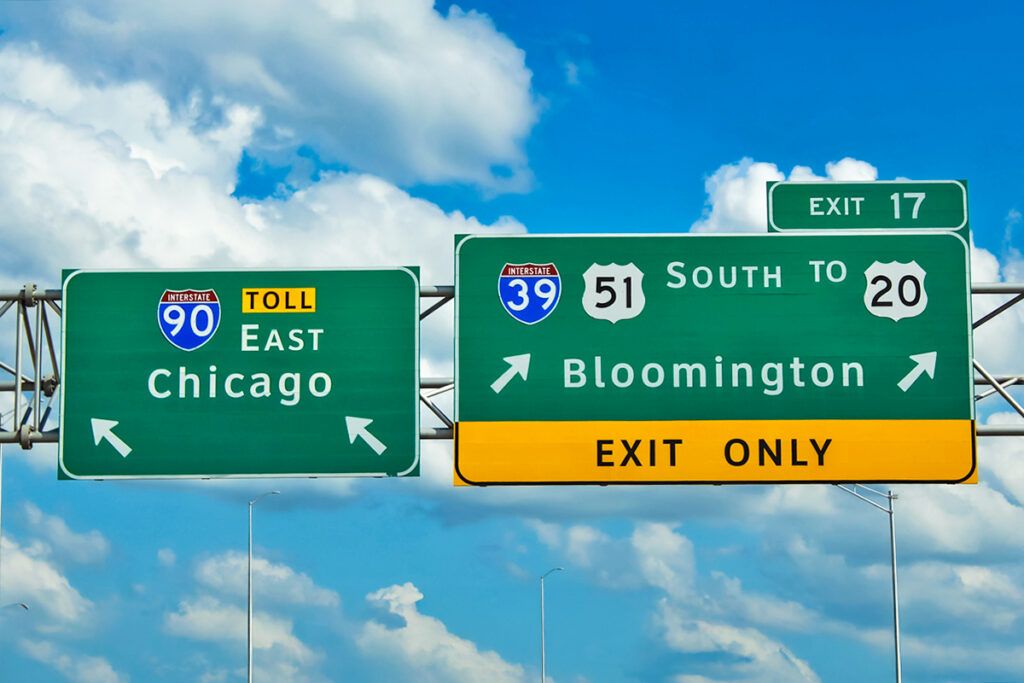
- Illinois – 16.87%
- New York – 14.95%
- Connecticut – 14.58%
- Pennsylvania – 14.09%
- New Jersey – 14.06%
In 2026, the national average for state and local tax rates is 11.02%. Compare that with 16.87% in the Land of Lincoln, which levies the highest such rates in the nation. In terms of actual cash, this equals $13,699 per person based on median household income nationwide, or $12,538 based on the median household income in Illinois, specifically.

Reader Favorites



Part of what accounts for these high tax rates is the state’s 3.43% income tax rate, which ranks as the fifth-highest in the nation. Illinois also imposes an 8.24% effective real estate tax, ranking second after New Jersey’s 8.65%. There’s a steep drop-off after Illinois, as the runner-up (New York) has an overall tax rate of almost two percentage points lower. Three other Northeast states round out the top five: Connecticut, Pennsylvania, and New Jersey.
The Five Lowest
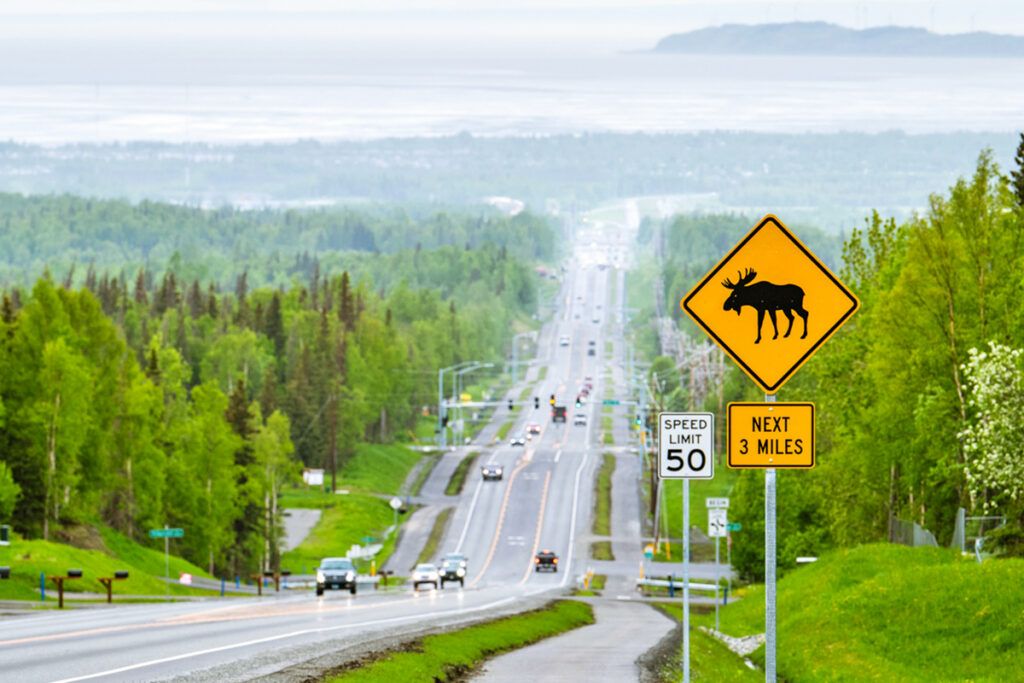
- Alaska – 6.94%
- Delaware – 7.19%
- Wyoming – 7.58%
- Idaho – 7.65%
- Montana – 7.88%
The average Alaskan is responsible for paying just 6.94% in state and local taxes, which is the lowest percentage of any state. This equals just $5,634 based on national median income, and $6,153 based on statewide median income in Alaska.
Taxes in Alaska aren’t universally low across the board, though — the state levies an effective real-estate tax of 4.53%, which ranks as the 16th-highest in the country. But all other state and local taxes keep the overall number low, including 0% in vehicle property taxes, 0% in income taxes, and 2.41% in sales tax (the fifth-lowest nationwide). Delaware’s average tax rate of 7.19% puts it in the No. 2 spot, followed by Wyoming, Idaho, and Montana. Together, these states comprise the only five states in WalletHub’s analysis with an effective tax rate that falls below 8%.
Takeaways
State and local tax rates provide us with indisputable numbers, which many take into account when considering a move to another state. But it’s important not to be too narrow-minded when analyzing these numbers, and to view them in a broader context. After all, these percentages aren’t necessarily indicative of quality of life.
For instance, some states impose high taxes to pay for public services such as schools and roads, which may be important to those who have young children or drive often. But not all state-provided services are that desirable, and some people may prefer more money in their pocket now. All this is to say that taxes offer us only a small piece of the puzzle, and there are external factors worth taking into account when deciding where to live.
To see where your state ranks, head over to WalletHub.
Featured Image Credit: © shanf/iStock
More From Our Network
Better Report is part of Inbox Studio, an email-first media company. *Indicates a third-party property.







Bennett Kleinman is a New York City-based staff writer for Inbox Studio. He is also a freelance comedy writer, devoted New York Yankees and New Jersey Devils fan, and thinks plain seltzer is the best drink ever invented.
This article is for general informational purposes only.
Affiliate Disclaimer Medical Disclaimer Financial Disclaimer