The Tick Bite That Could Make You Allergic to Meat

All featured products and deals are selected independently and objectively by the author. Better Report may receive a share of sales via affiliate links in content.
If it’s spring or summer, it’s tick season across most of the United States (though the Northeast and Midwest have been the main hot spots for tick trouble over the past decade). This means the little arachnids have awoken from their winter dormancy and are searching for blood meals. They’ll bite almost anything that moves — including people.
2026 is already proving to be a bumper year for tick-related emergency room visits: In the fourth week of April alone, the Centers for Disease Control and Prevention’s tick bite tracker reported 117 tick bite-related ER visits per 100,000 ER visits in the U.S., the highest rate since 2017 — and tick bite reporting usually peaks in late May.
Bites from pathogen-carrying ticks can cause Lyme disease, anaplasmosis, Rocky Mountain spotted fever, and many other diseases. One of the strangest and least understood is alpha-gal syndrome, an allergy to red meat thought to be spread through bites from lone star ticks. These aggressive chompers live mostly in the South and Midwest, but their range is expanding to the Northeast and West due to rising average temperatures and earlier spring warmth linked to climate change.
Here’s what you need to know about this odd illness and what you can do to avoid it.
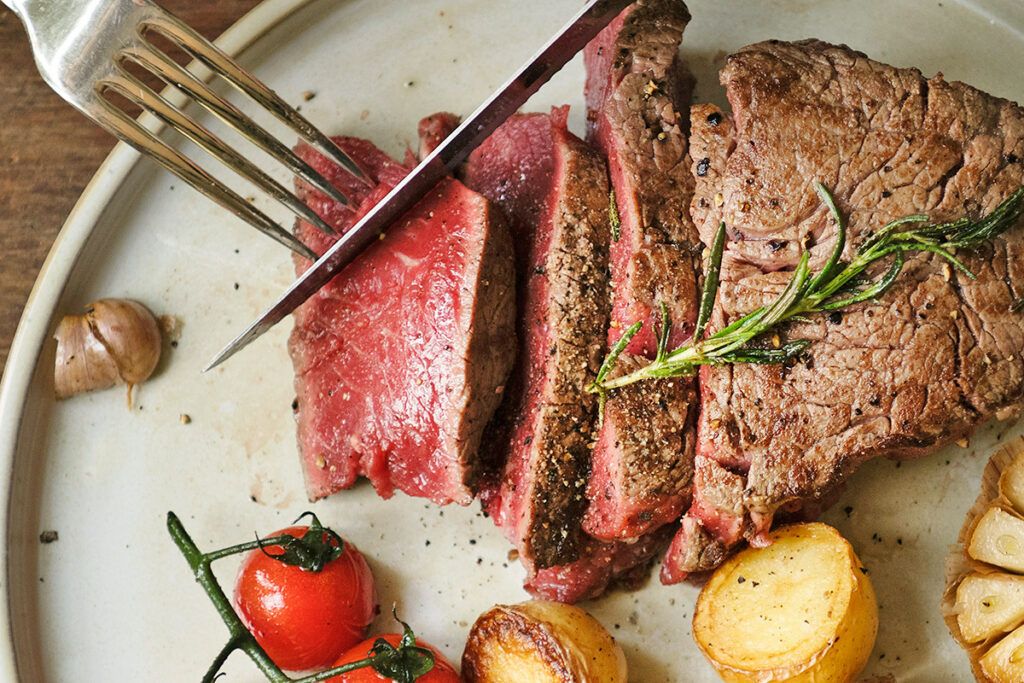
The “Red Meat Allergy”
Identified in the early 2000s, alpha-gal syndrome is an allergy to an oligosaccharide (a type of sugar molecule) called galactose-alpha-1,3-galactose, or alpha-gal for short. The molecule naturally occurs in most mammals’ meat and mammalian products, but not in humans or other primates.
When people with alpha-gal syndrome eat red meat, their bodies release a flood of immunoglobulin E, an antibody produced by the immune system. This allergic reaction can occur up to six hours after the meat is eaten and manifest as hives, coughing and wheezing, stomach pain, gastrointestinal upset, dizziness, or life-threatening anaphylaxis. People may have different symptoms and degrees of severity each time they’re exposed to alpha-gal.

Reader Favorites



The biggest sources of alpha-gal for consumers are beef, pork, lamb, venison, rabbit, and other mammalian meat and organs; animal fats like beef tallow, lard, and suet; meat-based broths and gravies; dairy products; and items containing animal-derived gelatin, like medicine capsules. Unfortunately, cooking meat doesn’t get rid of alpha-gal.

Cases Are Increasing
It’s hard to know exactly how many people in the U.S. have alpha-gal syndrome because health care providers aren’t required to report cases they see to their state health departments and the CDC. The number is rising, however: A 2023 study found more than 90,000 cases diagnosed from antibody tests between 2017 and 2021, with the number of new cases increasing by about 15,000 each year. Most occurred in the South, Midwest, and Mid-Atlantic.
The actual number of cases may be much higher; the CDC estimates as many as 450,000 people may live with the condition. The first known death from alpha-gal syndrome occurred in 2024, when a New Jersey man died after eating a hamburger and experiencing a fatal allergic reaction.
Alpha-Gal Syndrome’s Origin
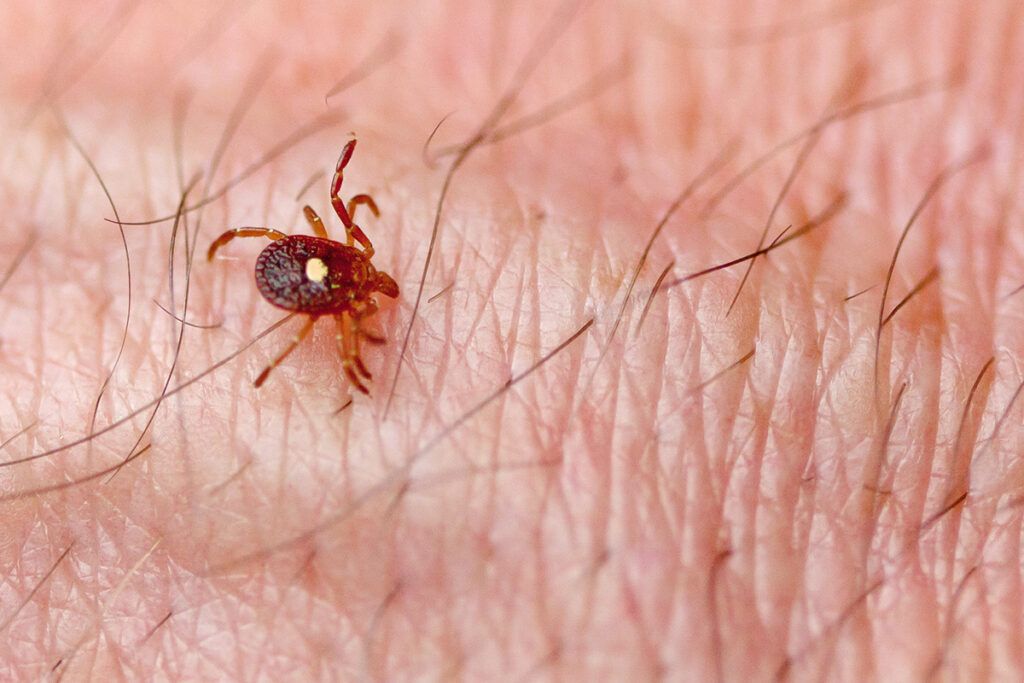
Lone star ticks transfer alpha-gal in their saliva to their hosts, and it’s believed that they cause most cases of the syndrome in the United States. Other species have caused alpha-gal syndrome in other countries on every continent except Antarctica.
It’s not clear how alpha-gal arises in ticks. Some theories suggest ticks acquire the allergen from previous blood meals or from viruses, bacteria, or parasites. Others hypothesize that it originates in the tick’s saliva and digestive tract.
Much more research is needed to understand the factors influencing the syndrome’s flow between tick and host. A tick’s food-seeking patterns, ecological distribution, saliva chemistry, and other traits could affect its ability to transmit alpha-gal. Studies have suggested a person’s own microbiome, diet, blood type, interactions with pets, and genetic disposition to allergic reactions could play into their susceptibility.
Prevention Is the Best Protection
Because there’s no specific treatment or cure for alpha-gal syndrome, the best way to avoid it is to prevent ticks from biting you in the first place.
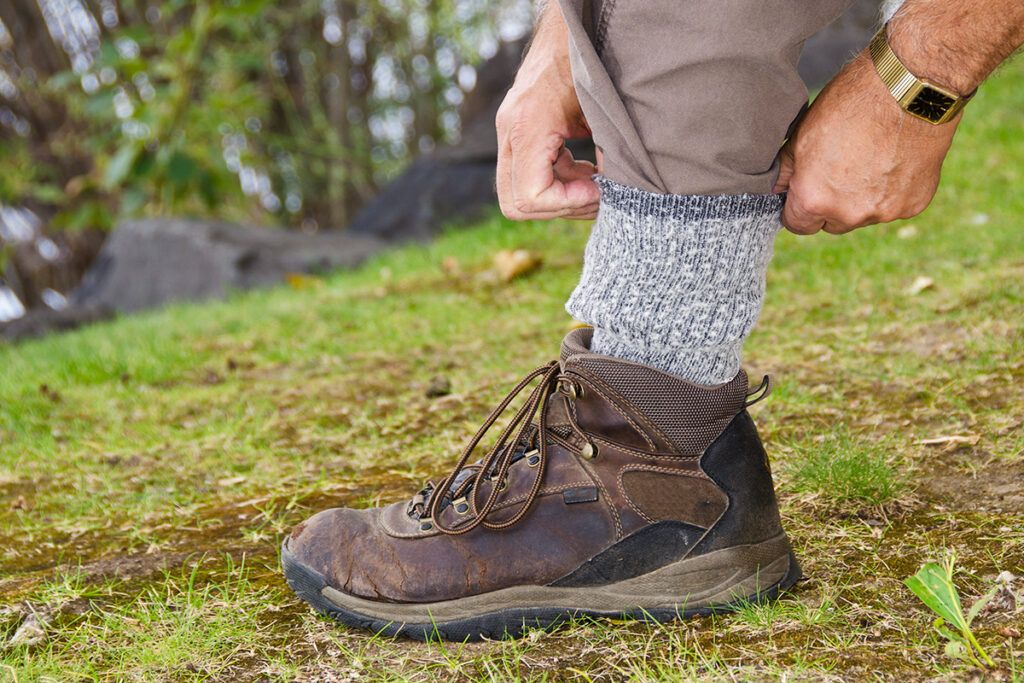
Ticks tend to hang out in tall grass waiting for a passing host to grab on to. For that reason, stay away from unmown yards and meadows and keep to the center of the trail if you’re hiking through wooded areas. Tuck your pant legs into your socks and wear long-sleeved shirts when you’re outdoors. Use effective insect repellent containing DEET, picaridin, or oil of lemon eucalyptus on your skin, and treat clothing and camping gear with permethrin.
After being outside, check your body for ticks (especially the sweatier areas, like armpits) and use blunt-tipped tweezers to carefully remove any ticks you find. You’ll want to do this as soon as possible: The longer a tick is attached, the greater your risk of getting any illness it can pass on, so don’t wait for an appointment with your doctor. Snap a clear photo of the tick, secure it tightly in tape, and throw it in the trash, then wash your hands and the bite with soap and water.
If you start to experience any symptoms, you should see a health care provider right away. And if they’re severe — a high fever, coughing up blood, or difficulty breathing, for example — head to the emergency room ASAP.
Featured Image Credit: © Frank Rolando Romero/Unsplash.com
More From Our Network
Better Report is part of Inbox Studio, an email-first media company. *Indicates a third-party property.







Kat Long is a freelance science journalist in the Washington, D.C. area. Previously, she was the science editor at Mental Floss and a digital editor at National Geographic. She now writes the Arctic Archives newsletter on Substack. Kat spends her free time birdwatching, road-tripping to historical sites and perusing old manuscripts at libraries.
This article is for general informational purposes only.
Affiliate Disclaimer Medical Disclaimer Financial Disclaimer