Can Your Smartwatch Tell You If You Have This Condition?

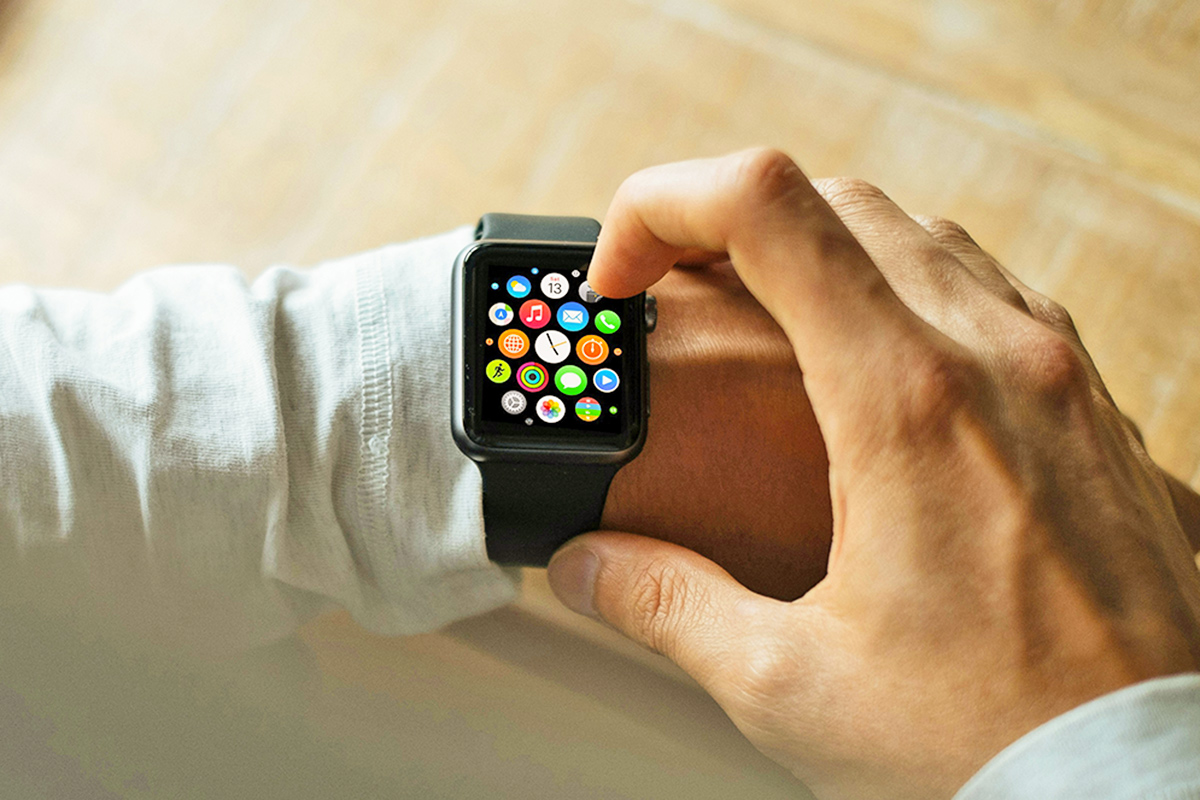
Smartwatches can produce an amazingly detailed picture of your overall health, from the number of steps you take each day to the quality of your sleep to your heart rate and blood oxygen level. And over the last few years, devices such as the Apple Watch, Samsung Galaxy Watch, and Fitbit have even incorporated sensors and apps that can pick up signs of a potentially dangerous heart condition.
On Alert for A-Fib
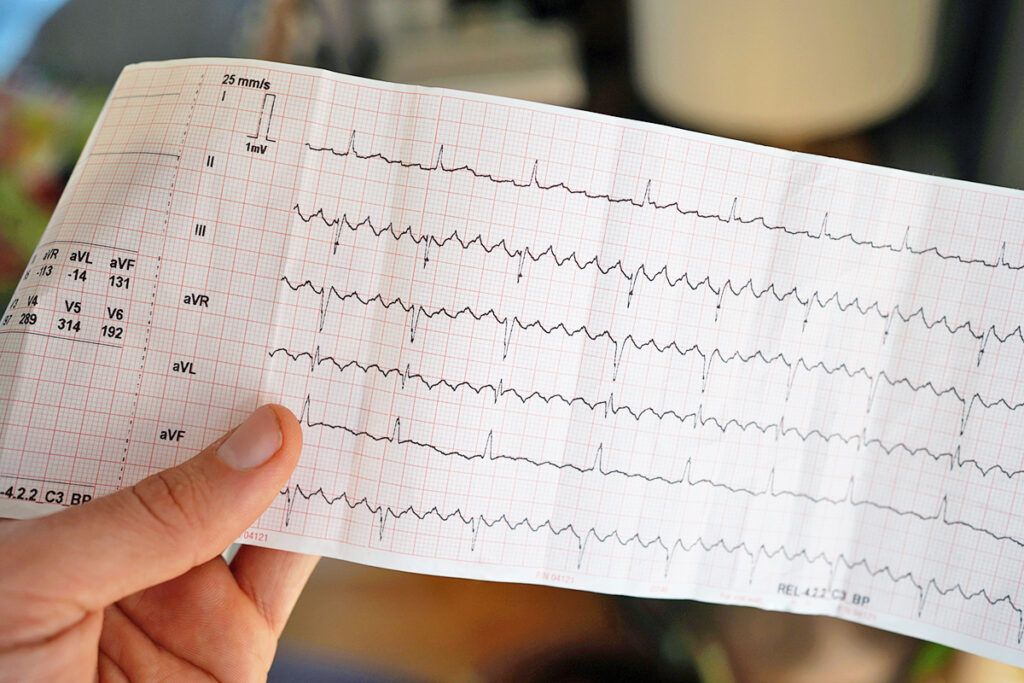
Many smartwatches have the power to monitor your heart rhythm and identify possible atrial fibrillation (A-fib for short).
A-fib is a serious chronic condition in which the electrical system that regulates your heartbeats gets disrupted. The misfired signals cause the atria, the two upper chambers of your heart, to pump blood irregularly. Pooled blood in the heart may form clots that can make their way to the brain and cause a stroke. People with A-fib are about five times more likely to experience a stroke than those without A-fib.
People who have the condition may not know it because the irregular rhythms come and go unpredictably, and symptoms like dizziness, fatigue, feeling out of breath, and heart palpitations can be hard to identify as a heart problem. Doctors diagnose A-fib by taking an electrocardiogram (ECG) — the same heart rhythm test that smartwatches now offer — and treat it with blood-thinning medications or other interventions depending on the severity of your condition.
How Smartwatches Watch for Problems
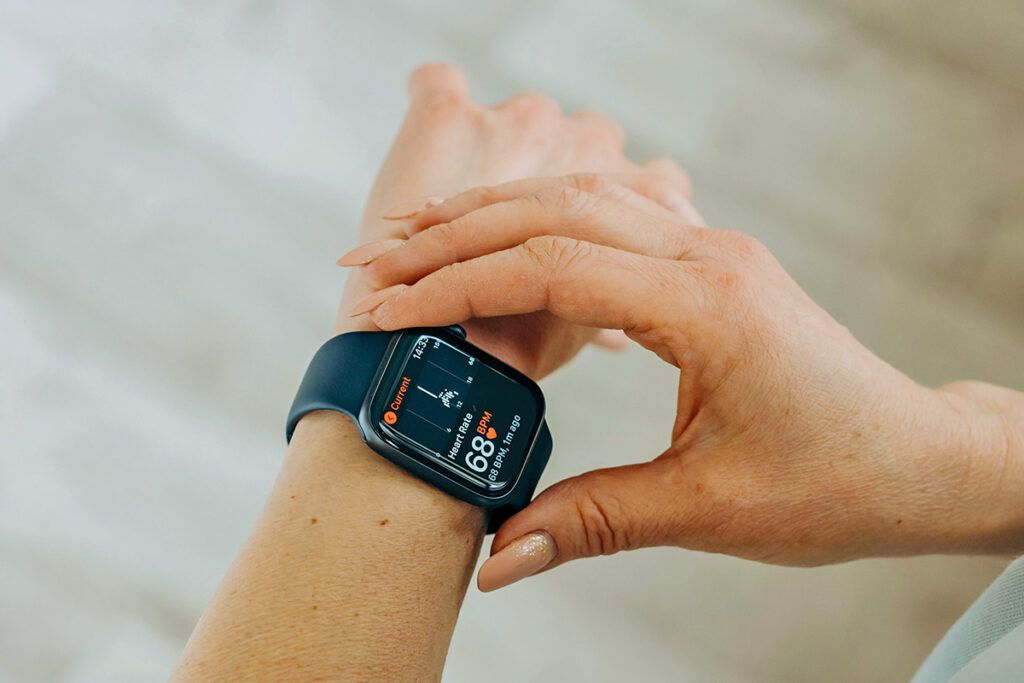
If your smartwatch has these capabilities, it can alert you to signs of A-fib via irregular heart rhythm notifications and on-demand ECGs.

Reader Favorites



With the notifications enabled, the watch will periodically check your heart rhythm when it detects you have been sitting or resting for about 10 minutes. If it picks up an arrhythmia, it will send a notification and suggest you speak with your doctor. It’s important to note that the watches don’t continuously monitor for irregular rhythms and may not see every instance, so this function isn’t designed for people already diagnosed with A-fib (who are usually monitored continuously under a doctor’s care).
ECG apps on smartwatches let you capture your heart rhythm in real time. After downloading and linking the app on your phone and watch, you’ll be prompted to put the watch on your wrist, rest your arm on a flat surface, and press the sides of the watch with your other hand to initiate the ECG. The sensors on the watch pick up your heart’s electrical signals over 30 seconds or so and then provide a readout indicating regular (sinus) rhythm, an irregular rhythm suggestive of A-fib, or an inconclusive reading. The apps may give you the option to save your ECG as a PDF that can be emailed to your doctor.
If your watch catches irregular rhythms repeatedly, take the hint and call your health care provider. That’s exactly what Florida resident Juan Ravelo did, and he ended up having an minimally invasive ablation procedure to correct his heart rhythm.

A Few Caveats
Smartwatches aren’t foolproof. They might misdiagnose a rhythm or give you an inconclusive result if their sensors aren’t properly aligned with your skin. They could also give false alarms or detect legit but harmless irregularities. The smartwatch companies make it clear that the ECG apps look only for potential A-fib events — not for heart failure, blood clots, heart attack, or stroke, and they can’t assess your risk for these conditions. If you receive an ECG showing an irregular rhythm, have your doctor interpret the data and determine a treatment plan if necessary.
Featured Image Credit: © Luke Chesser/Unsplash.com
More From Our Network
Better Report is part of Inbox Studio, an email-first media company. *Indicates a third-party property.







Kat Long is a freelance science journalist in the Washington, D.C. area. Previously, she was the science editor at Mental Floss and a digital editor at National Geographic. She now writes the Arctic Archives newsletter on Substack. Kat spends her free time birdwatching, road-tripping to historical sites and perusing old manuscripts at libraries.
This article is for general informational purposes only.
Affiliate Disclaimer Medical Disclaimer Financial Disclaimer