Why You Should Never Go To Bed With Wet Hair

All featured products and deals are selected independently and objectively by the author. Better Report may receive a share of sales via affiliate links in content.
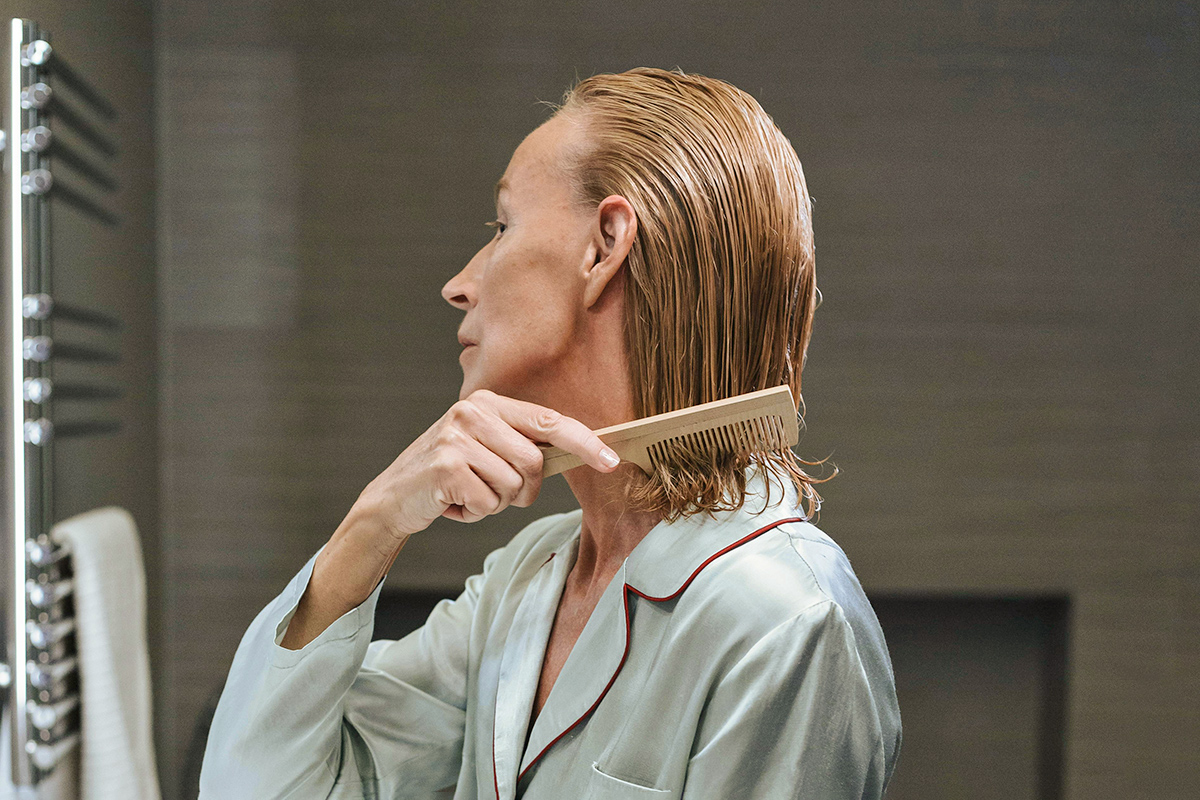
There are plenty of ways to save a few minutes as you go about your day. Meal prepping. Signing up for TSA PreCheck. Using the Pomodoro method. But while it might seem like a hack, going to bed with your hair wet and letting it dry while you snooze is, unfortunately, not one of them. It may be tempting — especially after a long day — but this practice does more harm to your hair, your skin, and your health than you might realize.
What’s So Bad About Going to Bed With Wet Hair?
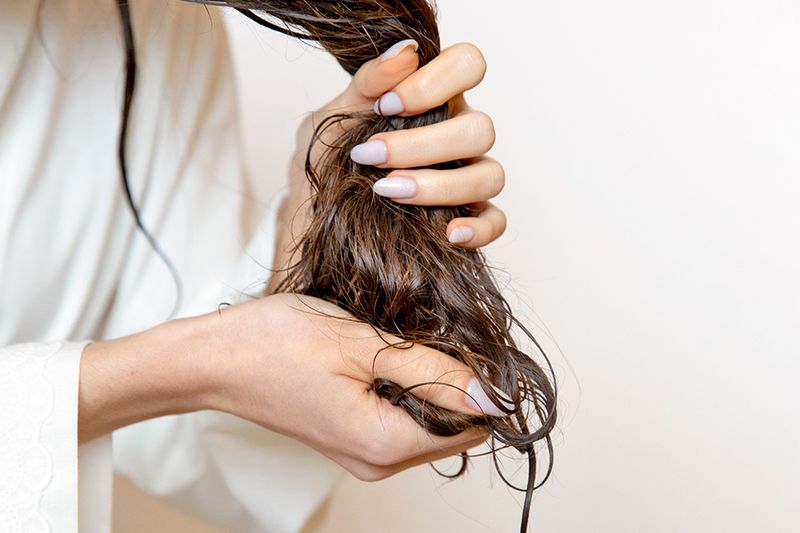
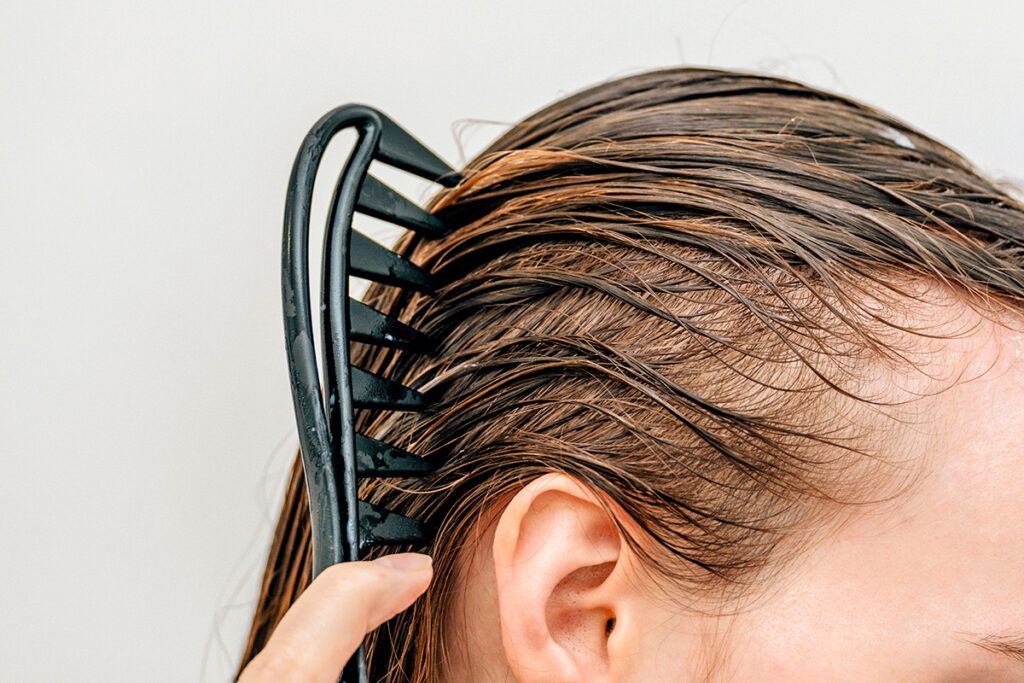
“Don’t go to sleep with wet hair” sounds like an old wives’ tale — yet there is truth to it. One reason you shouldn’t do so is that you risk damaging your hair, which is most vulnerable when wet. “The cuticle is lifted, so it stretches more easily and breaks way faster,” says Erin Davis, scalp health educator and founder of the hair and skin care brand Erin & Mae Co.
Combine that with tossing and turning that happens while you sleep, and “you’re basically creating friction all night long,” she says. All of this movement can harm your luscious locks.
But there’s more to fear than split ends. A damp environment puts your skin — including your scalp — at risk for infections. Davis says that the warm and damp environment created by wet hair is the perfect atmosphere for “yeast and bacteria to grow,” which can lead to problems like “itchiness, flakes, or irritation.” You also increase your risk for folliculitis, a condition where pimple-like bumps appear on the scalp.

Reader Favorites



Anyone who goes to bed with wet hair could face these issues, but those with long or thick hair have increased risk. “[Long] hair holds moisture way longer, especially toward the mid-lengths and ends. So if you have long or thick hair, it’s likely staying wet for hours while you sleep,” Davis says. “Short hair usually dries faster, so the risk is lower, but your scalp is still sitting in that damp environment for a bit, so it’s not totally risk-free.”
To make matters worse, the bacteria from your scalp can transfer to your pillowcase and end up on your face. “That moisture sits there overnight and can turn into a breeding ground for bacteria and yeast. Then you’re laying your face on it for hours,” Davis says. “This is one of those sneaky things that can contribute to breakouts or irritation, especially if you already have sensitive skin.”
Your pillowcase is also a haven for bacteria that can transfer to your head and scalp. One study showed that in just a week, pillowcases accumulated 3 million colony-forming units (CFUs) of bacteria per square inch — more than 17,000 times the CFUs on a toilet seat.
What You Can Do If You Fall Asleep With Wet Hair
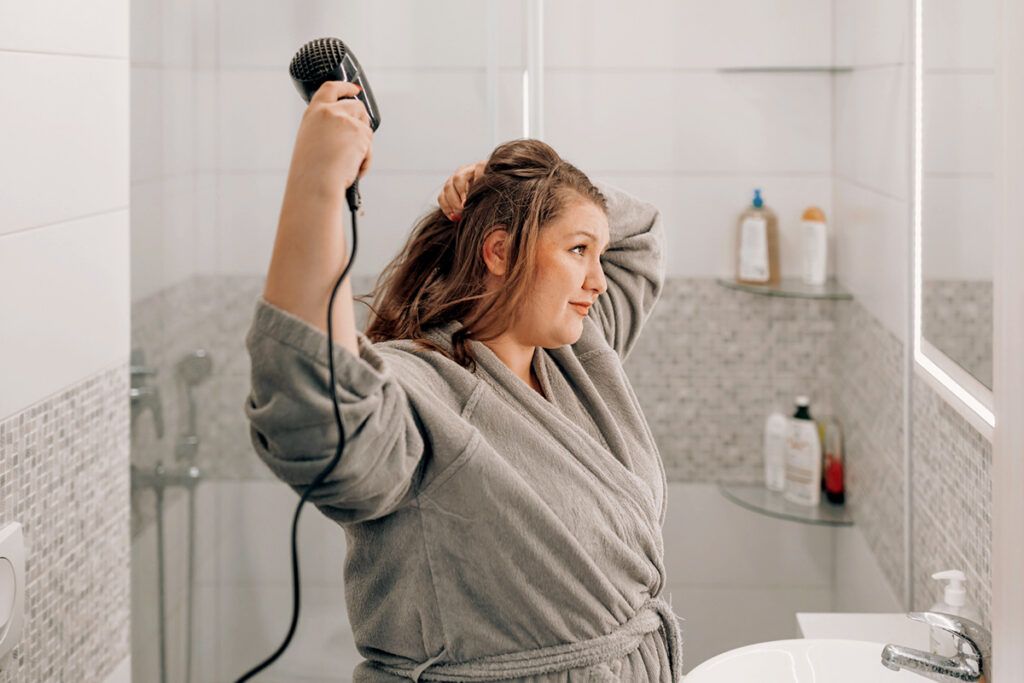
There’s no need to cut evening showers from your routine. Davis recommends hitting the hay with your hair at least 70% to 80% dry. Use a hair dryer — she recommends the CONFU Ionic Blow Dryer — to blow dry your roots if needed. Braiding your hair will help reduce friction, and some experts also recommend picking up a silk pillowcase.
If you can’t get your hair dry before bed, though, take comfort in the fact that a night or two of falling asleep with a wet head won’t do too much harm — it’s when it becomes a regular part of your routine that you may have problems.
If you do end up falling asleep with wet hair, Davis recommends taking time in the morning to give your hair some TLC. “Gently detangle [your hair] starting from the ends,” she says. Then, give your scalp “a light massage to get circulation going” using your fingers or a massage brush. And don’t forget to swap out your pillowcase for a clean one — Davis recommends flipping your pillow nightly and changing your pillowcase every four days.
Feature Image Credit: © Ron Lach/Pexels.com
More From Our Network
Better Report is part of Inbox Studio, an email-first media company. *Indicates a third-party property.







Based in Portland, Oregon, Nicole Pyles is an experienced freelance writer who writes about home and kitchen, health and wellness, and more. She's written for a variety of outlets, including Better Homes and Gardens, Tom's Guide, Better Report, and more.
This article is for general informational purposes only.
Affiliate Disclaimer Medical Disclaimer Financial Disclaimer