5 Times You Shouldn’t Use Hand Sanitizer

Alcohol-based hand sanitizer is a quick and convenient way to reduce germs while on the go, but it isn’t always the best option. Knowing when to skip it in favor of proper handwashing can make a big difference in your overall health. Here are five times you should avoid reaching for the hand sanitizer.
Helpful tip: When hand sanitizer is appropriate, choose a formula with an alcohol concentration between 60% and 95%. Any lower and it may not be effective.
After Handling Chemicals
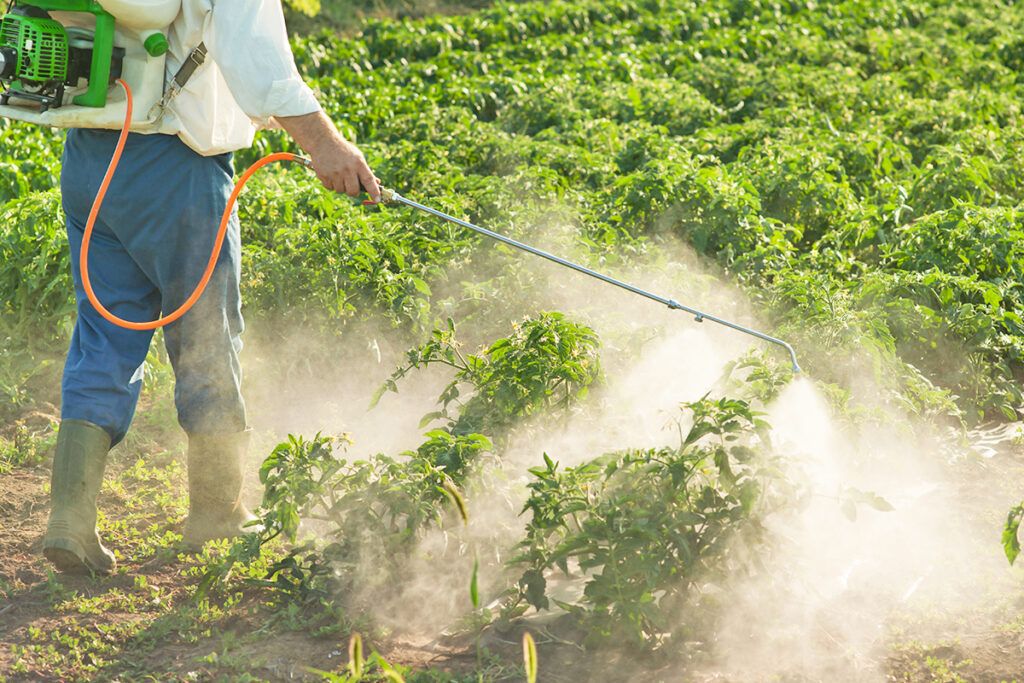
Pesticides and cleaning products can leave harmful residue on our hands, and using hand sanitizer may not neutralize that residue. According to the CDC, one study found that people who had used hand sanitizer to clean up after applying pesticides had increased levels of pesticides in their bodies. Hand sanitizer also won’t remove heavy metals like lead.
You should also never mix hand sanitizer, which has a high alcohol content, with cleaning products. Combining bleach and alcohol, for example, creates chloroform, which is harmful to humans and could potentially irritate the eyes, skin, and respiratory system. It’s likely that any reaction to bleach and sanitizer on your hands would be small, but it’s better to be safe than sorry. The best way to protect yourself if you’re exposed to any of these chemicals is to use soap and water to remove them.
On Dry, Cracked, or Sensitive Skin
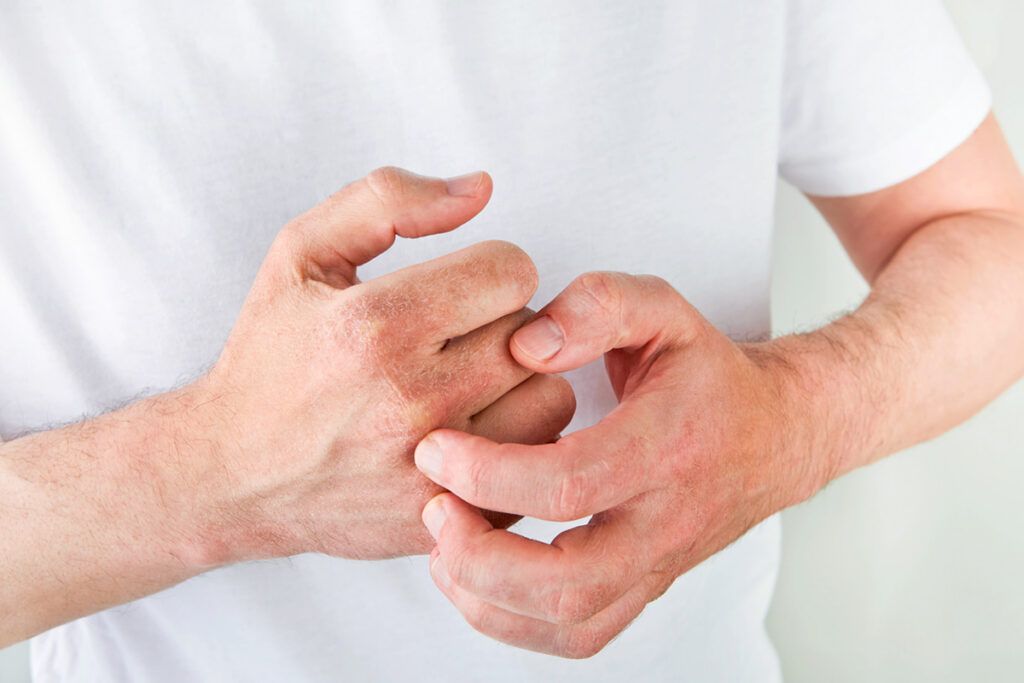
If your skin is dry and cracked, or you have skin issues such as eczema, avoid alcohol-based sanitizers and opt for soap and water instead. Alcohol can worsen cracked skin, leaving you susceptible to more germs, inflammation, and even infection. Instead, the Cleveland Clinic recommends proper handwashing followed by a gentle moisturizer — a thick cream or ointment such as Vaseline — to protect sensitive hands and maintain a natural barrier against infection.

Reader Favorites



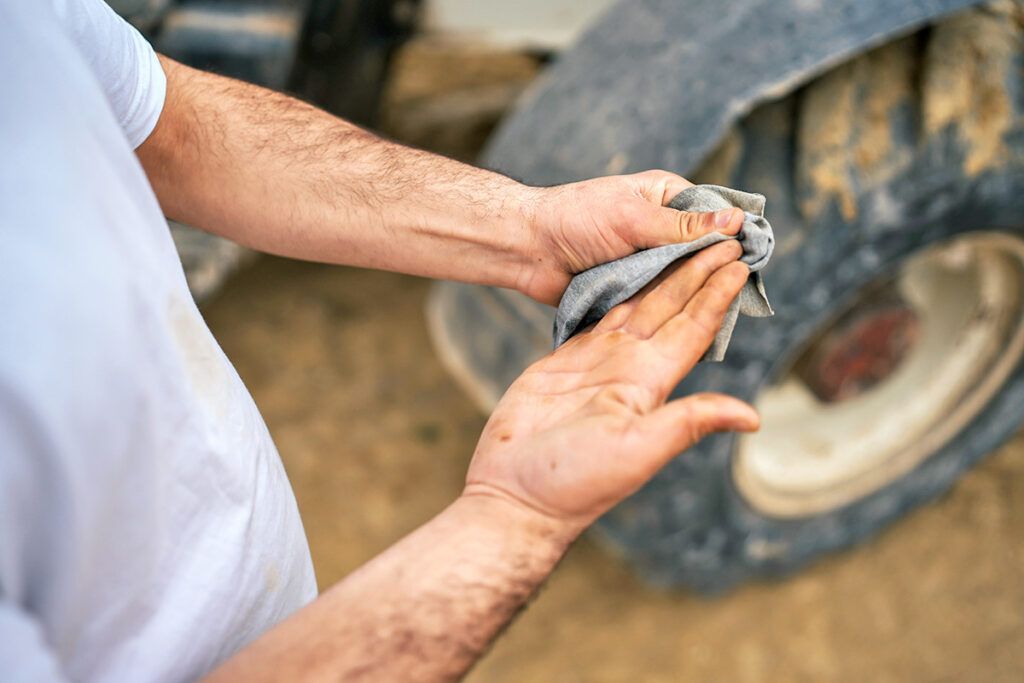
When Your Hands Are Visibly Dirty
If you’ve been gardening, spending time outdoors, or doing hands-on projects, the best way to clean your hands is with soap and water. According to the CDC, hand sanitizer isn’t effective on visibly soiled or greasy hands. While it does kill some germs on the surface of your skin, it doesn’t remove dirt, grease, or residue — or all of the germs that could be lingering within the leftover debris. Washing your hands with soap and warm water breaks down grime and physically washes away contaminants, something sanitizer can’t do.
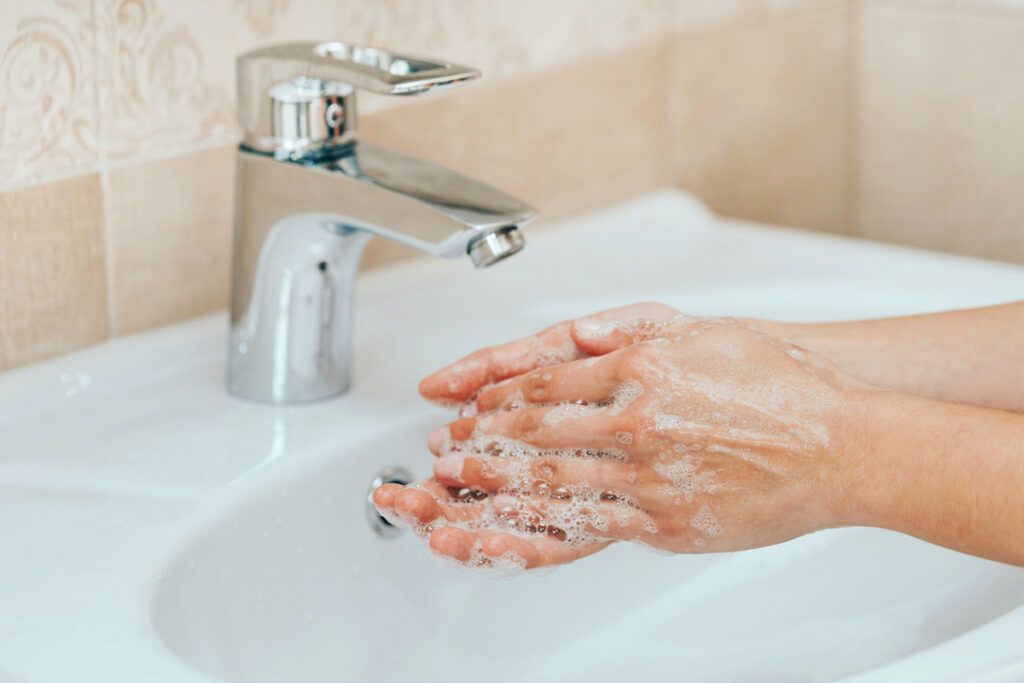
After Using the Bathroom
Hand sanitizer can kill some types of bacteria and viruses, but it’s not as effective against germs such as Clostridium difficile, cryptosporidium, and norovirus — all of which lurk on surfaces in public restrooms (and elsewhere). Soap and warm water are far more effective at physically removing these germs from your hands rather than just trying to neutralize them. Also, many people don’t use enough sanitizer or rub it in long enough for it to work properly. If soap isn’t available in the restroom, the CDC recommends applying enough hand sanitizer to cover all surfaces of your hands (even the back) and rubbing it in until dry.

While Preparing Food
If you’re preparing foods that commonly harbor pathogens that cause foodborne illness — such as raw meat, eggs, or seafood — skip the sanitizer and wash your hands instead. Sanitizer alone cannot penetrate food debris left on your hands to completely remove dangerous foodborne bacteria such as Salmonella and E. coli. To avoid dangerous cross-contamination, wash your hands in warm, soapy water for at least 20 seconds after touching raw foods. This removes stubborn grease and pathogens simultaneously, ensuring a safe cooking environment.
Featured Image Credit: © Gustavo Fring/Pexels.com
More From Our Network
Better Report is part of Inbox Studio, an email-first media company. *Indicates a third-party property.