Should You Rinse After Brushing Your Teeth?

All featured products and deals are selected independently and objectively by the author. Better Report may receive a share of sales via affiliate links in content.
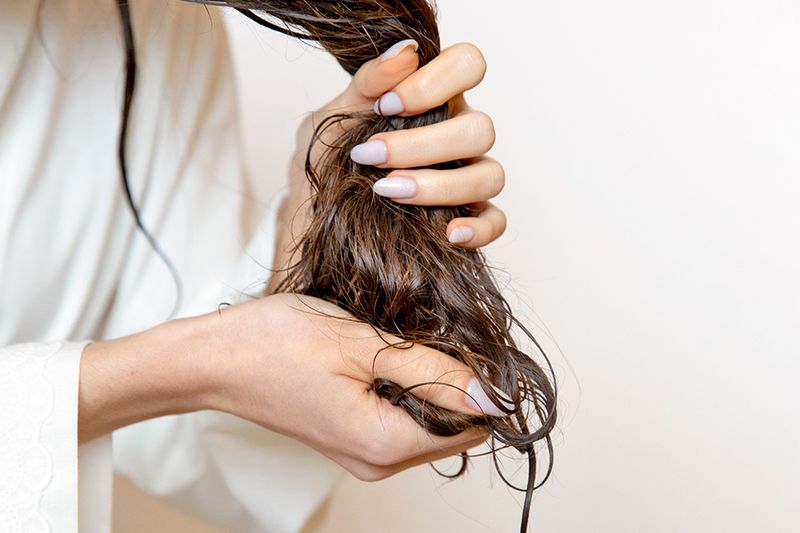
It’s universal wisdom that you should rinse your hair after shampooing and douse your face after applying cleanser. But when it comes to good dental care, there’s an ongoing debate about whether or not you should rinse out your mouth after brushing your teeth.
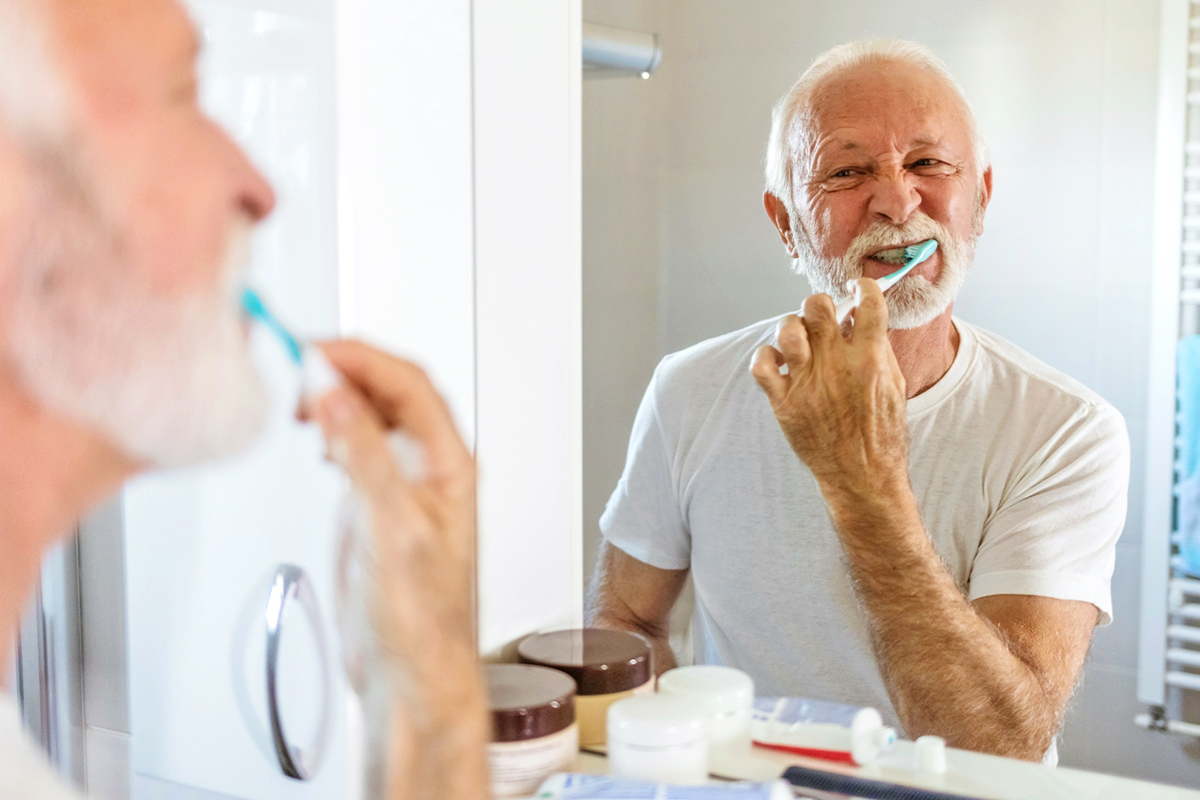
People in favor may argue that water is necessary to get rid of leftover toothpaste residue. But those opposed claim rinsing has unintended drawbacks. So should you rinse after brushing? Most experts agree that there’s a right and a wrong answer.
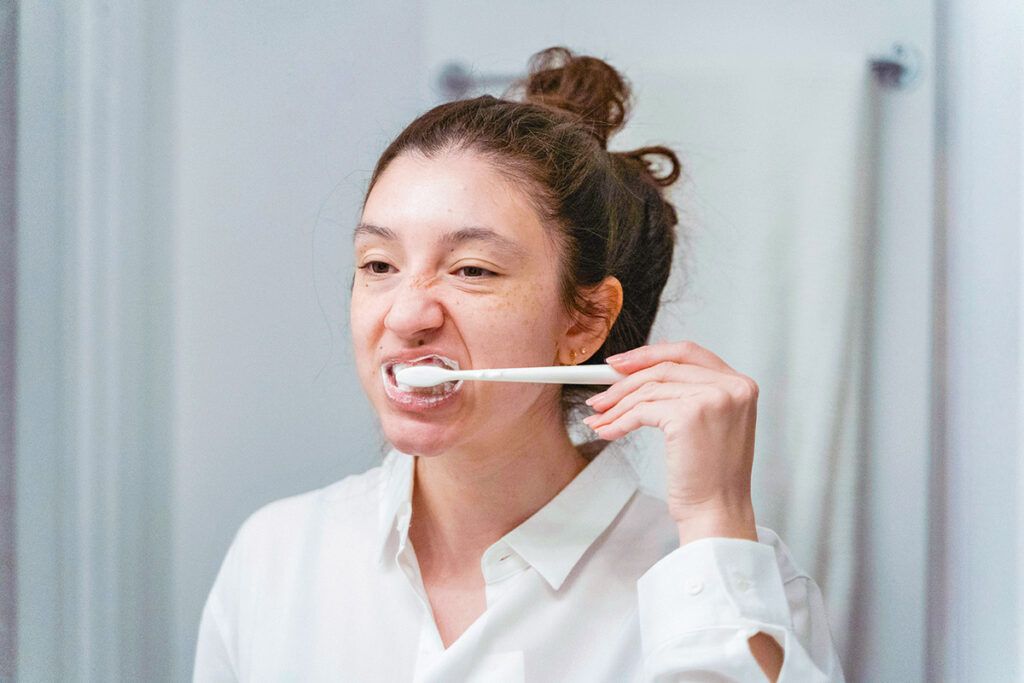
Don’t Rinse (Too Soon)
There are several reasons why you might feel inclined to rinse after brushing your teeth. Maybe the process doesn’t feel complete until you get rid of the toothpaste taste in your mouth, or maybe you want to use mouthwash to kill bacteria and freshen your breath.
Whatever your goal, you should avoid rinsing and simply spit out the excess toothpaste, at least for the time being: According to the American Dental Association, it’s best to wait at least 20 minutes after brushing before you consider rinsing. The reason has to do with the fluoride in most toothpastes, which helps strengthen tooth enamel and prevent decay. Fluoride takes time to work, and rinsing too soon lessens that mineral’s effectiveness.
This isn’t some bogus claim. Experts at the University of California San Francisco say that waiting to rinse with water or regular mouthwash can reduce tooth decay by up to 25%.

Reader Favorites



If you’ve made a habit of rinsing after brushing, it may be tough to quit. But the ADA has a few suggestions to help you get by until you’re able to phase out rinsing altogether.
One is to take a tiny sip of water from your cupped hand — the small amount of water can help wash out chalky residue without completely negating the effects of the fluoride. Another is to use fluoride mouthwash instead of regular mouthwash or water, as the product promotes fresh breath while maintaining the necessary fluoride coating on your teeth. (The label will specify if your mouthwash contains fluoride or not.)
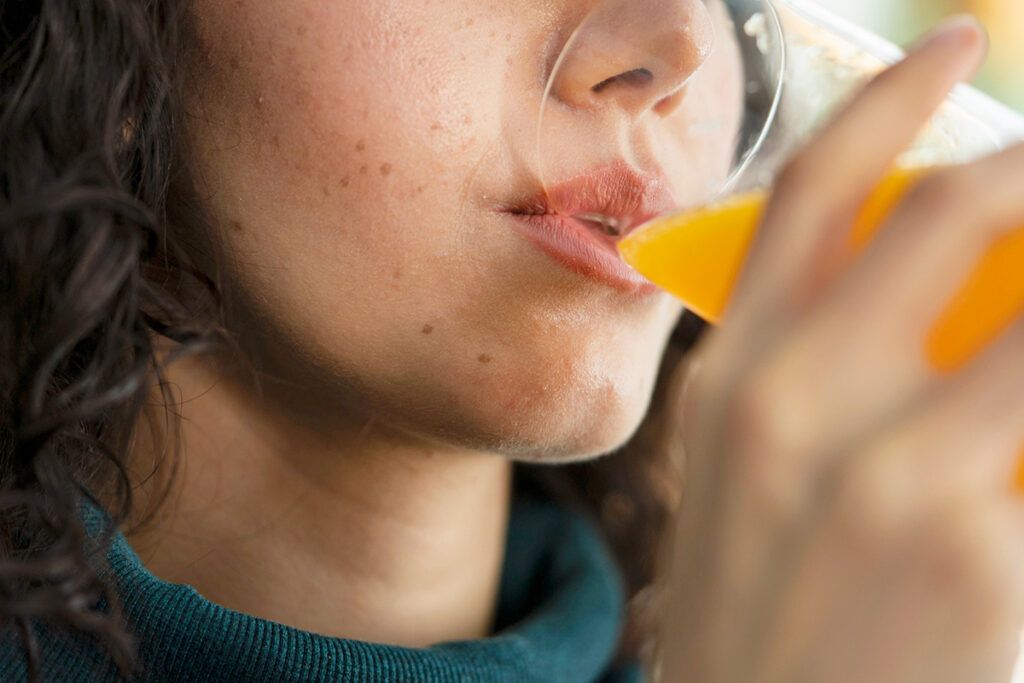
When Not To Brush
With all this talk about when not to rinse, did you know that there are times when you shouldn’t brush your teeth? Dentists recommend that you wait at least an hour to brush after eating or drinking anything acidic, such as citrusy juice or sour candy. Those acids weaken the teeth’s hard outer layer of enamel, and brushing too quickly after consuming something acidic means you can actually damage it further.
Waiting around an hour gives saliva the chance to build up in the mouth and wash away those potentially harmful acids. This allows the enamel to harden again, and once it does, you can brush your teeth to your heart’s content.
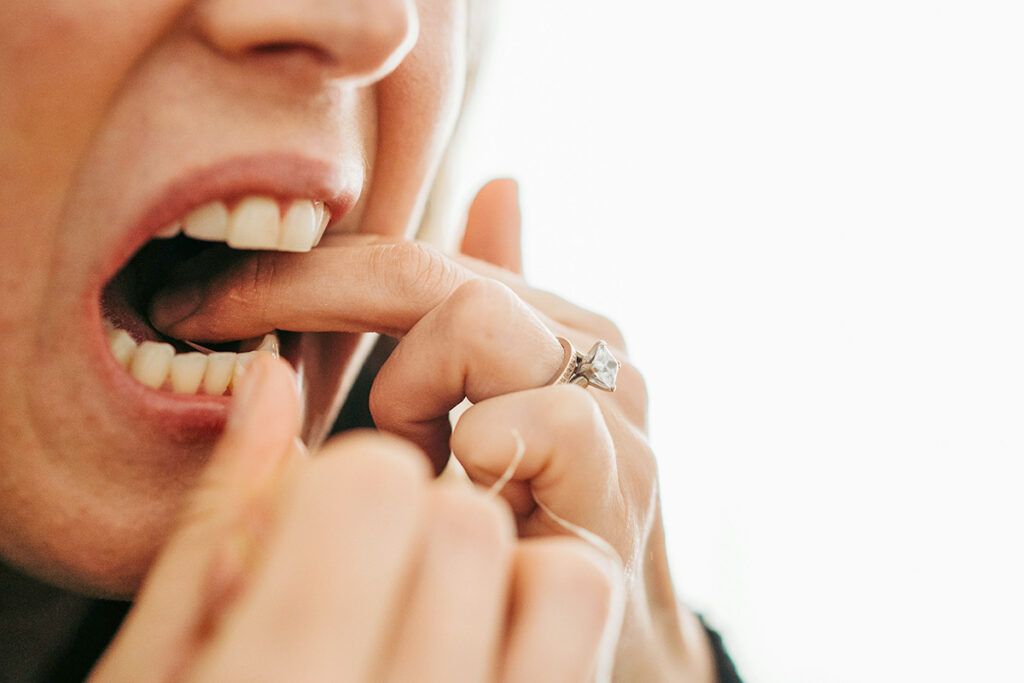
What About Flossing?
Flossing allows you to reach food caught in the crevices of your teeth that are difficult to remove with a toothbrush. If you suffer from gingivitis, though, some dentists say that using floss can aggravate inflammation, push food deeper down into the inflamed gums, and potentially make things worse.
But it’s not an option to ignore those areas where your toothbrush can’t go — it will allow dental plaque to accumulate and harden, eventually causing periodontitis if it’s not dealt with. So, in those cases, a Waterpik or other oral irrigator is an excellent alternative to flossing. It’s also useful when a person has braces or other orthodontics that can make it difficult to use normal floss. The consistent yet soothing stream of water from any oral irrigator — which you should use before you brush — helps dislodge food and plaque without irritating the gums like normal floss.
Featured Image Credit: © Jelena Stanojkovic/iStock
More From Our Network
Better Report is part of Inbox Studio, an email-first media company. *Indicates a third-party property.






Bennett Kleinman is a New York City-based staff writer for Inbox Studio. He is also a freelance comedy writer, devoted New York Yankees and New Jersey Devils fan, and thinks plain seltzer is the best drink ever invented.
This article is for general informational purposes only.
Affiliate Disclaimer Medical Disclaimer Financial Disclaimer