Grocery Stores Are Changing — Here’s Why
There’s a new health care intervention sweeping the nation: GLP-1 agonists. For the uninitiated, these medications — such as Ozempic and Mounjaro — help lower blood sugar and promote weight loss. By the end of 2025, approximately 1 in 8 American adults (12%) reported using GLP-1 medications, with the highest usage among adults ages 50 to 64 (22%).
While the drugs have been used to treat conditions like Type 2 diabetes, heart disease, and obesity, they’re now influencing something far beyond health care: how Americans shop for food. Grocery stores and food brands are already adjusting by rethinking nutritional content, labels, and their marketing to a changing consumer.
Why GLP-1s Change How We Eat
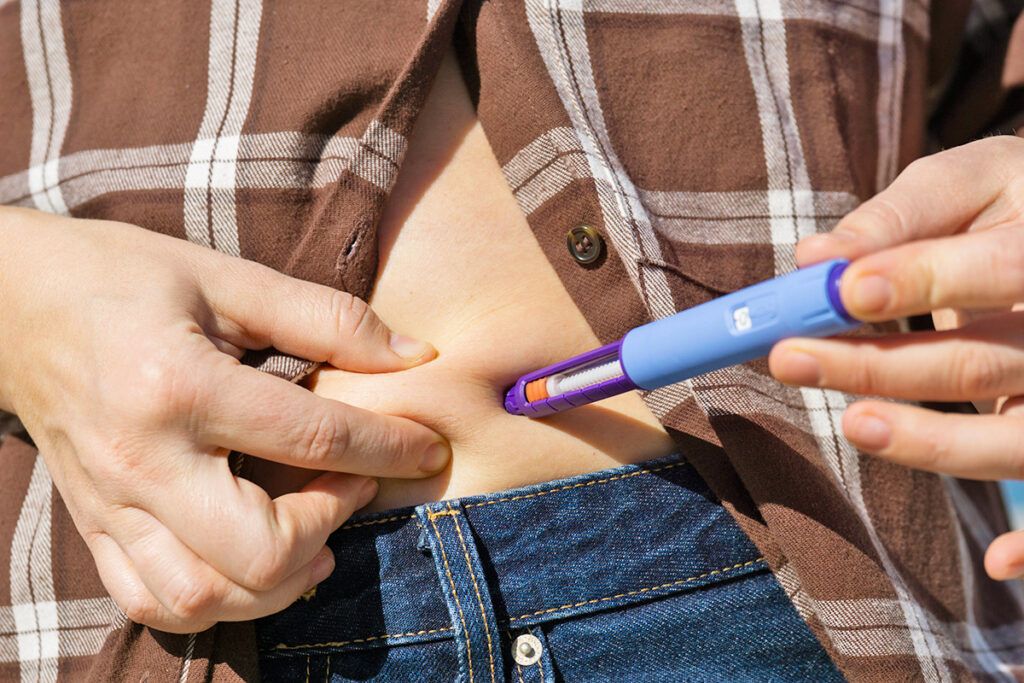
GLP-1s fundamentally alter how the body digests and processes food. They trigger insulin release from the pancreas and suppress glucagon secretion, a hormone that raises blood sugar. They also slow digestion, keeping the stomach fuller for longer and cutting down on the amount of glucose from food that’s released into the bloodstream.

Reader Favorites



For most users, increased satiety, or a stronger sense of feeling full after eating, translates into smaller portions, fewer meals, and less frequent snacking. Over time, these shifts don’t just change eating habits and users’ health; they reshape grocery carts.
Curbed Cravings Means Less Spending
As millions of Americans snack less and eat differently, grocery stores have been forced to adapt. New research published in the Journal of Marketing Research found that within six months of at least one person starting a GLP-1 medication, household grocery spending dropped by an average of 5.3%. The average decrease among higher-income households was more than 8%.
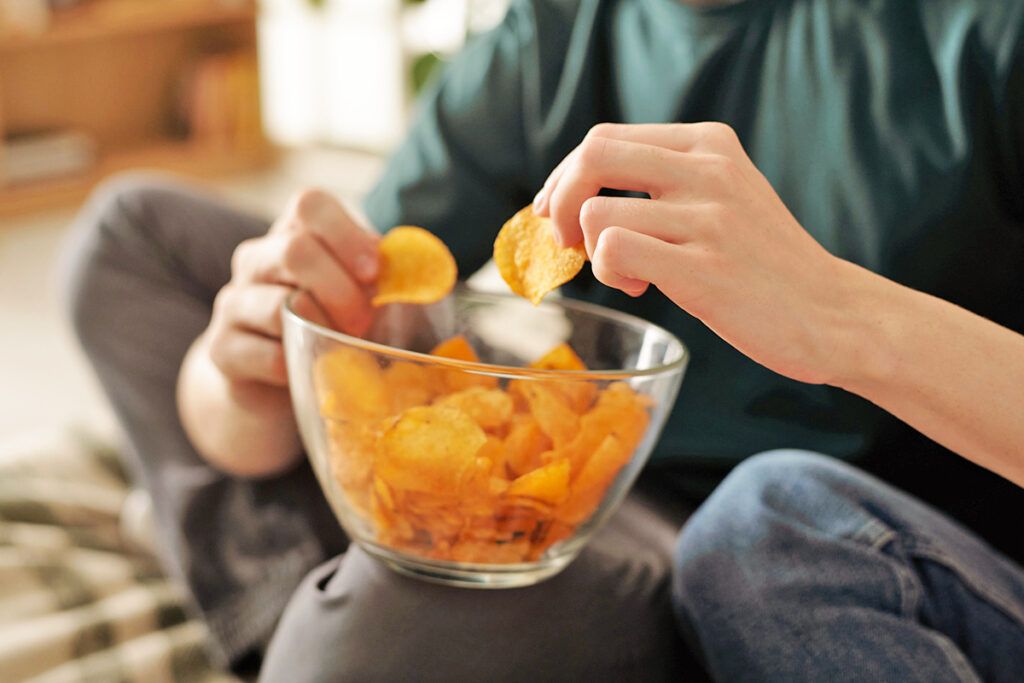
The steepest cuts came from ultra-processed, high-calorie foods. Think of “junk foods” and snacks such as chips, crackers, candy, and baked goods. But even everyday staples like bread, meat, and eggs saw declines, likely due to reduced portion sizes and decreased appetites leading to less food being purchased overall.
What Americans Are Eating More Of
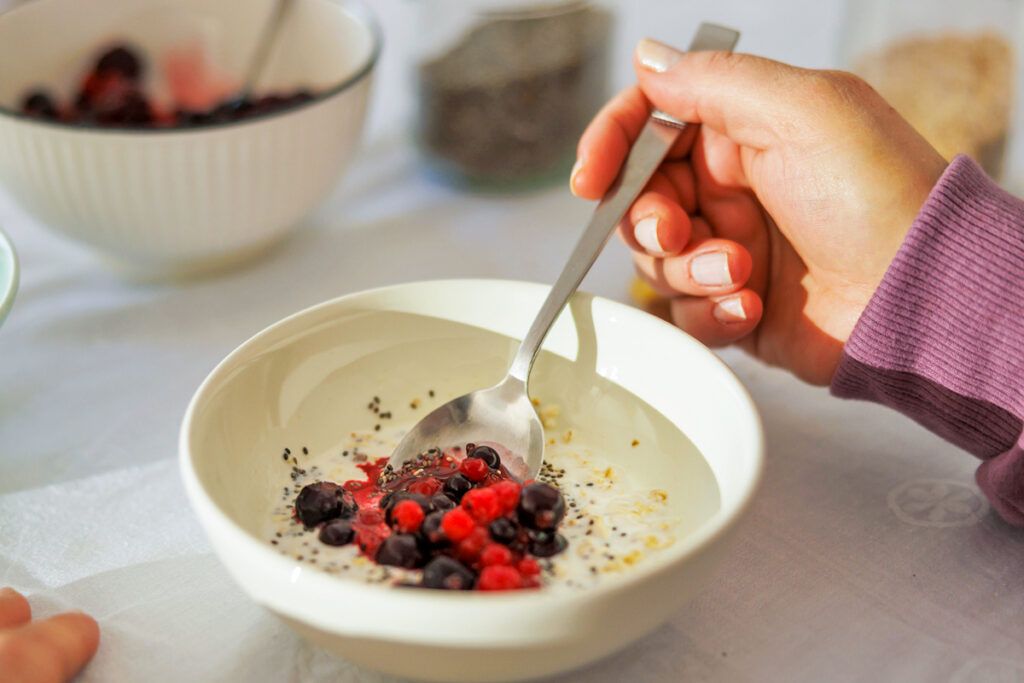
Spending in a few grocery categories is on the rise as consumers are more intentional about what they eat, favoring foods that support satiety and nutrition, which enhances the efficacy of their medication. This includes high-protein, high-fiber foods with fewer added sugars, along with probiotics and prebiotics.
According to the same Journal of Marketing Research study, yogurt spending rose the most, and brands are noticing the impact. According to data from Danone, the world’s largest yogurt producer, yogurt consumption is three times higher in households using GLP-1s. The company’s high-protein Greek yogurt brand Oikos saw the greatest growth, with retail sales soaring 40% in 2024. Chobani Zero Sugar saw a 55% sales growth during that same year
Nutrition bars, fresh fruit, and meat snacks also gained ground as shoppers trade in traditional snacks for more functional options. Still, these gains are modest compared to the broader decline.
Grocery store planners are noticing similar trends in their local stores. Along with a focus on protein and fiber, shoppers are more interested in wellness items such as green juices and powders, vitamins, supplements, and electrolytes. It’s led some stores to adjust their offerings accordingly, ensuring there are more high-protein options available, tweaking ready-to-eat meals so they appeal to more health-conscious consumers, and providing plenty of supplements like fiber in the personal care aisles. ShopRite even put together a limited-time wellness starter kit available to customers filling their GLP-1 prescriptions at store pharmacies.
Brand marketers have also taken note of these changes and are capitalizing on the trend. Some products now feature “GLP-1 friendly” labels, signaling changes in nutritional content to align with the GLP-1 diet and attract shoppers — even on unexpected items like frozen pizza and ice cream. One store planner told Good Morning America that when they stock those items in her store, they’re placed at eye level to appeal to the consumer.
However, nutritionists advise not to put much stock in these labels, as there is no medically-defined standard for what makes a food “GLP-1 friendly.” As nutritionist and chef Suzy Badaracco told NPR, “the labels are just marketing.”
Food analysts believe these new trends in healthy eating are disrupting fad diets such as keto, which, in mid-2025, saw an 18.5% drop in global interest year over year. Instead, more consumers are switching to balanced, whole-food diets with an emphasis on gut health, and a growing number are using GLP-1s to support lifestyle changes.
Takeout Takes a Hit
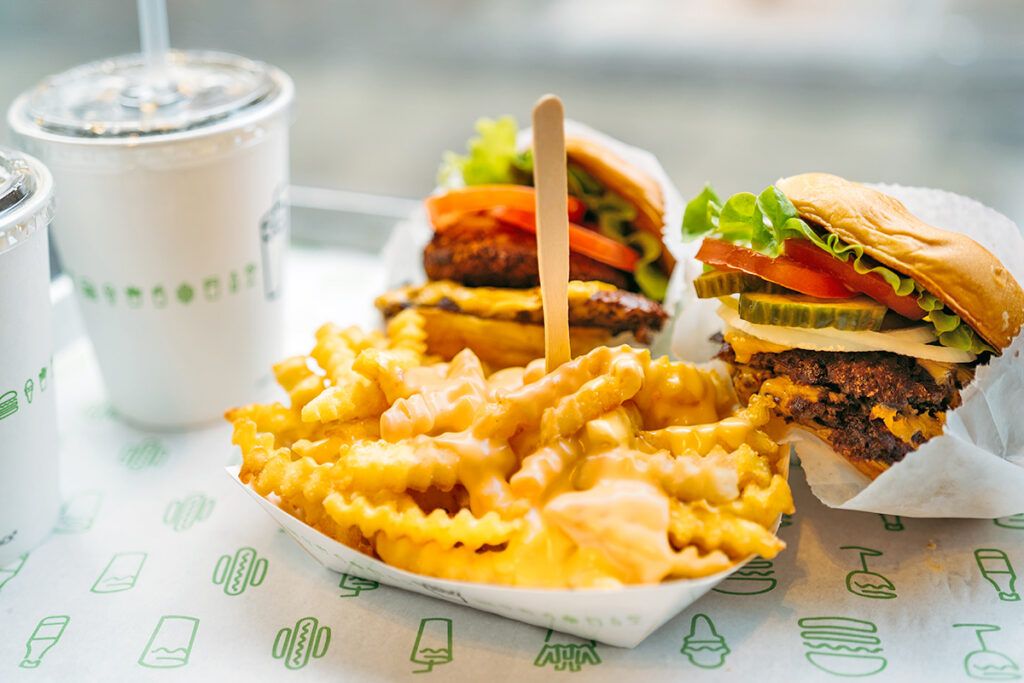
The impact extends beyond grocery stores. GLP-1 users are snacking less, experiencing fewer cravings, and prioritizing healthy foods, causing fast-food restaurants and limited-service eateries to see fewer customers and smaller orders. Spending at these establishments has fallen by about 8% among GLP-1 users, according to the Journal of Marketing Research study.
Just as grocery stores are adapting, fast-food brands are pivoting. The quick-service restaurant chain Smoothie King now has a full GLP-1 Support Menu featuring high-protein, high-fiber, lower-calorie items, such as the “Gladiator GLP-1.” Similarly, Shake Shack offers a “Good Fit Menu” that advertises GLP-1 options, including traditional Angus beef lettuce wraps and veggie patty wraps. Fast-food giant McDonald’s is also keeping an eye on the GLP-1 trend. During a recent earnings call, CEO Chris Kempczinski revealed that the drugs are impacting products that the chain is testing, though no menu changes have been made yet.
The Catch: GLP-1 Rebound
There’s an important caveat, though: These changes may not last. The Journal of Marketing Research study found that when users stopped taking their GLP-1 medications, their food spending patterns largely reverted to pre-medication levels. In some cases, carts became even less healthy, with increased spending on items like candy and chocolate. So, while GLP-1s are reshaping grocery store aisles today, their long-term impact remains uncertain.
Featured Image Credit: © Iqbal Nuril Anwar/iStock
More From Our Network
Better Report is part of Inbox Studio, an email-first media company. *Indicates a third-party property.