Your Old Glassware May Not Be Safe To Drink Out Of

All featured products and deals are selected independently and objectively by the author. Better Report may receive a share of sales via affiliate links in content.
There are a few benefits to using vintage glassware: Not only is it more durable than the mass-produced products made today, but the elegant and fun designs make the glasses a pleasure to look at and drink out of.
However, sipping from an older glass comes with a warning that’s not to be taken lightly. Certain materials that were once commonly used to make glassware are now known to be harmful toxins that shouldn’t be ingested. Here’s how to determine if your old glassware is safe to drink from, or if it’s better suited for decorative purposes.
A Slew of Toxic Ingredients
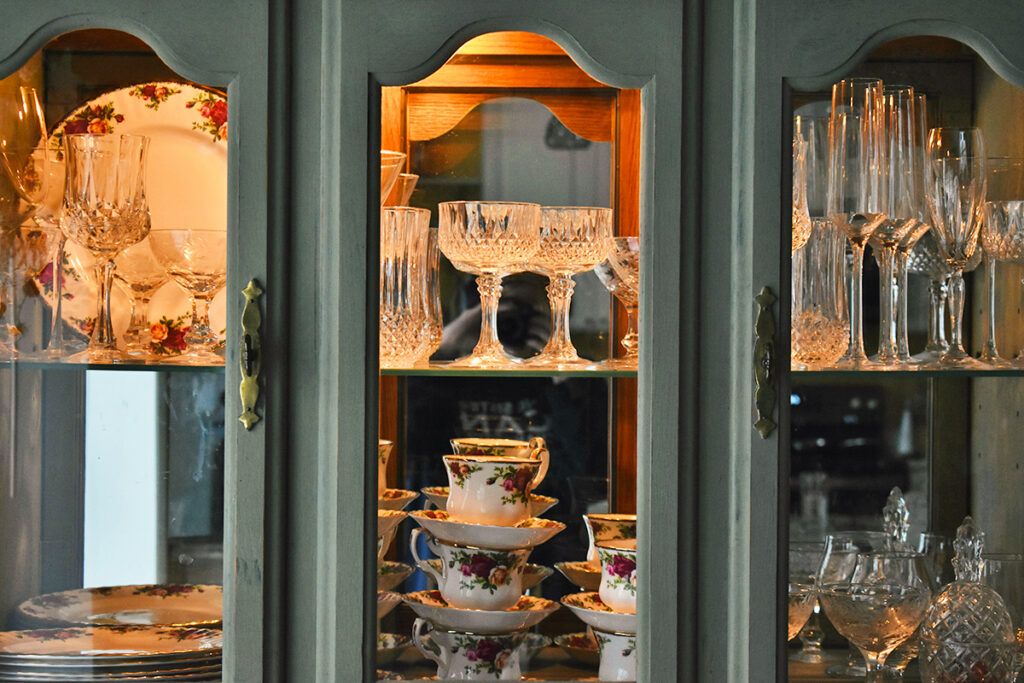
Before 1978, there were no federal regulations prohibiting the use of lead paint in consumer products. This is why you hear about so many old houses having lead-related issues, but the concerns also extend to vintage glassware. Many of the intricate designs and fun characters painted onto old glasses were drawn with paint that contains lead as well as cadmium — another harmful chemical once used to achieve colorful pigments. Not only that, but both lead and cadmium were used in the manufacture of glass itself.
Lead-poisoning prevention advocate Tamara Rubin told The Guardian that “vintage barware can have enough contaminants to cause biological harm to humans.” Collectible glasses given out by fast-food restaurants in the 1970s and 1980s (and, in one instance, the 2010s) have also been found to contain lead and cadmium. If the toxic paint comes into contact with any acidic liquids such as fruit juices or wines, those acids can draw out the toxins and contaminate whatever’s being consumed.
Paint is one thing, but according to experts, there’s little to worry about if you accidentally drank from a lead crystal glass once. As toxicology expert Dr. Michael Kosnett explained to America’s Test Kitchen, “that’s not going to give a significant amount of lead.” Experts speaking with Consumer Reports noted that drinking from lead glassware occasionally is OK for adults other than pregnant women. You don’t necessarily have to throw it away, but you shouldn’t be using it daily or for extended periods of time.

Reader Favorites



And don’t leave liquids sitting in glass containers that may contain lead, such as vintage decanters, for too long. Storing some scotch that way may look nice, but doing so raises the risk that lead will leach out into the liquid. Once consumed, lead and cadmium can accumulate in the body, leading to issues such as higher blood pressure, cardiovascular problems, and kidney damage, among other major ailments. So, if you must use that heirloom decanter, pour the liquor back into the bottle as soon as you’re done with it.
What To Watch For
There’s no way to confirm that a glass contains toxins just by looking at it, so if you have vintage glassware, you may want to err on the side of caution and use it only decoratively. There are some red flags to look for that can indicate a glass isn’t safe, however.
Be wary of old glassware that’s orange, yellow, or red, as cadmium was often used to achieve those pigments. Additionally, painted decorations that feel rough or raised may contain lead. You should also check items for wear, as scratches can easily cause the shedding of toxic microparticles.
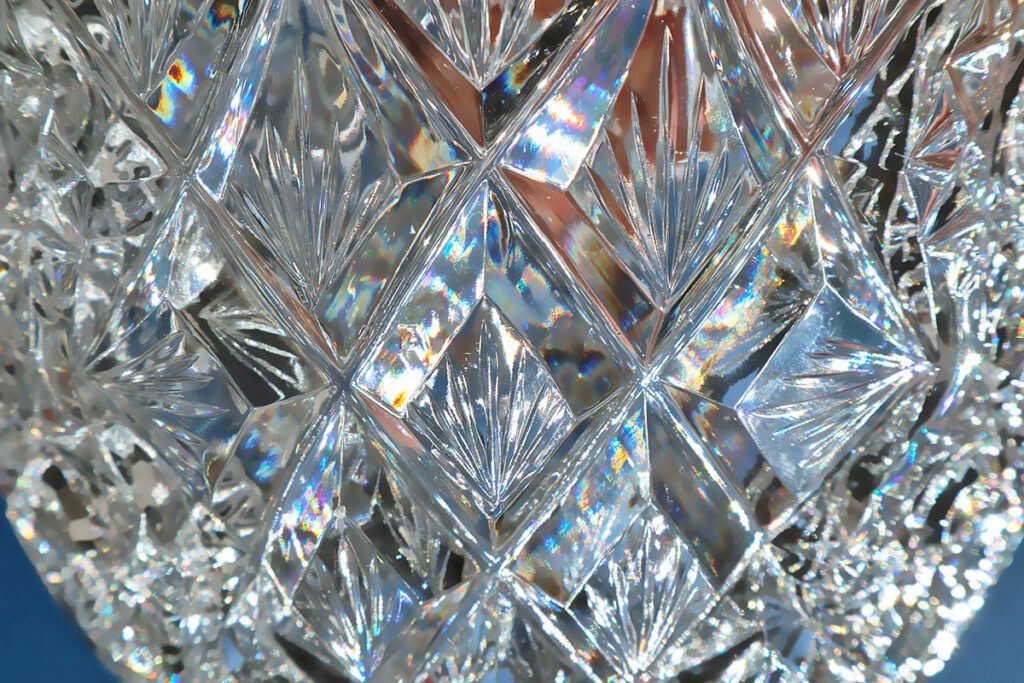
According to America’s Test Kitchen, there are some simple tests that will tell you if lead was used in the manufacturing of your vintage glassware. If you shine white light through the glass and see a rainbow, that’s a sign of lead. Likewise, if tapping the glass with a metal utensil produces a high-pitched ringing, then the glass likely contains lead. But if it produces a low-pitched clunk instead, it’s probably safe to use.
Last but not least, if the glass has a green or yellowish color, it may contain radioactive uranium. You can tell by shining a black light on the glass — if it glows a bright green, then it contains uranium. (Be aware, though, that not all glass that contains uranium will glow under a black light.)
If you have any uranium glass on hand, it’s probably not going to cause harm if you just touch it. But people are advised to play it safe and avoid using uranium glasses as practical drinkware.
Get the Lead Out
There are ways to test for lead in your vintage glassware that go beyond making an educated guess by looking at it (or tapping on it).
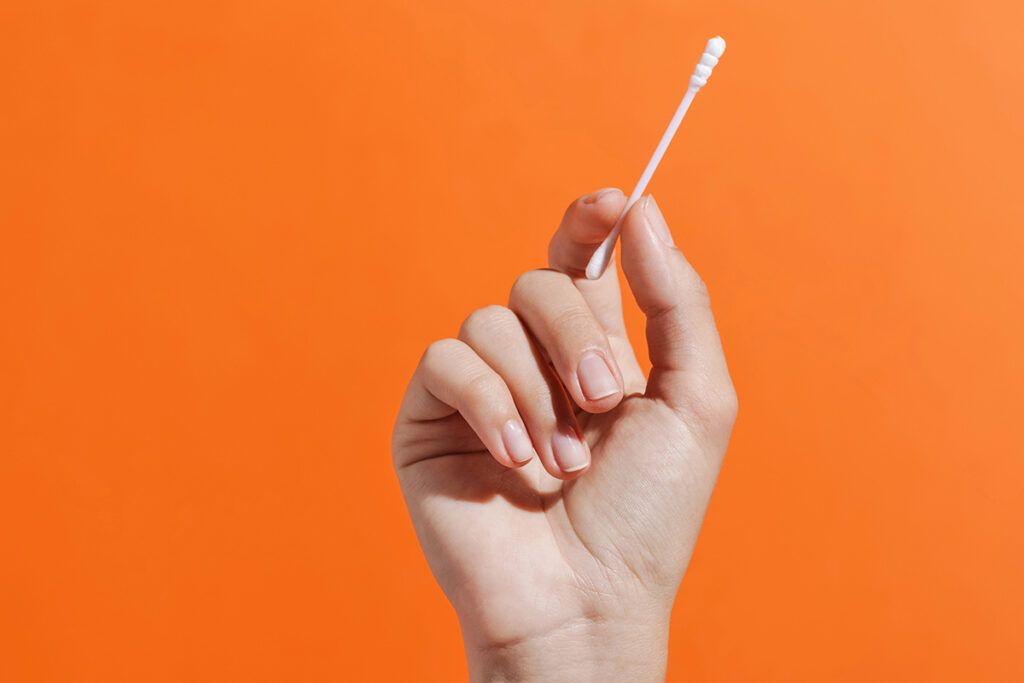
Home testing kits using swabs are readily available and provide results in as little as 30 seconds, though they’re not as reliable as tests done in a controlled lab environment and may return false positives.
Lumetallix, another home testing option, can reportedly detect an amount of lead as small as a nanogram. All you have to do is spray the colorless solution onto the glass, shine a light on it, and look for a green glow. The test does have limitations: It doesn’t work on food, soil, or water, and Lumetallix cautions that it can show only whether or not lead is present; if the lead is inaccessible due to a sealant, for example, the test will not be positive, so it’s “not meant to replace X-ray fluorescence,” which looks beyond the surface of an object and can tell you exactly how much lead is in a particular item.
Lumetallix is considered easier to use than swab tests. But according to Consumer Reports — which tested 11 at-home lead-detecting kits — no matter what home test you buy, it’s likely that it will be good at detecting high levels of lead, but not lower levels or any lead that may be lurking under the surface. So, if you’re particularly worried about lead exposure — or children are regularly in your home — you may just want to get rid of the items you feel may be risky.
Featured Image Credit: © Olivie Strauss/Unsplash.com
More From Our Network
Better Report is part of Inbox Studio, an email-first media company. *Indicates a third-party property.







Bennett Kleinman is a New York City-based staff writer for Inbox Studio. He is also a freelance comedy writer, devoted New York Yankees and New Jersey Devils fan, and thinks plain seltzer is the best drink ever invented.
This article is for general informational purposes only.
Affiliate Disclaimer Medical Disclaimer Financial Disclaimer