Will This Device Save You From Choking?
All featured products and deals are selected independently and objectively by the author. Better Report may receive a share of sales via affiliate links in content.
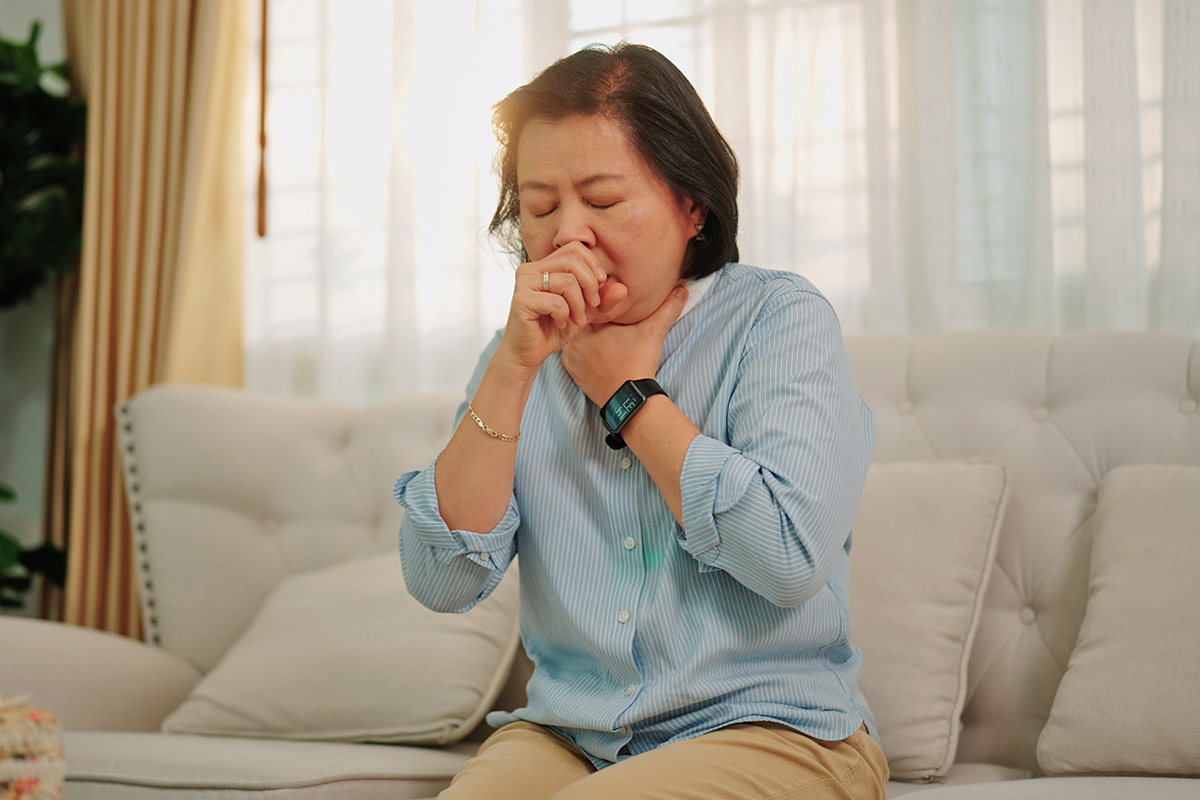
Choking emergencies can become life-threatening within minutes. In 2024, choking remained one of the leading causes of unintentional injury death in the United States, with adults over 71 facing the highest risk. As anti-choking devices like LifeVac gain popularity in online discussions of emergency preparedness, many people want to know: Do they actually work? Here’s what current research says about whether or not LifeVac belongs in your emergency response plan.
What Is LifeVac?
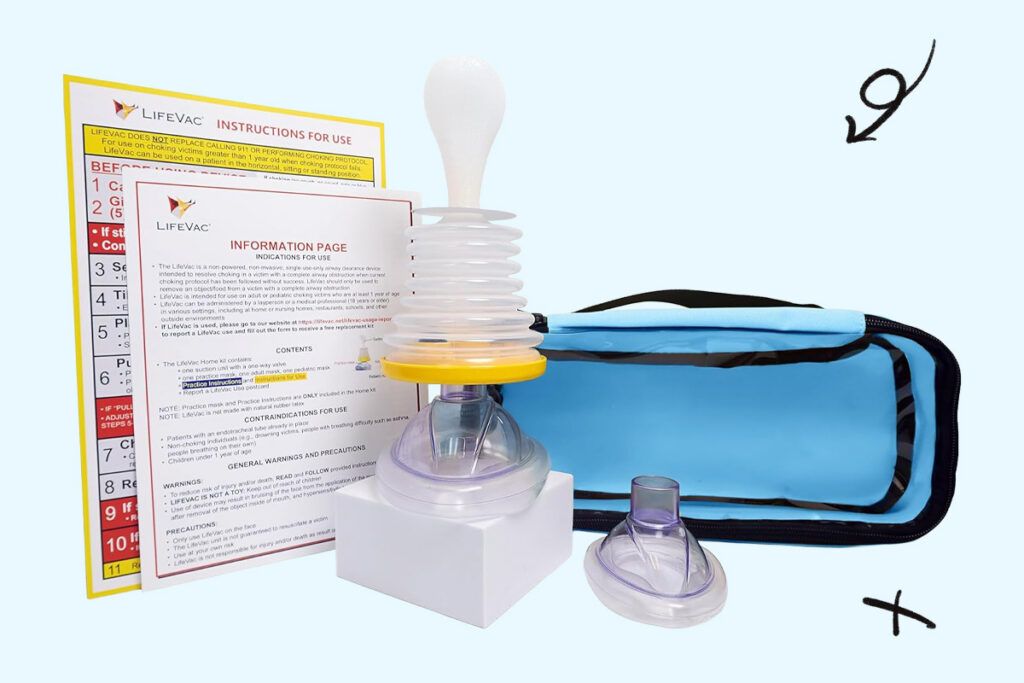
LifeVac is a portable anti-choking device that uses a suction mask to remove airway obstructions. In March 2026, LifeVac became the only FDA-cleared anti-choking device on the market; it’s classified as a Class II medical device. FDA clearance means the device met regulatory standards for safety and intended use. This is not the same as “FDA-approved,” which requires more rigorous testing and is required for Class III medical devices that carry more serious risks.
Similar to a plunger, LifeVac relies on a tight seal around the mouth and nose to pull the object upward and out of the airway using a pull handle. The one-way valve allows air to escape through vents, preventing the object from being pushed further into the airway.
The device has become popular in settings where choking may pose a greater risk, such as nursing homes, schools, restaurants, and homes with young children. LifeVac is also designed for those who live alone and comes with instructions on how to use it on yourself. It offers two mask sizes, adult and pediatric, for children ages 12 months and older who weigh more than 22 pounds.

Can It Actually Save Someone?
There are reported cases where LifeVac has been credited with helping choking victims. The company itself also cites thousands of success stories. In a recent account from April 2026, a 1-year-old choked on a piece of chicken, resulting in a total airway obstruction. After back blows were unsuccessful, the boy’s mother administered LifeVac and removed the piece of chicken on the first try.

Reader Favorites


However, most evidence is self-reported rather than from large clinical trials, so the devices aren’t universally proven, and independent research on these devices remains limited. In a recent study of the efficacy of LifeVac and DeChoker — a similar product that’s not FDA-cleared — neither device removed all foreign bodies tested, including saltines, grapes, and cashews. The LifeVac removed only the saltines, and the DeChoker removed none of the objects. However, the testing was performed on cadavers rather than living patients, so the findings may not fully reflect real-world choking emergencies.
What Do Health Organizations Recommend?
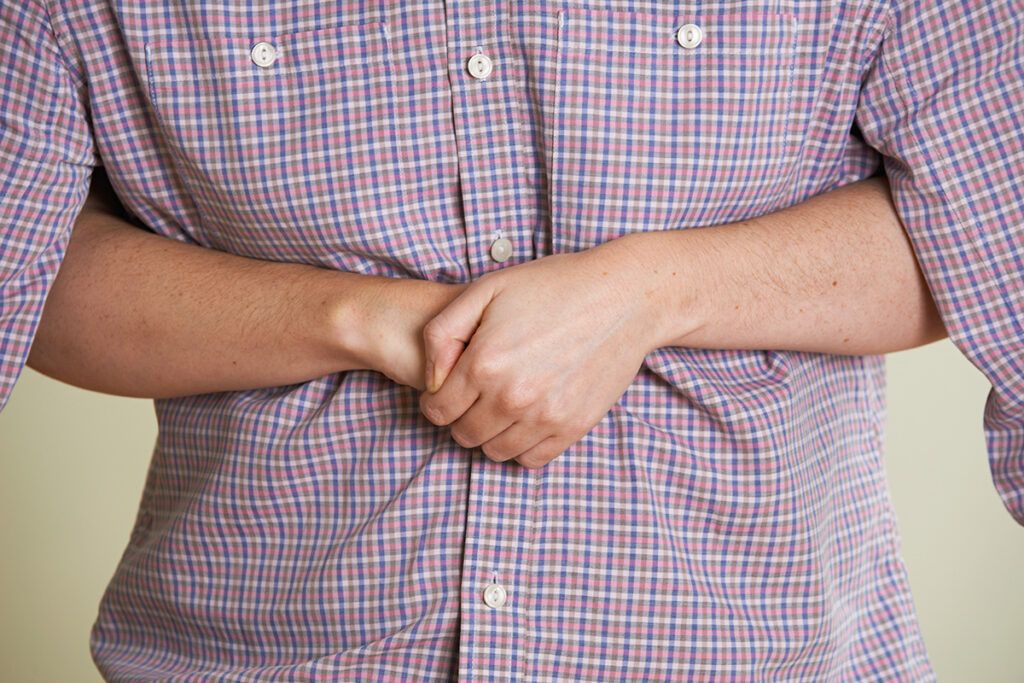
As previously mentioned, the LifeVac is FDA-cleared as a second-line treatment. This means that established choking protocols — as outlined by the American Red Cross — should be followed first. These rescue protocols include a combination of back blows and/or abdominal thrusts (also called the Heimlich maneuver) for adults and children. This is followed by CPR if the person choking loses consciousness. As the Cleveland Clinic notes, if the standard protocols are unsuccessful, anti-choking devices may be a viable option.
Time is of the essence during choking emergencies, which is why receiving CPR/first-aid training is so important. The same time constraints should be considered with airway clearance devices. Having it already assembled and familiarizing yourself with the device and instruction materials will lead to a better outcome.

Should I Buy a LifeVac?
While some families may appreciate the added peace of mind that anti-choking devices provide, experts stress that they should supplement — not replace — traditional choking rescue techniques. According to the Cleveland Clinic, these devices may be particularly useful in situations where abdominal thrusts are difficult or unsafe, such as with pregnant individuals, older adults, or people with certain disabilities. For those with infants, according to the manufacturer, LifeVac is not recommended for children under 12 months old, as it may be ineffective or cause more harm.
Dr. Darria Long, M.D., an emergency room doctor and BabyCenter Medical Advisor, weighed in on anti-choking devices, agreeing that they may be beneficial for children or adults if other protocols fail. Yet she also warned that using one can be difficult: “You have to get a really, really good seal around the mouth for these to be effective and — even for me, as an ER doctor trained in masking people, that was tough.” She added that she “would use one of these devices only if, after two to three rounds of standard choking care, it doesn’t work.”
If you do purchase a suction-based device, make sure to take it out of the box and get it ready to use. Remember, experts emphasize that no device can guarantee success in every choking emergency. Most importantly, learning evidence-based first aid — including back blows, abdominal thrusts, and CPR — remains the best way to prepare.
Featured Image Credit: © tkpond—iStock/Getty Images
More From Our Network
Better Report is part of Inbox Studio, an email-first media company. *Indicates a third-party property.