6 Supplements You Should Never Take With Coffee


If part of your morning routine includes a cup of coffee, listen up. According to the 2025 National Coffee Data Trends report, two-thirds (66%) of Americans drink it every day, getting a boost of energy from an average of three cups. But if you also take supplements, you might want to think twice before you swallow them down with your cup of joe at your next breakfast.
Taking supplements with coffee isn’t dangerous, but the caffeine and polyphenols in coffee, and its diuretic effect, can change how some work — and may even prevent your body from getting needed nutrients. Here are six supplements you should never take with coffee.

Iron
Your body needs the mineral iron for growth and hormone production. Most Americans get enough from their diet, but certain groups, including pregnant women, may need to take supplements. If you take one with coffee, though, you may not get the full benefit: One study found that doing so could decrease iron absorption by 54% to 66%.
Instead, take iron with water at least two hours before your coffee. You also can pair your iron supplement with foods or drinks high in vitamin C, such as orange juice, to help your body fully absorb it.

Calcium
Calcium is a mineral you need for strong bones and teeth. If you don’t get enough, you could be at risk for osteoporosis and fractures.
Caffeine in coffee can reduce your body’s absorption of calcium. Studies also suggest that because coffee makes you go to the bathroom, it filters too much calcium out of your system. For every cup you drink, you lose as much as 5 milligrams of calcium through urine.
You can add dairy to your coffee to compensate for the calcium loss. But caffeine also changes how efficiently your body absorbs the vitamin D in dairy (more on that below). So it’s best to take calcium at another time of the day.

Reader Favorites



Vitamin D
You need vitamin D to help absorb and use calcium for healthy bones, and the caffeine in coffee can inhibit how well your body absorbs vitamin D because caffeine influences how vitamin D receptors work.
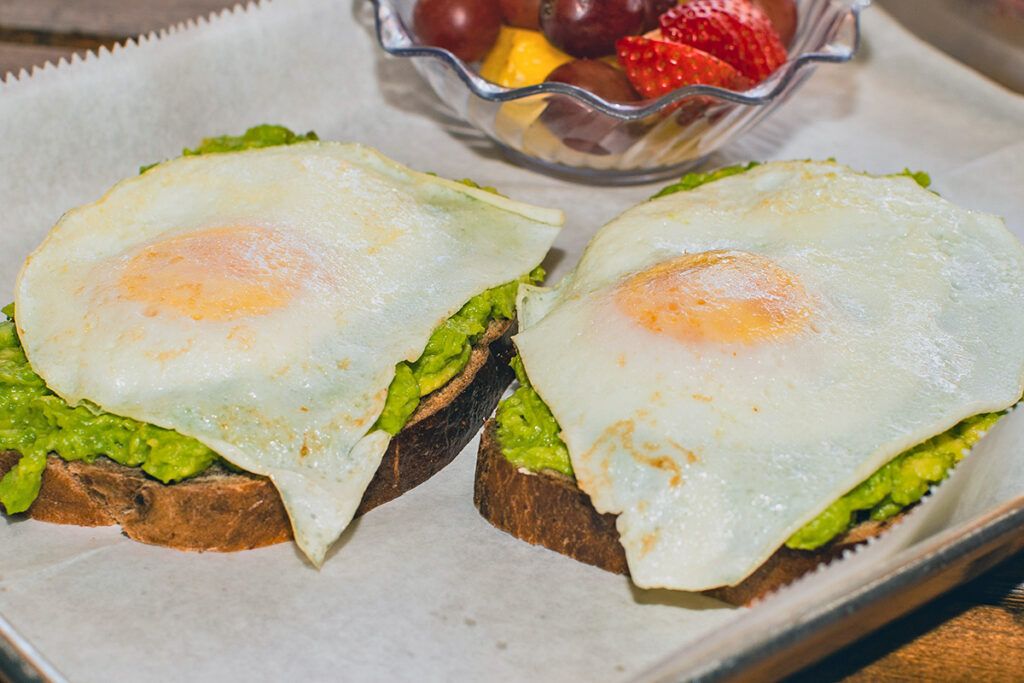
Take your vitamin D with a meal such as breakfast. Vitamin D is fat-soluble, which means your body absorbs it best when you take it with healthy fats, such as eggs, yogurt, nuts, or avocado. Wait at least an hour before having any coffee.
B Vitamins
Unlike vitamin D, B vitamins — including thiamine (B1), riboflavin (B2), niacin (B3), and folate (B9) — are water-soluble, and your body can’t produce or store them (with the exception of B12, which is stored in the liver). Instead, they need to be replaced every day, either through your diet or via supplements.
The caffeine in coffee also increases how much of these vitamins your body eliminates through urine. Studies show drinking coffee tends to lead to lower levels of folate, pyridoxal phosphate (the active form of vitamin B6), and riboflavin. It also interferes with how some B vitamins metabolize.
You should take your B vitamins at least an hour after your last coffee, with or without food — but they might be easier to swallow with breakfast.
Magnesium and Zinc
Magnesium and zinc are important nutrients you need to stay healthy: The former contributes to a number of the body’s processes, including regulating blood pressure and blood sugar, and the latter is used by the body to make DNA and assist the immune system in fighting illnesses. But the polyphenols and tannins in coffee attach to the minerals and reduce how much your body can absorb. Some of the nutrients can also be filtered out as a result of coffee’s diuretic effects. And because magnesium plays a role in how you sleep, you should avoid caffeinated coffee if you’re taking a magnesium supplement at bedtime. Zinc also can irritate an empty stomach, so take it with lunch or dinner instead of your morning coffee.
Featured Image Credit: © Marcus Aurelius/Pexels.com
More From Our Network
Better Report is part of Inbox Studio, an email-first media company. *Indicates a third-party property.







Sarah Gleim is an Atlanta-based freelancer with more than 25 years of experience writing and producing explainers and features about history, science, food, and health for media outlets like AARP, WebMD, The Conversation, History.com, HowStuffWorks, CNN, and others. She’s also the editor of several cookbooks for Southern Living and Cooking Light.
This article is for general informational purposes only.
Affiliate Disclaimer Medical Disclaimer Financial Disclaimer