Why Car Headlights Are Now Dangerously Bright

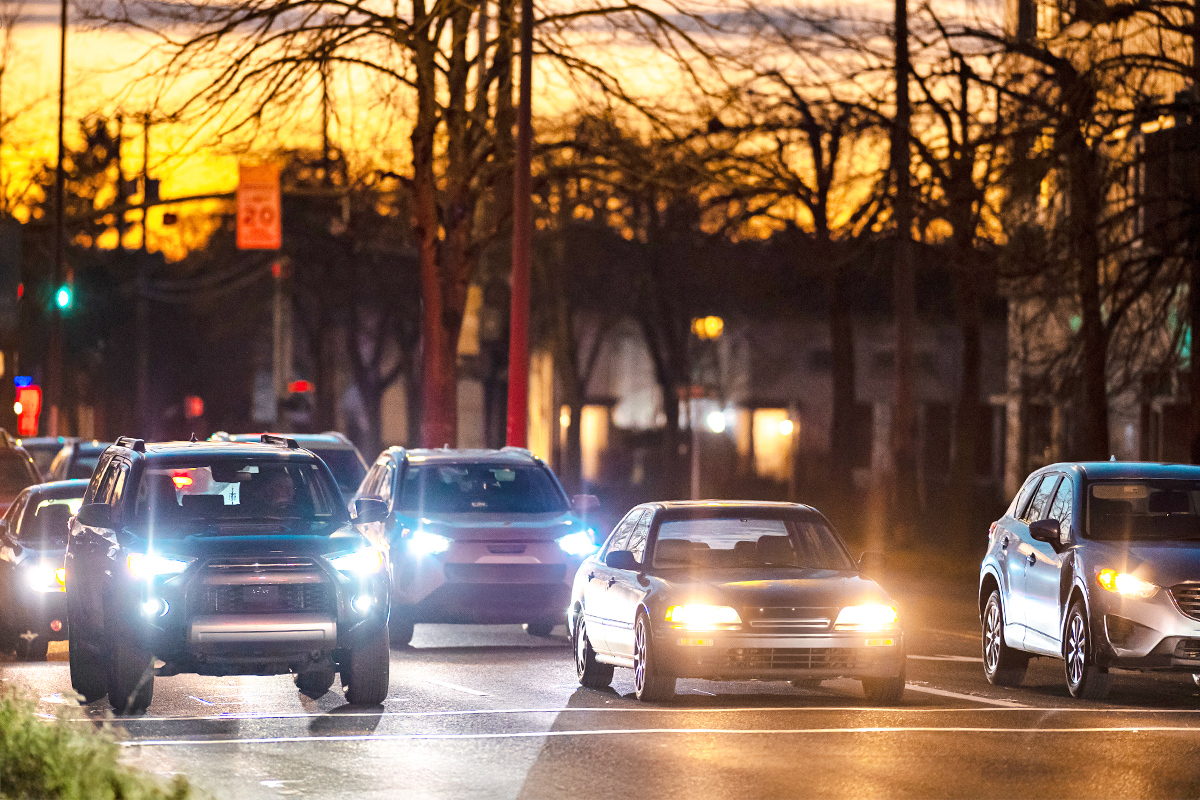
It’s an all-too-common scenario these days: You’re barreling down the highway when a blinding light suddenly appears in front of you. Is it someone shining a laser pointer? A police officer with a spotlight on their vehicle? Or is a UFO trying to abduct you, and you’re caught in its tractor beam?
It’s likely none of the above. Odds are that the blinding beam is coming from the headlights of an approaching car. Here’s a look at why so many modern headlights seem brighter than the sun, and how to manage the situation when it arises.

Why Car Headlights Are So Bright
If you feel that car headlights have gotten too bright, you’re not alone. A 2026 survey conducted by AAA found that six out of 10 drivers struggle with headlight glare. The study also determined that 73% of drivers think that the situation has gotten worse over the last decade. This isn’t just opinion, either — it’s a reality that’s partially attributable to a change in the ways that cars are manufactured.
According to AAA, there are two major factors that are responsible for the issue. One has to do with the headlights themselves: While older car models typically used halogen headlights, many modern cars instead use LEDs, which produce four to five times more lumens per watt than halogens. LEDs also have a blue hue compared to yellow-tinted halogens. This potentially makes the problem worse, as blue-colored lights are associated with eyestrain.
The other factor is vehicle height. Seven of the 10 most popular vehicles sold in 2025 were trucks or SUVs. These vehicles are higher off the ground than the smaller cars on the road, which means their headlights are more elevated — and therefore more likely to point into the eyes of people driving those smaller cars.
There’s a case to be made for why LED headlights are an improvement, especially if you’re in the driver’s seat: They do a much better job than halogens at providing adequate visibility. According to Greg Brannon, director of automotive engineering at AAA, “old-style halogen reflector headlights did not provide enough forward lighting … Above 45 miles an hour, you could outdrive your lights.”
Despite the benefits they offer, though, bright headlights remain a serious concern for drivers in other cars.

Reader Favorites



How To Deal With Bright Headlights
For better or worse, LED headlights are here to stay. That’s not to say that adjustments won’t be made over time, but it’ll take trial and error for car makers to find a balance. Until then, there are methods to manage bright oncoming headlights.
If you’re driving and come upon a particularly bright set of headlights, one thing you can do is look toward the right shoulder of the road. This will lessen the intensity of the lights until the other car passes, but you’ll still be able to see the lane clearly and thus drive safely. You can also purchase clear-lens glasses specifically designed for nighttime driving. These types of glasses have a coating that blocks out blue light and reduces glare, while maintaining your ability to see the road clearly. It may help to keep your windshield clean from any dirt or debris, too, as a dirty windshield can make glare worse.
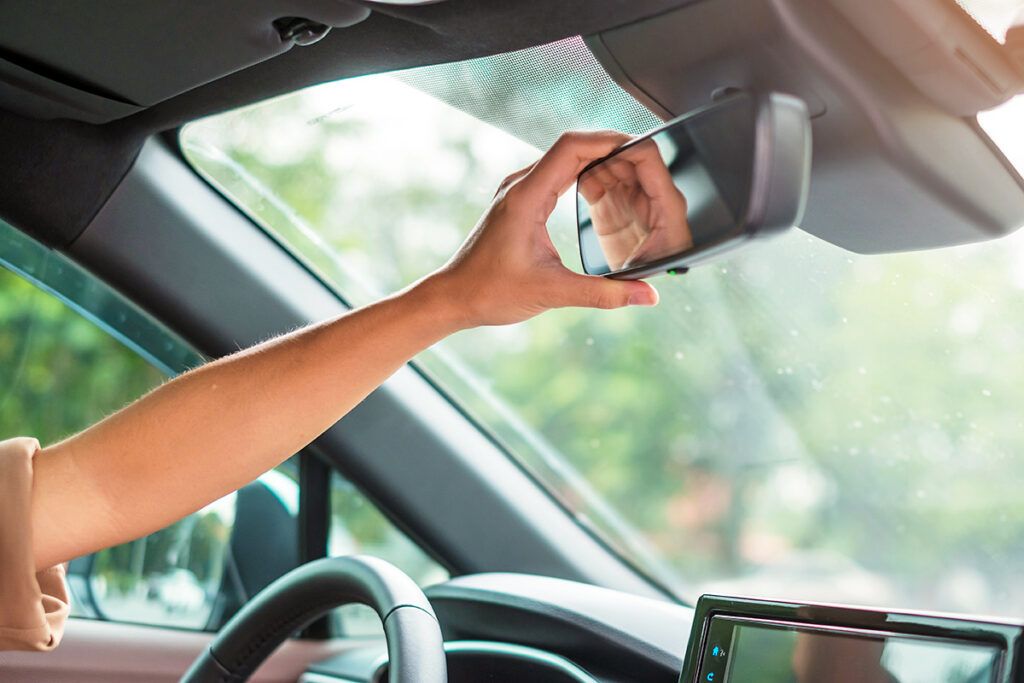
Finally, one way to mitigate the effect of bright headlights behind you is to tilt your rearview mirror at a slight downward angle so that the mirror won’t reflect the lights into your eyes. Rearview mirrors also have a night setting you can activate by pulling the tab at the bottom, which reduces light intensity.
What If Your Own Headlights Are the Problem?
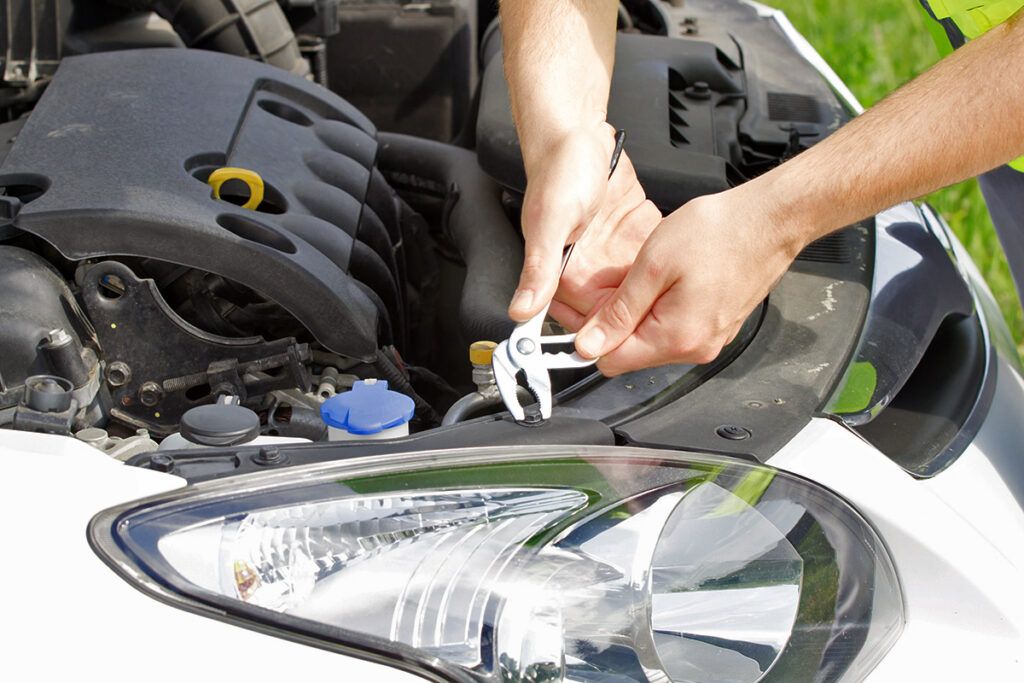
There’s a chance the headlights in your vehicle may be improperly aligned, which could be blinding other drivers. The good news is that you can adjust the headlights easily — you just need to determine if they’re out of whack first.
To tell if your headlights are angled too high or aligned just right, park your car on a flat surface and shine the lights against a wall 25 feet away. Next, measure the height of your headlights, and then measure that same height on the wall. The top of the lights should be shining at or just below the center height of your headlights (though the passenger side light should be slightly higher to adequately illuminate road signs). If they’re angled above center, they should be adjusted.
To adjust the vertical angle of your headlights, first locate the vertical adjustment screw, which is above or below the headlight assembly. (There’s also a horizontal adjustment screw, so consult the manual to determine which of the screws is the right one.) Keep the headlights on as you adjust the screws so you can see when the lights are aligned properly. Once the top of the lights sits just below center, they shouldn’t shine directly in other drivers’ eyes.
Featured Image Credit: © timnewman—iStock/Getty Images
More From Our Network
Better Report is part of Inbox Studio, an email-first media company. *Indicates a third-party property.






Bennett Kleinman is a New York City-based staff writer for Inbox Studio. He is also a freelance comedy writer, devoted New York Yankees and New Jersey Devils fan, and thinks plain seltzer is the best drink ever invented.
This article is for general informational purposes only.
Affiliate Disclaimer Medical Disclaimer Financial Disclaimer