7 Free MIT Classes You Can Experience From Home

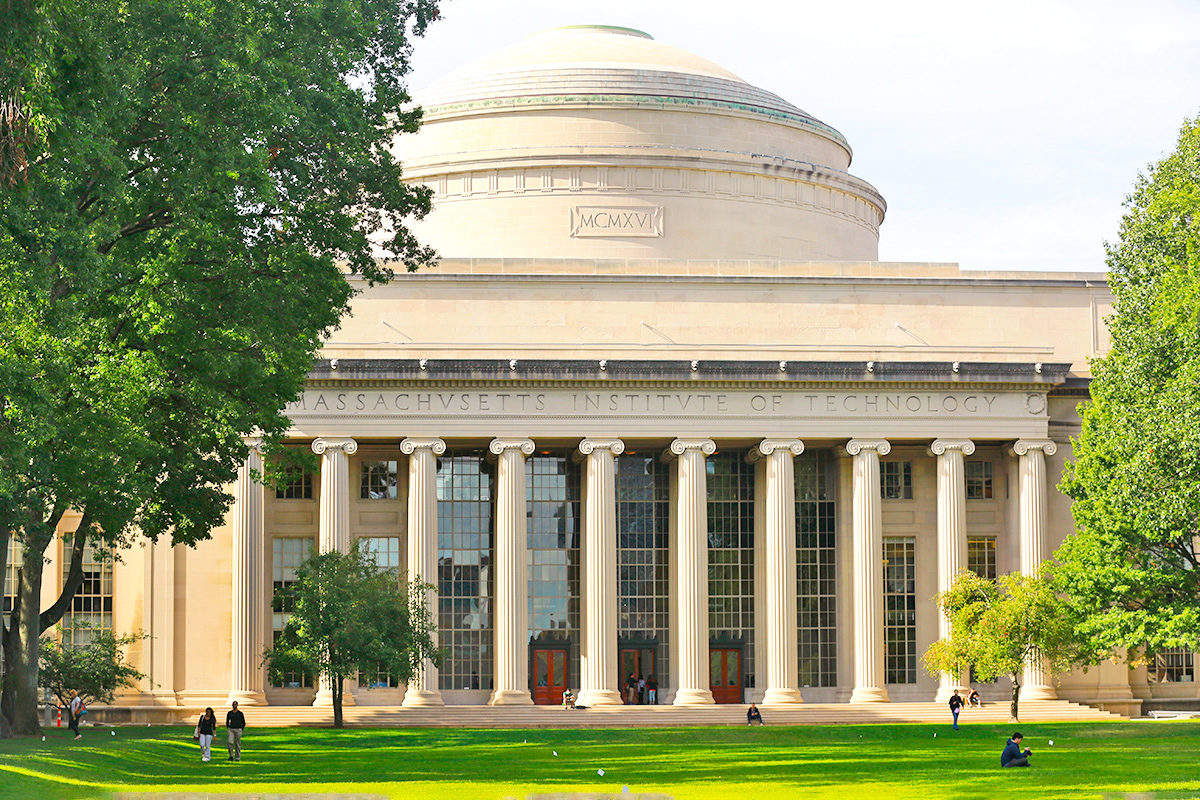
The annual cost to be a full-time student at the Massachusetts Institute of Technology is a whopping $92,760 — but there’s a more affordable and convenient way to experience an MIT-quality education from the comfort of your own home. MIT OpenCourseWare, an online database containing materials from over 2,500 MIT classes, is a wonderful resource that doesn’t cost a dime. There are topics for every interest, but let’s take a look at seven offerings in particular that caught our eye.

How It Works
Here’s a quick explainer of how the database works: First, select and click on whichever topic intrigues you. From there you can explore the actual syllabus, calendar, readings, lecture notes, assignments, and other relevant materials, all accessed through your web browser. Alternatively, you can choose “Download Course” and have the materials (minus video files, which need to be downloaded from the course page) loaded directly onto your computer so you can browse them offline. Either way, you go through the classes at your own pace, and choose which parts to complete or skip. If you’re having issues accessing the files, visit the FAQ page for help.

American History Since 1865
Whether you’re a history buff yourself or looking to have conversations with the people in your life who are, it’s worth taking a look at “American History Since 1865.” Learn about the social, cultural, political, and economic progression of the United States from the end of the Civil War in 1865 all the way to present day. Topics within the course include Reconstruction, the Gilded Age, the Cold War, and the rise of the digital age.

Playwriting I
Many people have a creative idea they’ve been sitting on forever, but they lack guidance on how to get started and actually put pen to paper. If you can relate, “Playwriting I” may be the course for you. This introductory class outlines the basics of theatrical content, encouraging students to learn how to write plays by actually writing plays. The class assignments (which you can do as self-guided activities) include penning several 10-page, one-act plays, culminating in a 20- to 30-page final project.

Reader Favorites




Blockchain and the Design of Financial Systems
You’ve probably heard words like “blockchain” and “crypto,” but may struggle to understand what that terminology actually means. Enter “Blockchain and the Design of Financial Systems,” an educational introduction to this financial system. With the help of video lectures, you’ll learn all about the benefits, flaws, and future of this technology.

Causes and Prevention of War
One of the surest ways to prevent or control future conflicts is to know the common causes. That’s the aim of “Causes and Prevention of War,” where students examine this too common global phenomenon. Detailed lecture notes will help you analyze major historical conflicts such as WWI and WWII, and take a look at future wars that may occur.

Introduction to World Music
We all have our favorite playlists that we’ve listened to hundreds of times. But if you’re looking to branch out and explore genres you’ve never heard before, “Introduction to World Music” is a fantastic starting point. The class exposes students to a vast array of songs and cultures from around the world and even encourages participants to practice music-making on their own.

Comedy
Love to laugh, but curious to learn more about what tickles our funny bones? Then take “Comedy” — an MIT course that begins back in the time of ancient comedic playwrights who shaped the art form. Through readings, you’ll learn more about the different styles of comedy, such as slapstick, satire, and parody. You’ll also try your hand at writing assignments meant to teach you about analyzing comedy with a more critical lens.

Introduction to Sustainable Energy
Many people know just how important sustainable energy is, but fewer folks understand the nuances of how to achieve goals related to sustainability. “Introduction to Sustainability” aims to educate students about sustainable energy sources both current and future. The course takes a look at harmful fossil fuels, the pros and cons of nuclear energy, and potential energy systems of the future.
Featured Image Credit: © Owen Franken—The Image Bank Unreleased/Getty Images
More From Our Network
Better Report is part of Inbox Studio, an email-first media company. *Indicates a third-party property.







Bennett Kleinman is a New York City-based staff writer for Inbox Studio. He is also a freelance comedy writer, devoted New York Yankees and New Jersey Devils fan, and thinks plain seltzer is the best drink ever invented.
This article is for general informational purposes only.
Affiliate Disclaimer Medical Disclaimer Financial Disclaimer