3 Common Sleep Habits That May Be Aging Your Brain

All featured products and deals are selected independently and objectively by the author. Better Report may receive a share of sales via affiliate links in content.
Getting quality sleep is one of the most important things you can do for your overall health, along with eating a balanced diet and exercising regularly. Seven to nine hours of good sleep each night benefits both body and mind by lowering blood pressure, controlling inflammation, regulating metabolism, and allowing your brain to organize information. While you’re dreaming, your brain consolidates memories and even gets rid of harmful proteins that can lead to disease. Those processes enhance your ability to learn and concentrate when you’re awake.
Chronic poor sleep, however, doesn’t allow this nightly decluttering. It can result in higher stress levels, less ability to focus and learn, and poor mental health. Some research shows that not getting enough quality shut-eye may also accelerate brain aging, a collection of physical and cognitive changes that typically manifest later in life but may appear earlier in people who don’t get enough good sleep.
“Unlike the gentle, predictable pace of normal aging, sleep‑related lapses are more abrupt and inconsistent, [but] on the bright side, they often rebound once healthy sleep returns,” says Joseph M. Dzierzewski, Ph.D., senior vice president of research and scientific affairs at the National Sleep Foundation.
A recent study in the journal Alzheimer’s & Dementia linked three common sleep habits to a biomarker for brain aging that may influence the risk of dementia. Here’s what you should know — and a few steps for improving your nightly rest.
What Is Brain Aging?
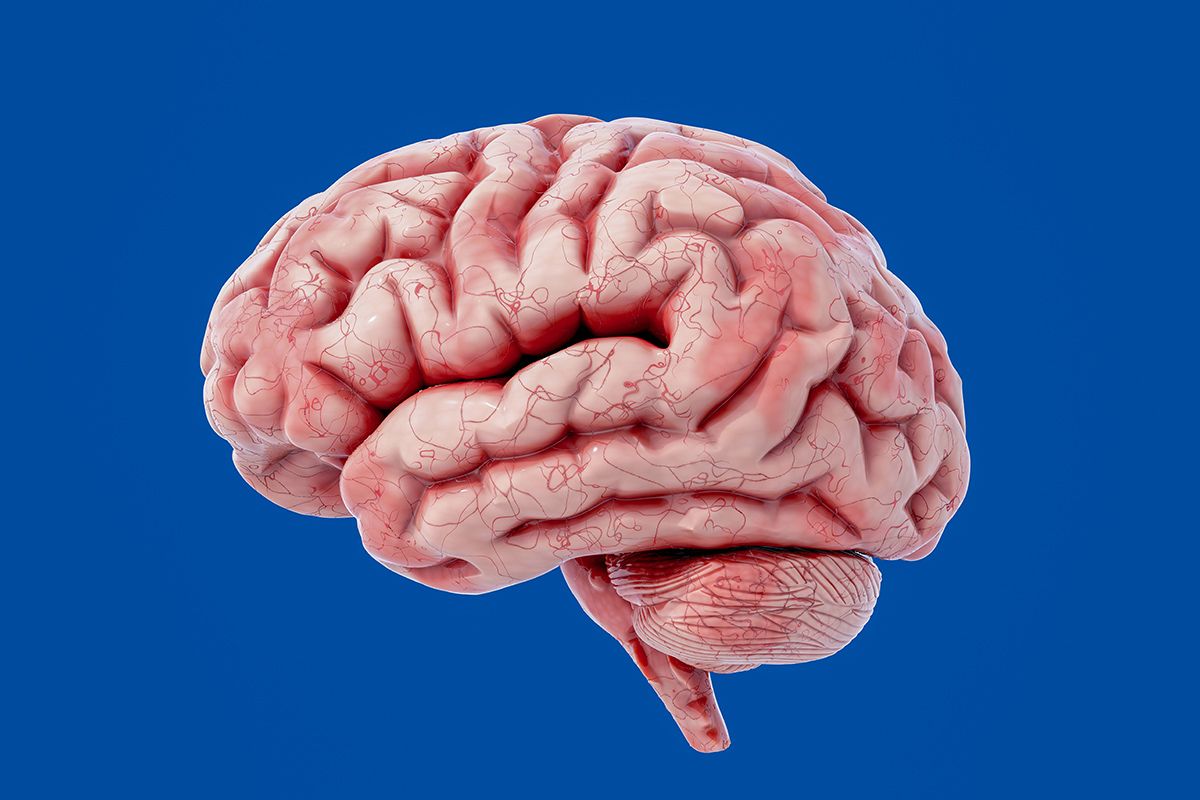
Even in healthy people, the brain goes through natural changes with age, according to the American Brain Foundation. Parts of the brain change physical shape and decrease in volume, which can lead to cognitive differences related to memory and recall, problem-solving, and focus. On the cellular level, neurons shrink and become less adept at sending and receiving electrical signals. The brain also produces fewer neurotransmitters like serotonin and dopamine that regulate mood and memory.
“As the brain ages, the speed at which it processes information naturally slows, which can make word‑finding or multitasking feel a bit less snappy,” Dzierzewski says. “These are timing changes, not losses in intelligence or judgment. A misplaced name or set of keys is usually nothing to worry about.”
Studies have found these changes typically begin in a person’s 40s and accelerate after age 70, but the rate of decline is variable and can be affected by behavioral, genetic, and environmental factors.

Reader Favorites




Three Sleep Habits To Avoid
Poor sleep is one of the factors increasingly associated with faster brain aging. In the recent study, researchers at the University of Arizona and the University of Southern California, Los Angeles, showed that suboptimal sleep was linked to physical brain changes that may lead to a higher risk of developing dementia, including Alzheimer’s disease.
The researchers analyzed self-reported sleep data and brain MRI scans from 23,377 healthy, middle-aged and older participants in a large biomedical database. The scans recorded a biomarker for healthy brain aging called white matter hyperintensities, which show up as white spots during the MRI. The more bright white spots on the scan, the older a brain appears, and the higher the risk of developing disease.
The scientists compared the images with five indicators of poor sleep quality that participants reported: sleep duration of more or less than seven to nine hours; daytime napping (sleeping intentionally); sleeplessness; snoring; and daytime dozing (falling asleep without meaning to). They found that all five were associated with higher volumes of white matter hyperintensities. After the results were adjusted to account for common vascular health and lifestyle factors, three habits — sleep duration, daytime napping, and sleeplessness — still showed a significant association with an increased presence of white matter spots, suggesting the habits may be tied to a higher risk of dementia. Though the study didn’t include an analysis of nap duration on brain aging, future research should examine the effects of shorter or longer naps over time, researchers said in a statement.
These findings indicate that “maintaining enough, consistent, high-quality sleep is a key part of protecting brain health,” Dzierzewski says.

Steps to Superior Sleep
To improve the quality of your sleep, experts suggest creating a bedroom environment that is “cool, dark, and quiet,” Dzierzewski says. If possible, adjust your thermostat so your home’s nighttime temperature falls between 60 and 67 degrees Fahrenheit, since excessive heat and cold are known to disrupt sleep cycles. Use blackout curtains or a sleep mask to block ambient light from outside your home. (Many streetlights use superbright LEDs that emit blue light, another known sleep interrupter.) And consider noise levels: Though there’s not a lot of scientific consensus on whether white noise machines or broadband noise-streaming sleep apps help or hinder sleep quality, white noise effectively masks unwanted sounds, which may make it easier to fall asleep in a less-than-quiet environment.
Your bedtime routine also affects how well you sleep. Try to prioritize seven to eight hours of sleep each night while sticking to consistent sleeping and waking times, Dzierzewski says. Avoiding TV, phones or computers, caffeine, alcohol, and heavy meals before bed will also prep your brain for rest. Finally, “during the day,” Dzierzewski advises, “aim for 45 to 60 minutes of bright outdoor light and regular physical activity to help regulate the sleep-wake cycle.”
Products for More Restful Sleep

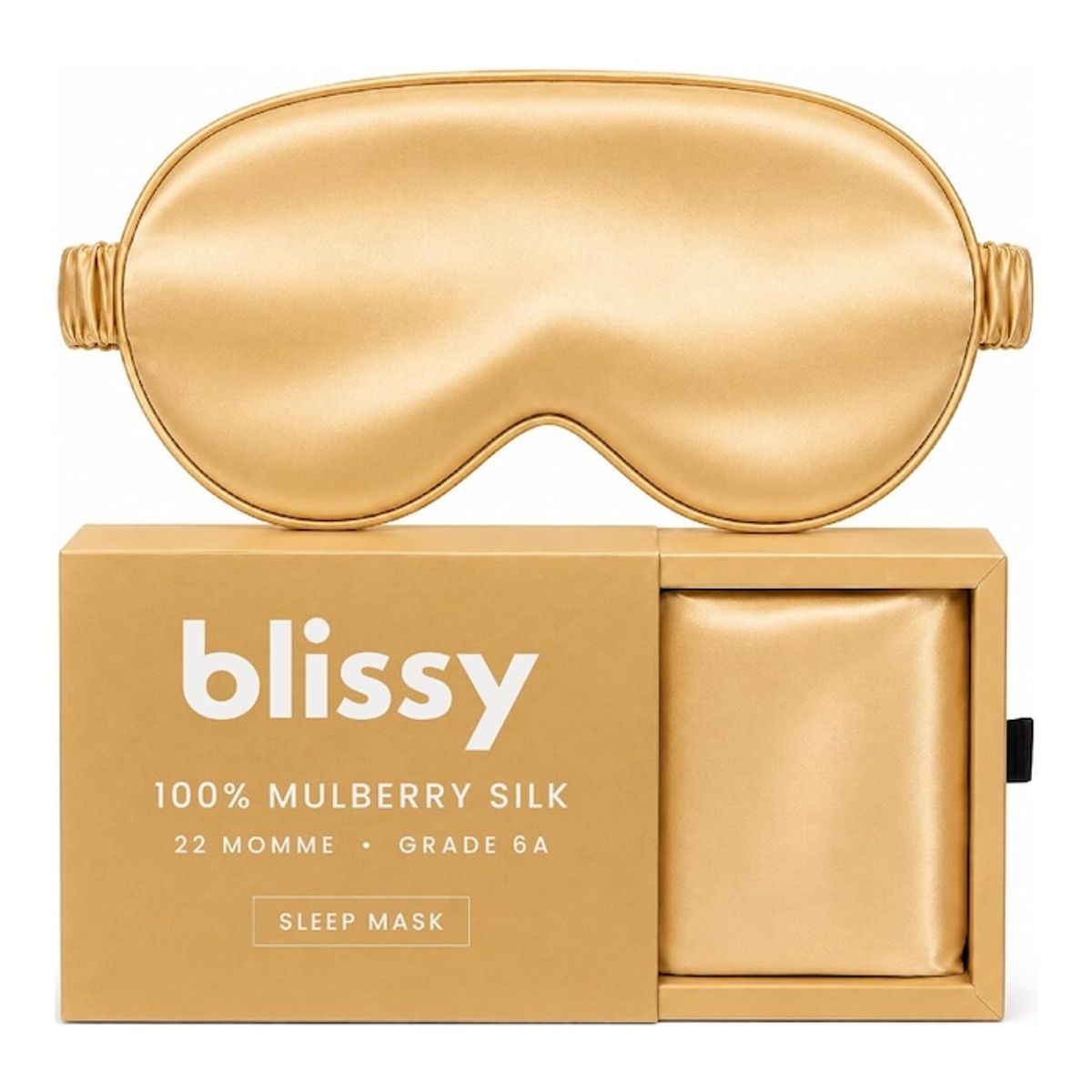

Prices accurate as of September 14, 2026.
Featured Image Credit: © Cate M—Moment/Getty Images
More From Our Network
Better Report is part of Inbox Studio, an email-first media company. *Indicates a third-party property.







Kat Long is a freelance science journalist in the Washington, D.C. area. Previously, she was the science editor at Mental Floss and a digital editor at National Geographic. She now writes the Arctic Archives newsletter on Substack. Kat spends her free time birdwatching, road-tripping to historical sites and perusing old manuscripts at libraries.
This article is for general informational purposes only.
Affiliate Disclaimer Medical Disclaimer Financial Disclaimer