5 Things Your Car Needs Before the First Freeze

All featured products and deals are selected independently and objectively by the author. Better Report may receive a share of sales via affiliate links in content.
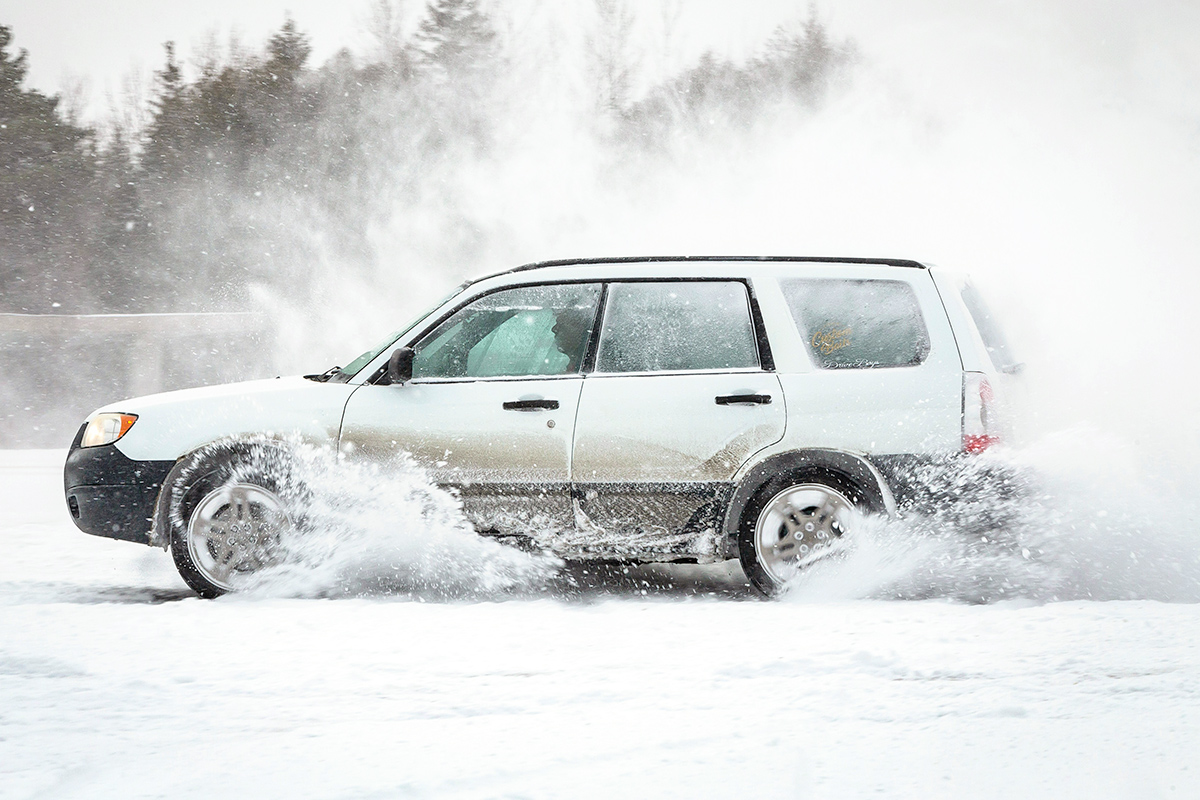
We’ve only recently made the transition from summer to fall, but it won’t be long until winter weather creeps in — and it’s important for car owners to prepare now so they don’t get caught flat-footed when temperatures plummet. Here are five important supplies you need before the first freeze to ensure your vehicle is ready for potentially perilous wintertime driving conditions.
Winter Tires
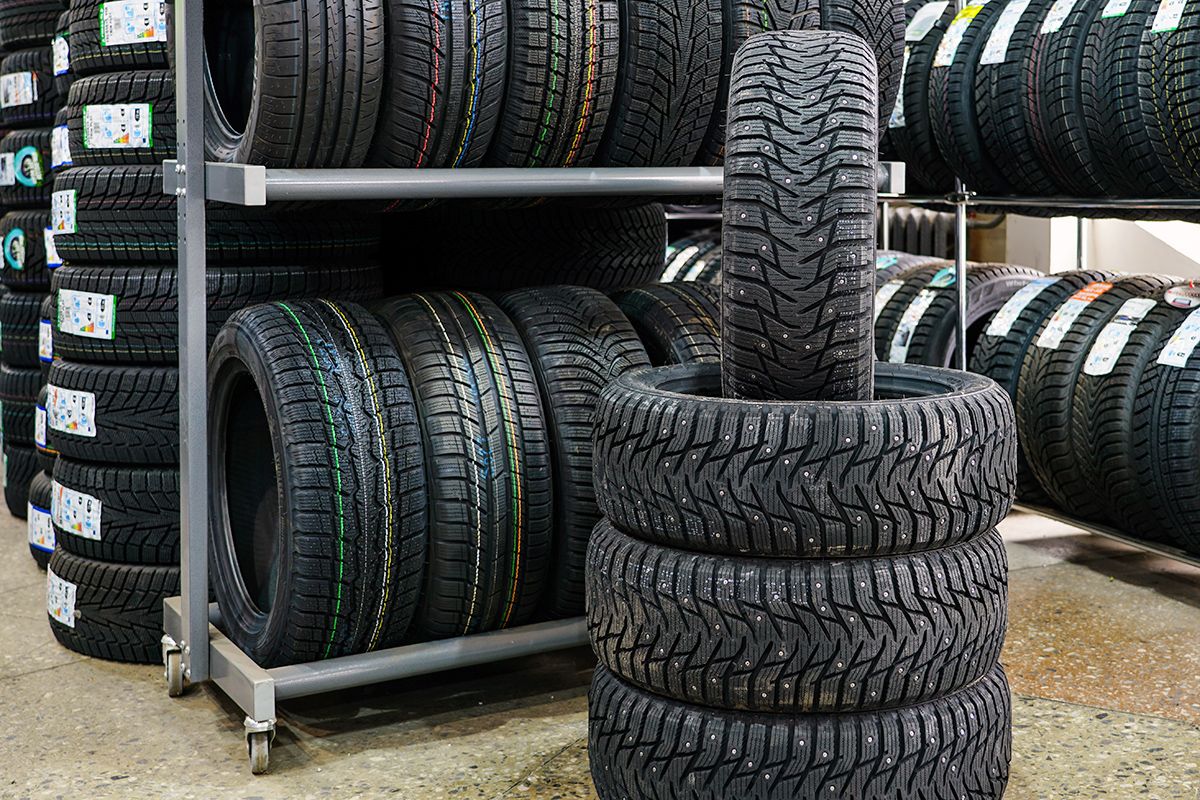
Switching to winter tires isn’t cheap — the cost can be $400 to $1,200 or even more, according to AAA — but it may be the most important factor for safe winter driving. Research has shown that swapping your regular tires for winter ones reduces braking distances by as much as 30%. (Thankfully, you don’t need to get rid of your all-season tires; simply keep them off to the side until winter passes.).
According to Kelley Blue Book, you should switch your tires when temperatures are set to drop below 45 degrees Fahrenheit for at least a week. When temperatures dip to 44 or lower, the material that comprises all-season tires hardens, inhibiting traction. This happens whether it’s snowy, icy, or dry, because cold affects traction regardless of precipitation.
Emergency Kit
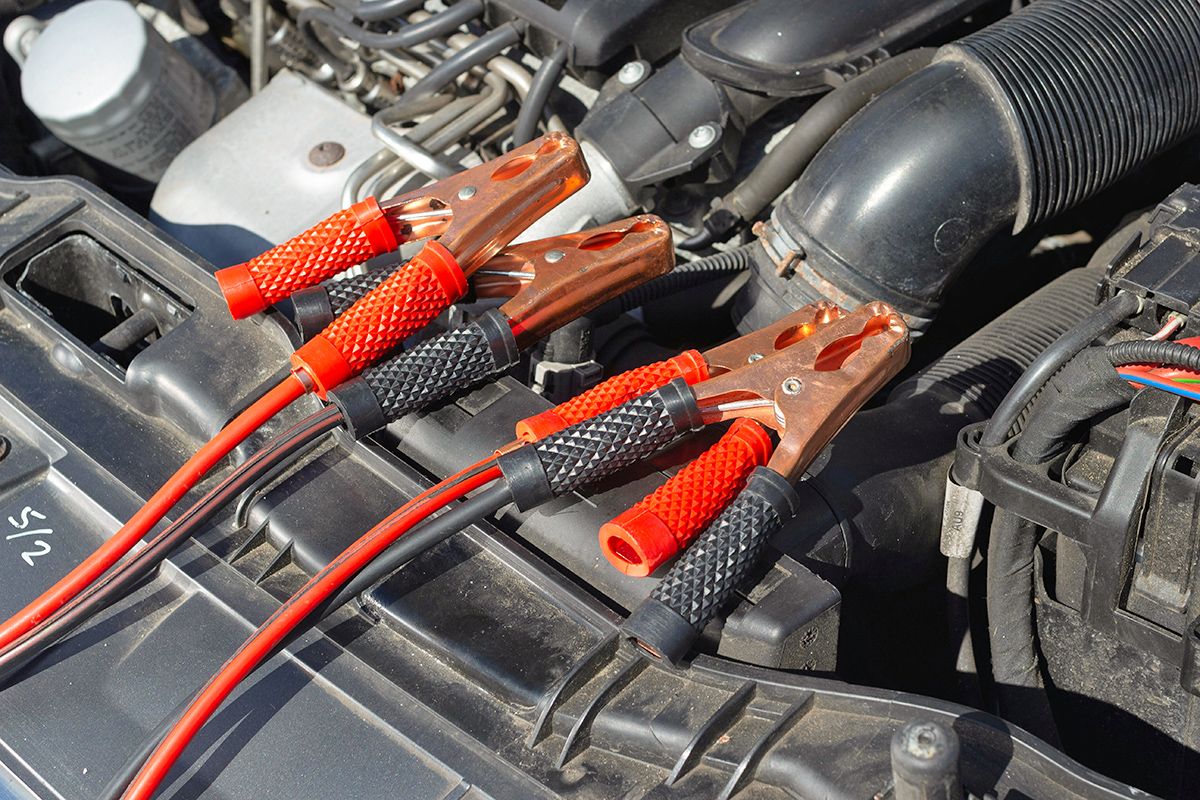
It’s a good idea to have an emergency kit in your car in the event of an unexpected situation. There’s no exact list for what the kit should include, though it should certainly have items that can help you stay warm if your car’s battery dies. That could include gloves, blankets, and an emergency thermal sleeping bag for the rare worst-case scenarios where you may end up stranded overnight.
You should also travel with things that keep the car in working shape, such as an ice scraper to clear the windows, duct tape for temporary repairs, and a tire pressure gauge to ensure the tires are adequately inflated. Lastly, make sure you have a first aid kit, water, a flashlight, jumper cables, and LED road flares, the latter of which helps alert other drivers of your presence in low visibility conditions.
Essential Fluids
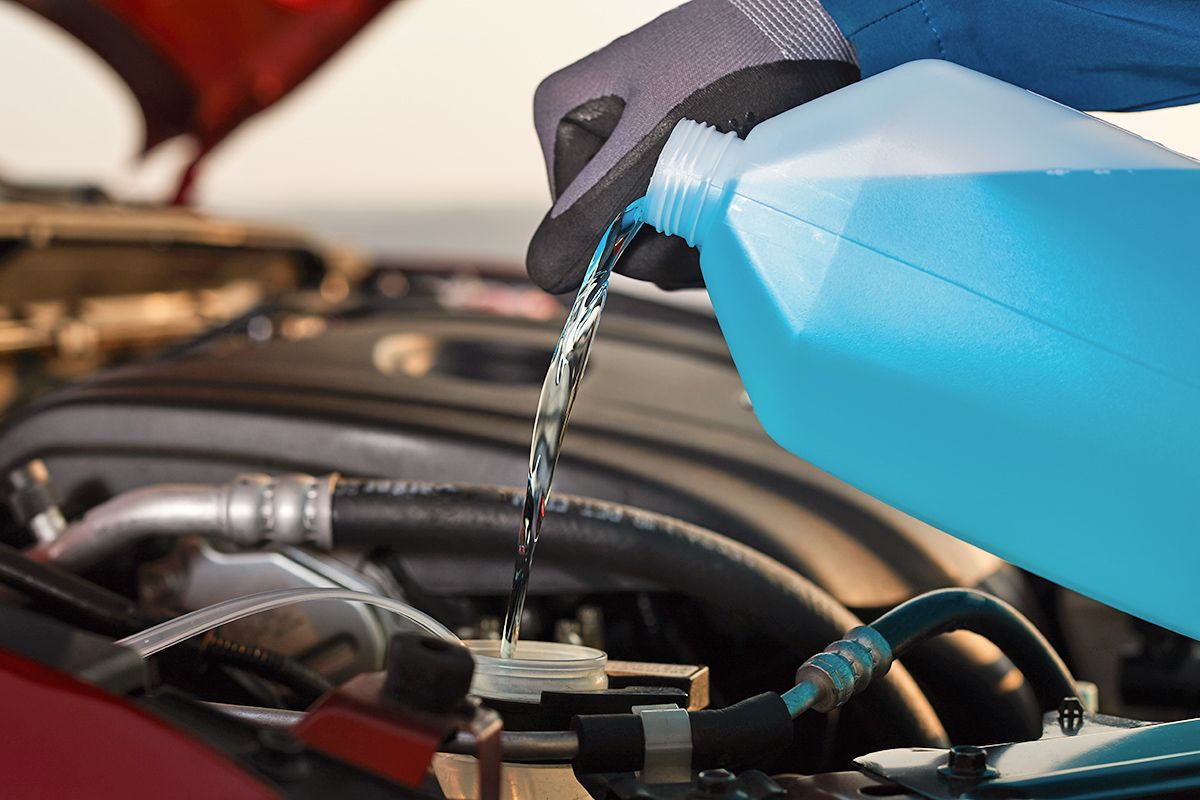
Don’t just assume your car’s fluid levels are adequate: Check them before the weather gets cold and replace or top off fluids as needed. For instance, make sure all engine fluids are at a good level — especially antifreeze, which prevents your engine from freezing over in frigid conditions. Top off the brake fluid and transmission fluid, too, and get an oil change to ensure your car functions as well as possible.
Finally, don’t forget to fill up your windshield washer fluid, preferably using one that’s designed to withstand freezing temperatures. And while you’re at it, replace any frayed windshield wipers with new ones. Low fluid levels and ragged wipers can result in cloudy and streaky windshields, making it difficult to see. This can pose problems when it’s snowing or hailing and you need to keep the windshields clear, so don’t risk it.

Reader Favorites



Traction Aids
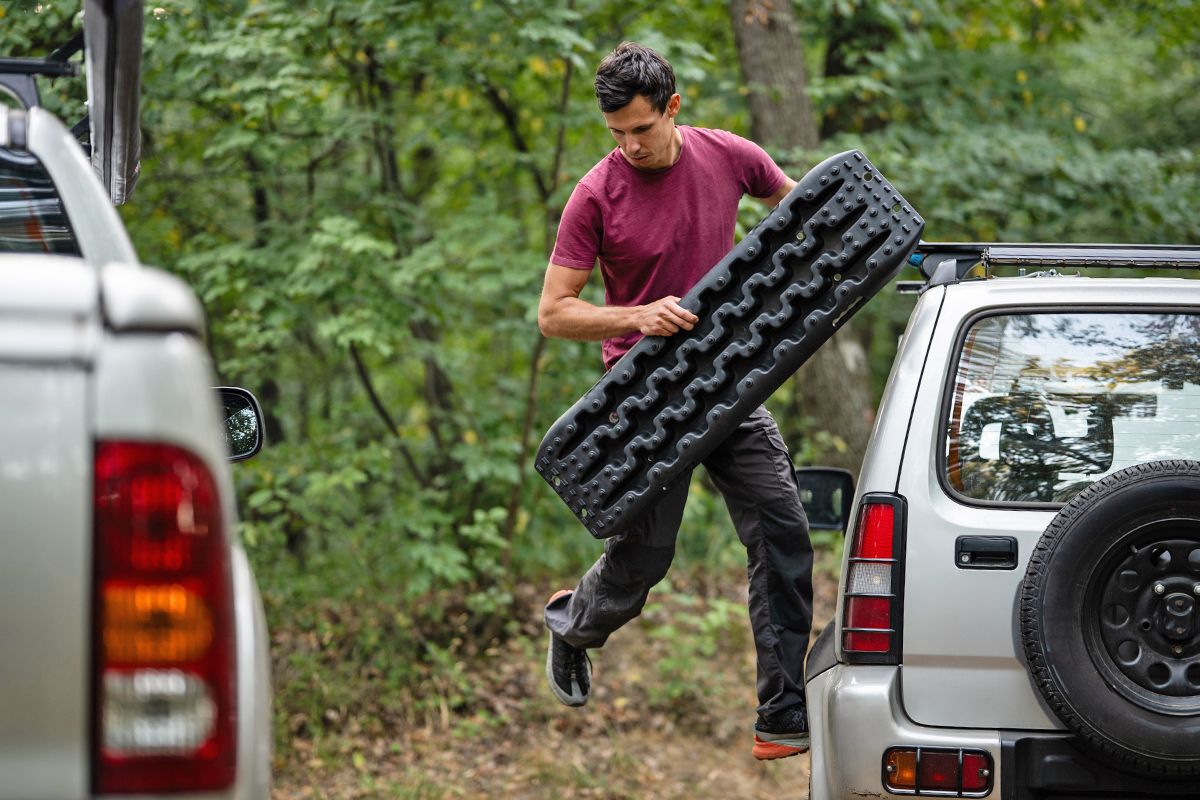
When the road is snowy or icy, your vehicle may struggle to get enough traction. Let’s say your driveway is angled slightly uphill, for example, and you keep pressing on the gas pedal, only to go nowhere. Or perhaps you had to pull off to the side of the road due to an emergency, and now your tires are spinning in the snow.
In these cases, traction mats can be a huge help. Clear out some space around your tires, place the mats underneath them in the direction you want to go, and press the gas. These durable and slip-resistant mats give your tire tread something to grip so that your car can move. Once you’re unstuck, roll up the mats, put them back into your car, and proceed on your way.
Winter Car Mats
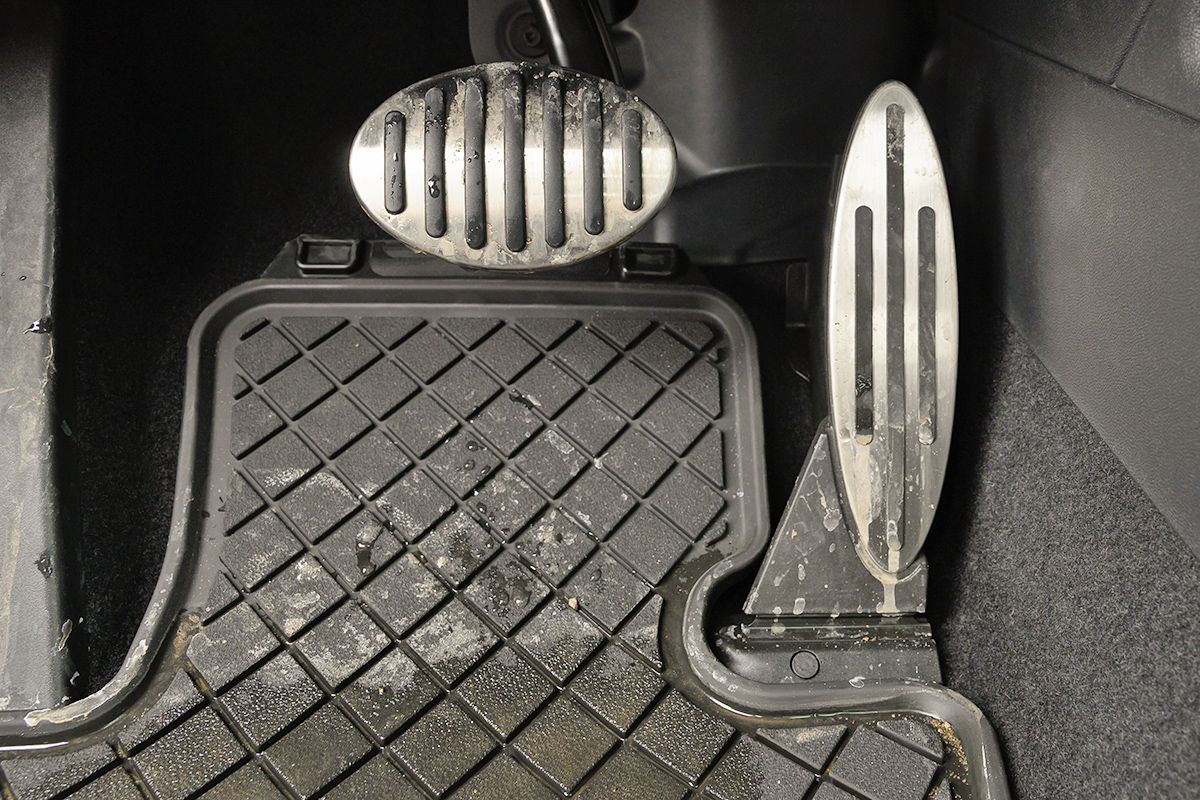
You may already have rubber mats on the floor of your car, but if you don’t, you may want to consider swapping out your regular mats for ones that are better suited to handle winter weather. Winter car mats are typically made of rubber (or a similarly durable material) and a bit wider than flimsier felt mats. They provide protection against moisture, an essential task considering how much snow you’ll likely track in on the bottom of your boots. They also protect the floor against salt, which can otherwise lead to corrosion. And once they’re installed, you can leave them in year-round — they’ll come in handy for capturing sand on your next beach day.
Featured Image Credit: © Ryan/Unsplash.com
More From Our Network
Better Report is part of Inbox Studio, an email-first media company. *Indicates a third-party property.






Bennett Kleinman is a New York City-based staff writer for Inbox Studio. He is also a freelance comedy writer, devoted New York Yankees and New Jersey Devils fan, and thinks plain seltzer is the best drink ever invented.
This article is for general informational purposes only.
Affiliate Disclaimer Medical Disclaimer Financial Disclaimer