6 Grocery Habits Costing You More Than You Think

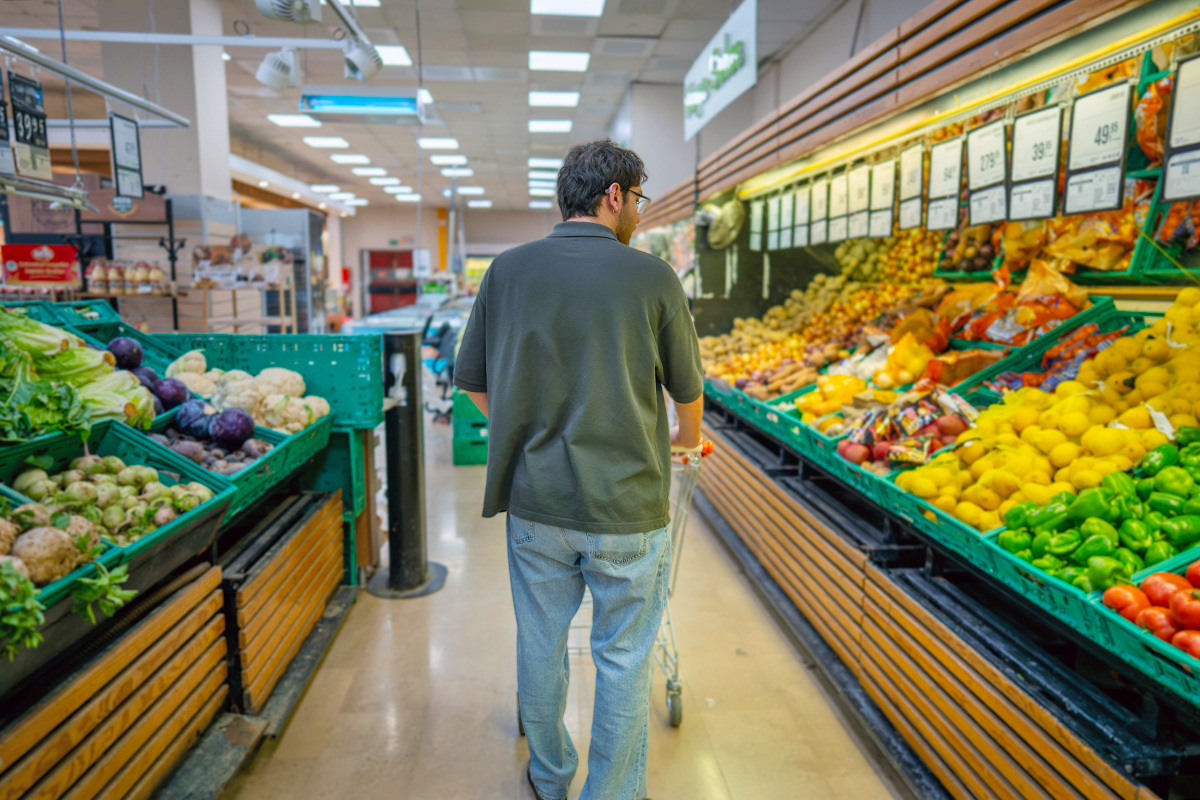
Grocery costs are a major pain point for Americans these days. A recent analysis by WalletHub showed that the average monthly cost of groceries for two people was roughly $573 in July 2026, up around 5% from 2023. Grocery bills often creep up thanks to small choices made repeatedly, rather than big splurges — which means making little tweaks can bring your bill back down. Here are six grocery habits that might be costing you over the long run.
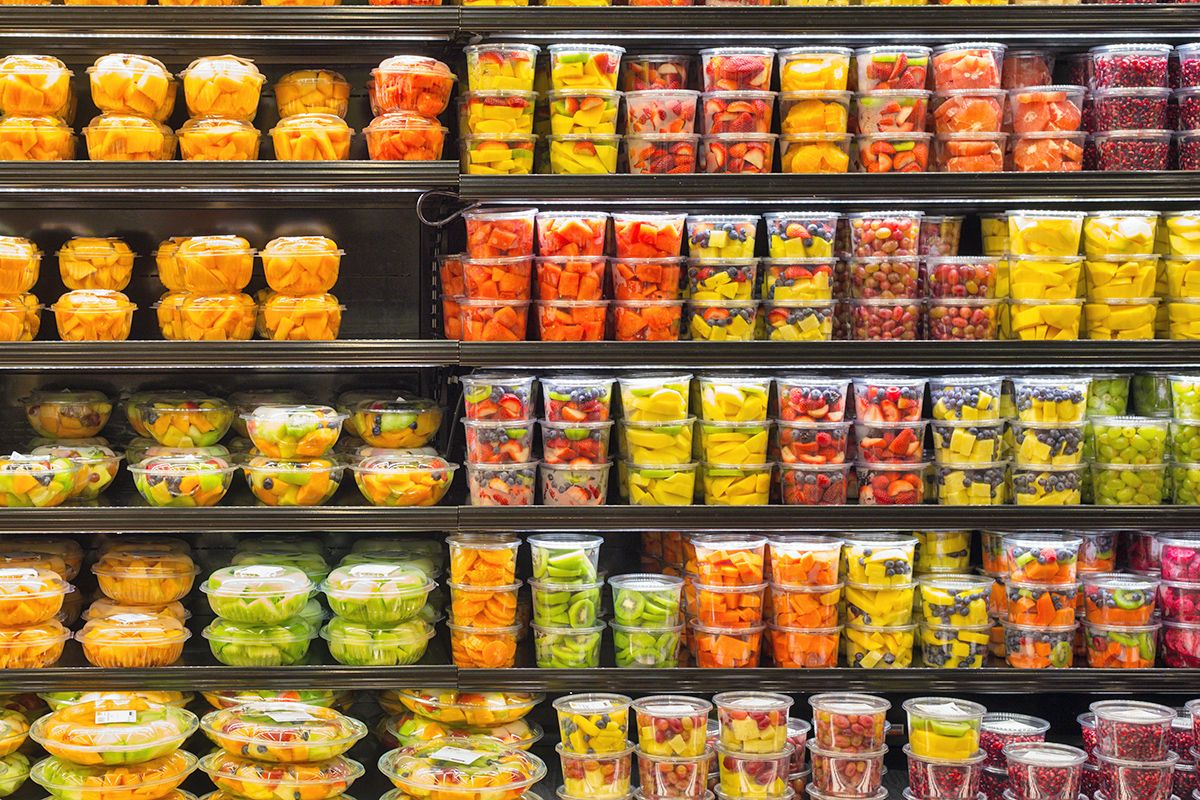
Paying for Convenience
It can be tempting to try to save a little time by purchasing food that’s already prepared, but doing so will cost you. Buying precut fruits and vegetables is more expensive than buying whole produce and preparing it yourself. Likewise, individual snack packs will cost more than snacks bought in bulk and divided up later. Frozen snacks, ready-made meals, and finished cakes and pastries also usually cost more than making those things at home. So opt for this kind of convenience only when it’s really necessary.
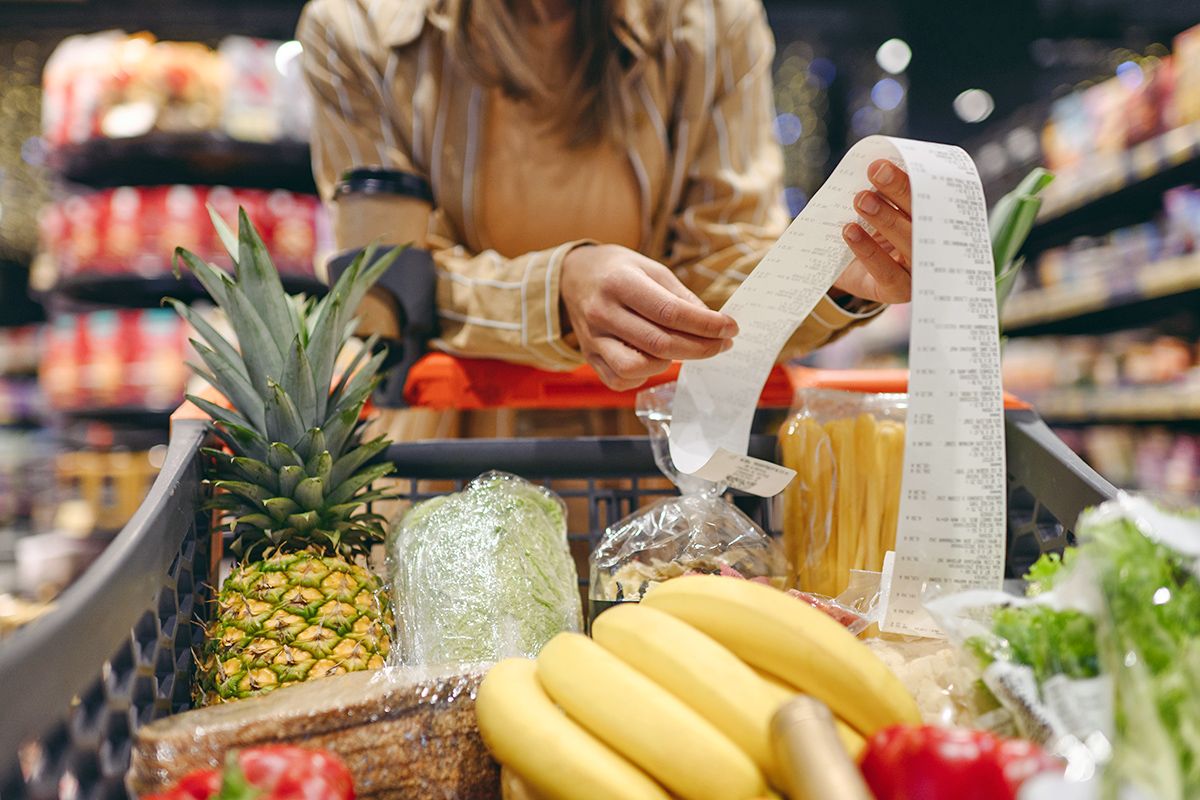
Shopping Without a Plan
Most of us have done a last-minute run to the store to grab just one thing, only to walk out with more than we intended. According to the meal planning app Meal Miser, people spend 40% to 60% more when they shop without a plan. Figuring out your meals in advance and writing a shopping list can help cut down on impulse buying, and streamline your trip as well.
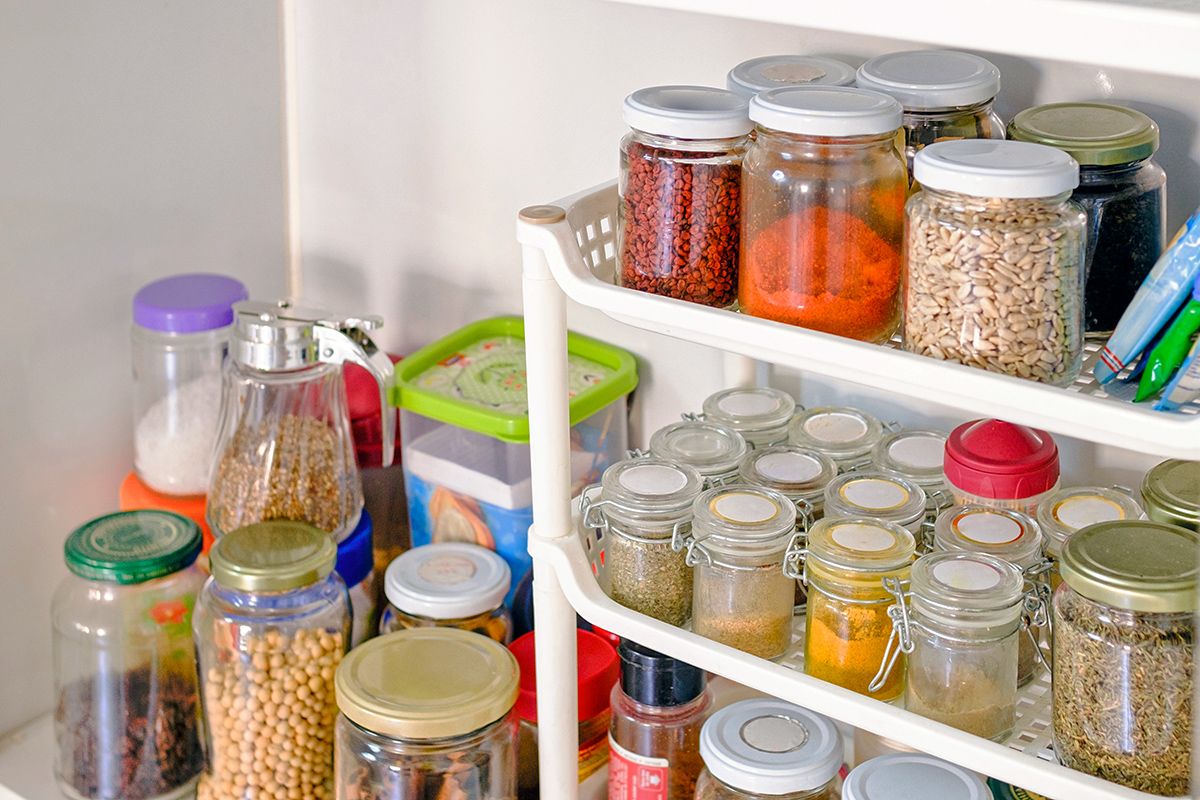
Buying More Than You’ll Use
Plenty of us have multiple jars of the same spice or condiment because we grabbed an extra when we couldn’t remember whether we had it at home — so taking stock of your cupboards and freezer before shopping can also save your grocery budget.
Once you know what you have, carefully consider what else you buy. Many shoppers have good intentions and buy lots of produce, only to throw it away because they didn’t use it fast enough. When it comes to items that expire, especially those that expire quickly, be realistic about what you’ll actually eat that week.

Reader Favorites




Not Comparing Prices
Once you settle on the items you need, don’t just buy the first version of those items that you come across. Consider the store brand, which is likely cheaper than a name brand. And when comparing items of different prices and sizes, look for the unit price on the shelf tag to determine which will get you the most bang for your buck. You should also sign up for the store’s loyalty card to get easy discounts. If you’re shopping online, compare stores to see which has the best final price on your list before placing an order.
Ignoring Seasons and Sales
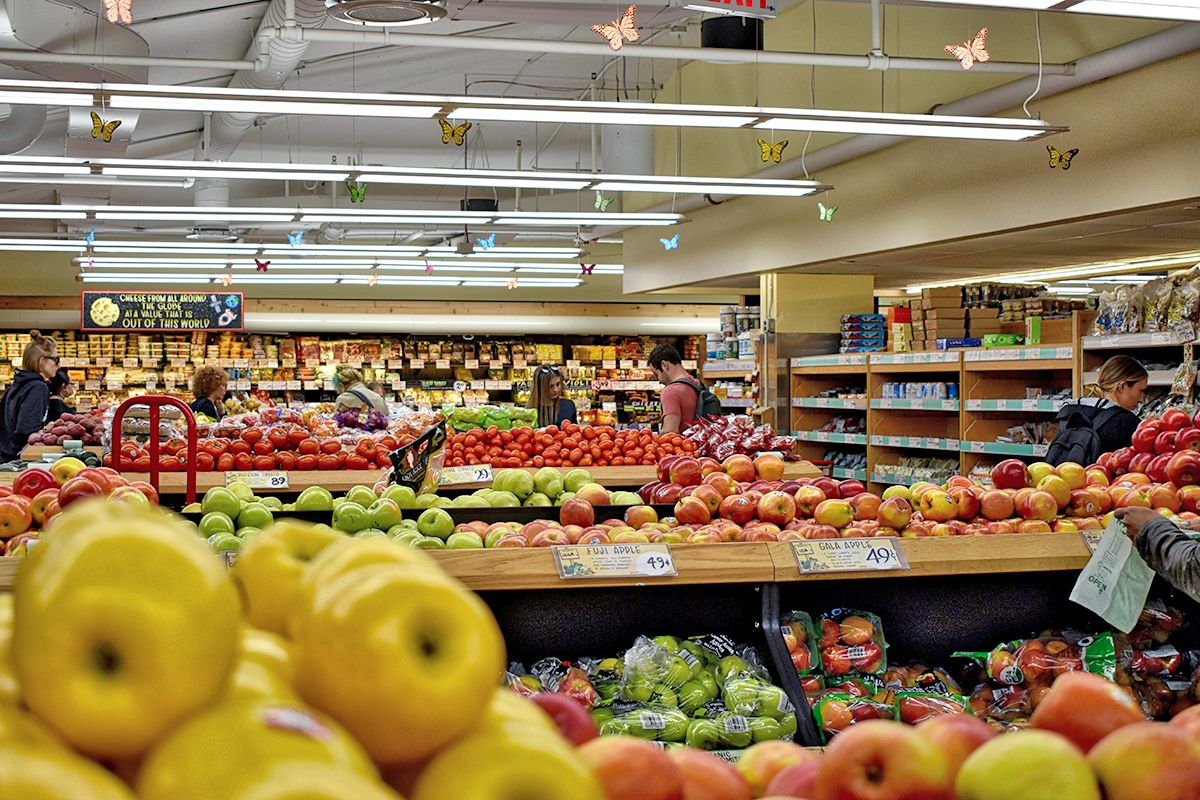
Adjusting your meals to use in-season produce, which is almost always cheaper, will cut your grocery costs and help keep your go-to recipes feeling fresh. You should also consult sales flyers and online deals to find out your local store’s weekly specials. When nonperishables are on sale, stock up.
Serving Meat Every Night
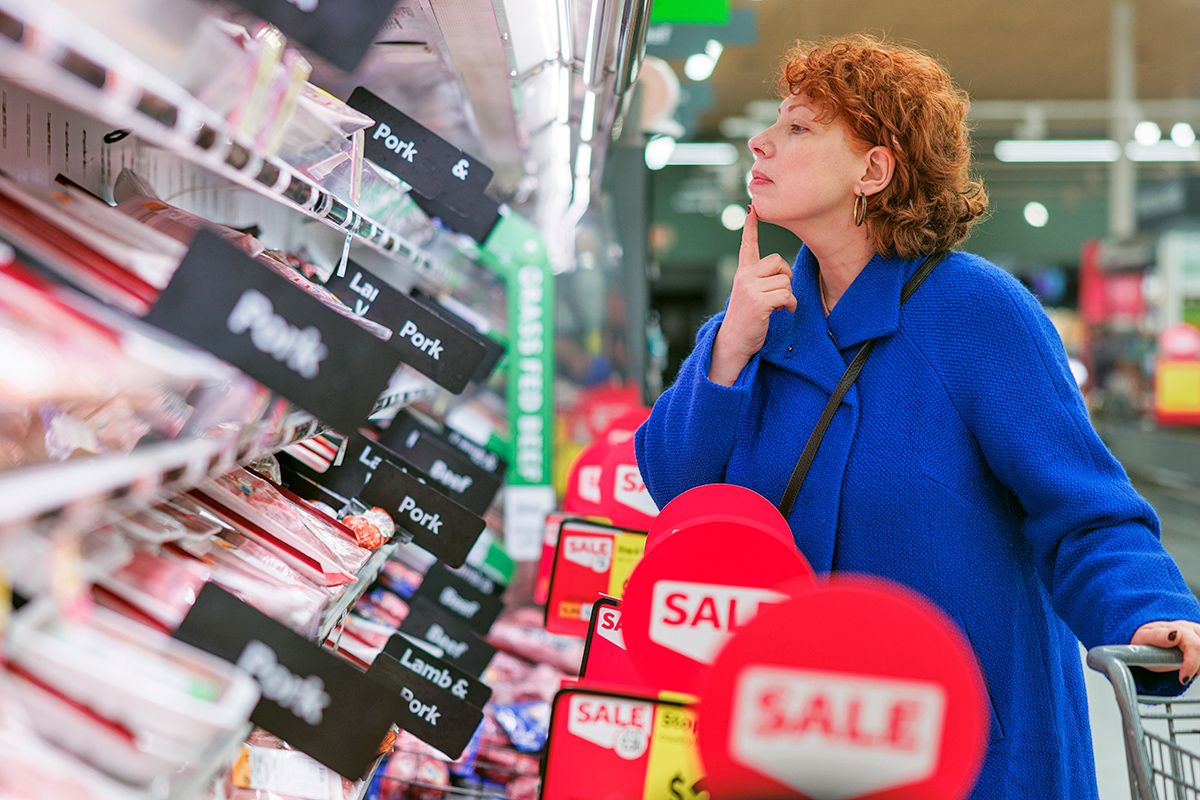
Meat is often the most expensive ingredient in a meal, and cutting it out even twice a week can save you a lot. Soups, chilis, and pasta are great options for budget meals that don’t require meat, or you can replace meat in some recipes with legumes or soy to help boost protein.
Overhauling your whole grocery budget all at once can be a challenge, so try picking one habit to change and see if it makes a small dent in the cost. You can add in new habits as you get used to the first ones and end up with serious grocery savings over time.
Featured Image Credit: © Onur Burak Akın/Unsplash.com
More From Our Network
Better Report is part of Inbox Studio, an email-first media company. *Indicates a third-party property.






Laura Falin is a freelance writer in Colorado who has written for Business Insider, BabyCenter, Colorado Parent Magazine, and more. She's an avid hiker who loves getting outdoors and taking ridiculously long road trips with her family.
This article is for general informational purposes only.
Affiliate Disclaimer Medical Disclaimer Financial Disclaimer