Do You Need To Worry About Surveillance Pricing?

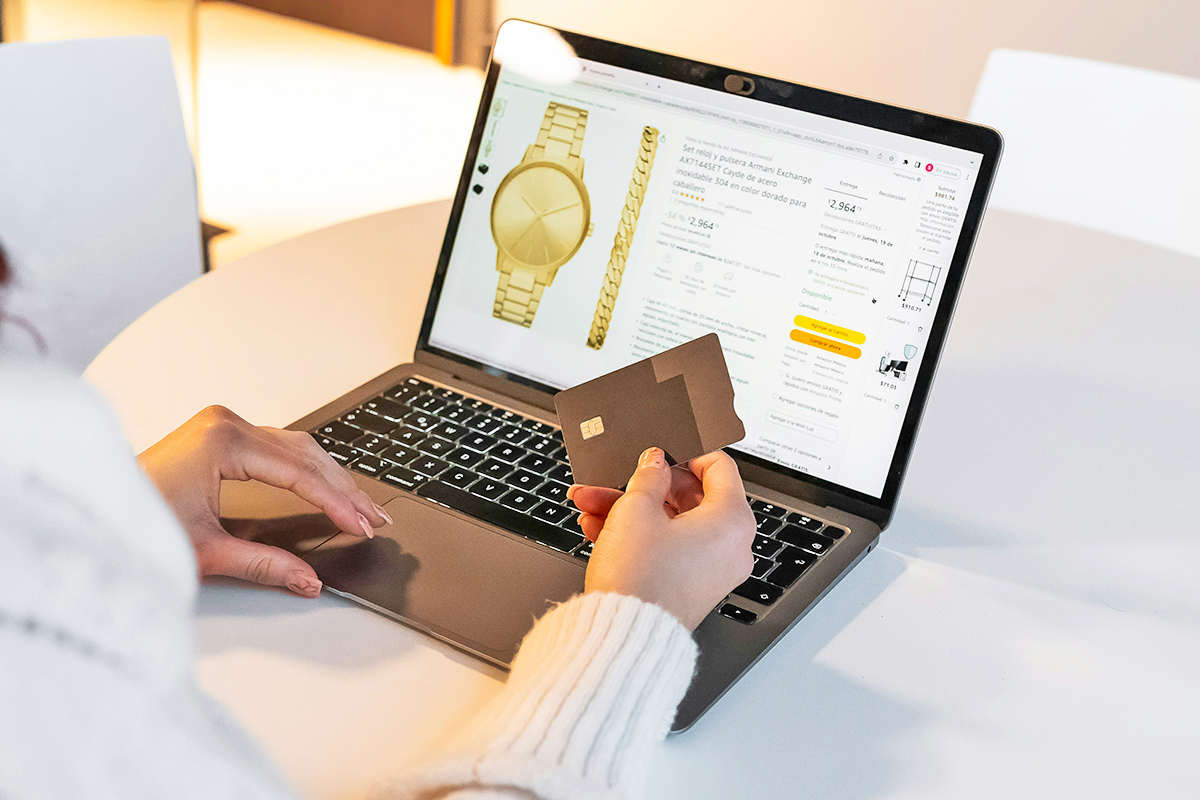
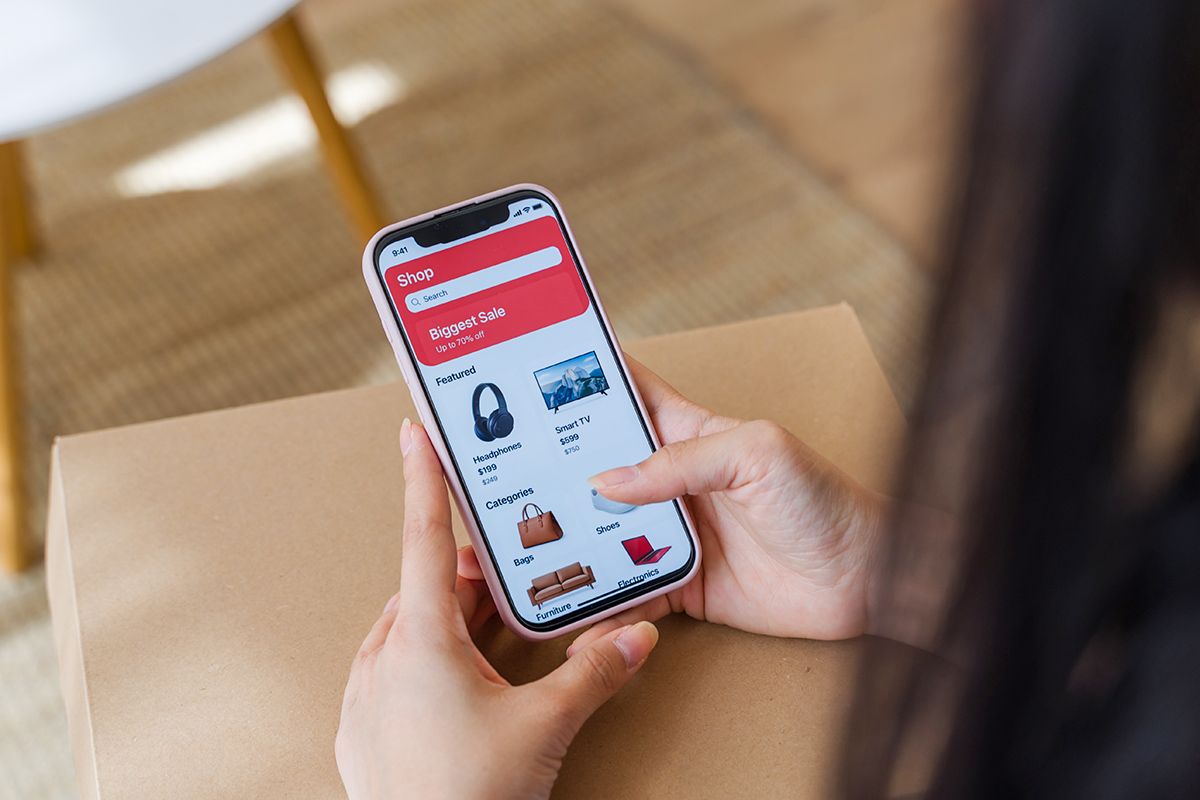
Most of us have had that experience where we’re shopping online and the jar of honey that we swear cost $4 last week has suddenly jumped to $6. Maybe you previously caught a sale without realizing it, or maybe you’re just seeing a price change. But there’s another possibility worth knowing about: Companies increasingly have sophisticated tools that can use information about individual shoppers to influence the prices, discounts, and offers they see.
The practice is known as surveillance pricing, and it raises an uncomfortable question: Could your personal data be affecting how much you pay?
Surveillance pricing is real, and companies have access to enormous amounts of information about consumers. But that doesn’t necessarily mean a retailer is secretly charging you more because it knows who you are. The technology can also determine who gets a discount, what products appear first, or which offer is most likely to make someone buy.

What Is Surveillance Pricing?
Surveillance pricing is essentially what it sounds like: A company uses information it has collected about you to determine what price, discount, offer, or other shopping experience you receive.
That makes it different from the dynamic pricing consumers are already familiar with.

Reader Favorites



“Dynamic pricing asks what the market will bear at a particular moment, while surveillance pricing asks what a particular shopper will bear,” says Noah M. Kenney, CEO and principal consultant at Digital 520, a global consulting firm specializing in privacy, cybersecurity, and responsible AI governance. “An airline raising fares as seats sell is using dynamic pricing. A retailer using your browsing history, location, and past purchases to decide which price or discount you see is using surveillance pricing.”
Kenney adds that “the two can also operate together, where market conditions establish the range and your profile determines where within that range you land.”
A 2025 Federal Trade Commission study found that companies providing pricing and marketing services to retailers and other businesses were collecting and using a wide range of information about consumers — including browsing activity, location, and purchase history — to help tailor prices and promotions.
The issue has also started making headlines beyond the world of online shopping. In December 2025, an investigation by Consumer Reports and advocacy groups found that some grocery items on Instacart were offered to different shoppers at different prices, with some price differences reaching 23%. Instacart later said it would end those pricing experiments.
The issue has prompted action from lawmakers, too. Maryland, Connecticut, and New Jersey have all passed laws restricting certain forms of surveillance pricing, particularly in grocery stores.That doesn’t mean every retailer is secretly charging each customer a different price, or that electronic shelf labels in your grocery store are evidence of surveillance pricing. But it does mean the technology to personalize what shoppers see is real — and it’s becoming enough of a concern that some states are taking action.
What Do Companies Really Know About You?
A company can learn a surprising amount from your behavior without you even realizing it, including how often you visit a product page, whether you regularly use coupons, what you’ve purchased, where you’re located, what device you’re using, and whether you’ve abandoned items in your shopping cart (which is why you’re always getting those email reminders).
“Those signals can be combined with demographic or purchasing data from outside sources,” Kenney says. “The system estimates how likely you are to buy under different offers and then selects a price, discount, fee, bundle, or product ranking.”
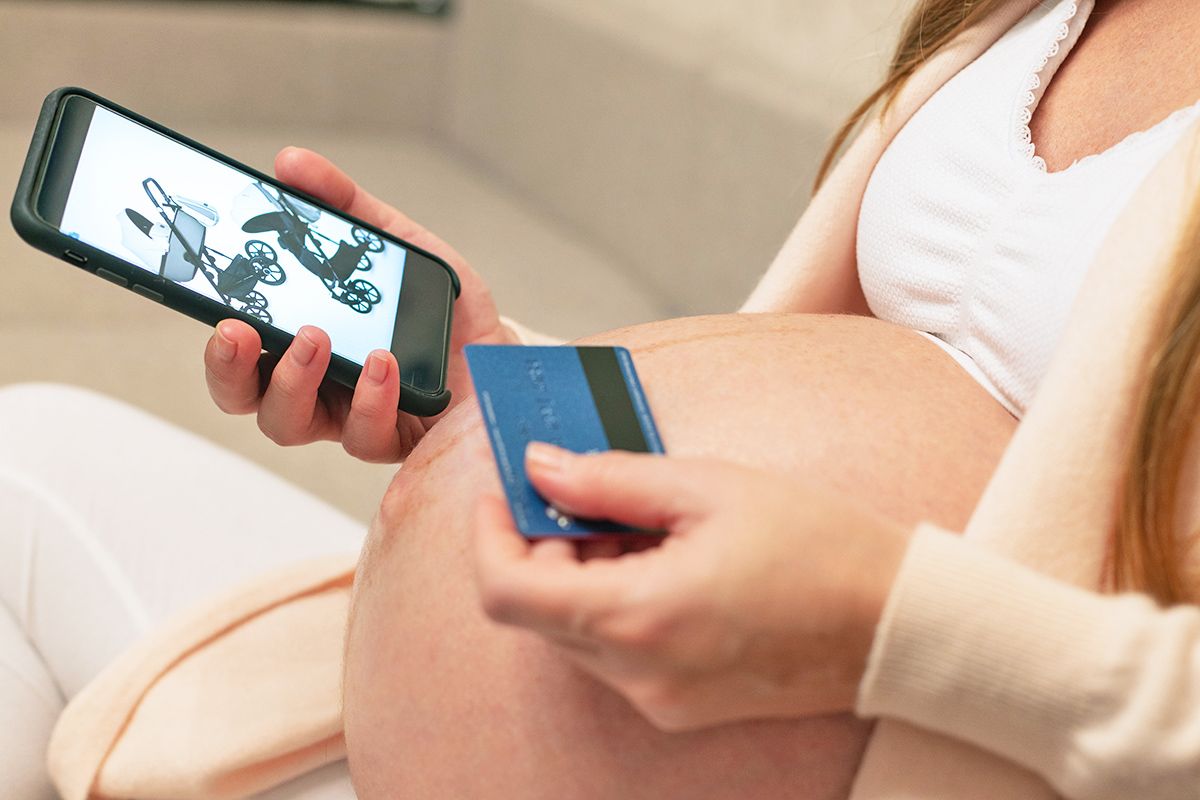
To illustrate how the practice works, imagine two shoppers looking to purchase the same stroller. One has abandoned several shopping carts in the past and usually waits for a sale to make a purchase. The other has repeatedly searched for the same stroller, rarely uses coupons, and appears ready to buy.
A retailer could potentially offer the first shopper a 15% discount while showing the second shopper the regular price — or presenting them with a more expensive stroller option first. The result can be different amounts paid by different customers.
“The retailer never has to raise the sticker price,” Kenney says. “It can charge the second shopper more simply by withholding the discount.”
How Common Is Surveillance Pricing?
The technology and data infrastructure behind personalized pricing are widely available, but exactly how often companies use them to set individualized prices is harder to determine.
The FTC found that the pricing intermediaries it examined had worked with at least 250 clients and had access to data capable of influencing prices and promotions. But much of the underlying information was kept confidential, making it difficult to determine how often retailers are actually using that data to charge individual shoppers different prices.
“The infrastructure is widespread, but the public evidence of individualized sticker prices is still limited,” Kenney says. “We can say with confidence that personalized discounts and product rankings are common, but we know much less about how often a retailer quietly assigns a unique base price to one person.”
That uncertainty makes the practice difficult to measure. “This is unknown,” Mark J. Tremblay, an assistant professor of economics in UNLV’s Lee Business School, tells Better Report. “Firms do not want consumers to know, so the behavior is never disclosed.”
Tremblay says researchers are working on ways to test how prevalent personalized pricing is in real-world data, but “this is very challenging to do.”

So, Have You Been Scammed?
Probably not. But you may have been profiled.
The most alarming version of surveillance pricing would be a retailer deciding you’re willing to pay $100 for something another shopper gets for $80, then charging you the higher price because of what it knows about you. But that’s not exactly what’s happening.
“Most consumers have probably encountered surveillance pricing through a loyalty offer, app-only coupon, retention discount, or the order in which products appear,” Kenney says. “The headlines tend to focus on two people seeing different sticker prices, but the effective price matters more. If one shopper receives a $20 coupon and another does not, the company has charged them different prices even if both saw the same original price.”
The goal of surveillance pricing isn’t necessarily to make every customer pay the maximum possible price. It’s to figure out which customers need an incentive to buy and which don’t. That makes surveillance pricing harder to spot: The “normal” price you see may simply be the price the retailer determined you’re most likely to accept.

How Can You Tell If It’s Happening?
There’s no simple way to find out whether your personal data affected a price. But you can try a few comparisons.
Try checking the price of an item while you’re logged out of a retailer’s website, then check again after logging in. You can also compare the price on another device or browser, or ask someone else to check the same product at roughly the same time.
But don’t immediately treat a difference as proof of surveillance pricing.
Prices can vary because of inventory, location, shipping costs, timing, ordinary promotional testing, and a host of other factors. A different price is a reason to investigate, not necessarily evidence that a company has singled you out.
How To Protect Yourself
You don’t have to jump through privacy hoops every time you shop online. The easiest defense, Kenney says, is to make the retailer compete with itself.
Before buying, try these steps:
Check the price while logged out. If you’re already signed in to a retailer’s site, open a private window and compare the offer.
Compare the final price, too. A coupon, membership discount, or shipping fee can change the actual amount you’ll pay, so don’t stop at the listed price.
Check another retailer. Shopping around is still one of the most effective ways to determine whether the deal you’re being offered is actually a good one.
Use privacy controls. If a retailer offers privacy settings or lets you opt out of certain forms of data collection, take advantage of them.
For now, surveillance pricing may be less of an immediate threat than a trend worth watching. The technology is evolving, companies are collecting more consumer data than ever, and lawmakers are still figuring out where to draw the line. As more retailers experiment with personalized offers and pricing, it could become increasingly difficult for consumers to know whether they’re getting the same deal as everyone else.
As for whether it’s legal, no clear line has yet been drawn, and the FTC plans to continue to study the practice. Still, Tremblay says that surveillance pricing isn’t necessarily a bad thing.
“It is worth noting that price discrimination is not bad for everyone,” he says. “If you wait, then you’ll probably get a discount. Also, if there are multiple sellers, then firms might undercut each other to get you as a consumer. It has always been important to shop around. That is true now more than ever.”
Featured Image Credit: © Julio Lopez/Unsplash
More From Our Network
Better Report is part of Inbox Studio, an email-first media company. *Indicates a third-party property.






Jennifer M. Wood has been writing about news, entertainment, culture, and travel for longer than she cares to admit. She lives just outside Philadelphia with her husband and an ever-growing menagerie of rescue pets.
This article is for general informational purposes only.
Affiliate Disclaimer Medical Disclaimer Financial Disclaimer