The Nostalgic Car Protection Device That’s Making a Comeback

All featured products and deals are selected independently and objectively by the author. Better Report may receive a share of sales via affiliate links in content.
In 1994, Friends made its television debut, Disney’s The Lion King ruled the box office, Ace of Base’s “The Sign” was the biggest song on the radio, and millions of people were using The Club to keep their cars safe from thieves.
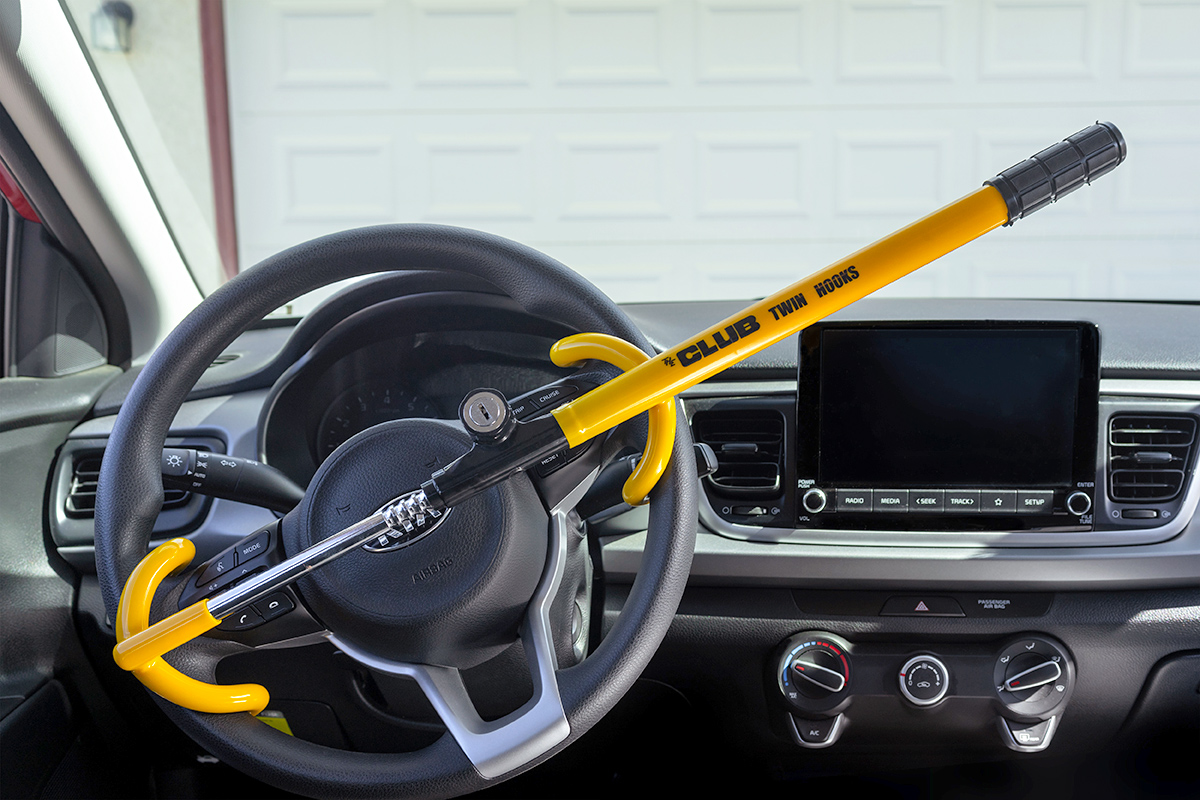
The rudimentary anti-theft device, which was first introduced in 1986, was little more than a strangely shaped, bright red steel bar. But by the mid-1990s, more than 10 million of them had been sold.
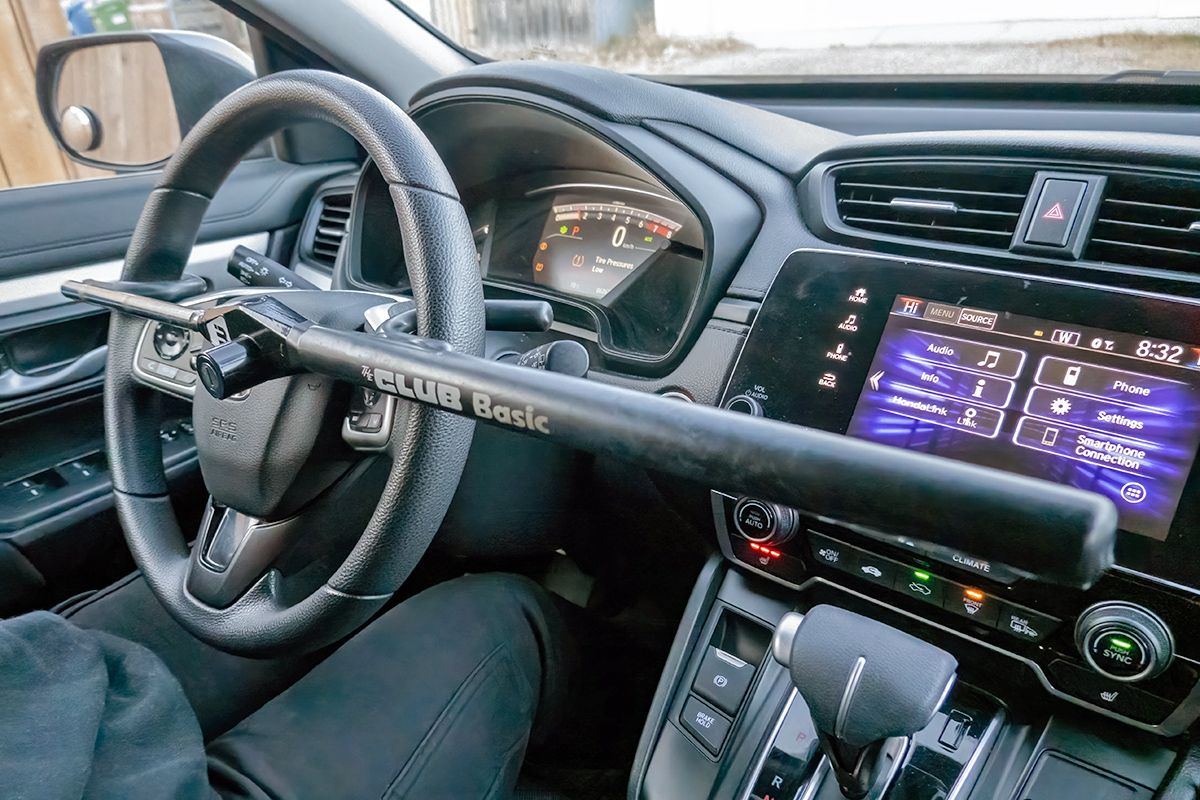
The concept was simple: Attach the bar to your steering wheel, and it becomes difficult for a would-be thief to turn the wheel far enough to drive away. The idea was even summed up in The Club’s trademarked slogan: “If you can’t steer it, you can’t steal it.”
But as automakers added more sophisticated security features such as alarms and keyless-entry systems, the scarlet steering wheel lock became a less common sight. Cars.com noted in 2015 that drivers were less likely to see The Club in the wild thanks to newer technologies such as smart key immobilizers and GPS tracking. Its time in the spotlight seemed to be at an end, but The Club wasn’t about to be relegated to the rearview mirror.

Call It a Comeback
The idea behind The Club isn’t so dated. Earlier this year, Toyota introduced its own steering wheel lock in Australia as part of its response to a surge in high-tech vehicle theft, particularly targeting its LandCruiser SUVs. The lock is designed to serve as both a physical barrier and a highly visible warning to would-be thieves — essentially bringing a very ’90s anti-theft idea into the 21st century.

Reader Favorites



But The Club never actually went away. Winner International, the Pennsylvania company behind the device, still sells the original steering wheel lock along with several newer versions. (You can buy your own on Amazon in a range of prices, sizes, and colors.) And now, the decidedly low-tech device appears to be finding a new, and growing, fan base.
The renewed interest makes sense. Vehicle theft remains a problem even as overall theft rates have fallen dramatically. The National Insurance Crime Bureau (NICB) says 659,880 vehicles were reported stolen in the U.S. in 2025, down 23.2% from the previous year. That’s still one vehicle stolen every 48 seconds, which is a headache no driver wants to endure.
The NICB specifically lists steering wheel locks among the additional anti-theft measures car owners should consider, alongside audible alarms, kill switches, and aftermarket GPS trackers like AirTags. This isn’t merely theoretical advice: In 2023, Chicago police recommended steering wheel locks to owners of Kia and Hyundai vehicles, which had become particularly popular targets for thieves. At the time, the city had recorded more than 21,000 vehicle thefts on the year, its highest total in 16 years.
The appeal of The Club is partly that it’s impossible to miss. A thief approaching a vehicle can immediately see that there’s another obstacle between them and the driver’s seat, presumably making it more likely for them to keep walking.
That visibility was central to the product’s original pitch. While critics at the time noted that thieves could get past The Club if they really wanted to, reps for the device admitted it wasn’t designed to make a vehicle impossible to steal. It was intended to make the car a less attractive target.
Stolen Memories
The device’s story began with its inventor, James E. Winner Jr., after his Cadillac was stolen despite having a factory-installed alarm. Winner — who passed away in 2010 — reportedly remembered using chains to secure military vehicles while serving in Korea and adapted the basic idea into a steering wheel lock. Winner International was established in 1986, and The Club eventually became a ubiquitous fixture in American driveways and parking lots.
By 1994, The Club had become such a phenomenon that The Washington Post reported that its sales “accounted for nearly $100 million of the $130 million U.S. market for steering wheel and related locks.” The product, according to Winner International, had also achieved an astonishing 95% national brand awareness.
So why is a product that became an era-marking plot point in the beloved 1996 movie Swingers still around? Because sometimes the old-fashioned solution has one advantage that all the invisible technology in the world can’t quite replicate: You can see it.
Featured Image Credit: © Felipe Sanchez/stock.adobe.com
More From Our Network
Better Report is part of Inbox Studio, an email-first media company. *Indicates a third-party property.






Jennifer M. Wood has been writing about news, entertainment, culture, and travel for longer than she cares to admit. She lives just outside Philadelphia with her husband and an ever-growing menagerie of rescue pets.
This article is for general informational purposes only.
Affiliate Disclaimer Medical Disclaimer Financial Disclaimer