




Are Your Prescription Drugs About To Cost More?



Health care costs for Americans are at an all-time high. A recent analysis published by the Centers for Medicare & Medicaid Services (CMS) projected that the U.S. spent $5.7 trillion on health care in 2025. That number marks a 7.3% increase from the previous year, with spending expected to reach $6 trillion this year. Prescription drugs are a significant part of that bill.
While some prescription drug costs have been falling — federal data shows that prices fell 0.8% in July and were down 3.1% from a year earlier, the largest annual decline in more than six decades — that doesn’t necessarily mean your own prescription costs are getting cheaper. What you actually pay can depend on your insurance plan, deductible, copay or coinsurance, pharmacy, drug coverage, and whether you take a brand-name or generic drug.
And now, there’s another potential source of higher costs coming in 2027.
Approximately 25 million Americans with Medicare could see their prescription drug coverage get more expensive next year when a temporary federal program that has helped keep Medicare Part D premiums in check ends.
Here’s what could happen to prescription drug costs, who’s most likely to be affected, and what you can do now to prepare.

The Part D Subsidy Is Ending
The program, known as the Part D Premium Stabilization Demonstration, was created as Medicare made major changes to its prescription drug benefit under the Inflation Reduction Act.
The voluntary program provided insurers with additional financial support to help keep premiums from rising sharply under the new benefit rules. It launched on January 1, 2025, and was initially expected to continue through at least 2027.
But CMS announced in July that it will discontinue the program at the end of this year, saying that insurers have now had “sufficient experience under the redesigned Part D benefit to support their assumptions in developing the prescription drug plan bids.”
That doesn’t mean Medicare Part D is going away. What is ending is the temporary financial assistance intended to stabilize premiums. And that distinction matters.

Reader Favorites




What Will You Pay in 2027?
It’s too early to know exactly how much individual premiums will change.
The subsidy reduced the average monthly premium for stand-alone Part D plans by about $26 in 2025 and $16 in 2026. Without that assistance in 2027, some beneficiaries could face larger premium increases.
CMS has already set the 2027 national base beneficiary premium — the benchmark amount used to calculate premiums for Medicare Part D plans — at $41.33, compared with $38.99 in 2026, but that’s not necessarily the amount any individual beneficiary will pay.
Check the CMS newsroom for the final 2027 Medicare Advantage and Part D plan information, including premiums. Actual premiums vary by plan and location, so your costs could be higher or lower.

Who Will Pay More?
The people most directly affected are beneficiaries enrolled in stand-alone Medicare Part D prescription drug plans, rather than people who get their prescription coverage through Medicare Advantage, a private insurance alternative to traditional Medicare that typically bundles hospital, medical, and prescription drug coverage.
In 2026, the average monthly premium for drug coverage was about $36 for stand-alone Part D plans, compared with about $8 for Medicare Advantage plans with drug coverage, according to KFF. Many Medicare Advantage plans offer drug coverage with no additional monthly premium.
That doesn’t necessarily mean Medicare Advantage is cheaper overall, since beneficiaries also need to consider deductibles, copays, provider networks, and other out-of-pocket costs.

Why Lower Drug Prices May Not Lower Your Bill
Even when drug prices fall, the savings don’t necessarily reach every patient.
Some of the recent decline in overall drug prices is tied to factors including Medicare’s new ability to negotiate prices for certain high-cost drugs and the arrival of generic competitors as patents expire. The Trump administration has also negotiated agreements with drugmakers and launched TrumpRx, although experts have questioned how much of the recent decline can be attributed to those efforts.
Meanwhile, other pressures, including expensive specialty medications and the growing use of GLP-1 drugs, could continue to affect Part D plans in 2027 and beyond. So even if the average price of prescription drugs continues to decline, your own prescription costs could still go up.
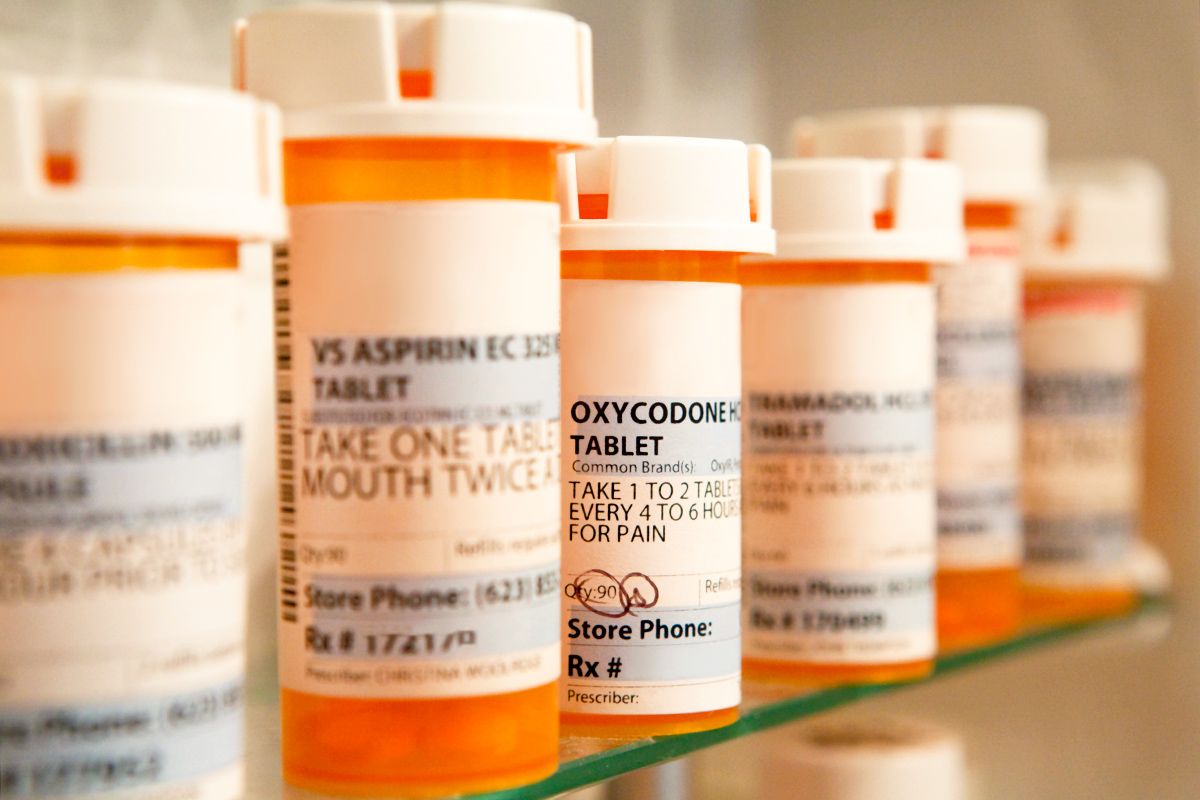
How To Lower Your Prescription Costs
If you have Medicare, the most important thing you can do is review your coverage during open enrollment instead of automatically renewing the plan you already have.
Medicare plans can change their premiums, deductibles, copays, and preferred pharmacies from year to year. A plan that was the best deal for you this year may not be the best deal next year.
You should check:
Your premium and medications. Make sure every prescription you take is covered and check which tier each drug falls into. A plan that costs a few dollars more per month could still save you money overall if it charges less for the medications you take.
Your deductible and copays. Don’t look at the monthly premium alone. Consider what you’re likely to spend on your actual medications.
Your pharmacy. Some plans offer lower prices at preferred pharmacies, so make sure your usual pharmacy is still a good choice.
Generic alternatives. Ask your doctor or pharmacist whether a generic or other lower-cost alternative is appropriate.
Medicare’s online Plan Finder lets beneficiaries compare plans based on their medications and estimated annual costs.
The best way to save on prescriptions isn’t necessarily to find the lowest premium; it’s to find the plan that gives you the lowest total cost for the drugs you actually take.
Featured Image Credit: © DragonImages/stock.adobe.com
More From Our Network
Better Report is part of Inbox Studio, an email-first media company. *Indicates a third-party property.





Jennifer M. Wood has been writing about news, entertainment, culture, and travel for longer than she cares to admit. She lives just outside Philadelphia with her husband and an ever-growing menagerie of rescue pets.
This article is for general informational purposes only.
Affiliate Disclaimer Medical Disclaimer Financial Disclaimer


