The Safety Rules for Candles You Probably Don’t Know

All featured products and deals are selected independently and objectively by the author. Better Report may receive a share of sales via affiliate links in content.
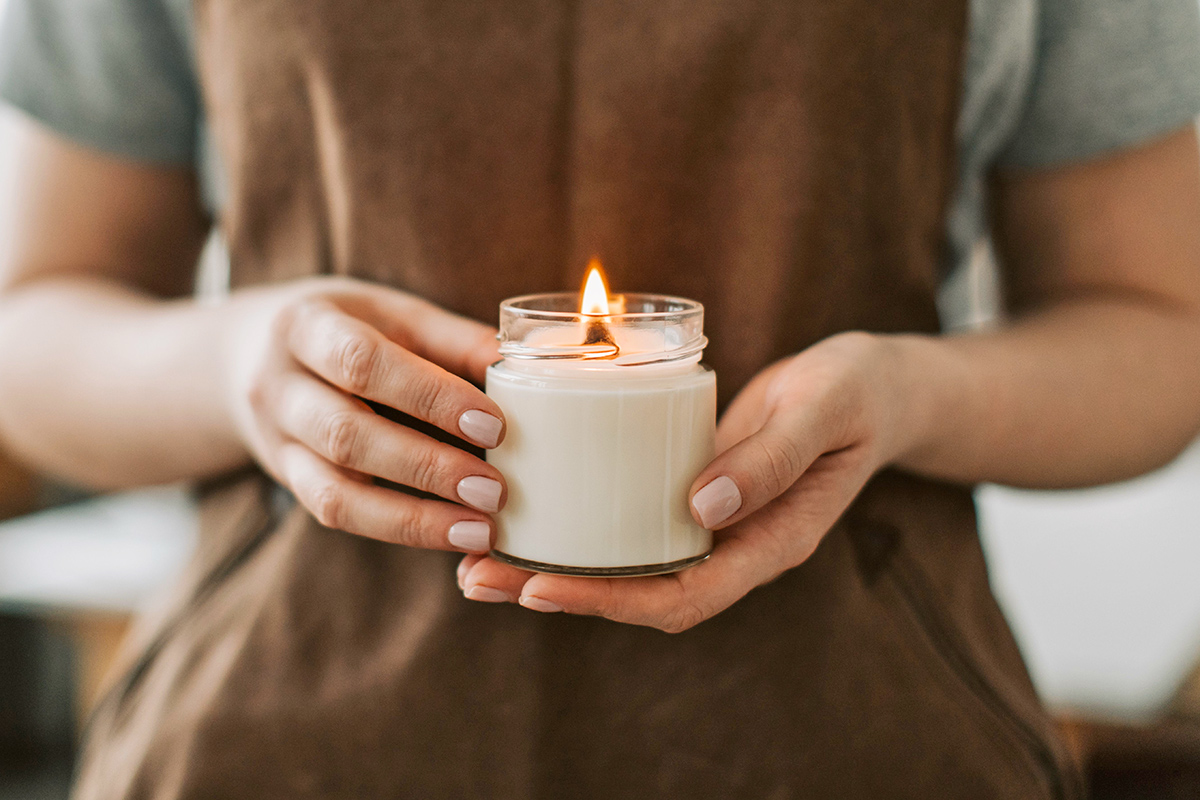
Candles are a simple way to make a room feel cozier and smell better. They’re affordable, easy to find, and make a great housewarming or white elephant gift. But they’re also easy to get careless with. Let’s be honest: How many times have you left a candle burning unattended — maybe in the bathroom, or in the kitchen while you head to the dining room for dinner — despite knowing better?
That’s one safety rule you may be knowingly breaking, but there are plenty of others you may not even be aware of. You can find them in small print on the bottom of your candles, and they’re there for a reason. According to the National Fire Protection Association, an average of 20 home candle fires are reported each day. Here’s what you need to keep in mind the next time you light that wick.

Always Trim the Wick
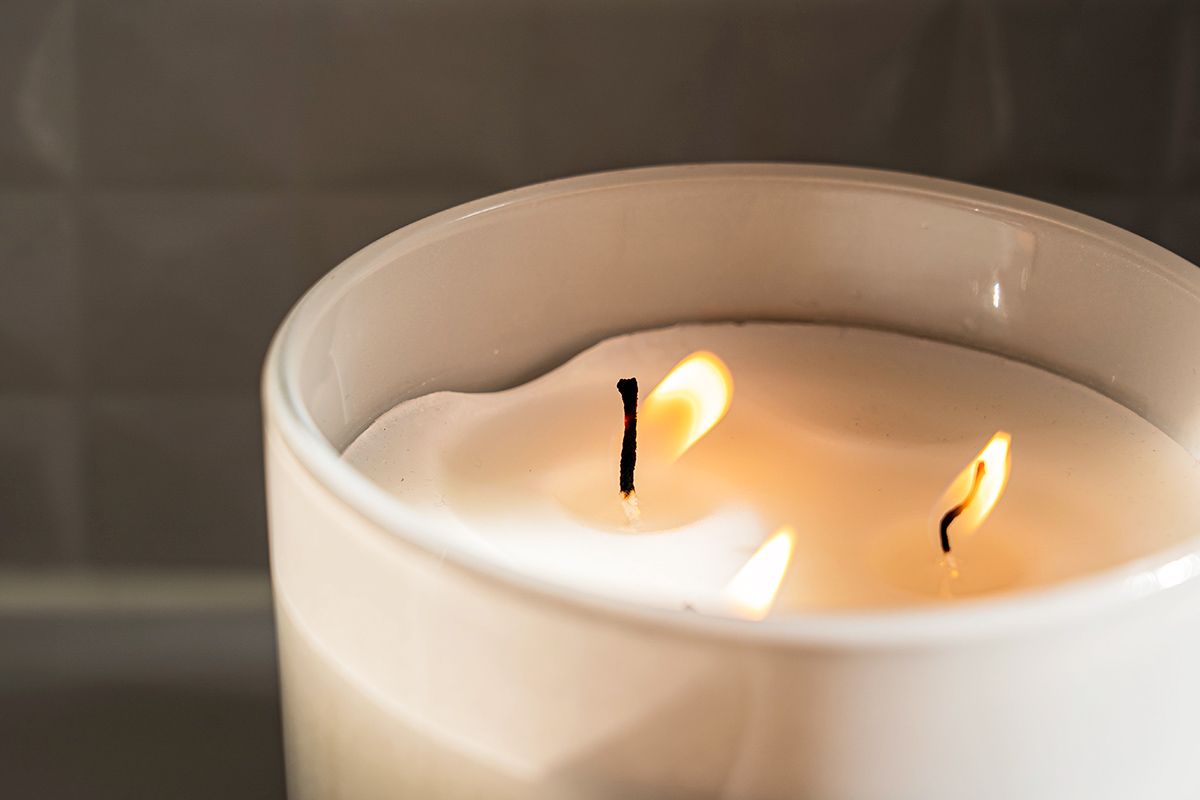
This is the rule almost nobody follows. Before each burn, trim the wick down to about ¼ inch. A long wick burns a taller, hotter flame that flickers, throws soot, and can flare up without warning. A short wick keeps the flame small and steady, and therefore safer. One more thing: Keep the wick trimmings and spent matches away from melted wax — anything floating in there is just added fuel to the fire (literally).

If Your Candle Is in a Glass Container, Don’t Burn It All the Way Down
Here’s the reasoning for this lesser-known rule: As a candle burns low, heat builds up in its container, and without a lot of wax to absorb the heat, the temperature of the glass climbs. This can cause it to crack or, in extreme cases, shatter. To avoid that situation, stop burning your candle when about ½ inch of wax is left.

Reader Favorites




Cap Burns at Four Hours
Long, uninterrupted burns are another no-no. The longer a flame is lit, the more heat is transferred to the wax and the glass. Eventually, the wax can reach what’s called the flash point, which is when the wax itself catches on fire, causing the glass to break. Extended burns can also cause issues with soot that clog the wick, leading to improper burning that could cause the candle to explode.
Only Burn Candles in Containers Made for Candles
That thrifted juice glass or cute mason jar might look charming with a candle in it, but not all glassware is built to take the heat. Glass made for candles is manufactured to handle the temperature swings of a burning flame; regular glass isn’t. You should also be cautious during cleanup: Never scrape wax off of a glass holder with a knife or other sharp tool. Doing so can scratch the surface of the glass, weakening it enough to crack the next time you light the candle.
Set a 1-Foot Perimeter on All Sides
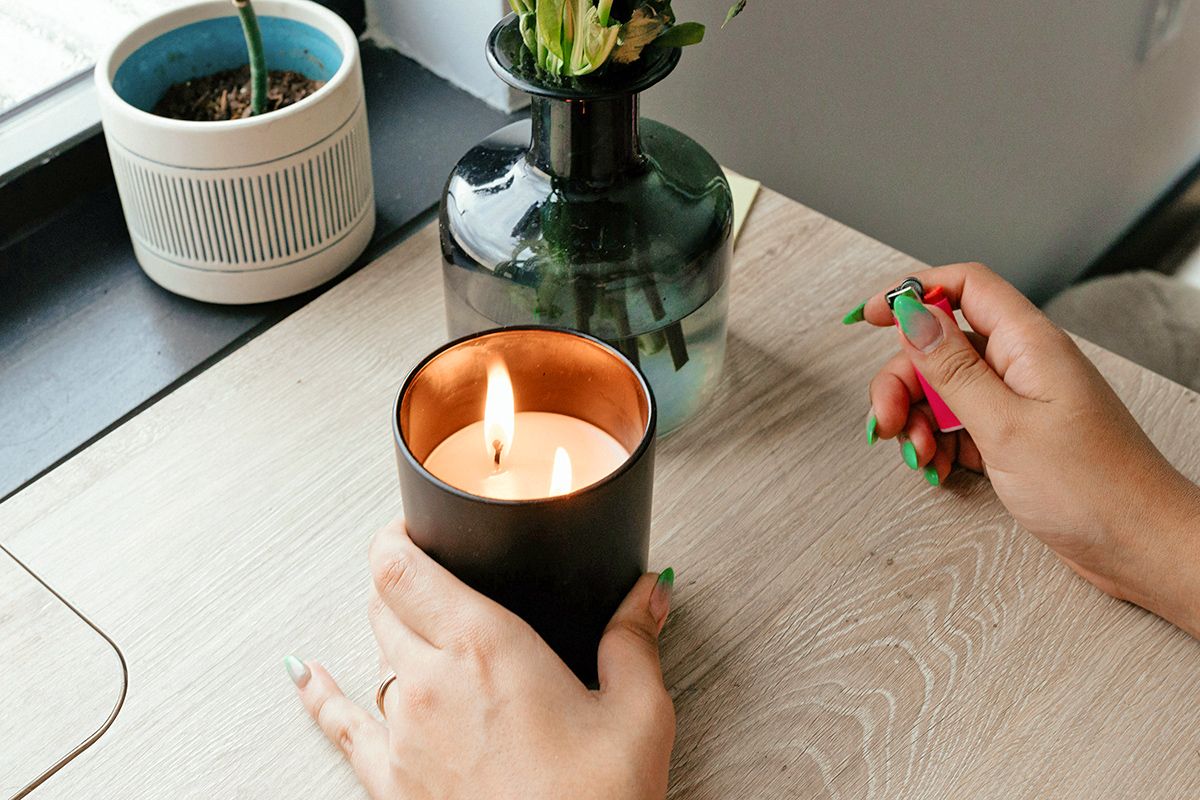
A candle needs at least 12 inches of clearance from anything that can catch — curtains, bedding, books, that stack of napkins on the dining table. It sounds obvious until you notice how often a lit candle ends up tucked next to something flammable. Burning several candles at once? Allow about 3 inches of space between them. If grouped too tightly, the candles can generate enough heat to cause them all to flare up.
Keep Candles Away From Drafts
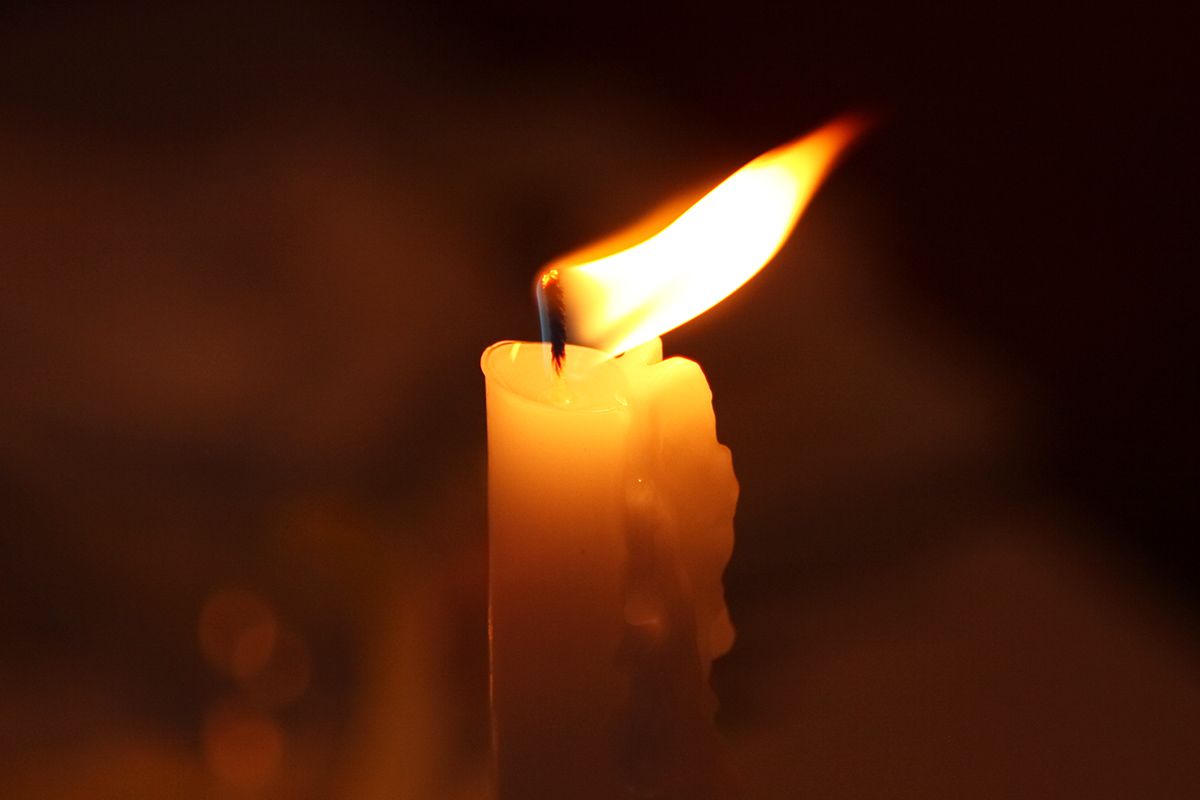
The goal with candles is a calm, steady flame, so avoid putting yours in spots near open windows, ceiling fans, or air vents. Drafts will push the flame around and disturb its teardrop shape, which can mean more soot. A draft can also send a flame leaning toward whatever’s nearby (another reason for at least 12 inches of clearance!).
Never Put Out a Candle With Water
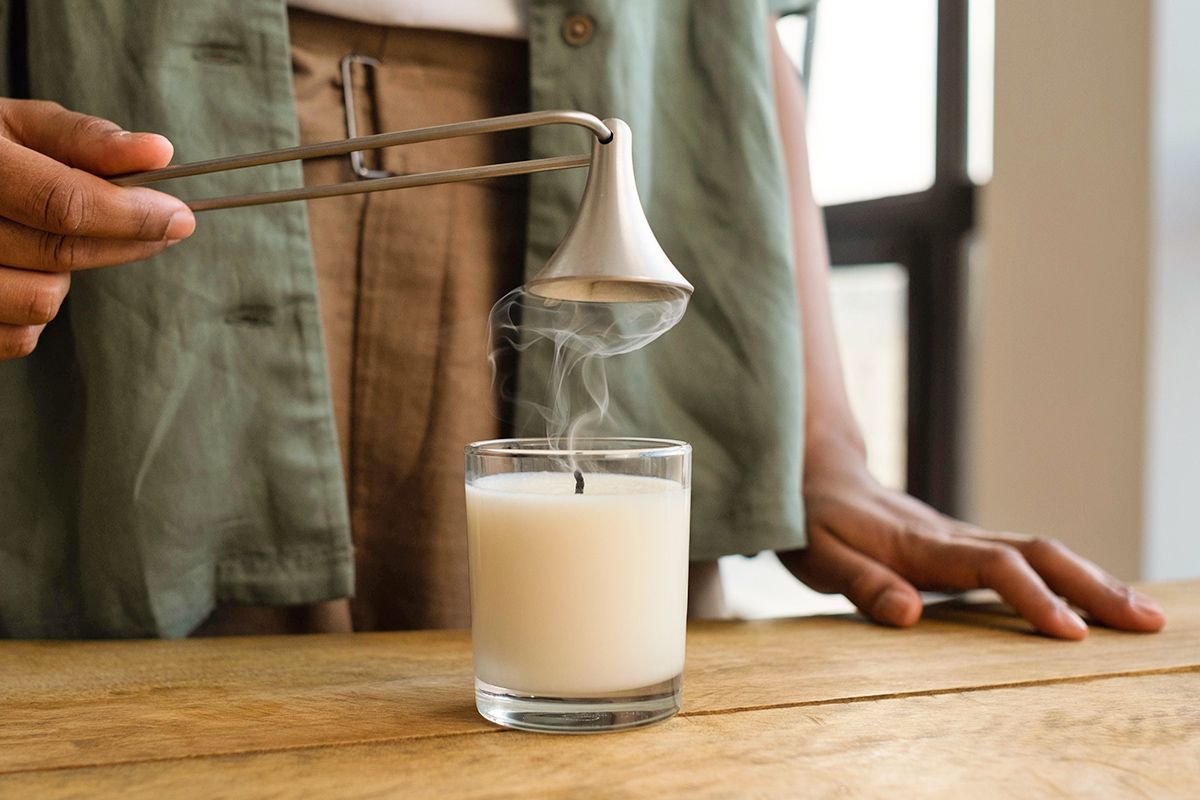
It’s tempting to splash a little water on a flame that won’t go out, but doing so can make hot wax splatter or even crack the glass. (It’s also why the rim of the tub or a spot right beside the sink isn’t a great home for a lit candle — a few stray drops are all it takes to create a wax fire, which a writer for The Kitchn called “an instantly huge fireball.”) Use a snuffer instead, or set the lid on top to starve the flame of oxygen.
Don’t Walk Away — or Fall Asleep
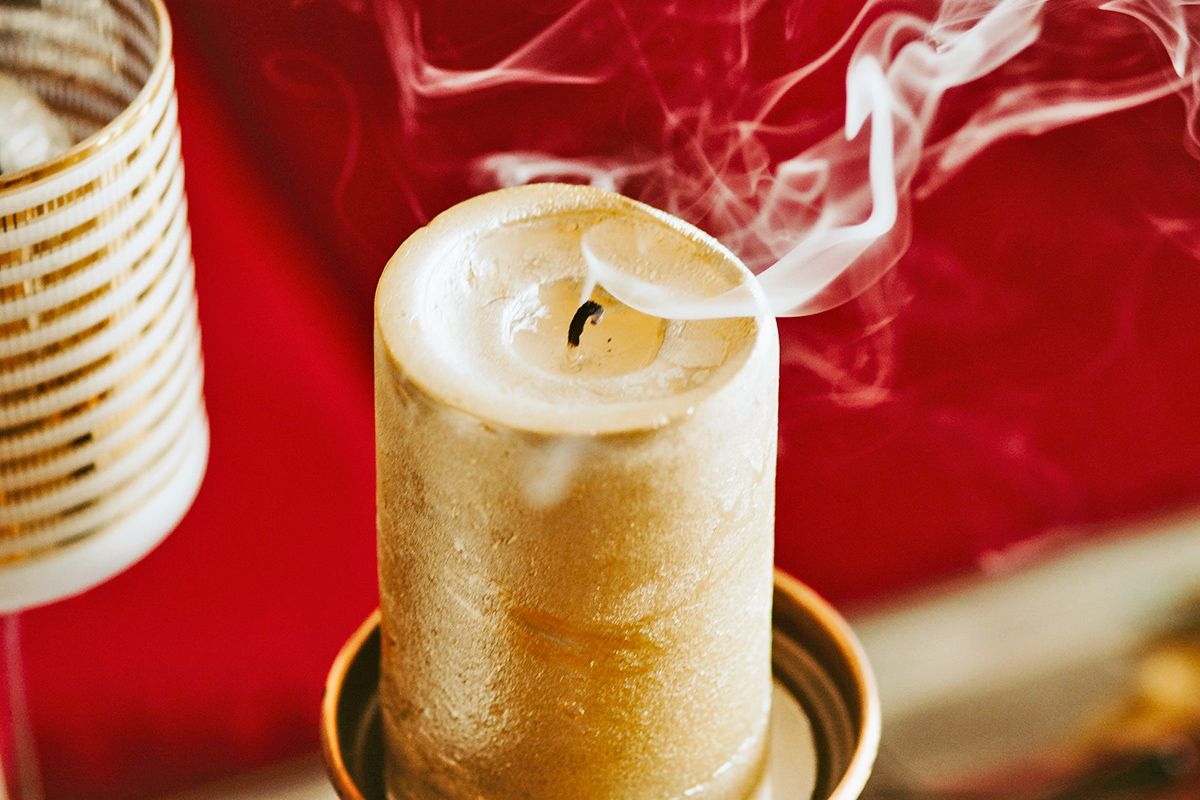
The oldest rule still gets broken constantly. Blow out every candle before you leave the room, and keep them out of bedrooms or places where you may nod off.
The bottom line? Read the label on the candle — that fine print is there for a reason. And if you’d rather skip the flame altogether, you can use a candle warmer or pick up some battery-powered flameless candles that look (and smell!) like the real thing.
Featured Image Credit: © Vlada Karpovich/Pexels.com
More From Our Network
Better Report is part of Inbox Studio, an email-first media company. *Indicates a third-party property.







Erin Scottberg is a Brooklyn-based writer, garden designer, and houseplant expert — and the founder of Full Sun Studio (fullsun.studio), a garden design and plant consulting studio in New York City. She holds an Urban Horticulture Certificate from Brooklyn Botanic Garden, an NYC Street Tree Pruner License, and an NYC Master Composter Certification, and spent three years as Head of Content and Education at The Sill. When she's not working, you can find her creating in her textile studio, running craft nights in her neighborhood, or hanging with her rescue pup, Sunny. She's an ambitious DIYer, avid composter, and has never been able to walk by a thirft store without taking a look.
This article is for general informational purposes only.
Affiliate Disclaimer Medical Disclaimer Financial Disclaimer