Is It OK To Snack Before Paying at the Grocery Store?

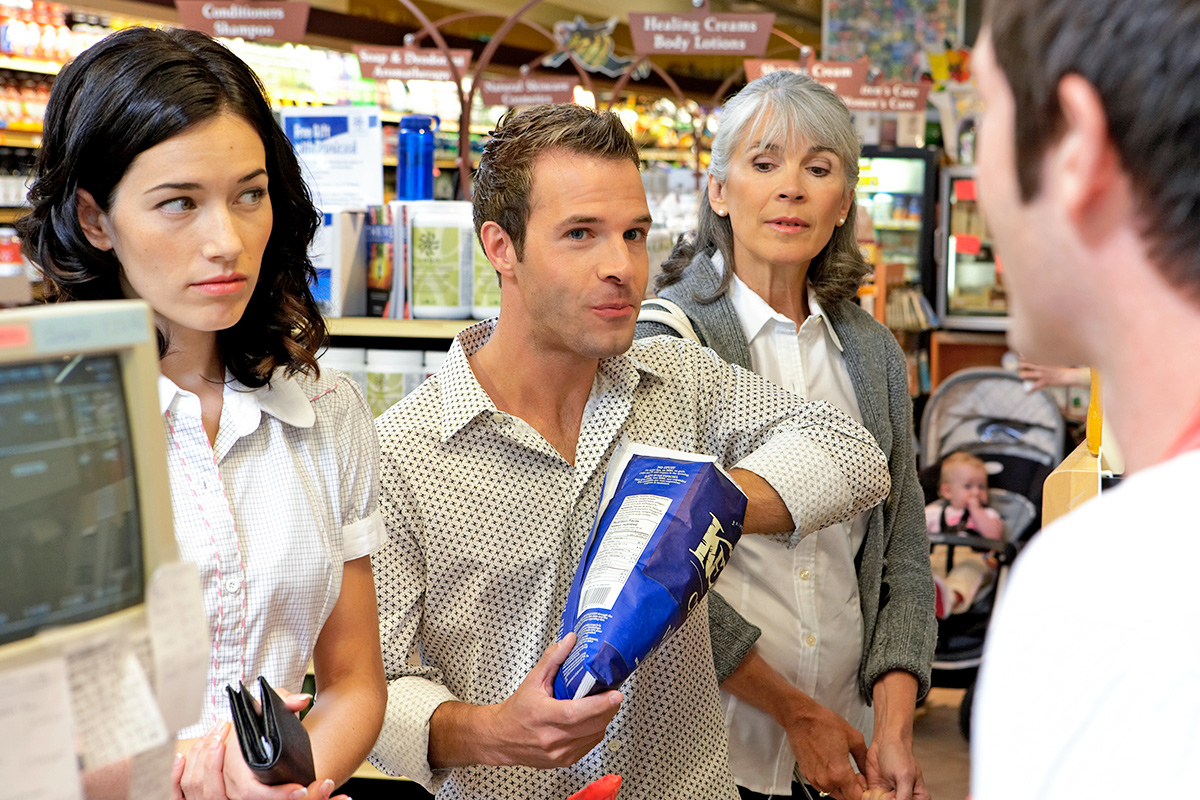
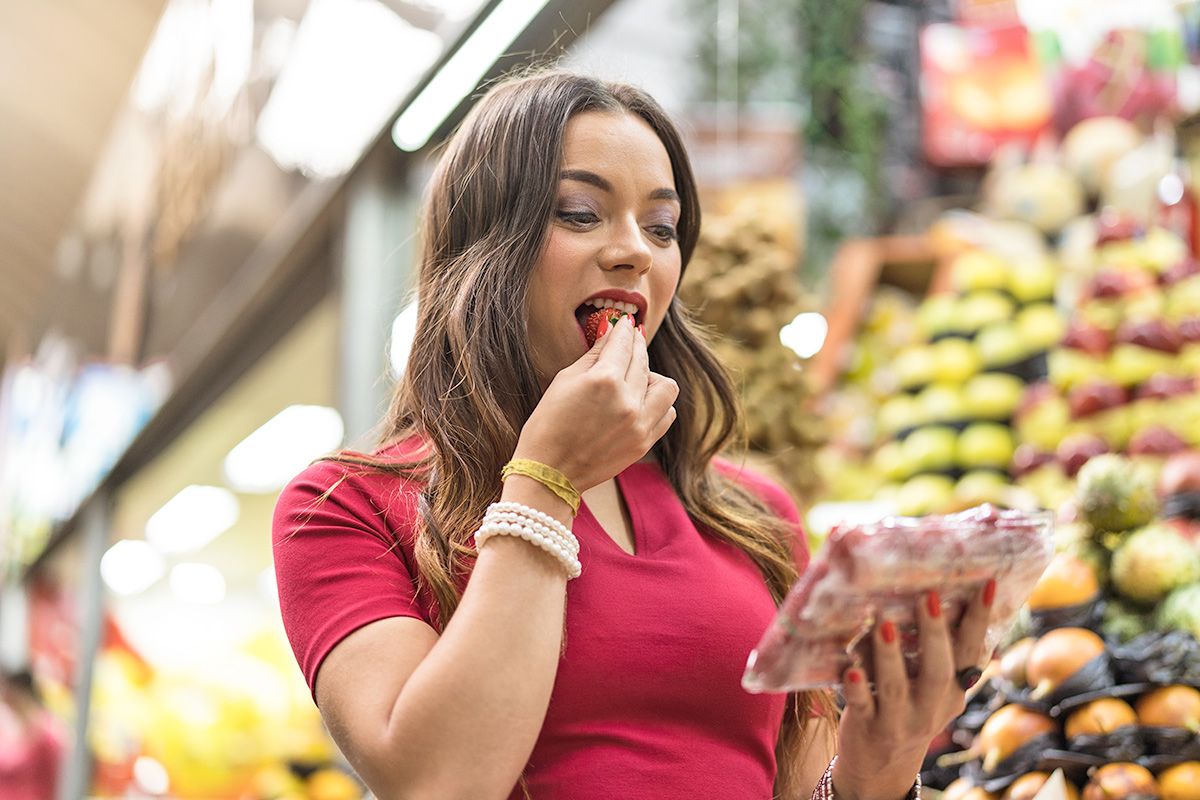
As you wander through the grocery store, that package of Double Stuf Oreos in your cart may seem to call to you like the sirens called out to Odysseus. But should you give into that temptation to snack before paying, or is doing so strictly taboo?
The answer differs depending on whom you ask, but there are several factors to consider when you feel tempted to snack before reaching the checkout lane.

Is It a Crime?
In terms of criminality, intent matters. If a customer snacks on something with the full intent of paying later on, it’s not necessarily illegal. However, there’s a concept known as “shopkeeper’s privilege” that allows merchants to detain suspected shoplifters. Even if you snack with no ill intent, a peeved merchant can still accuse you of wrongdoing. To avoid any accusations that you’re trying to steal, never be sneaky about in-store snacking — keep that open bag of pretzels on top of your cart rather than tucked in your pocket, as that shows you have little to hide.

Reader Favorites


Be aware, though, that if the food you’re noshing on is measured by weight, that can be a criminal matter. It’s not hard to see why: The cost of a bag of chips isn’t going to change if you eat half of it, because the barcode pulls up the same price no matter what. But if you decide to take a few bites of an apple that costs $2.99 per pound, you’re decreasing the weight of the item — and lowering its price.
Is It Against Store Policy?
Even if snacking isn’t criminal, it may violate store policy. In an article for Reader’s Digest, author Charlotte Hilton Andersen recounted her time working in a grocery store, where employees were told to ask customers not to eat in the store. A store may not actively enforce this rule, but its employees can refuse service to anyone in the future — so if you choose to keep snacking after someone has asked you not to, you risk being banned by those who deem your conduct to be egregious.
Is It Bad Manners?
Whether snacking on store goods before buying is a breach of etiquette depends on whom you ask.
According to I’Talia McCarthy — general manager of a Chicago-based food co-op — nonweighted items and bottles of soda are OK. However, foods with strong smells or ones that create crumbs for employees to clean up later should not be consumed inside the store.
Etiquette expert Jo Hayes is notably stricter. “Eating should be kept for eating situations, like restaurants or at the kitchen table,” Hayes told Reader’s Digest. If shoppers all chose to snack whenever they felt like it, then “grocery stores would descend into chaos,” she noted. Snacking also makes the checkout process more difficult for cashiers, who may be forced to scan empty bags, banana peels, or other messy containers.

So, Should You Snack or Hold Back?
At the end of the day, snacking in the supermarket depends on the situation, the store, and whom you ask. The only way to avoid stepping on toes is to wait to snack until you’re in your car or back home — minus any free samples that the store might be handing out, of course.
If you do choose to snack, stick to foods with minimal odor and limited cleanup so as to avoid ruining anyone else’s supermarket experience, and never snack on food priced by weight — that’s theft.
Featured image Credit: © Noel Hendrickson—DigitalVision/Getty images
More From Our Network
Better Report is part of Inbox Studio, an email-first media company. *Indicates a third-party property.




Bennett Kleinman is a New York City-based staff writer for Inbox Studio. He is also a freelance comedy writer, devoted New York Yankees and New Jersey Devils fan, and thinks plain seltzer is the best drink ever invented.
This article is for general informational purposes only.
Affiliate Disclaimer Medical Disclaimer Financial Disclaimer