5 Small Changes You Can Make To Decrease Your Risk of Dementia


More than 6 million people in the U.S. live with dementia, and that number is predicted to double in the next 30 years.
There is good news, though: Up to 45% of the risks of dementia may be modified through lifestyle changes and medical interventions, according to the World Health Organization (WHO). Many of these relatively small changes can have big impacts, especially if you address them in midlife, when most of the dementias that are diagnosed in a person’s 70s or 80s originate.
Here are five things you can do to lower your risk — and, incidentally, improve your overall health — according to the WHO’s recently updated guidelines.

Eat a Balanced Diet
Fruits and vegetables, whole grains, legumes, and nuts are the key components of several eating plans associated with better brain health. Consuming a balanced diet rich in these foods becomes more important as you get older because it helps to prevent and manage Type 2 diabetes, cardiovascular disease, and other known dementia risk factors.
While the WHO report doesn’t judge one healthy eating plan as better than others, it does suggest that a whole-diet approach — getting a broad spectrum of nutrients from a variety of foods — is more effective than focusing on increasing or decreasing your consumption of single nutrients.
Related to that finding, the report saw little evidence that vitamin supplements lowered dementia risk. “Supplementation of vitamins B and E, omega-3 polyunsaturated fatty acids (PUFA), and multivitamins/minerals is not recommended” for the purpose of reducing cognitive decline, the authors wrote.

Reader Favorites




Make Sure You Socialize
The effects of socializing on cognition aren’t easy to quantify in randomized controlled studies, but the authors still recommended social activity to reduce the risk of cognitive decline, indicating that the benefits outweighed any possible downsides. The WHO found that “cognitively stimulating activities” in a social setting, like playing board games, volunteering, or taking a nature walk with friends, reduced overall dementia risk and decreased loneliness and social inactivity specifically, which are considered risk factors for dementia.

Engage in Physical Activity
Exercise is thought to help brain health both directly —through improved neuroplasticity — and indirectly, because it contributes to better circulation and immune function and decreases inflammation. The WHO report strongly recommends physical activity for adults with normal cognition and mild cognitive impairment to avert cognitive decline. Some evidence demonstrated that physical activity with structured social engagement, such as group classes or walking clubs, can enhance the positive effects and encourage participants to stick with the programs.
Physical activity also improves cardio fitness, muscle strength, and balance, and may reduce the risk of falls and bone fractures. Falls causing injury have been associated with a 21% greater risk of a subsequent dementia diagnosis than other kinds of injuries, according to a 2024 study of nearly 2.5 million older adults. Be sure to speak with your doctor before starting a new fitness program.
Manage Your Chronic Conditions
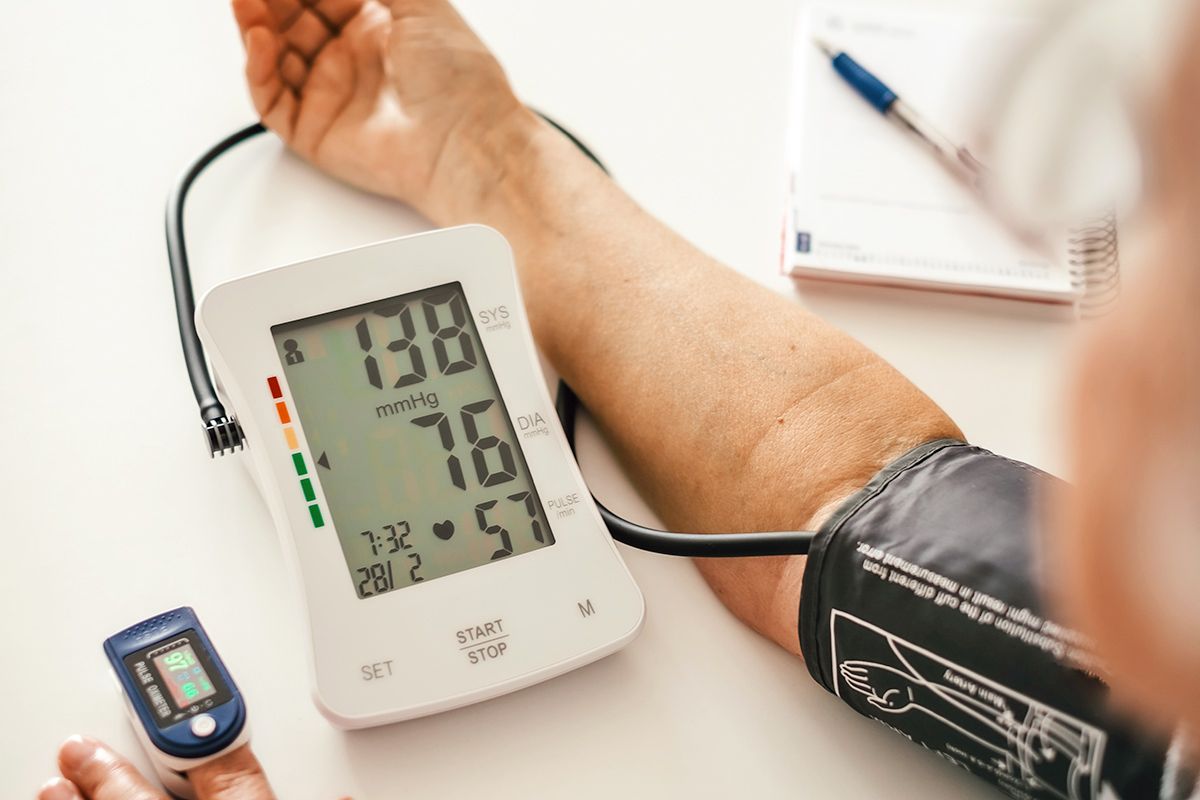
Many common, chronic health conditions can raise your risk of dementia if they’re not managed well. The WHO found sufficient evidence to recommend appropriate interventions, such as medications and/or lifestyle modifications, for managing midlife obesity, Type 2 diabetes, high blood pressure, and dyslipidemia (too much “bad” LDL cholesterol or not enough “good” HDL cholesterol in the blood) specifically to reduce dementia risk.
Getting proper treatment for these conditions can also lower your chances of developing kidney disease, cancer, stroke, or other serious issues. Speaking with your health care provider about your options is a good way to get started.
Get Your Hearing Checked
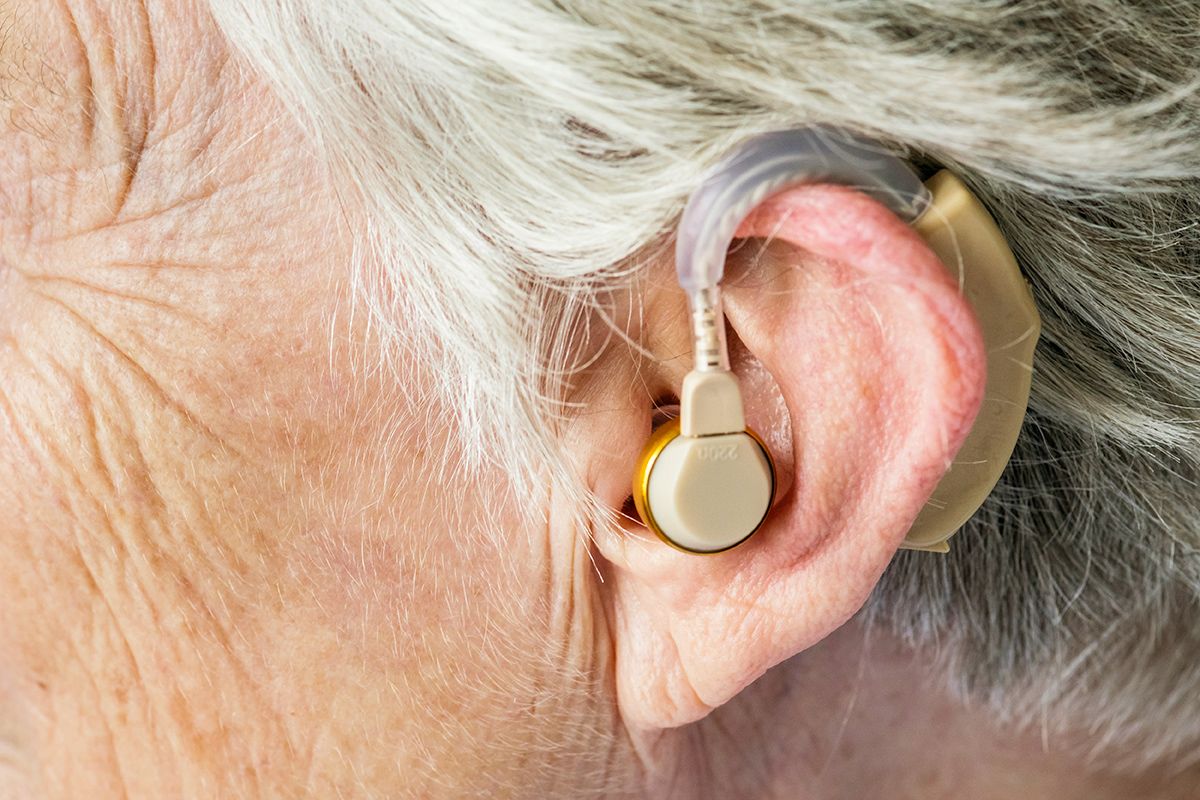
To reduce dementia risk, the WHO recommends hearing aids for those experiencing hearing loss, reflecting recent research into the connections between hearing and cognitive function. About 65% of people 71 and older in the U.S. — 21.5 million individuals — have hearing loss, but less than 30% of them use hearing aids, according to a 2023 survey. Unaddressed hearing loss can affect quality of life and mental health, and observational studies have shown its strong link to cognitive decline and dementia due to social isolation, neurobiological changes, or other mechanisms.
If you’re concerned about potential hearing loss, the first step is asking your doctor for a hearing test. They’ll use the results to decide if treatment is needed.
Featured Image Credit: © fizkes/stock.adobe.com
More From Our Network
Better Report is part of Inbox Studio, an email-first media company. *Indicates a third-party property.







Kat Long is a freelance science journalist in the Washington, D.C. area. Previously, she was the science editor at Mental Floss and a digital editor at National Geographic. She now writes the Arctic Archives newsletter on Substack. Kat spends her free time birdwatching, road-tripping to historical sites and perusing old manuscripts at libraries.
This article is for general informational purposes only.
Affiliate Disclaimer Medical Disclaimer Financial Disclaimer