Never Do These Things Right Before Bed
All featured products and deals are selected independently and objectively by the author. Better Report may receive a share of sales via affiliate links in content.
If you’re familiar with the fairytale “The Princess and the Pea,” you already know the score — one tiny pea buried beneath a stack of mattresses was enough to ruin a princess’s whole night. While we may not be royalty, the tiniest changes can still keep us up at night, even if we think they are insignificant. Sleep experts have identified a few crucial things you should avoid in your routine before turning in for the night. Could one of these harmful bedtime habits be the “pea” beneath your mattress?
Don’t Eat Dinner Late
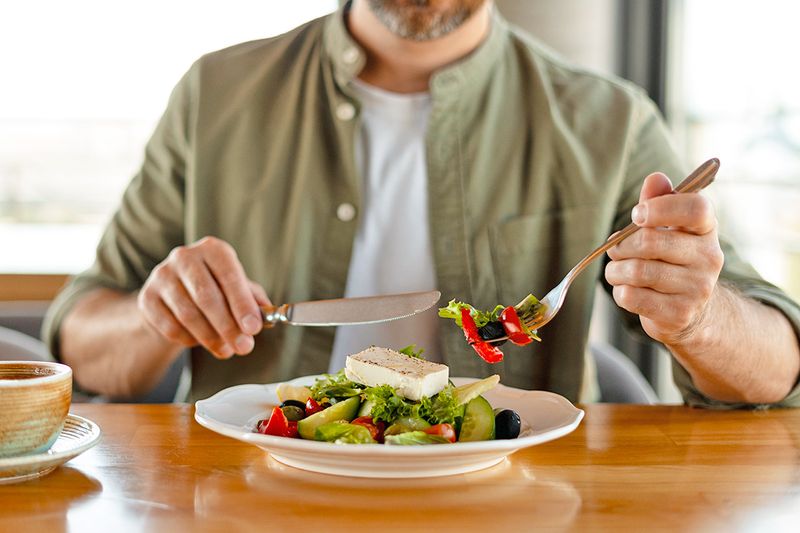
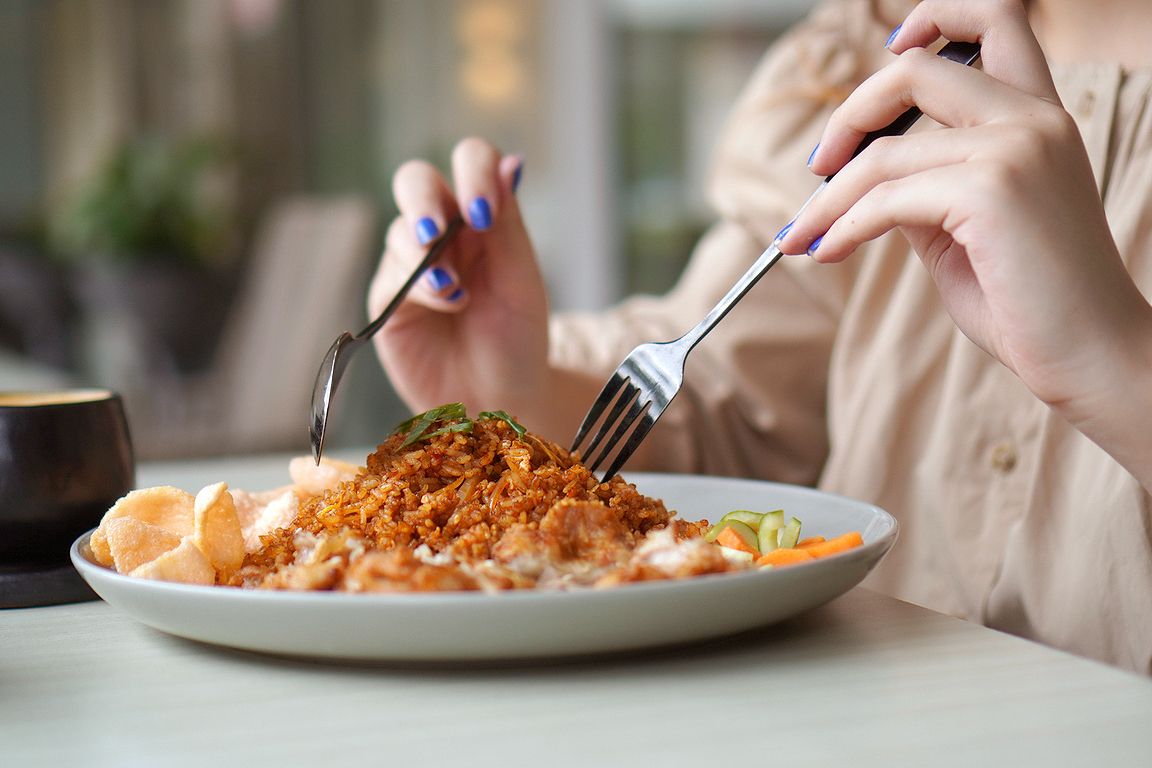
Busy schedules sometimes mean that dinner, typically our largest meal of the day, is delayed until right before bed. This can be affecting your sleep more than you think. The Sleep Foundation recommends eating at least two to four hours before bedtime to reduce acid reflux, heartburn, weight gain, and restlessness. Instead of filling up at dinner, sleep medicine expert Dr. Aris Iatridis recommends having your biggest meal of the day around lunchtime. He explains, “You’re less likely to store the extra calories as fat because your body will have time to burn them off, and you’ll be less likely to have heartburn.”
One of the most significant risks of eating right before bed is gastroesophageal reflux disease (GERD). When you lie down with a full stomach, food presses against the lower part of the esophagus, causing irritation, acid reflux, and heartburn. If you must eat before you sleep, avoid spicy, sugary, or fatty foods and choose nutrient-dense snacks such as fruit, nuts, and seeds. Walnuts and almonds (which contain high amounts of melatonin) or pistachios and cashews (which contain tryptophan) may also help you fall asleep faster and stay asleep longer.
Curb Your Technology Use
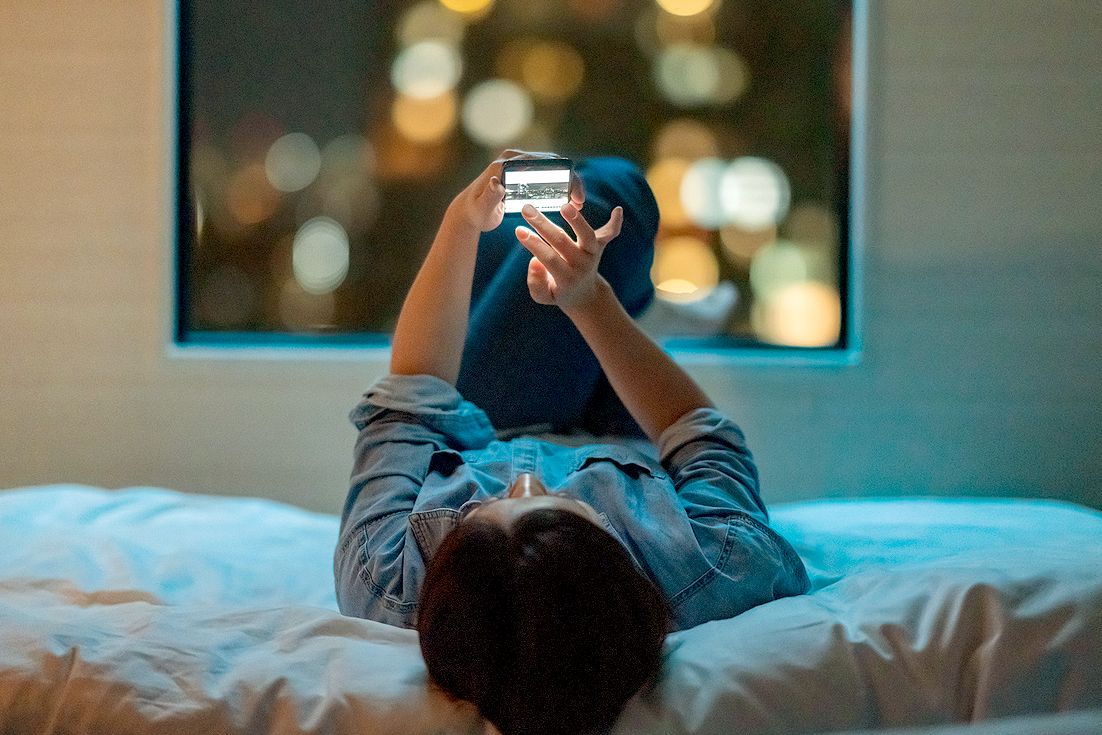
Many doctors recommend ditching technology in the bedroom altogether. Backlit devices such as laptops, tablets, phones, and televisions disrupt our body’s biological clock. As the sun goes down each day, our bodies release the hormone melatonin, preparing us to fall asleep. However, when you are exposed to fluorescent, LED, or blue light around bedtime (pointed directly at your face, no less), melatonin production is suppressed, and the sleep cycle is interrupted. But don’t toss out your bedroom television just yet — according to Cleveland Clinic’s sleep expert Dr. Michelle Drerup, passive technology use before bed is safer than active use. For example, a passive activity like watching television causes less brain stimulation than scrolling through social media or answering emails, where “even just a quick check can engage your brain and delay sleep,” according to Dr. Drerup.
If you like immersing yourself in a book before bedtime, choose a physical copy over an e-book. Red, yellow, and orange lights don’t have the same negative impacts as blue light, so use a booklight in these colors to prevent overstimulation. While E-readers are handy, you probably want to set it aside when it’s time for bed. According to sleep expert Dr. Sanjay Godara, E-readers “emit less blue light than what you will get from a device like an iPad, but it still emits blue light,” which “absolutely” affects sleep. If you must use a digital reader, see if your E-reader has a “night mode” to reduce blue light.

Exercise Earlier
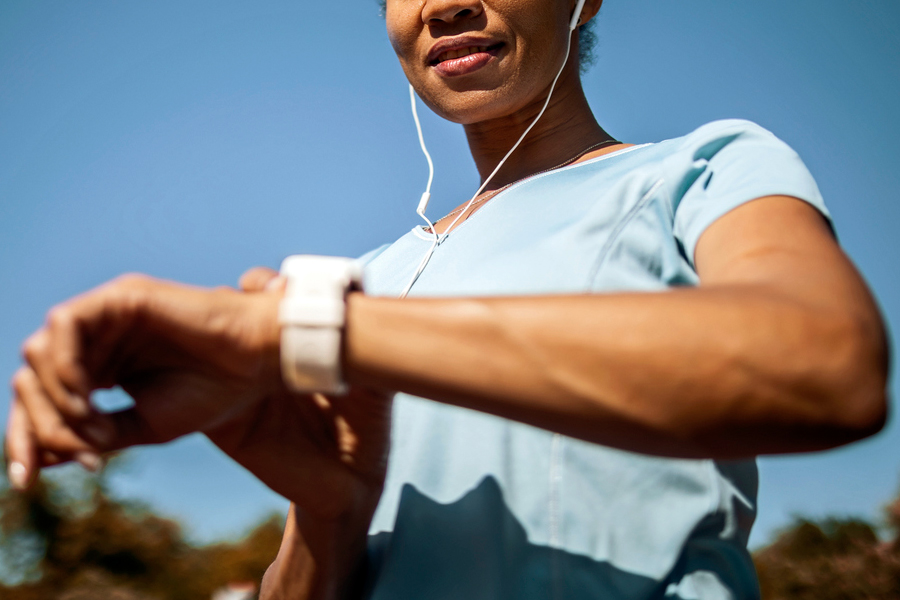
One of the best things about exercise is the endorphin rush afterward — but that can keep you up at night. Evening workouts may fit better into most people’s daily routines, but try to keep it to an hour or two before bed (at a minimum). This gives “the brain time to wind down,” explains Dr. Charlene Gamaldo, medical director of Johns Hopkins Center for Sleep. As endorphin levels decrease, your brain will become less active again, allowing sleep hormones to take over. This also gives your body time to cool down after exercise, as your core temperature can take 30 to 90 minutes to decrease following a rigorous routine. The combination of your body temperature cooling and the decrease in endorphins can actually make you sleepier, if done early enough before bedtime.

Reader Favorites



Avoid Caffeine and Alcohol
Whether your drink of choice is coffee, tea, or an energy drink, try to enjoy caffeinated beverages at least six hours before bed. Caffeine-free tea or decaf coffee (which still contains a small amount of caffeine) are good options if you’re in the habit of enjoying an evening cuppa, but be wary of other sources of caffeine, such as soda — a 12-ounce regular or diet cola contains around 40 milligrams of caffeine, around half as much as a serving of coffee. Cross chocolate off your list of late-night snacks, too; just one ounce of dark chocolate contains 24 milligrams of caffeine.
Alcohol is a nervous system depressant, which results in relaxation and, in turn, sleepiness. However, it also reduces sleep quality and causes significant disruptions in the sleep cycle, especially with heavy or prolonged consumption. According to a 2018 sleep study, men who have two servings of alcohol a day and women who have one serving a day saw nearly a 40% decrease in sleep quality.
Featured Image Credit: Zorica Nastasic/ iStock
More From Our Network
Better Report is part of Inbox Studio, an email-first media company. *Indicates a third-party property.