The Best Times of Year To Buy a Car


When making a big purchase, it’s smart to wait until the time of year when prices are typically discounted. Black Friday is a great time to shop for a television due to holiday sales, for instance, and you’re likely to find cheap ski gear in the spring as retailers unload old inventory. The same goes for buying a new car. Though the “right” time to buy a vehicle may not be as evident, there are periods of the year when car prices are known to be lower. Here’s when you should hit the gas on your next set of wheels.
The Month of December
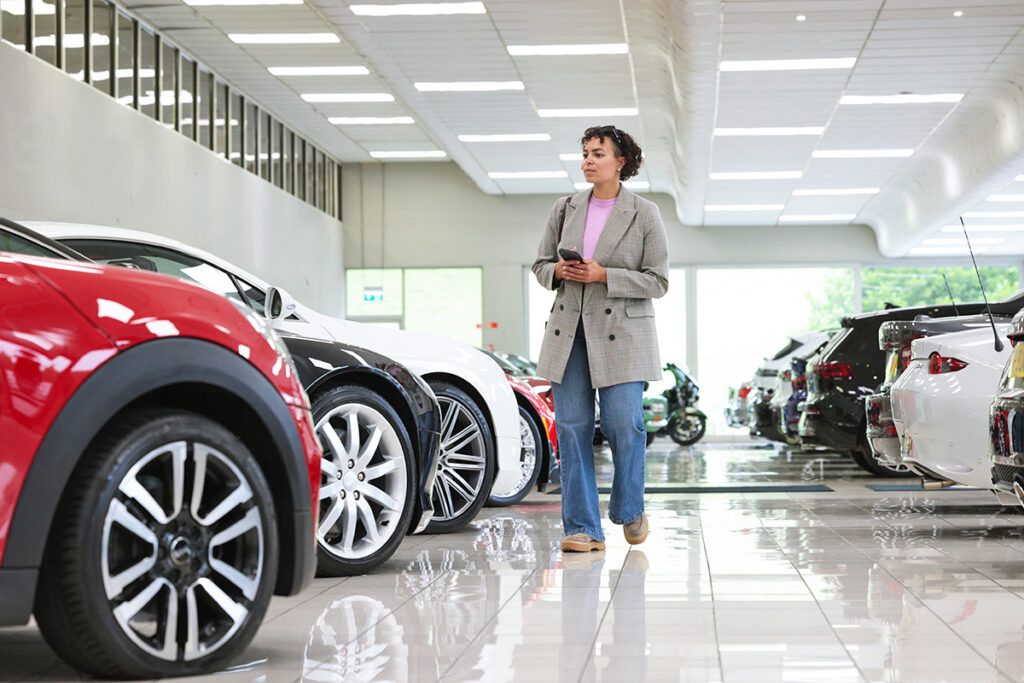
Many dealerships lower the manufacturer’s suggested retail price (MSRP) in the month of December. According to Car and Driver, dealers may be trying to meet internal sales quotas before the new year, and lowering the price is a helpful way to get a boost.
Dealerships also may lower prices as part of an effort to meet manufacturer minimums — the lowest number of units that dealerships are expected to sell of a model. If the dealership fails to meet those minimums, carmakers may be less inclined to do business with them going forward, so it’s in the dealership’s best interest to hit those goals.
Sales aren’t necessarily guaranteed: A successful car dealership may have no problem meeting quotas and therefore no need to cut prices. But it’s still worth checking your local dealerships to see if sales pop up as the new year approaches.
As New Models Appear
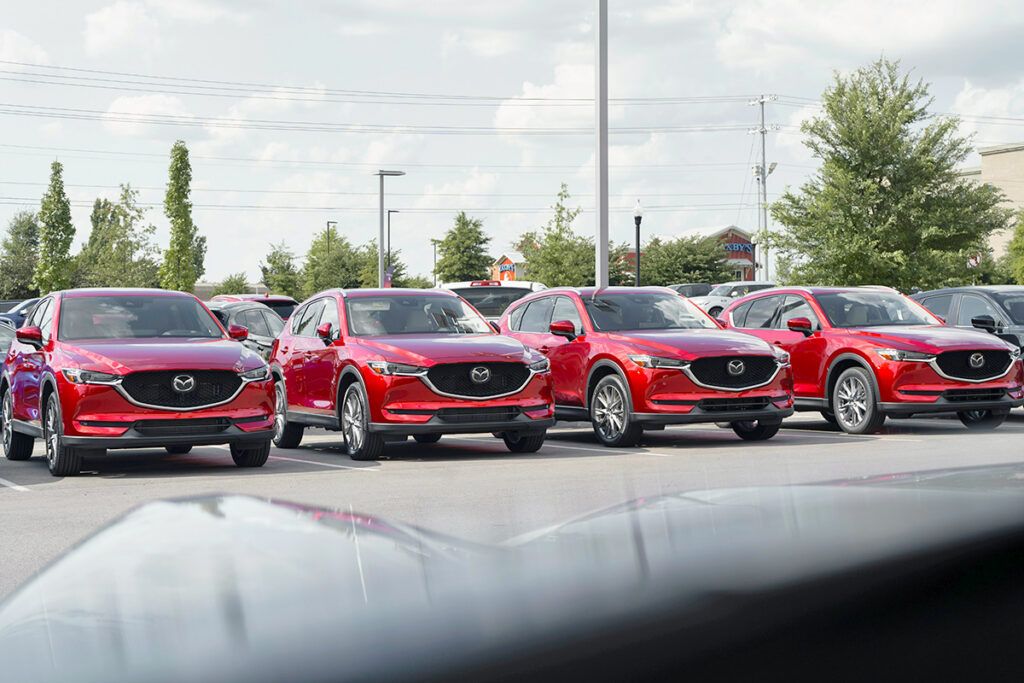
When a new model hits the showroom floor, older versions of that same model might be discounted to clear space. There’s no universally agreed-upon time of year for new car models to debut, but according to U.S. News & World Report, new models often debut in the fall, so it’s worth keeping an eye out for sales around that time of year.

Reader Favorites



You may also be able to get a great deal when a car model gets discontinued, because the price on remaining units is likely to be slashed. This isn’t to say that the car is faulty — just that the public didn’t have much interest in a new version of that vehicle. The general public’s loss can be your gain.
Around Holidays
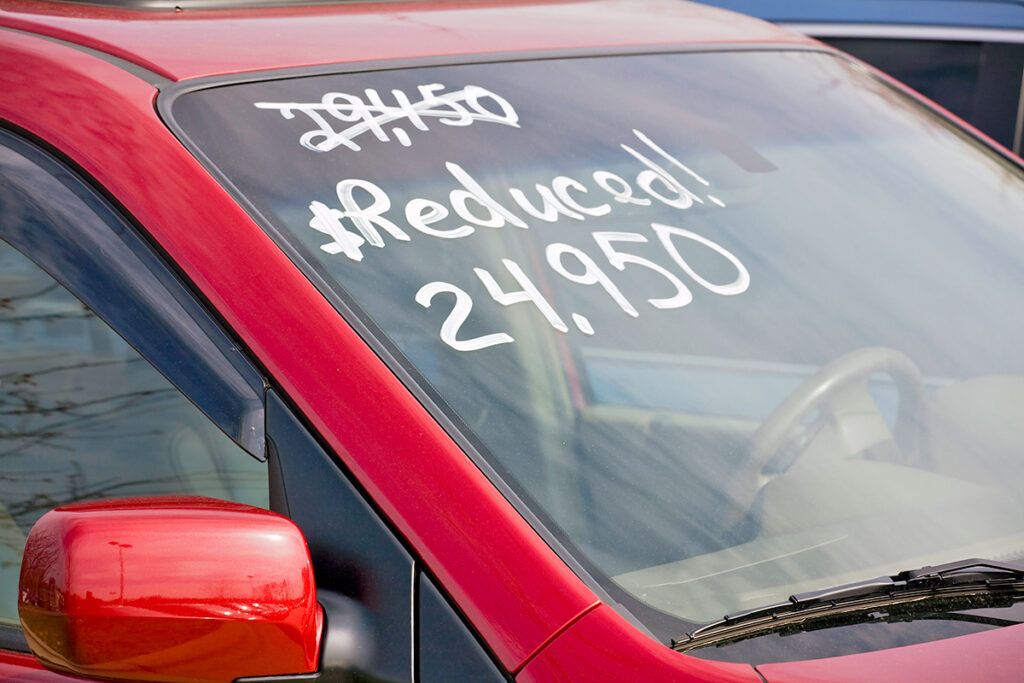
If there’s a holiday coming up, you better believe that dealerships are thinking of a way to use it in their marketing materials. According to Car & Driver, dealerships may attempt to draw people in for celebratory sales pegged to everything from Presidents Day and Memorial Day to Father’s Day and even Halloween. So if you’re looking to buy a car around mid-August, wait two more weeks to see what deals become available around Labor Day. The price probably isn’t going to go up — if anything, it’ll drop to your benefit.
Make sure you familiarize yourself with the MSRP of the car you’re looking to purchase so you can discern between a holiday sale that’s worth taking advantage of and one where the dealer is offering just a few bucks off the standard price.

On Mondays
No matter the time of year, Mondays tend to be the slowest day at car dealerships. These off-peak times are a great opportunity to snag a good deal on a new vehicle. If you head into the dealership on Monday morning, you’ll have ample time to speak with a salesperson about a price that makes sense for you, and they’ll be more motivated to make a deal that leads to a sale.
But if you go on a Saturday or another busy day, then you may get only a few moments of the salesperson’s time. The more you feel rushed, the more likely you may be to agree to a price that you don’t feel comfortable with. A salesperson is also less likely to give you a deal since there’s already another customer right behind you. Always prioritize off-peak visits, as it allows you to have a legitimate negotiation with the salesperson.
Featured Image Credit: © Getty Images/Unsplash.com
More From Our Network
Better Report is part of Inbox Studio, an email-first media company. *Indicates a third-party property.






Bennett Kleinman is a New York City-based staff writer for Inbox Studio. He is also a freelance comedy writer, devoted New York Yankees and New Jersey Devils fan, and thinks plain seltzer is the best drink ever invented.
This article is for general informational purposes only.
Affiliate Disclaimer Medical Disclaimer Financial Disclaimer