Read This Before You Cancel a Credit Card

Do you have a credit card that you just don’t use anymore? Maybe a hasty in-store sign-up or a too-good-to-be-true introduction offer led you astray? Logically, canceling any unused credit cards makes sense — but pause just a moment. According to financial experts, canceling a card can often do more harm than good. However, there are ways to mitigate any damage, and knowing what steps to take before canceling — and alternatives to canceling — can help keep your finances in check. Read on for tips on what to do before you hit “cancel.”

How to Save Your Credit Score
One of the biggest concerns when canceling a credit card is your credit score — no one wants to take the hit. If you must cancel a credit card, there is a way to do it that won’t negatively impact your score. Reduce the damage by paying down all your credit card balances — not just the one you plan to close. Why do other credit cards matter if you’re only canceling one? It comes down to credit utilization, which measures how much available credit you use based on your credit reports. The more credit available (including combined credit card limits), the more significant the decrease in credit score.
Say you have two credit cards: one is fully paid off with a $1,000 limit (that you plan on canceling), and the other has $1,000 due with a $1,000 limit. Before you cancel your card, your credit utilization is 50% because you have $2,000 in available credit between both cards but owe $1,000 overall. If you cancel the first card before paying off the second, your credit utilization jumps to 100% because now you only have $1,000 in available credit and owe $1,000.

The Surprising Impact on Credit History
The length of your credit history also impacts your credit score. Canceling a credit card can hurt or help your credit history, depending on what happened before you closed the account. FICO, the most popular consumer credit report, uses open and closed accounts in its calculations. Closed credit cards remain on your credit history for up to 10 years. If you made payments on time and paid off the card before you canceled it, this closed account will continue to help your credit score until it falls off your credit history report after the 10-year mark. If you frequently made late payments on the card, it will have a negative impact until it ages out of your credit history.

What to do Instead of Canceling
Before canceling your card, call your credit card company and inquire about a retention offer, explaining that you’re considering closing your card. If your account is in good standing, they might offer you perks for not canceling. This can include bonus points or miles, an extension on a 0% APR, statement credits, or a waiver or reduction on the annual fee. It varies by credit card company and type of card, and while there are no guarantees on an offer, it’s worth a shot.
You might also consider downgrading your card. Often, credit card companies offer different tiers of the same type of card (some with lower fees, better interest rates, etc.), albeit with fewer benefits. Because you are just switching cards and not canceling an account, it will not impact your credit score. Be sure to ask customer service how this will affect the rewards and points you already earned. You might have to use them before you switch your card if they can’t be transferred.

Reader Favorites




When to Cancel
Many experts advise against canceling credit cards, but occasionally, it’s unavoidable. A significant life change or accumulating too much debt are good reasons to cancel a card. It could also be a good idea to look elsewhere if a high interest rate or annual fee limits your financial freedom. If you’re looking for better benefits, it’s probably worth contacting the credit card company and inquiring about upgrading your card because this doesn’t count as an account cancellation and won’t impact your credit score.
Remember to redeem your unused points and rewards before canceling, or you’ll probably lose them. Some carriers offer a grace period after canceling to use your rewards, so you must read up on their policy before closing your account. There are occasional exceptions to losing points, including a few cards that partner with specific airlines or hotels, because those rewards are posted to accounts outside the credit card company.
Don’t Let a Credit Card Sit Idly
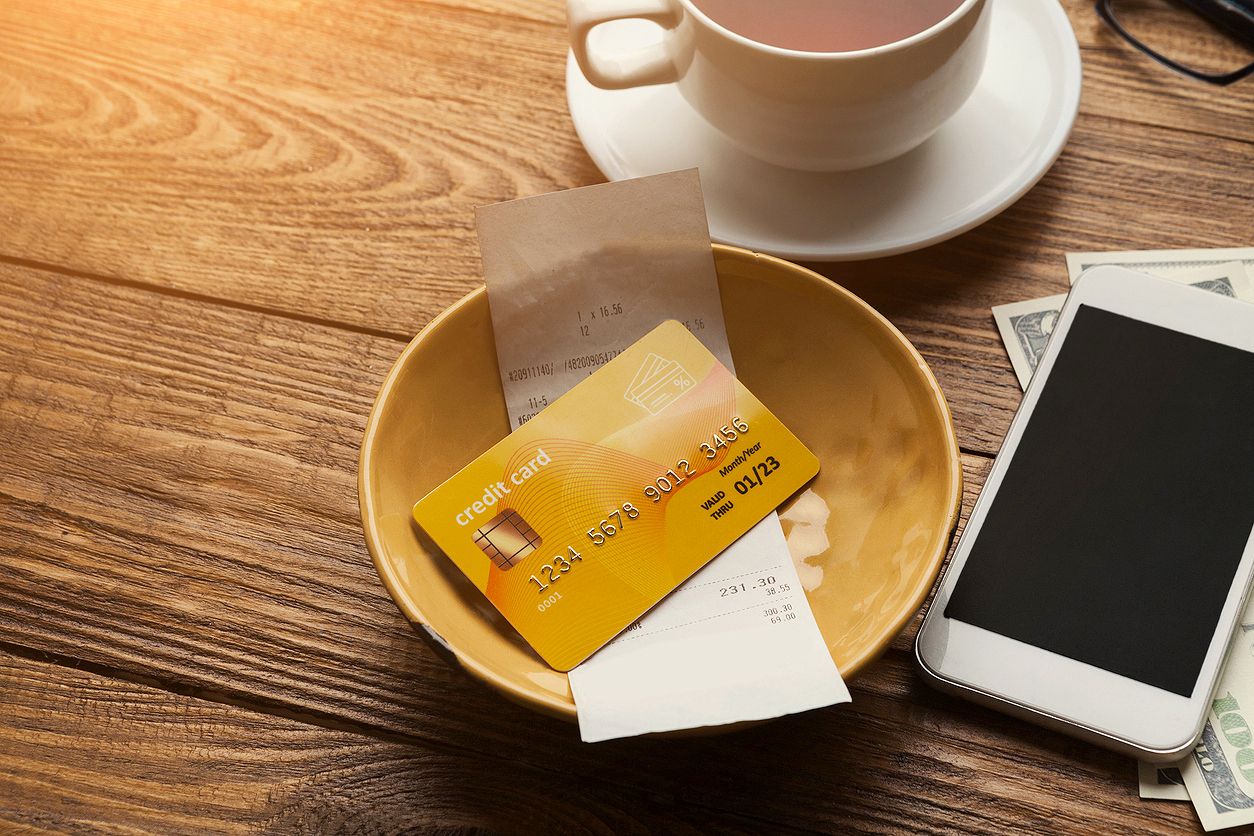
Some card users let their account go unused instead of canceling it, which can cause serious problems. Firstly, you’re more susceptible to fraud because you aren’t checking your account frequently or at all. Another consideration is what the credit card company might do: They can cancel your account. As explained earlier, this can be detrimental to your credit utilization and score if you don’t have your other credit cards paid off when the unused one is canceled. Some companies close inactive accounts in as little as six months.
Fortunately, as of 2010, the Federal Reserve prohibits credit card companies from charging inactivity fees, but you must still pay any annual fees. For these reasons, it’s better to play it safe — don’t let a credit card go unused for over a month or two before deciding whether to use it or lose it.
Featured Image Credit: Kunakorn Rassadornyindee/ iStock
More From Our Network
Better Report is part of Inbox Studio, an email-first media company. *Indicates a third-party property.