The “Core 4” Method Is the Trick to Decluttering Anything

If you feel like your home or office isn’t as tidy as it could be — or worse, is in a constant state of disarray — try this foolproof cleaning method. This method helps you tackle any size mess, from an unorganized pantry to an entire basement overhaul. Known as the “Core 4” Method, this clever cleaning technique was created by professional organizer Kayleen Kelly, who specializes in what she calls “chronic clutter.” She has decluttered thousands of homes during her decade of experience and has reached millions of users across her social media platforms. Thousands of families have benefited from her advice.
Following four straightforward steps — Clear Out, Categorize, Cut Out, and Contain — many who followed her advice have seen lasting results. Kelly says this method aims to “create a functional home, quickly and confidently.” We’ve broken down the “Core 4” with some tips and tricks. Here’s how to organize any space within hours.
Before You Begin
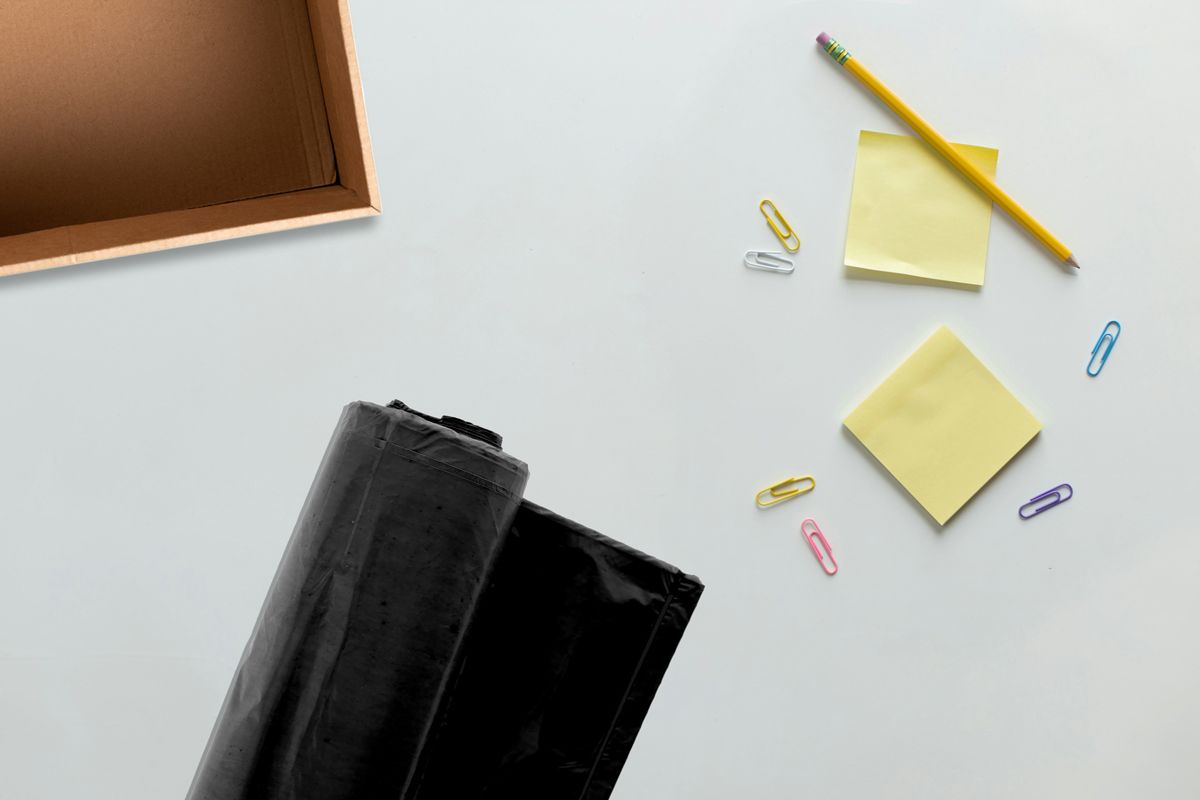
Select a space that is most in need of some TLC. If you’re overwhelmed about where to start, Kelly suggests starting small, with a bathroom or a closet. She also suggests breaking larger rooms into sections to make them more manageable. Organizing too large a space at one time can be overwhelming and lead to an even bigger mess. You’ll need a few supplies: labels or Post-It notes, a writing utensil, storage boxes, and trash bags.
Step 1: Clear Out
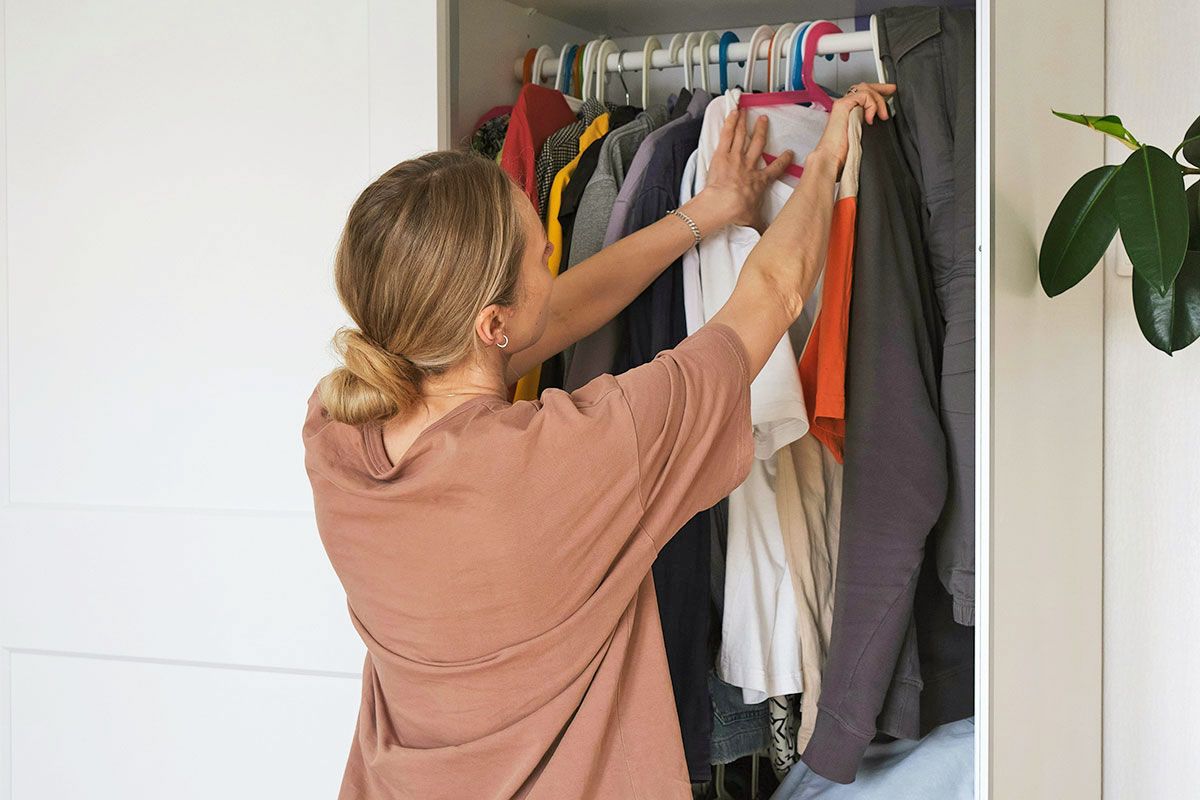
Remove everything from the area, including trash. After your cabinets, closets, bins, and drawers are empty, throw away rubbish or any broken or unusable item. (Don’t throw away donateable or sellable items.) This is an excellent time to give the area a good wipe down and vacuuming. After the trash is thrown away, you’re likely left with many items strewn across the floor. Don’t worry; you’ll tackle this in the following steps.

Step 2: Categorize
Kelly suggests having your labeled bins or boxes ready before you begin sorting. Moving boxes or reusable grocery bags work well for this step.
Try to use one bin per category. For a bathroom, this might look like one bin for cleaning supplies, one for hair supplies, one for skincare, one for makeup, one for children’s items, etc. Kelly tries to stay very general with categories, only breaking them up into more detail if they don’t fit into one bin. Try not to use any “miscellaneous” bins because this will encourage disorganization in the future — everything should have a place.

Reader Favorites



Step 3: Cut Out
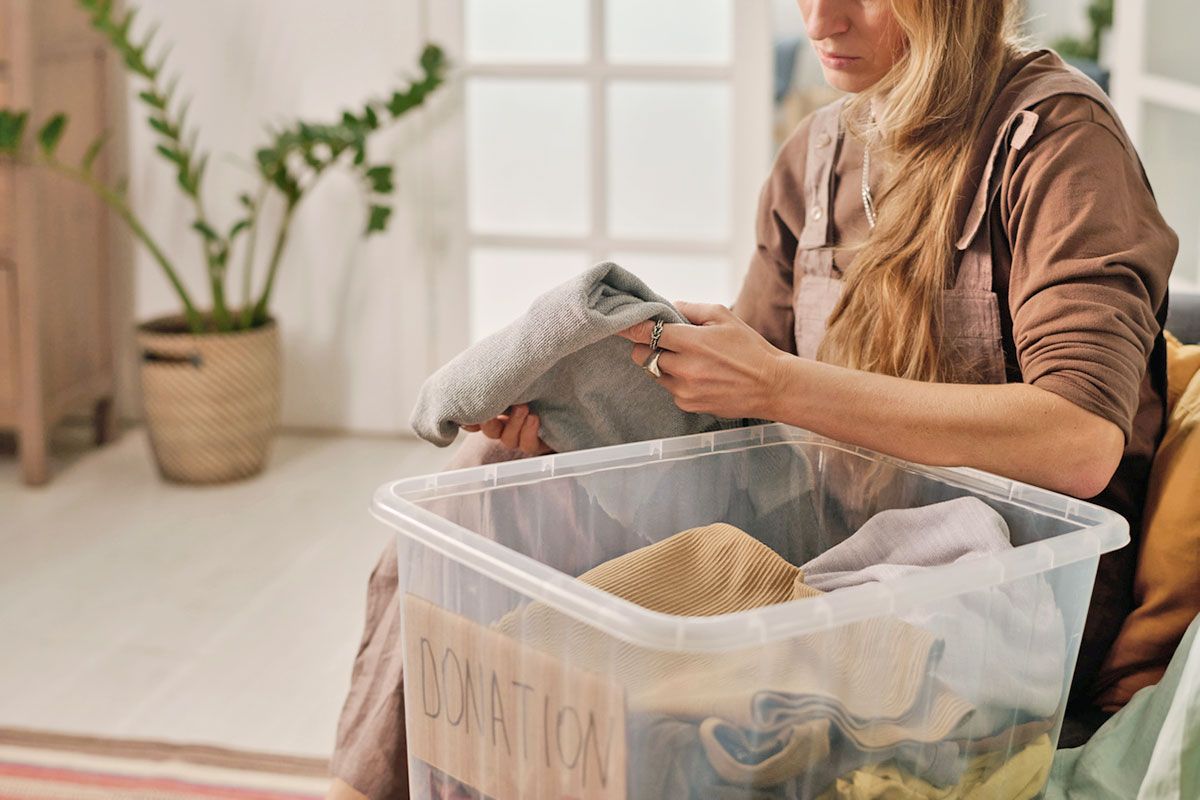
Now that everything is categorized, you can see what you have and better identify what you don’t need. By following the steps in this order, you might realize you can donate or sell items that you have multiple of. If you no longer need an item, ask yourself: Can I donate it? Can I sell it? Is it unusable? It’s always better to donate an item to someone in need or sell an item than to send it to a landfill (unless it can be recycled). Have a box on hand for donations, another box for sellable items, and a trash bag for anything broken or otherwise unusable.

Step 4: Contain
By now, all the belongings you’d like to keep are in bins, bags, or boxes. It’s time to move them into permanent storage bins. Kelly says to store similar items together and never overcrowd containers. This ensures that your storage system is usable.
Choose storage containers based on the size of the category. Seeing and knowing what you have is vital to organizational success. Clear bins like these highly-rated stackable bins are often the best choice. She also stresses focusing on function, not aesthetics, and prefers simple, low-cost bins. When putting your items back in a closet or cabinet, place bins that you’ll use regularly toward the front and lesser-used items toward the back. If you need access to a bin multiple times daily, consider using lidless bins to keep things fast and easy. Labeling items is essential, especially if your bins have lids or aren’t transparent. Make labels with tape and markers, or invest in a label maker like this portable Bluetooth model.
“Creating a simple system of organization is all about ease of access,” explains Kayleen. After completing this final step, your newly contained belongings will be easier to find. Hopefully, the days of dreadful bathroom pile-ups and overflowing pantries are a thing of the past.
More From Our Network
Better Report is part of Inbox Studio, an email-first media company. *Indicates a third-party property.